
Last updated October 30, 2026
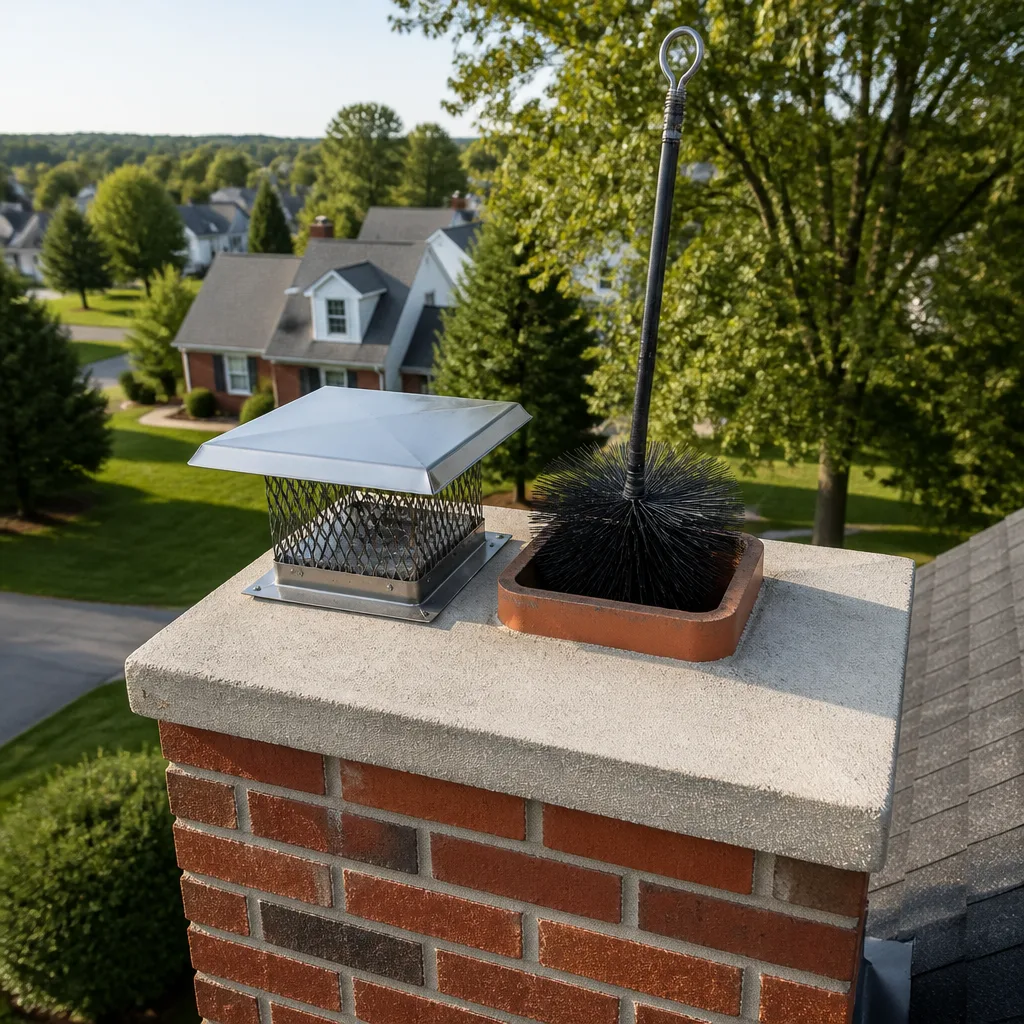 Sweep & inspection
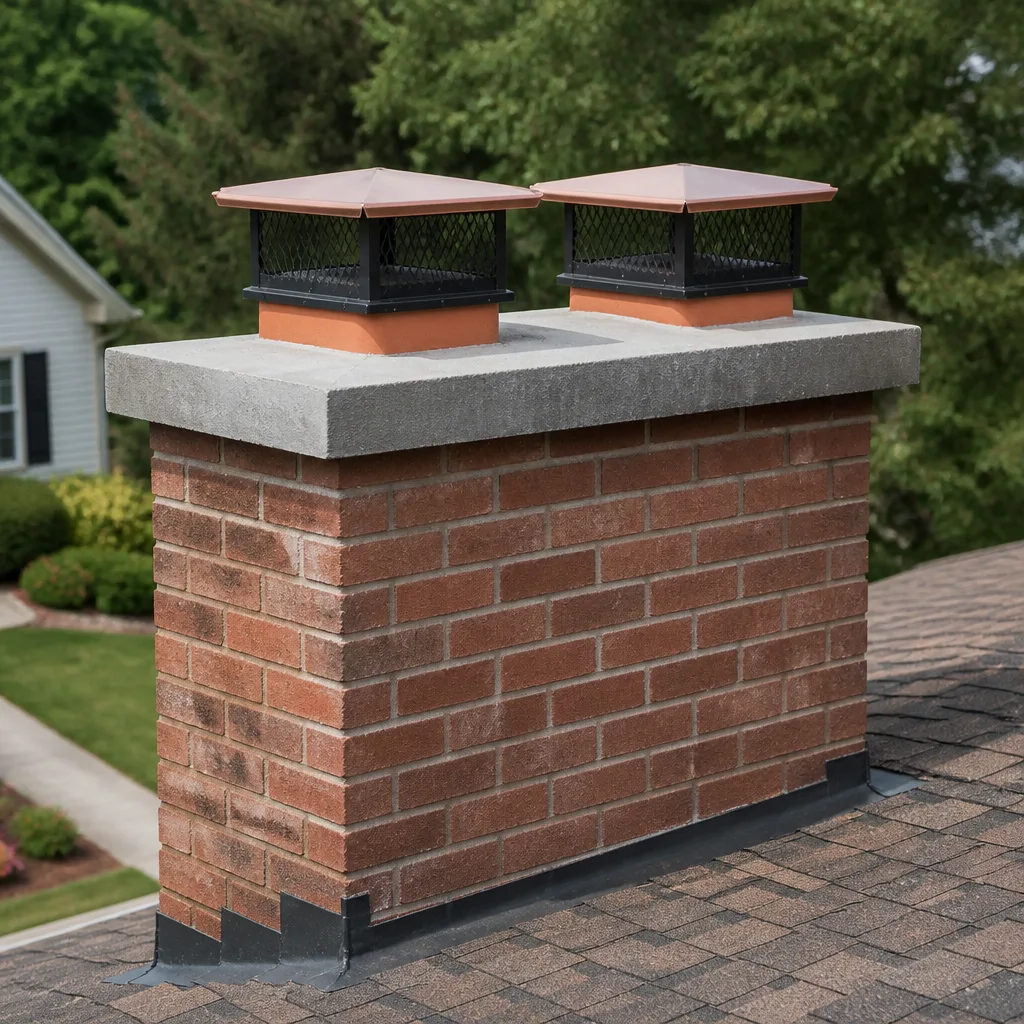 Caps & crowns
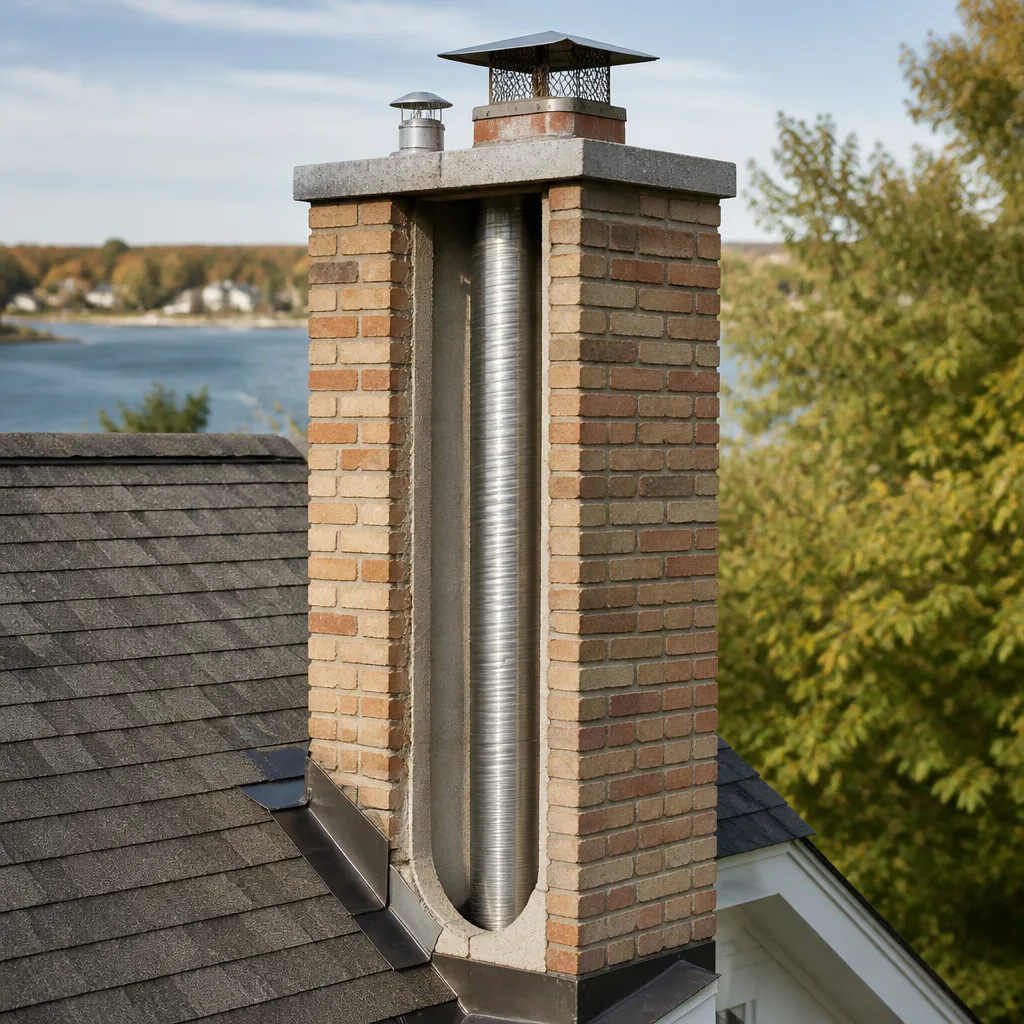 Flue relining
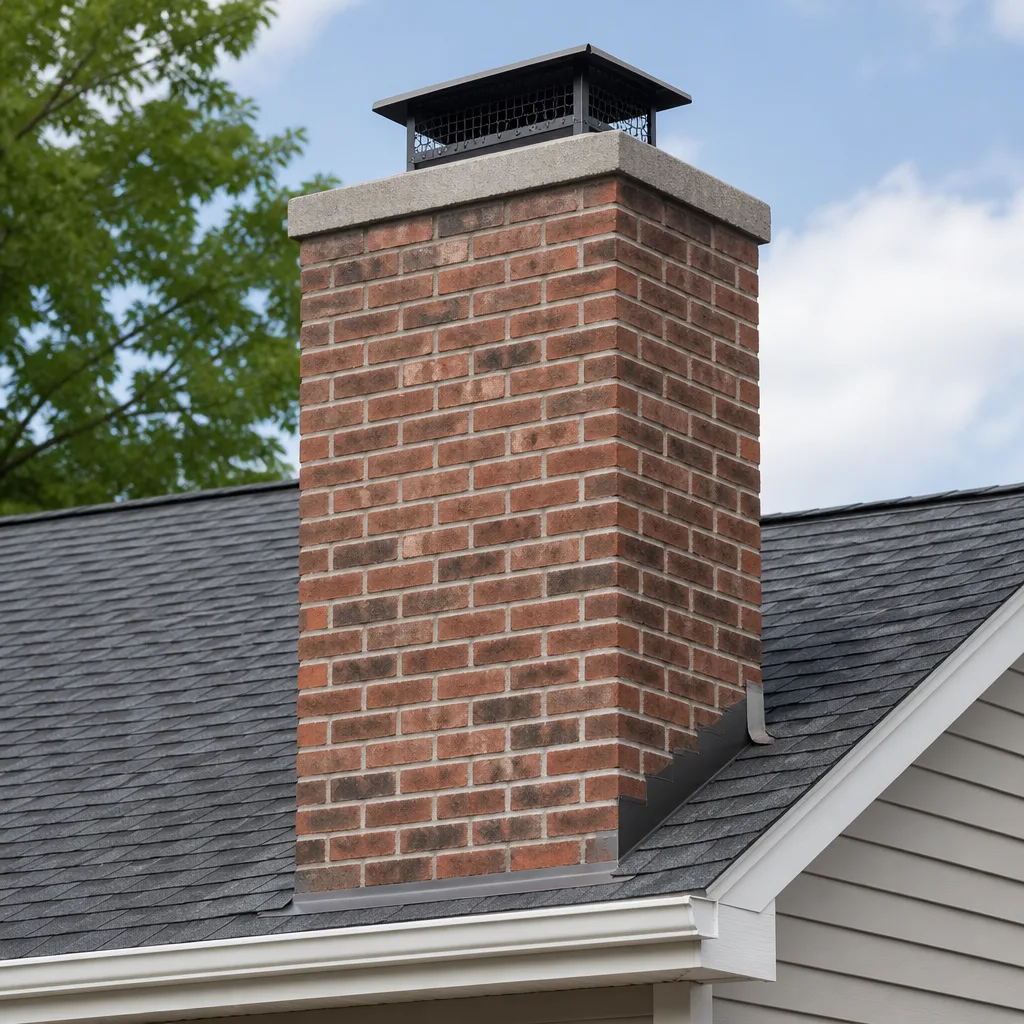 Masonry repair
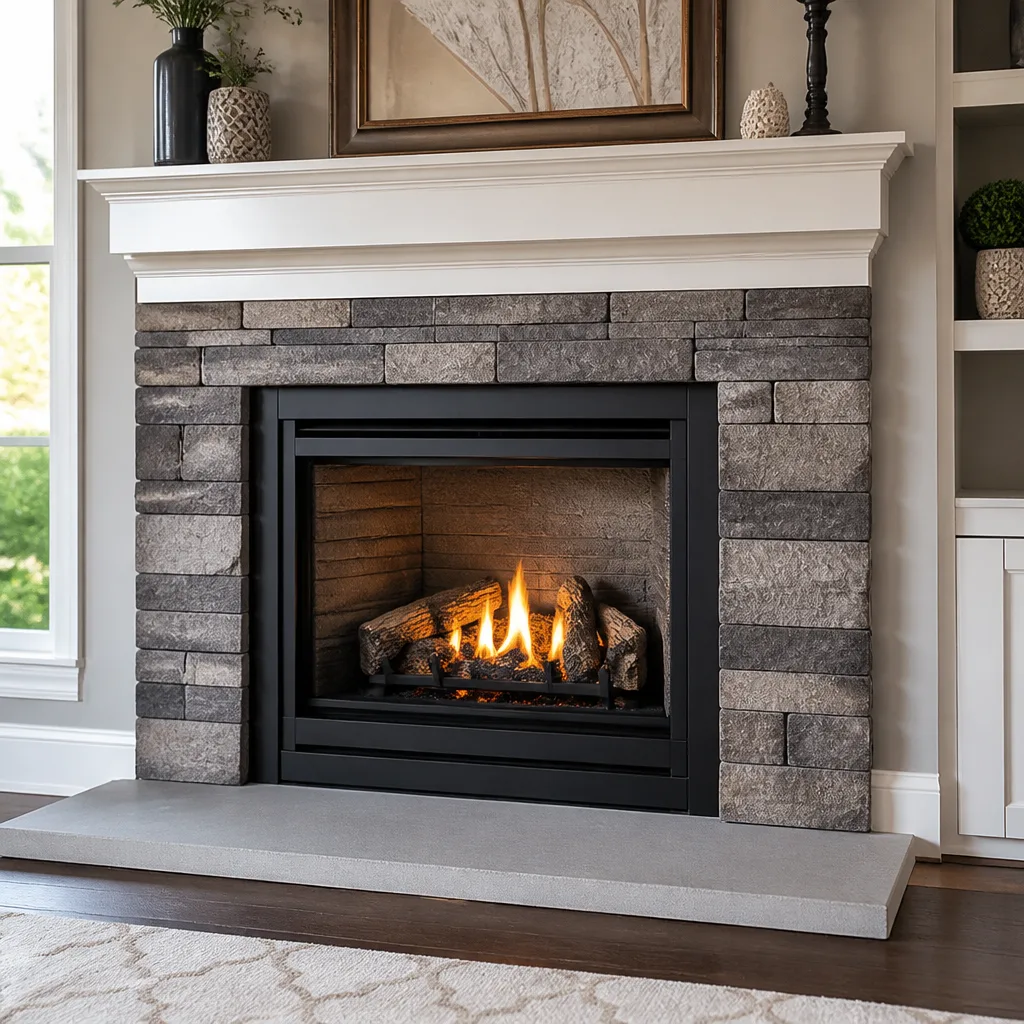 Gas fireplace service
Level 1 sweep and inspection to the NFPA 211 annual standard - flue, crown, cap, and flashing checked and photographed
Chimney sweep logs do not sweep chimneys. They loosen some creosote - which then falls where a brush and vacuum still have to collect it.
Chimney Cleaning Permits, Codes & Inspections in CA: What You Need to Know
Roughly one in four chimney fires in California involves a chimney that had been swept within the previous twelve months. The fire didn’t start because the flue was dirty. It started because the cleaning uncovered a cracked liner or failed mortar joint, the homeowner was told about it, and nothing was done. In Koreatown, where we work on homes built from the 1920s through the 1980s, those underlying defects are common – and the legal exposure they create is something most homeowners never think about until an adjuster brings it up. This guide walks through the actual code requirements, the permit trigger points, and the inspection standards that determine whether your chimney is a legal, insurable part of your home or a liability waiting for a bad night. For more guides & resources on chimney safety, visit our blog.
Styles & brands we work with
Quick Answer
Chimney cleaning itself does not require a permit anywhere in California, including Koreatown and the City of Los Angeles. However, if the cleaning or accompanying inspection uncovers a cracked flue liner, deteriorated crown, or damaged masonry that requires repair, that repair work is subject to permit under the California Building Code Section 2113. The permit is triggered by the repair, not the cleaning – and skipping it can void your homeowner’s insurance coverage for any subsequent chimney fire.
Table of Contents
- California Building Code Section 2113: What It Actually Says
- When a Cleaning Finding Triggers a Permit
- SCAQMD Rule 445 and Wood-Burning Compliance in Koreatown
- LA City Fire Code vs. County Code: The Koreatown Boundary
- Level 2 Inspections: When You Need One and What It Proves
- The Insurance File: How Documentation Protects You After a Fire
- Step-by-Step: What to Do After a Cleaning Flags a Problem
- Common Mistakes to Avoid
- When to Call a Professional
- Frequently Asked Questions
- The Bottom Line
California Building Code Section 2113: What It Actually Says
Section 2113 of the California Building Code (CBC) governs masonry chimneys in residential construction. It’s the section that defines what a legal chimney looks like in this state, and it applies whether your home in Koreatown was built in 1926 or renovated last year. The code does not regulate sweeping. What it regulates is the structural and material condition of the chimney itself – the liner, the crown, the clearance to combustibles, and the firebox dimensions.
The most consequential provision for homeowners is the liner requirement. CBC 2113 requires that residential masonry chimneys be lined with a code-compliant flue liner. Clay tile was the standard for decades. Stainless steel systems like DuraFlex meet the current ULC-S635 and UL 1777 standards when a clay liner has failed or was never installed. The code doesn’t care which system you use. It cares that the liner is intact, properly sized for the appliance it serves, and continuous from the appliance outlet to the chimney top.
Here’s what CBC 2113 requires in plain terms:
- Flue liner integrity: No cracks, gaps, or missing sections that would allow flue gases or embers to reach the masonry or surrounding structure.
- Clearance to combustibles: The exterior of the masonry chimney must maintain minimum clearance from wood framing. In older Koreatown homes, this is frequently violated because framing was added during remodels without accounting for the chase.
- Crown condition: The concrete crown at the top must shed water away from the flue. A cracked or spalled crown that allows water into the chimney structure is a code deficiency when it reaches the point of liner damage.
- Firebox and hearth dimensions: The fireplace opening, firebox depth, and hearth extension must match the code requirements for the appliance. Alterations to these components require review.
In our experience in Koreatown, the most common code issues we document are cracked clay liners in pre-1970 chimneys and improperly framed chases in homes that were “renovated” during the 2000s condo conversion wave. Both are repair triggers, not cleaning triggers – but the cleaning is usually what reveals them.
When a Cleaning Finding Triggers a Permit
The permit line is clearer than most contractors make it sound. Sweeping a chimney: no permit. Repairing a liner, rebuilding a crown, repointing more than a small patch of masonry, or altering the chimney structure: permit required. The Los Angeles Department of Building and Safety (LADBS) treats these as “repair or alteration to a fireplace or chimney” under the mechanical and building permit categories.
Here’s the sequence we see regularly in Koreatown:
- A homeowner schedules a chimney sweep, often because they haven’t used the fireplace in years or they’re preparing for winter.
- The sweep includes a visual inspection. The technician documents a cracked clay liner, deteriorated mortar joints in the smoke chamber, or a crown that’s spalling.
- The homeowner receives a written report with photos. This is the documentation point that matters for insurance.
- The repair work – liner replacement with a DuraFlex or HeatShield resurfacing application, crown rebuild, or masonry repair – now requires a permit from LADBS.
- A licensed contractor pulls the permit, completes the work, and the jurisdiction performs or waives inspection depending on the scope.
Here’s what catches homeowners off guard: the permit is triggered by the deficiency, not by whether you choose to fix it. If a documented deficiency exists and you subsequently have a chimney fire, the absence of a permit for the repair you never did becomes the insurer’s argument for denying the claim. The permit itself is not the issue. The permit creates the paper trail that proves you responded to a known hazard.
For Koreatown specifically, LADBS requires permits for any liner replacement, any structural repair to the chimney chase, and any change to the chimney’s height or flue configuration. A simple sweep-and-inspect visit never crosses that line. The Chimney Sweep in Koreatown service we provide is explicitly designed to document condition without triggering unnecessary permit exposure – we tell you what we found, and we show you.
SCAQMD Rule 445 and Wood-Burning Compliance in Koreatown
Koreatown sits inside the South Coast Air Quality Management District, which enforces Rule 445 – the regulation governing wood-burning devices throughout Los Angeles County. The rule does not require a permit for chimney cleaning. What it requires is that any wood-burning fireplace or stove in a home being sold or rented meet certain registration and emission standards, and it establishes no-burn days when wood burning is prohibited.
Here’s how Rule 445 interacts with the chimney work we do:
- Change of ownership: If you sell a Koreatown home with a wood-burning fireplace, the device must be registered with the SCAQMD and must be either compliant or removed/rendered inoperable. A chimney inspection report is part of that documentation.
- No-burn days: Rule 445 restricts wood burning on high-pollution days. The restriction is seasonal and announced publicly. It does not affect cleaning or repair work – those are fire safety and building code matters, not air quality compliance.
- Conversion to gas: If a homeowner converts a wood-burning fireplace to a gas log set or insert, the work triggers both a building permit and potential SCAQMD notification. The flue sizing and liner compatibility must be verified as part of that scope.
- Exemption criteria: Fireplaces in buildings with fewer than four units that are the sole source of heat qualify for limited exemptions. This rarely applies in Koreatown, where central heating is standard.
What Rule 445 does do is make the Chimney Repair in Koreatown conversation more relevant. If a cleaning uncovers liner damage in a wood-burning fireplace, the repair isn’t just about fire safety – it’s about keeping your device compliant for a future sale. A non-compliant fireplace can stall escrow. Fixing it now with a documented, permitted repair keeps that from becoming your problem at closing.
LA City Fire Code vs. County Code: The Koreatown Boundary
Koreatown falls entirely within the City of Los Angeles, which means the Los Angeles Fire Department (LAFD) enforces the fire code, and LADBS enforces the building code. There is no County-versus-City ambiguity for a Koreatown address. The confusion arises because many contractors and online guides blur the two jurisdictions, and because unincorporated Los Angeles County communities – some just a few miles east – operate under different enforcement priorities.
The distinction matters for two practical reasons:
- Inspection authority: In Los Angeles City, LAFD inspectors can cite a homeowner for a visibly deteriorated chimney that creates a fire hazard, even without a complaint. This is rare but happens in multi-unit buildings where a property owner has ignored documented deficiencies.
- Permit issuance: LADBS issues chimney repair permits. Los Angeles County issues permits for unincorporated areas through its own Building and Safety division. A contractor who pulls a permit in the wrong jurisdiction creates a paperwork mess that can delay your project for weeks.
For Koreatown homeowners, the takeaway is simple: verify that any contractor you hire pulls permits through LADBS for work within city limits. We handle that process for our clients. The permit is pulled in the correct jurisdiction, the inspection is scheduled, and the homeowner receives a copy of the final sign-off. That paper trail is what an insurance adjuster will ask for if a fire ever occurs.
One more Koreatown-specific note: many of the neighborhood’s older apartment buildings and duplexes have shared chimney structures. If your unit shares a flue with an adjacent unit, any repair work may legally require coordination with the building owner, not just your own contractor. This is a common source of permit complications we help navigate.
Level 2 Inspections: When You Need One and What It Proves
A Level 2 inspection is the chimney industry’s standard for a more thorough evaluation than the visual check that accompanies a routine sweep. Per the National Fire Protection Association (NFPA 211), a Level 2 inspection includes all the elements of a Level 1 check plus access to accessible attics, crawl spaces, and basements, and it typically involves a video scan of the flue interior.
Here is when a Level 2 inspection is the right tool:
- After a chimney fire: Even a small one. Any chimney fire, even if it was contained, can compromise the liner and mortar joints. The damage is often invisible from the top or the firebox.
- Before purchasing a home: A Level 2 inspection with a video scan should be part of any Koreatown home purchase that involves a fireplace. Standard home inspectors do not do this. They look at the chimney from the roof. You need a chimney-specific evaluation.
- After a seismic event: Southern California earthquakes can shift chimney structures. A Level 2 inspection after any significant quake verifies that the flue path remains continuous and the liner hasn’t separated.
- When changing the appliance: Converting from wood to gas, installing an insert, or changing the flue size all warrant a Level 2 evaluation before and after the change.
- When a routine sweep documents a deficiency: If the visual inspection during a sweep shows cracking or deterioration, a Level 2 with video confirms the extent and provides the documentation your insurance company will accept.
The key point for California homeowners: a passing Level 2 report is not a permit. It is evidence. When you submit a copy to your insurance provider, you create a record that the chimney was evaluated and cleared – or that a deficiency was documented and addressed. Either outcome strengthens your position. Silence weakens it. We provide video documentation as part of our inspection process, and we give you the files. You can hand them directly to your adjuster or keep them in your own records. The Imperial Chimney home page has more on how we structure our inspection and reporting process.
The Insurance File: How Documentation Protects You After a Fire
Your homeowner’s insurance policy almost certainly includes language that requires you to maintain the property in a condition that prevents foreseeable loss. That is the clause that gets cited when a chimney fire occurs and the homeowner cannot produce any record of inspection, cleaning, or repair. The insurer’s argument is not that you caused the fire. It’s that you knew or should have known about the hazard and failed to act.
What we tell every Koreatown client is this: the documentation is the protection. A receipt for a chimney sweep is proof of maintenance. A Level 2 inspection report with video is proof of diligence. A permit for a liner repair is proof of correction. None of these documents are expensive relative to the claim they protect.
Here’s what your insurance file should contain if you own a home with a fireplace:
- Cleaning records: Dated, with the company name legible, showing at least one sweep within the past 24 months if the fireplace is used regularly.
- Inspection findings: A written report with photos or video from a chimney professional, documenting the condition of the liner, crown, and masonry at the time of evaluation.
- Repair permits and sign-offs: If any repair work was done, the LADBS permit number and final inspection approval showing the work was completed and cleared.
- Product documentation: If a liner system like DuraFlex or a HeatShield resurfacing was installed, the manufacturer’s product specs and any warranty registration.
The goal is simple: if an adjuster ever asks, “What did you do about this chimney?” you have a folder that answers the question. We build that folder for our clients as part of our standard reporting. It’s not an add-on. It’s the point.
Step-by-Step: What to Do After a Cleaning Flags a Problem
Here is the sequence we recommend when a sweep uncovers a potential code issue. It works whether you hire us or another company – the steps are the same. Follow our Chimney Sweep Maintenance Checklist for Koreatown Homeowners to stay on track.
- Get the finding in writing. Ask for a written report with photos or video. A verbal comment from a technician is not documentation. If the company won’t provide a written report, find a company that will.
- Determine the severity. Not every crack is an emergency. Minor hairline cracks in a clay liner may be monitored. A gap, a missing section, or a crack that extends through the flue wall is a repair item. Ask for a clear recommendation: monitor, repair, or replace.
- Get a second opinion if the repair is expensive. A liner replacement in Koreatown can run several thousand dollars. It’s reasonable to get a second evaluation, and a reputable company will welcome the scrutiny. Ask both companies to document their findings in writing.
- Confirm the permit requirement. If the recommended repair is a liner replacement, structural rebuild, or major masonry work, verify that the contractor will pull the LADBS permit. If they suggest skipping it “to keep costs down,” walk away. The permit protects you, not the contractor.
- Complete the repair and file the paperwork. After the work is done and the inspection is signed off, request copies of the permit, the inspection approval, and any product documentation for the materials used.
- Notify your insurer. This step is optional but recommended. A simple note with the repair documentation attached creates a record that can only help you if a future claim arises.
Common Mistakes to Avoid
- Skipping the permit because the contractor says it’s not necessary. A contractor who tells you a liner replacement doesn’t need a permit in Los Angeles City is wrong or lying. Either way, the liability falls on you.
- Confusing a cleaning with an inspection. A sweep removes creosote. It does not verify the structural integrity of the chimney. If you want documentation of condition, ask for a Level 2 inspection explicitly.
- Assuming the home inspector covered the chimney. Standard home inspections include a visual look at the chimney exterior. They do not include a video scan of the flue interior. And in a Koreatown condo purchase, the shared chimney structure may be excluded from the unit inspection entirely.
- Burning wood on a no-burn day because you didn’t check SCAQMD. Rule 445 applies to Koreatown. Violations can trigger fines, and repeated violations can lead to registration problems when you sell the home.
- Ignoring a written deficiency report. If a certified chimney professional documents a cracked liner and you choose not to act, the paper trail now exists. Your insurer can access it after a fire. The report doesn’t disappear because you threw it away.
- Hiring a general handyman for liner work. Liner installation involves code compliance, permit navigation, and product-specific training. Products like HeatShield and DuraFlex require certified application or installation to perform as designed. A handyman with a ladder is not the same thing.
- Waiting to address the Dryer Vent Cleaning in Koreatown side of the house. The same code and fire-safety logic applies to dryer exhaust systems. Lint accumulation is a leading cause of appliance fires, and the documentation habits you build for your chimney should extend to your dryer vent.
When to Call a Professional
If you have not had your chimney evaluated in the past two years, or if you inherited a fireplace when you bought your Koreatown home and have never confirmed its condition, that is the threshold. A professional inspection is the starting point. If you see water staining on the ceiling near the chimney, if you smell smoke in the house when the fireplace is not in use, or if you notice cracked or spalling masonry on the chimney exterior, those are active warning signs that need evaluation. And if a previous sweep documented a liner crack or other deficiency that you have not yet addressed, the clock is running on your insurance exposure, not just your fire risk. Imperial Chimney offers free estimates in Koreatown – call (866) 253-3809 and we’ll document what we find in writing.
Frequently Asked Questions
No. Chimney sweeping is a maintenance activity and does not require a permit anywhere in California, including Koreatown and Los Angeles City. Permits are triggered by repair work – liner replacement, structural rebuilding, or significant masonry repair – not by cleaning or inspection.
A standard chimney sweep and visual inspection in Koreatown typically runs between $180 and $350 depending on the chimney condition, accessibility, and whether it’s a standard masonry fireplace or a more complex configuration. The price is for the service visit. What varies most is what the sweep uncovers – a clean flue means the visit is complete, while a cracked liner means the conversation shifts to repair scope and permit requirements. Call (866) 253-3809 for an exact quote on your specific chimney – estimates are free.
The two risks are a chimney fire and an insurance claim denial. A cracked liner allows heat and embers to reach combustible framing. If a fire occurs and your insurer discovers a documented deficiency that was never addressed, they can deny the claim on the grounds that you failed to maintain the property. The repair is a building code matter. The denial is an insurance contract matter. Both point the same direction.
No. Level 2 inspections are an industry standard outlined in NFPA 211, not a California legal requirement. They are recommended after chimney fires, before real estate transactions, after seismic events, and when a routine sweep documents a deficiency. The inspection itself creates evidence. The evidence is what protects you.
Does SCAQMD Rule 445 affect my chimney cleaning in Koreatown?
Rule 445 regulates wood-burning on designated no-burn days and requires registration or removal of wood-burning devices when a Koreatown home changes ownership. It does not require a permit for cleaning or repair. The build
See the difference
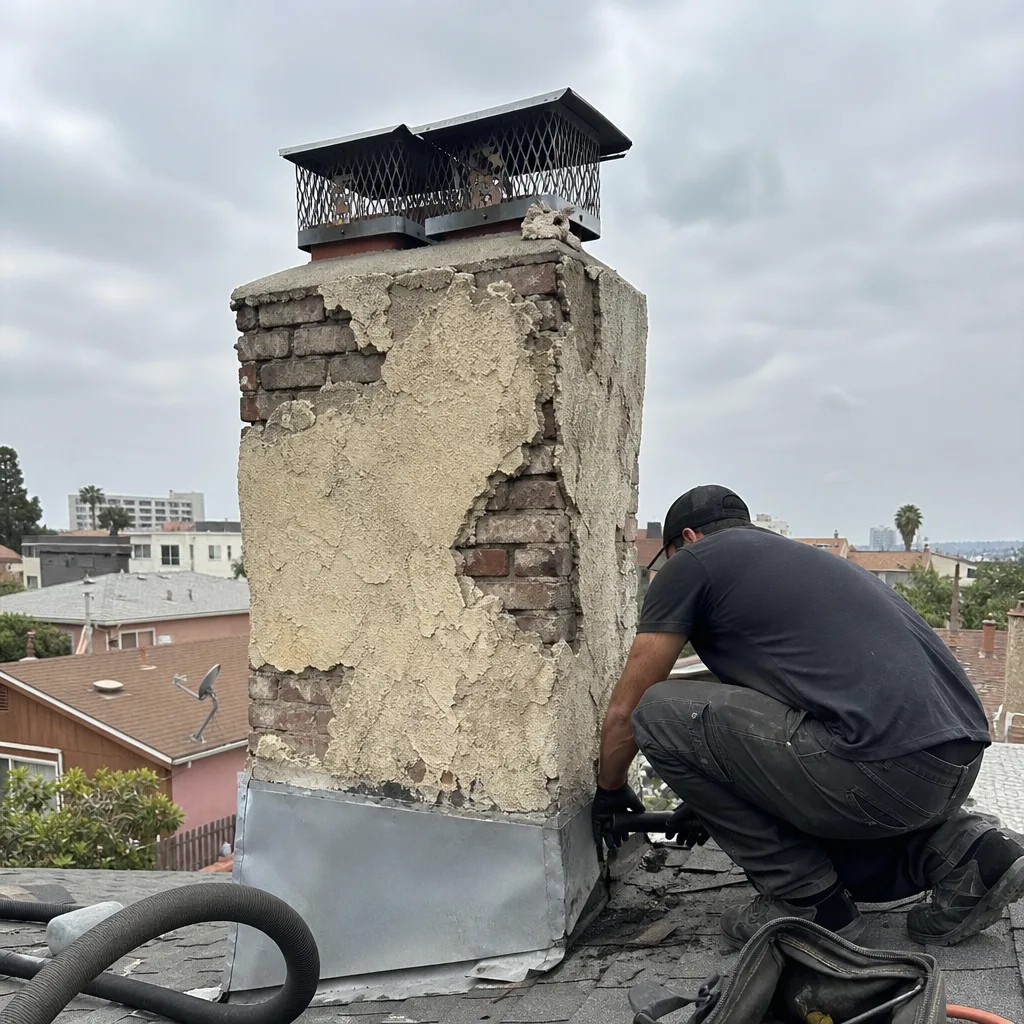 Before
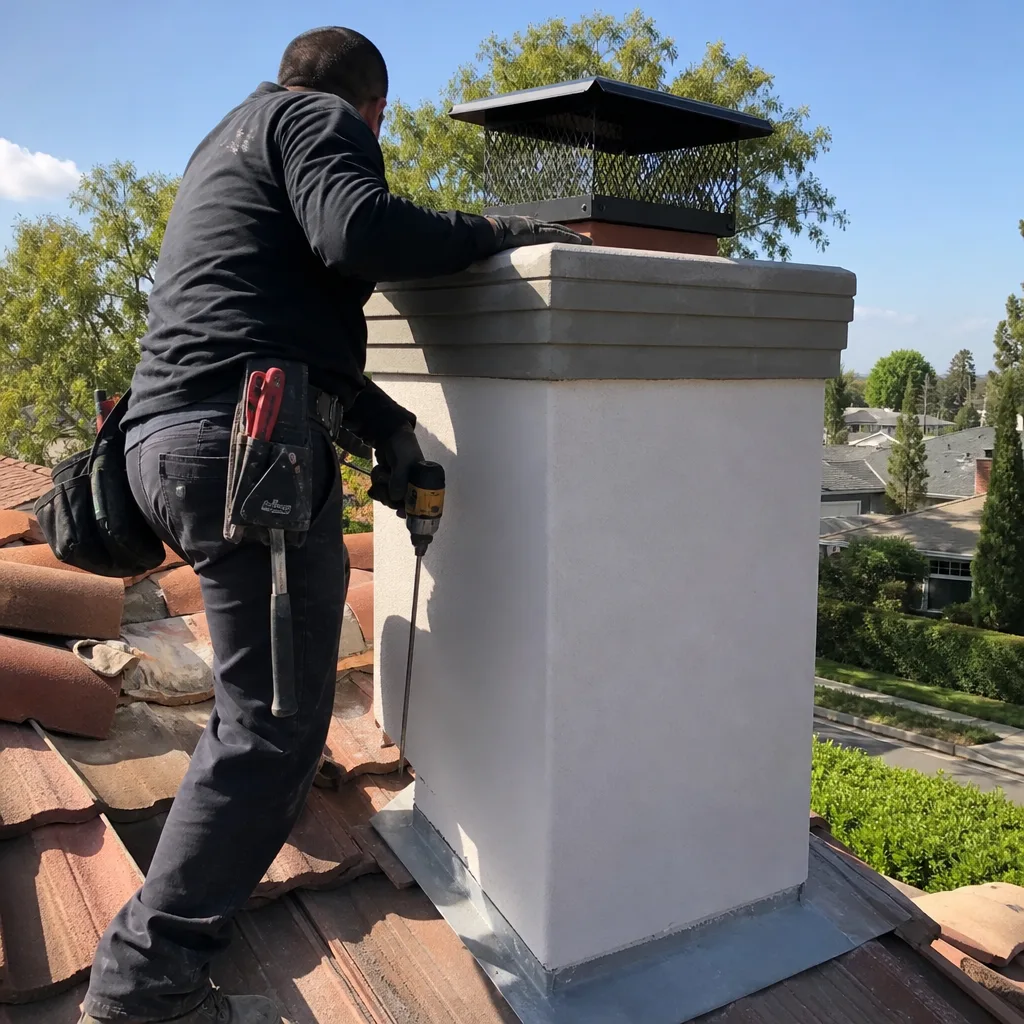 After
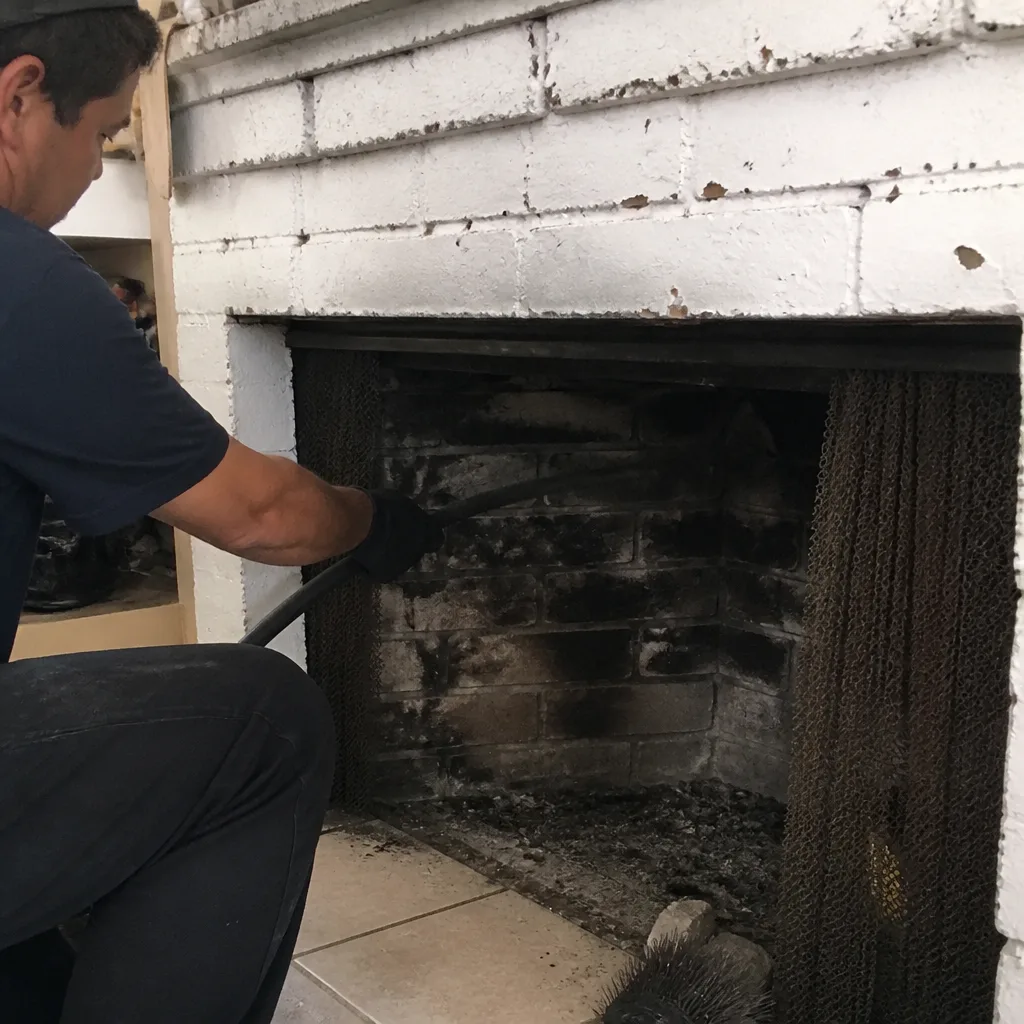 Before
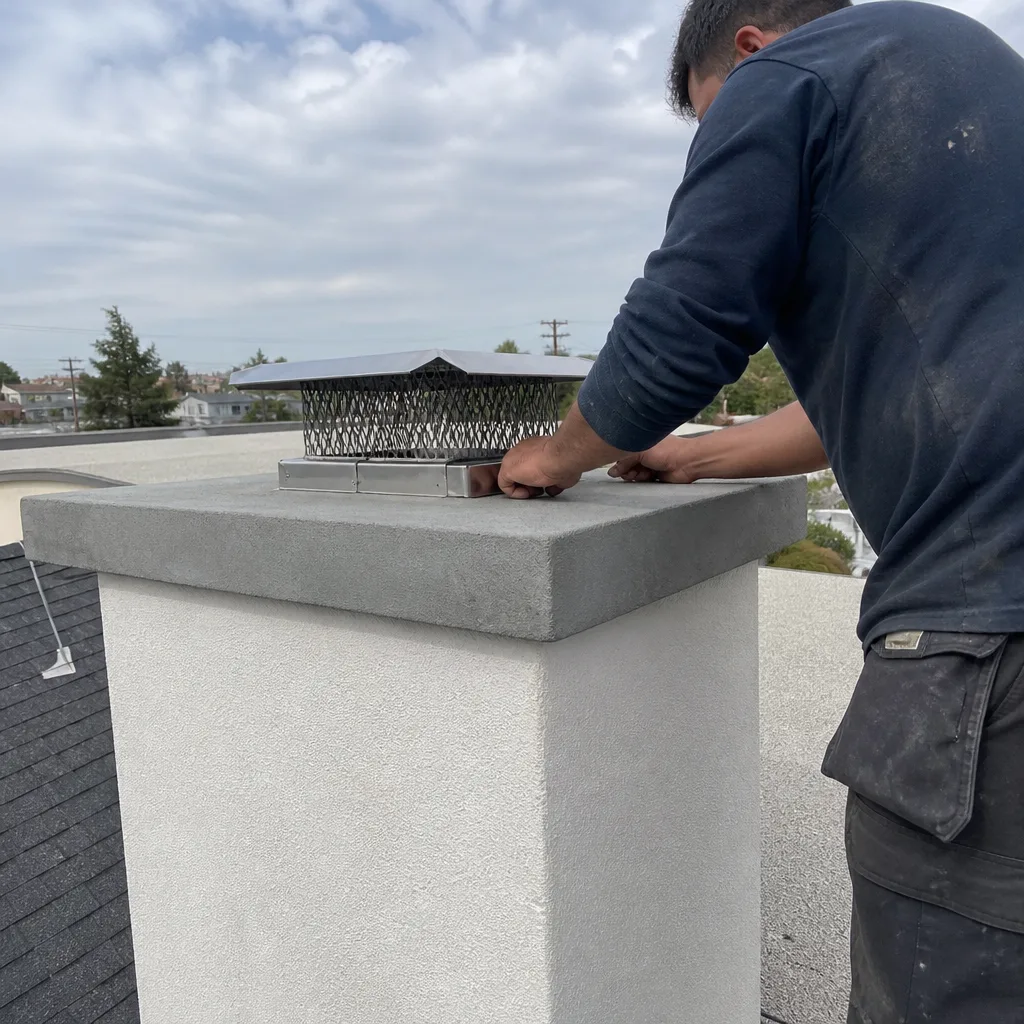 After
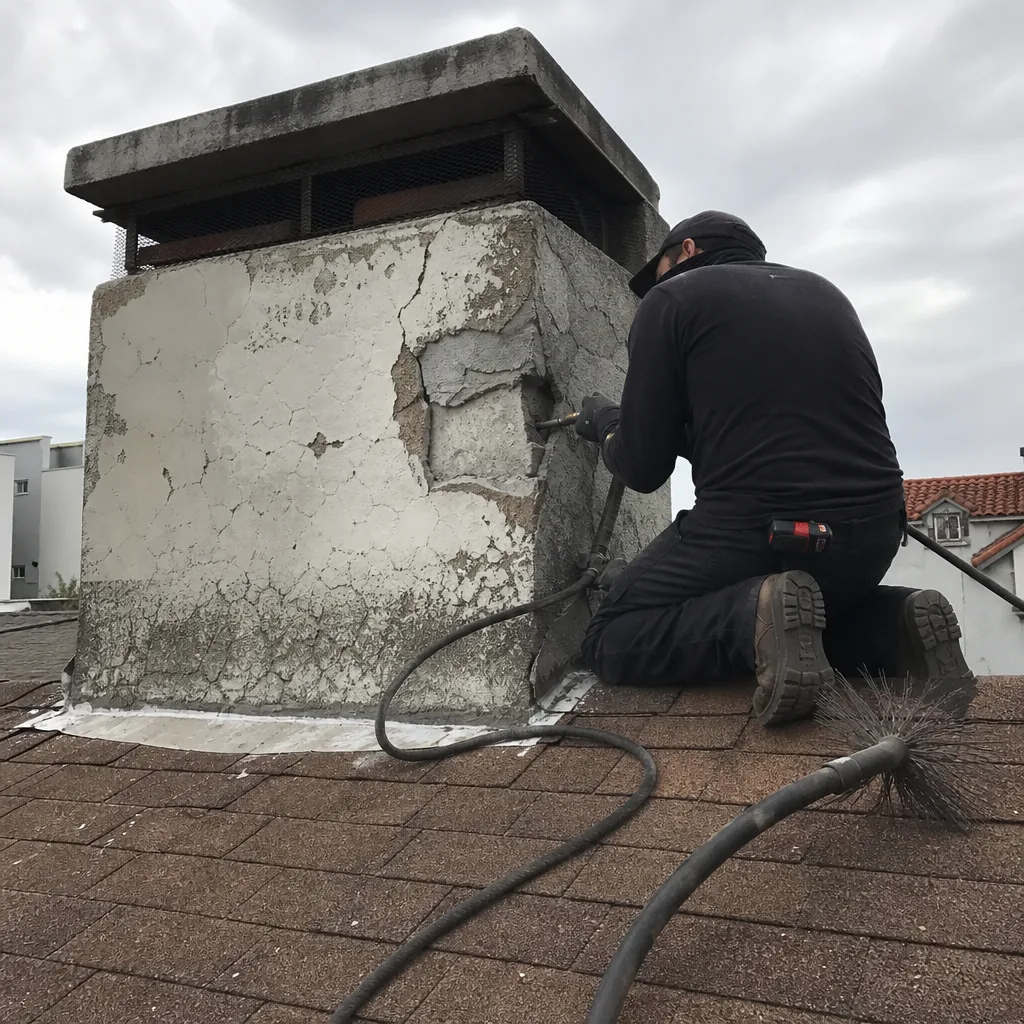 Before
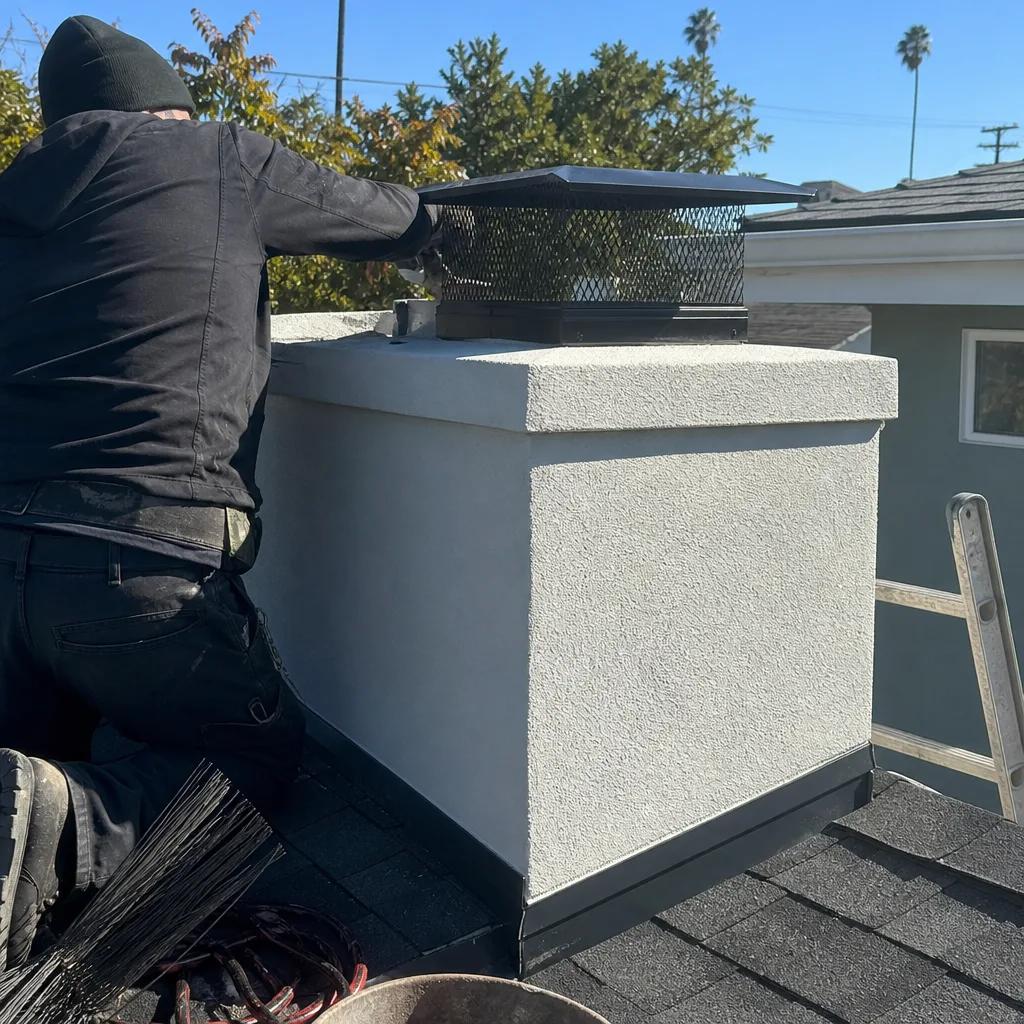 After