
Last updated October 30, 2026
 Sweep & inspection
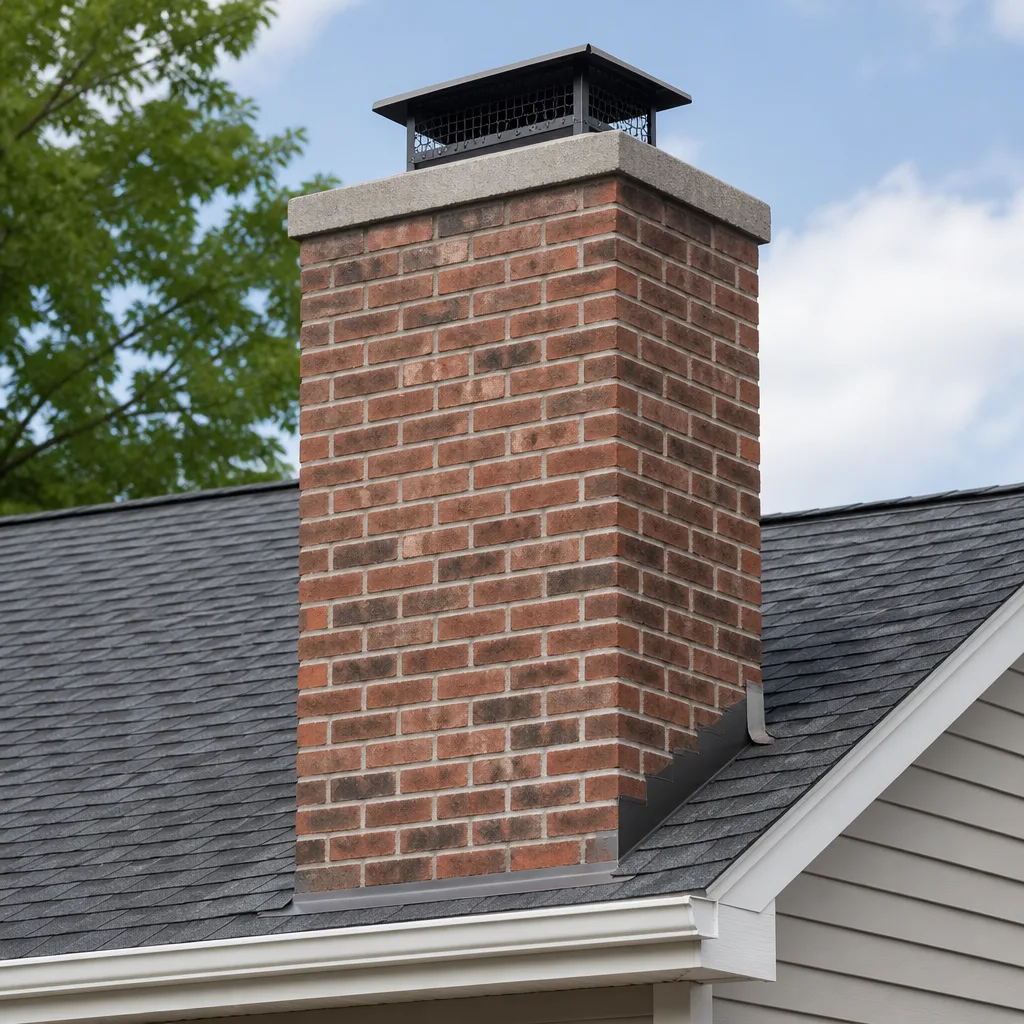
 Caps & crowns
 Flue relining
 Masonry repair
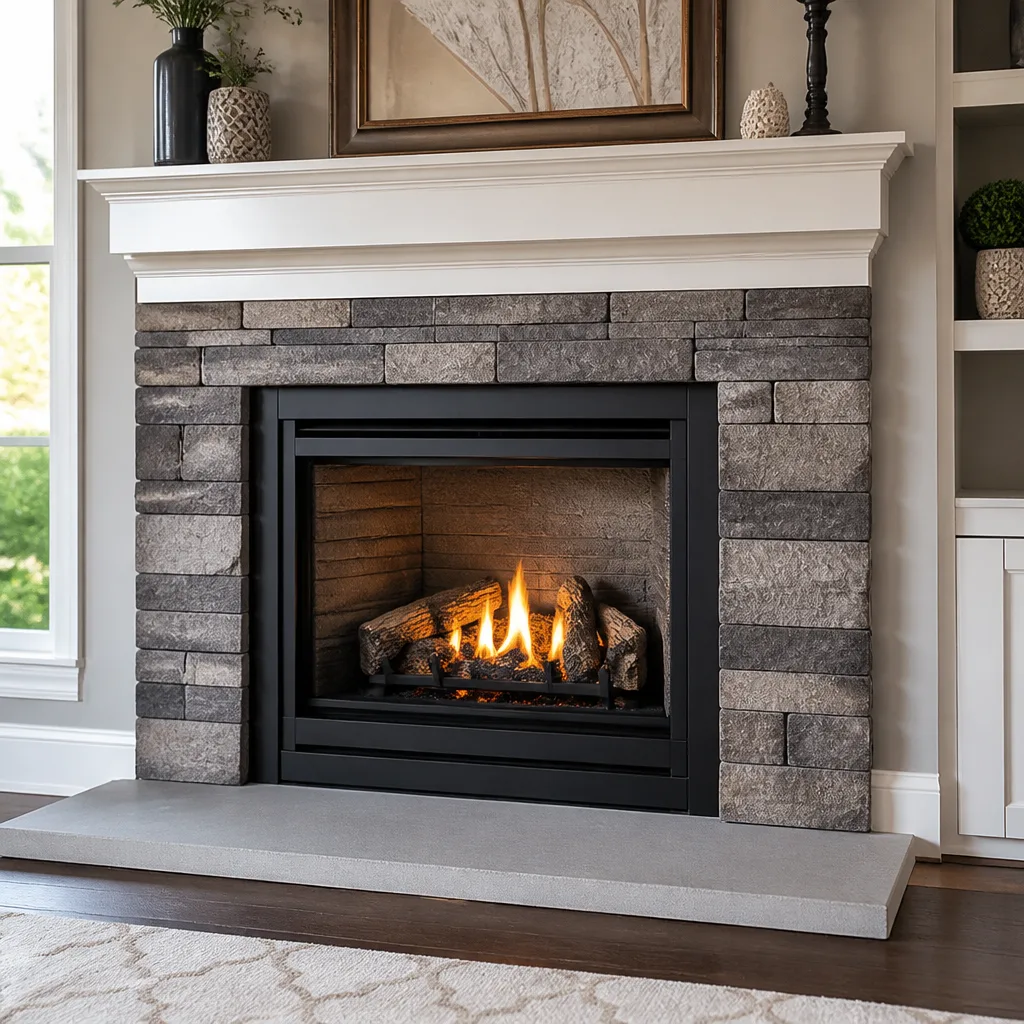 Gas fireplace service
Level 1 sweep and inspection to the NFPA 211 annual standard - flue, crown, cap, and flashing checked and photographed
Chimney sweep logs do not sweep chimneys. They loosen some creosote - which then falls where a brush and vacuum still have to collect it.
Chimney Sweep Maintenance Checklist for Koreatown Homeowners
Most chimney maintenance checklists assume a cold-climate burn cycle: fires all winter, spring cleaning, summer repairs, repeat. Koreatown doesn’t work that way. Here, a fireplace can sit untouched for two years, get lit four times in December, and go dormant again. That intermittent use pattern creates a specific set of hazards: pest intrusion in an unused flue, moisture damage that happens slowly and unseen, and mortar cracks from seismic activity that nobody notices because nobody’s looking. This guide covers a checklist calibrated to how Koreatown homes actually use their fireplaces, not how a Vermont cabin does.
Styles & brands we work with
Quick Answer
A chimney maintenance checklist for Koreatown homeowners should include a pre-season visual inspection of the damper, cap, and crown; a check for animal intrusion and spider-web obstructions (common in low-use flues); a mortar joint inspection for earthquake-related micro-cracks; a smoke-color reference when the fireplace is lit; and post-use ash disposal following LA County fire code. Even if you burn only a handful of times each year, schedule a professional sweep and inspection at least once every two years, because the hazards in a low-use chimney tend to be hidden, not visible.
Table of Contents
- Pre-Season Cold Start: What to Check Before the First Fire
- Animal Intrusion and Web Obstructions: The Low-Use Problem
- Documenting Damper, Cap, and Crown: Photo Baseline Protocol
- Mortar Joint Inspection for Earthquake-Prone Koreatown
- Smoke Color Reference: What Clear-Burning Looks Like
- Post-Use Checklist: Ash Disposal and Cold-Cleaning Under LA County Code
- Annual vs. Biennial: How Often Does Koreatown Really Need a Sweep?
- Common Mistakes to Avoid
- When to Call a Professional
- Frequently Asked Questions
- The Bottom Line
Key Takeaways
- Koreatown’s low-burn pattern means the biggest risks are hidden: pest intrusion, moisture seepage, and seismic micro-cracks, not creosote buildup from heavy use.
- Always take dated photos of your damper, cap, and crown before making any service call. A visual baseline protects you if damage is disputed.
- If smoke looks yellow, gray-brown, or dark and lazy instead of pale and rising steadily, stop burning and have the flue inspected.
- Ash must go in a metal container with a tight lid, never in a paper bag or plastic bin, and sits outside for at least seven days before disposal under LA County fire safety guidance.
- A biennial professional sweep is the baseline for low-use fireplaces. One sweep every two years catches what silence hides.
Pre-Season Cold Start: What to Check Before the First Fire
Before you strike a match in a fireplace that’s been idle since the last time the Rams made a run, run through a five-minute pre-season check. It catches the most serious issues before they become expensive or dangerous.
- Look up the flue with a flashlight. You should see a dark, vertical channel. If you see nesting material, a pile of twigs, or a dense web blocking the opening, do not light a fire. Birds, squirrels, and rats in Koreatown’s older residential blocks regularly build in unused flues.
- Open and close the damper fully. It should move freely and stay in position. A damper that’s rusted open lets conditioned air escape all summer. A damper that’s stuck closed sends smoke into the living room. Neither is a good look.
- Check for debris on the smoke shelf. The smoke shelf is the flat area just above the damper. Shine your light at it. If you see accumulated soot, crumbling mortar, or dead insects, it’s a sign the chimney hasn’t been properly cleaned in a while.
- Sniff for mustiness. A damp, musty odor from the firebox usually means moisture is entering through a failed cap or cracked crown. In Koreatown’s dry climate, water damage is slow, but it doesn’t stop. It creeps downward through the masonry over months and years.
- Check the hearth and firebox floor for fallen debris. Look for flakes of brick, mortar dust, or pieces of tile. This can indicate spalling, a condition where moisture inside the masonry causes the surface to flake and crumble.
If anything on this list looks off, call a professional before the first burn. A clean, inspected chimney is the difference between a pleasant fire and a call to the fire department. If you’d rather skip the flashlight routine, our Chimney Sweep in Koreatown service includes a full pre-season inspection with every cleaning.
Animal Intrusion and Web Obstructions: The Low-Use Problem
A fireplace that doesn’t get used is, from an animal’s perspective, a very nice cave. Raccoons, squirrels, birds, and wasps all exploit the same quality you value: silence. In Koreatown’s dense, older neighborhoods, where buildings are packed close and mature trees hang over rooftops, chimney wildlife intrusion is a year-round issue, not a seasonal one. A capped chimney is largely immune. An uncapped or damaged cap is an open door.
Spider webs are more than a nuisance. A dense orb-weaver web inside a flue is a legitimate combustion concern. The silk itself is highly flammable, but the bigger issue is that a web acts as a net catching other debris: dust, leaves, insect casings, and small twigs. Over time, this forms a plug that reduces draft and can send smoke back into the room when you finally light a fire. In our work across Koreatown, we’ve removed web plugs that reduced flue airflow by more than half.
Signs of animal intrusion:
- Twigs, grass, or fabric visible in the flue opening from inside the firebox
- Scratching, scurrying, or chirping sounds coming from the chimney, especially at dawn or dusk
- Droppings on the smoke shelf or hearth
- Unexplained odors from the fireplace even when it hasn’t been used
- A sudden influx of flies inside the house near the fireplace (often from a dead animal in the flue)
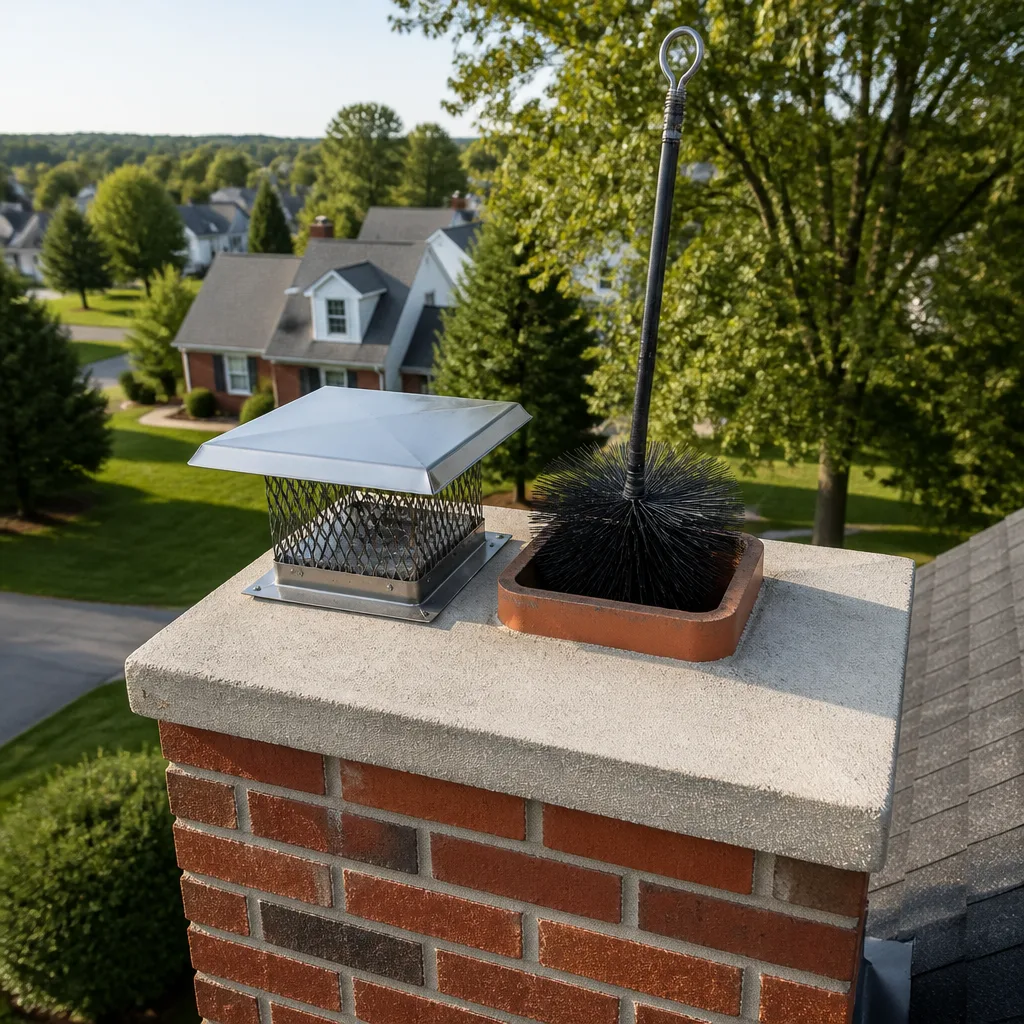
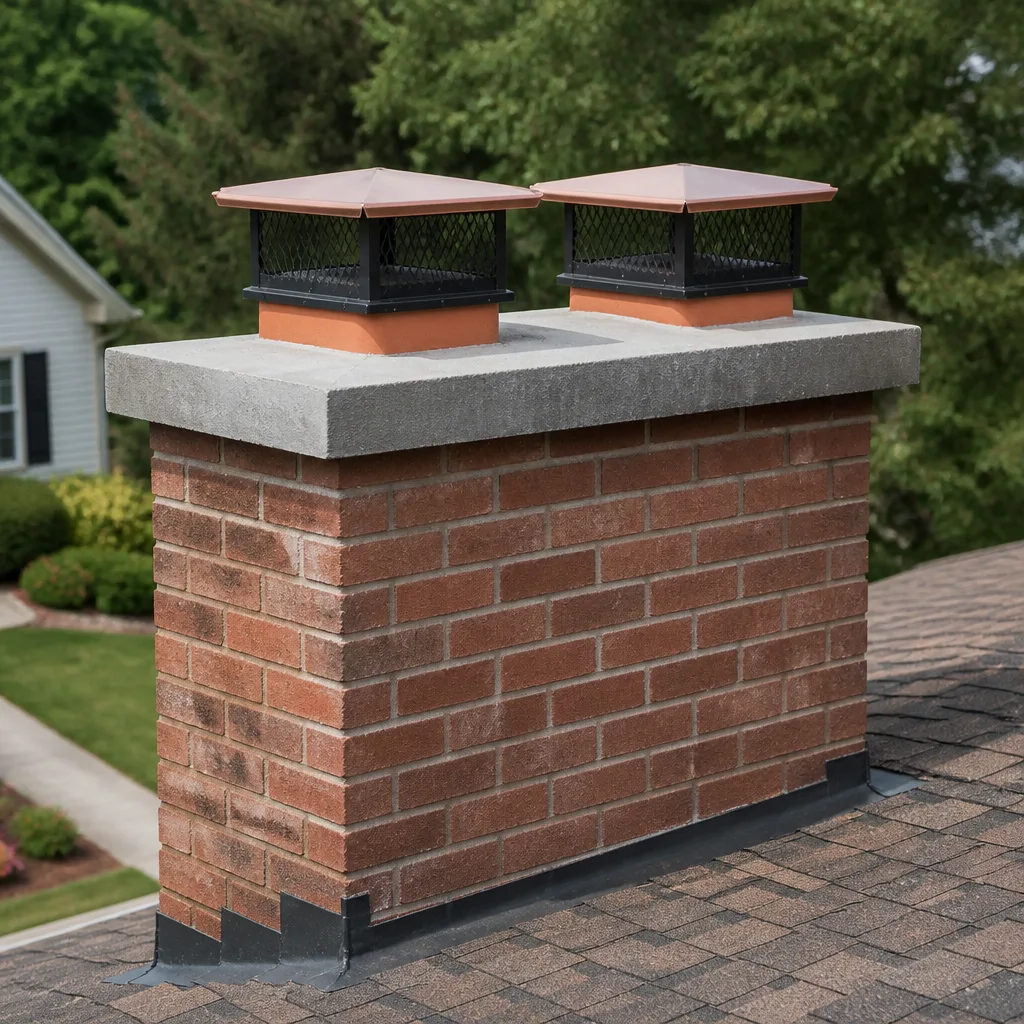
If you suspect an animal is in the chimney, do not smoke it out by lighting a fire. You’ll either kill it or cause it to panic and enter the living space. Instead, leave the damper closed and call a professional to inspect and remove the problem. We handle wildlife exclusion as part of our standard Chimney Repair in Koreatown service, including installation of proper caps that keep animals out without disrupting draft. The solution we install most often is a Gelco cap with a stainless steel mesh screen, sized to the specific flue dimensions. It stops animals, but doesn’t choke airflow.
Documenting Damper, Cap, and Crown: Photo Baseline Protocol
Here’s a step you’ll rarely find on a standard chimney maintenance checklist, and it’s one of the most valuable things you can do as a homeowner in Koreatown or anywhere else: photograph your chimney’s critical components before you call any contractor. Not after, before.
Why? Because if a sweep or mason points to a crack in your crown and says it needs a $3,000 repair, you deserve to know whether that crack was there last month. Without a dated photo baseline, you’re relying on someone else’s word. With one, you have evidence. This is the same principle as taking photos of a rental before you move in.
Here’s the protocol:
- Get on the roof, or hire someone who can. Safely. Roof access in Koreatown’s older homes can be steep or awkward. If you’re not comfortable on a ladder or your roof has a pitch steeper than you expected, don’t push it. A drone works, or simply ask for help. Steep-roof work is genuinely dangerous and not worth a hospital visit.
- Photograph the crown first. The crown is the concrete slab that seals the top of the chimney structure. Standing at the roofline, take three shots: straight down, from one side, and from the front. Use your phone’s timestamp feature or save the photos to an album with the date.
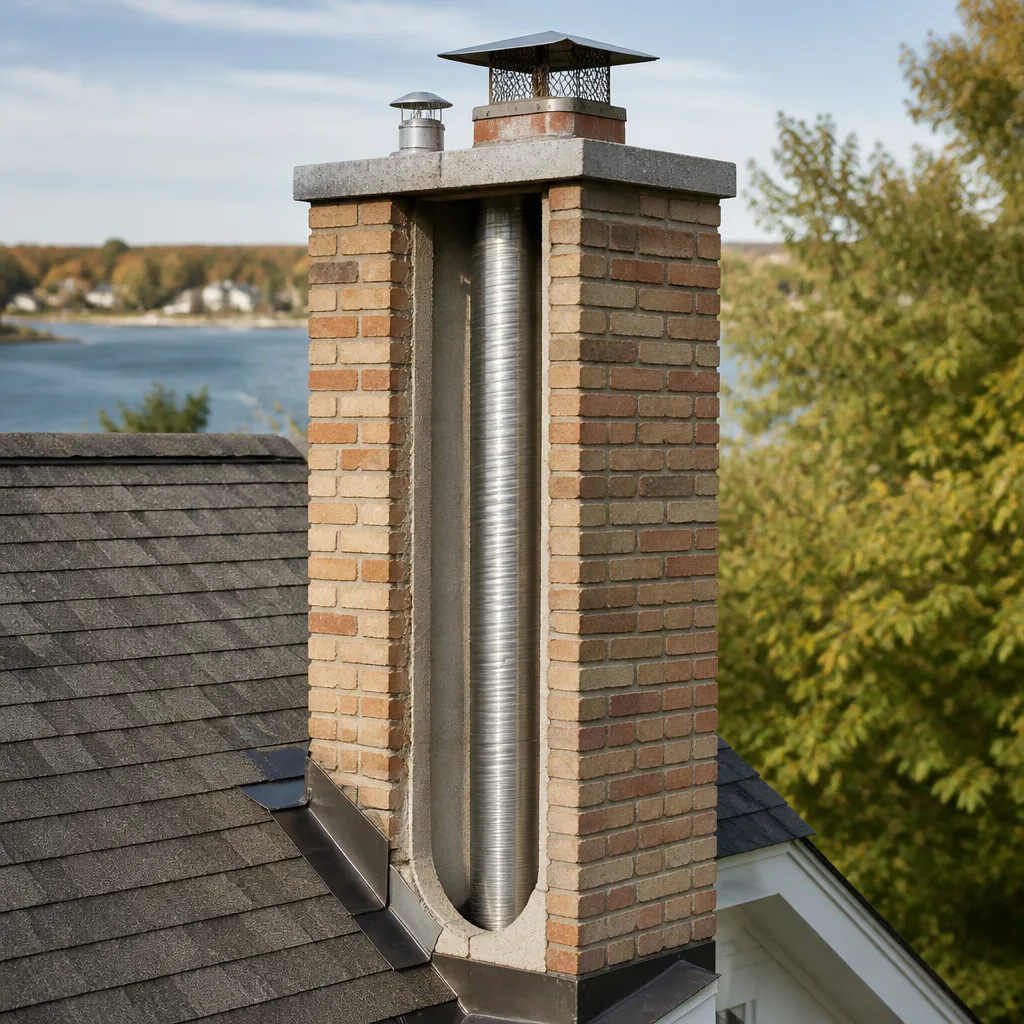
- Photograph the cap and flue tile. Zoom in on the metal cap, the mesh screen if present, and the top edge of the clay flue tile. Cracks in the flue tile are serious; they’re where heat and gas can escape into the home. A clean baseline photo shows whether damage is new or pre-existing.
- Photograph the damper from inside the firebox. Shine a flashlight through the damper opening and take a clear shot of the metal plate and its hinge mechanism. Rust and corrosion happen slowly; a baseline helps you track progression over time.
- Photograph the firebox walls and hearth. Cracks in the firebrick or crumbling mortar joints are documented. If you see changes in next year’s photos, you know it’s active degradation, not original condition.
- Store the photos in a folder called “Chimney” on your phone or cloud storage. That’s it. The whole process takes 15 minutes and costs nothing, but it protects you from disputes about when damage occurred. Every time we inspect a chimney in Koreatown and find damage, we photograph it and give the homeowner those photos, dated and annotated. It’s something any honest sweep can do.
When you call us for a professional inspection, we take our own photos with a camera system that reaches up into the flue. You’ll see exactly what we see. That’s how we operate; we tell you what we found, and show you. No vague warnings, no pressure. Just evidence.
Mortar Joint Inspection for Earthquake-Prone Koreatown
Koreatown sits in one of the most seismically active regions in the United States. Even minor quakes, the kind you register and forget about by lunch, put stress on every masonry structure in a home. Chimneys are especially vulnerable because they’re heavy, rigid, and cantilevered above the roofline. When the ground shakes, the chimney absorbs the motion differently than the rest of the house. The result is often hairline cracks in the mortar joints, the horizontal and vertical seams between bricks that hold the whole structure together.
These micro-cracks are easy to miss. They don’t appear overnight as a dramatic structural failure. They show up as faint, thin lines in the mortar, often less than a millimeter wide. But over time, they widen. Water enters, especially during LA’s occasional heavy rain events, and then the real trouble starts: freeze-thaw cycles, slow expansion of the cracks, spalling brick faces, and eventually enough structural weakness that a chimney becomes unstable in a larger seismic event.
How to inspect your own mortar joints:
- Stand back from the chimney and look at it in good light. Early morning or late afternoon sun at a low angle makes cracks more visible. You’re looking for thin dark lines in the mortar that don’t match the rest of the joint.
- Scan the area where the chimney meets the roofline. This is a stress concentration point, and it’s where cracks most often appear first. Run your eyes around the full perimeter.
- Use binoculars from the ground if you don’t want to climb. A decent pair of 10x50s will show you hairline cracks at a roofline without you getting off the ground.
- Check the interior firebox for corresponding cracks. If you see cracks in the firebox brick that align with cracks on the exterior, the chimney has shifted, and that’s a structural call, not a cosmetic one.
- Note the crack locations, then check again in six months. If they’ve widened, you have active movement. If they’re identical, it may be old, stable settling.
For Koreatown homeowners, we recommend a professional mortar inspection any time you feel a quake that rattles the windows, even if it’s small. Micro-cracks from seismic activity are one of the most common findings in our Chimney Repair in Koreatown work, and catching them early means a simple repointing job rather than a partial rebuild. When we do repointing, we use proper mortar matched to the existing joint profile, not a generic mix that’ll fail again in five years.
Smoke Color Reference: What Clear-Burning Looks Like
When you finally light a fire in Koreatown’s cool season, you’ll see smoke. The question is whether it looks right. Most homeowners have no visual reference for clean-burning smoke versus warning-color smoke, because they simply don’t light enough fires to develop the eye for it. Here’s what to look for the handful of times a year you actually use the fireplace.
Pale, almost invisible smoke with a light gray tint is what you want. It should rise steadily from the chimney, thin and wispy, and it should be hard to see against a bright sky. If the fire is burning seasoned hardwood and the flue is drafting properly, this pale smoke is mostly water vapor and carbon dioxide. Your firebox air supply and flue size are in good balance.
White smoke that lingers and never seems to thin out often indicates wet or unseasoned wood. In Koreatown, firewood is sometimes sold from parking lots or by landscapers who don’t properly season it. Wet wood smolders rather than burns, producing steam-heavy smoke that doesn’t clear. It also produces significantly more creosote, which is why wood quality matters here even with low use.
Dark gray or black smoke billowing in thick clouds is a warning sign. It usually means creosote is burning inside the flue, the fire is starved for oxygen, or something is burning that shouldn’t be, like trash, painted wood, or manufactured lumber. If you see dark smoke, reduce the fire, open the damper fully, and let the flue cool. A dark smoke event is a sign to schedule an inspection before the next burn.
Yellow or amber-tinted smoke is a red flag for incomplete combustion. It can indicate a restricted air supply, a partially blocked flue, or a liner that’s no longer drafting effectively. If the smoke has a yellow tinge even with dry wood and a fully open damper, don’t keep burning. There’s a restriction somewhere in the system.
One more visual: on a cold evening, you’ll see a plume rise from the chimney and sometimes descend as it cools. That’s fine. It’s when the smoke is thick, colored, or lazy instead of rising that you need to pay attention. If you’re not sure, take a ten-second video and call us at (866) 253-3809. We can often identify what’s happening just from what you describe, and an actual inspection settles it.
Post-Use Checklist: Ash Disposal and Cold-Cleaning Under LA County Code
The fire’s out, the house is warm, and now you have a pile of ash in the firebox. What you do next matters more than most homeowners think. Improper ash disposal is a leading cause of house fires in urban areas, and Los Angeles County has specific guidance for how to handle ashes. Here’s the protocol we give every Koreatown homeowner.
Ash disposal rules that actually matter:
- Wait at least 72 hours before touching the ashes. Coals and embers can remain hot enough to ignite a fire for days after the visible flames are gone, especially buried under a layer of ash. In a cold fireplace, hot coals can smolder for a week.
- Use a metal container with a tight-fitting lid. Never use a cardboard box, paper bag, plastic bucket, or any combustible container. A galvanized steel ash bucket is the standard. It costs about $30 and will last for decades.
- Place the metal container outside, away from the house, the fence, and anything else combustible. Don’t set it on a wooden deck or against a wall. A concrete pad or bare dirt is ideal.
- Let the ashes sit in the container for at least 7 days before disposing of them. This is the widely accepted safe cooling period under LA County fire safety guidance. If the ashes are from a long, hot burn, 10 to 14 days is even safer.
- Dispose of cooled ashes in the regular trash, not in a garden or compost. Wood ash can be used in soil in small amounts, but soot from chimneys contains creosote and other combustion byproducts that don’t belong in your planting beds.
Cold-cleaning the firebox: after the ashes have cooled completely, usually 3 to 5 days after the fire, you can vacuum out the remaining fine ash. Use a vacuum with a HEPA filter, not a standard shop vacuum, because fine ash particles will blow straight through a standard filter and coat every surface in the room. Leave about a half-inch of ash on the firebox floor; it actually helps the next fire burn by insulating the coals. Scrub the firebox walls with a stiff brush if you notice thick soot buildup, but avoid using water, which soaks into brick and creates spalling over time.
A full cold-cleaning of the firebox and smoke shelf is properly done as part of a professional sweep. Our Chimney Sweep in Koreatown service includes a complete firebox cleaning and a written report of any damage found. It’s the part of chimney care most homeowners only do every couple of years, which is exactly right for a low-use fireplace.
Annual vs. Biennial: How Often Does Koreatown Really Need a Sweep?
The standard chimney industry line is that you should sweep your chimney every year. That’s sound advice for a home that burns wood regularly throughout a cold season. Koreatown, practically speaking, is not that home. The mild Southern California climate means most fireplaces get lit maybe six to ten times between Thanksgiving and the end of February, then sit unused for nine months. So the honest answer to “how often do I need a sweep?” is: it depends, but for most Koreatown homes, a professional sweep every two years is sufficient for creosote management, with annual self-checks in between.
That doesn’t mean you can ignore the chimney in the off years. Here’s the rhythm we recommend:
- Every year (fall): Do the pre-season cold start check described above. Flashlight, damper, sniff test, visual scan of the roofline. Ten minutes.
- Every two years: Schedule a full professional sweep and inspection. This removes light creosote deposits, clears any web or pest debris, and catches moisture or seismic damage before it becomes visible to the untrained eye.
- After any significant seismic event: Do the mortar joint check. If you see new cracks, call for an inspection even if it’s not on the biennial schedule.
- Before selling or buying a home: Always get a professional chimney inspection. In Koreatown’s competitive real estate market, many buyers waive inspection contingencies, and they sometimes live to regret it. A chimney in poor condition is a five-figure repair, not a few-hundred-dollar sweep.
The creosote math is different here than in cold climates. You’re not building up dangerous deposits at the rate of someone who burns three cords of wood each winter. But the non-creosote hazards, moisture intrusion, animal damage, seismic cracking, are if anything more common because the chimney sits dormant for so long. Time doesn’t just pass; it works on the structure. A biennial sweep is your mechanism for catching that work before it becomes expensive.
If you’re still on the fence, consider this: our inspection reports include photos and specific measurements, not just a vague “looks fine.” When a Koreatown homeowner skips a few years and calls us, we often find things that were probably visible two or three years ago, just nobody looked. You don’t know what you’re not seeing. That’s the whole point of the professional visit.
Common Mistakes to Avoid
- Lighting a fire after years of dormancy without any inspection. The first burn is the riskiest moment in a low-use chimney. If a blockage has formed, whether from animals, webs, or a collapsed flue tile, that first fire is when smoke, sparks, and carbon monoxide find the wrong exit.
- Using DIY chemical creosote logs as a substitute for a professional sweep. These products can loosen surface creosote, but they don’t remove it, and they don’t inspect anything. They create a false sense of security while leaving the underlying problems untouched.
- Closing the damper too soon after the fire dies down. Many Koreatown homeowners close the damper once the flames are gone to keep the cool evening air out. If there are still hot coals, you’re trapping carbon monoxide in the home. Wait until the fire is fully extinguished and the coals are white ash.
- Ignoring a small crack in the firebox because “we barely use it.” A crack doesn’t care how often you use the fireplace. It cares about heat expansion, moisture, and time. Small cracks become large cracks during the next seismic event or the next hard rain.
- Burning treated or painted wood in the fireplace. Construction lumber, painted trim, and plywood release toxic compounds when burned, including compounds that can damage the chimney liner. Stick to seasoned hardwood from a reputable source, or manufactured fire logs designed for residential fireplaces.
- Waiting until smoke comes into the living room to call a professional. Smoke backing into the home is a late-stage symptom. The chimney likely had a draft or blockage problem long before that. If you notice weaker draft, a strange odor, or a fire that’s harder to start than it used to be, call before it becomes a smoke event.
- Assuming the flue tile is fine because the outside of the chimney looks good. The outside of the chimney tells you almost nothing about the inside of the flue. A clay flue tile can be cracked, shifted, or partially collapsed while the exterior brick looks brand new. This is exactly why we use cameras on every inspection.
When to Call a Professional
Some things on a chimney maintenance checklist are DIY-friendly: visual inspections, photo documentation, ash disposal, smoke color observation, even basic firebox cleaning with the right vacuum. Other things are not. Here’s when to pick up the phone.
Call a professional if you see any cracking in the firebox that you didn’t notice before, if smoke backs into the room during use, if you smell a musty or animal odor from the fireplace, if you see dark staining on the ceiling or walls near the chimney, if you’ve just felt a significant earthquake and see new cracks in the masonry, or if it’s simply been more than two years since anyone professionally inspected the system. A professional sweep includes the inspection, and the inspection is where the real value is. Cleaning is just the entry point.
Imperial Chimney offers free estimates in Koreatown; call (866) 253-3809. We’ll inspect, photograph, and explain what we found in plain language. If the answer is “everything looks good,” we’ll tell you that too, and you can light your first fire of the season without worrying what you might be missing. Our full service includes sweep, repair, and dryer vent cleaning, which addresses the Dryer Vent Cleaning in Koreatown needs that often go hand-in-hand with chimney maintenance in older buildings.
Frequently Asked Questions
A standard chimney sweep and inspection in Koreatown typically costs between $180 and $340, depending on the size of the flue, the extent of buildup, and whether the roof access requires special equipment. If the sweep uncovers damage that needs repair, such as a cracked liner or failed cap, the repair cost is quoted separately after you’ve seen the photos. Call (866) 253-3809 for a free estimate; we give flat pricing before any work begins, not after.
Yes, you need an inspection even with minimal use, though you may be able to extend the sweeping interval to every two years. In a low-use Koreatown fireplace, the danger isn’t creosote volume; it’s the things that happen while the chimney sits idle: animal nesting, spider-web blockages, moisture seepage, and seismic micro-cracks. A biennial professional visit catches these before they cause a smoke event or a structural problem.
For most Southern California homes with occasional wood burning, a professional sweep every two years is sufficient, with a do-it-yourself visual check every fall before the first fire. Homes that burn more frequently, or that burn unseasoned wood, should stay on an annual schedule. The climate isn’t a free pass; it just shifts the risk profile from creosote to moisture and pests.
If you skip maintenance, the most likely outcome is a slow accumulation of small problems: a cracked crown lets water in, water causes spalling, spalling weakens the structure, and eventually you’re looking at a partial rebuild instead of a simple repointing job. In the worst case, a completely blocked flue can send carbon monoxide into the home during that one fire you light after two years of dormancy. The cost of prevention is a few hundred dollars every couple of years; the cost of neglect is measured in thousands.
You can remove loose soot from a low-use chimney with a do-it-yourself brush kit, but you cannot inspect the flue while you’re doing it, and you’ll miss the problems that matter: cracked flue tiles, failed mortar joints, and partial blockages above the damper. A professional sweep uses a camera system to see the entire flue length, something no retail brush kit provides. DIY brushing is a maintenance step, not an inspection substitute.
Koreatown falls under Los Angeles County fire code, which requires that chimneys be maintained in safe working order and that ashes be disposed of in a metal container with a tight-fitting lid. If you’re doing a major remodel that touches the fireplace or chimney, the work must be permitted and inspected. Routine cleaning and repair work from a professional service doesn’t require a separate permit, but it should always meet current safety standards for clearance, cap, and draft.
The Bottom Line
A chimney maintenance checklist for Koreatown homeowners has to be built around the reality of intermittent use, mild climate, and seismic activity. The biggest hazards aren’t creosote from heavy burning; they’re the quiet accumulations of time, animal intrusion, moisture, and micro-cracks from earthquakes that go unnoticed because nobody’s looking. The most useful thing you can do is establish a rhythm: a ten-minute visual check every fall, photo documentation of your chimney’s critical components, proper ash disposal after every burn, and a professional sweep and inspection every two years. If something looks off, call before you burn. Imperial Chimney is here when you need us, with a phone number that’s easy to remember: (866) 253-3809. Clean flue, safe home.
For more on what we do and how we work, start at our Imperial Chimney home page. If you’re concerned about a specific chimney issue, see our Chimney Repair in Koreatown page. And if you’re also thinking about the dryer vent, which is the other major fire hazard in a Koreatown household, read our Dryer Vent Cleaning in Koreatown page. We work with professional-grade materials like HeatShield for flue restoration and DuraFlex for liner replacement, the same products restoration contractors and fire-safety professionals specify. One company, start to finish.
Written by the team at Imperial Chimney, serving Koreatown since 2017.
See the difference
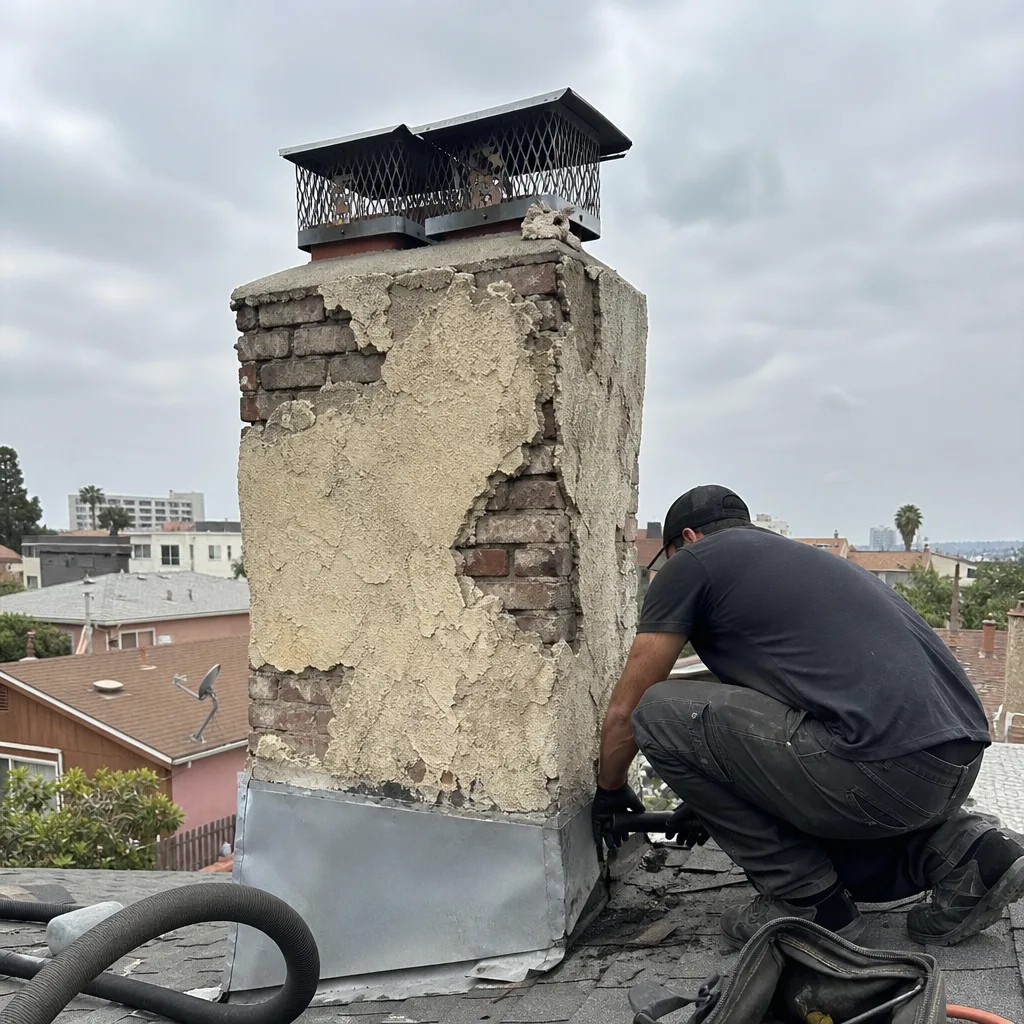 Before
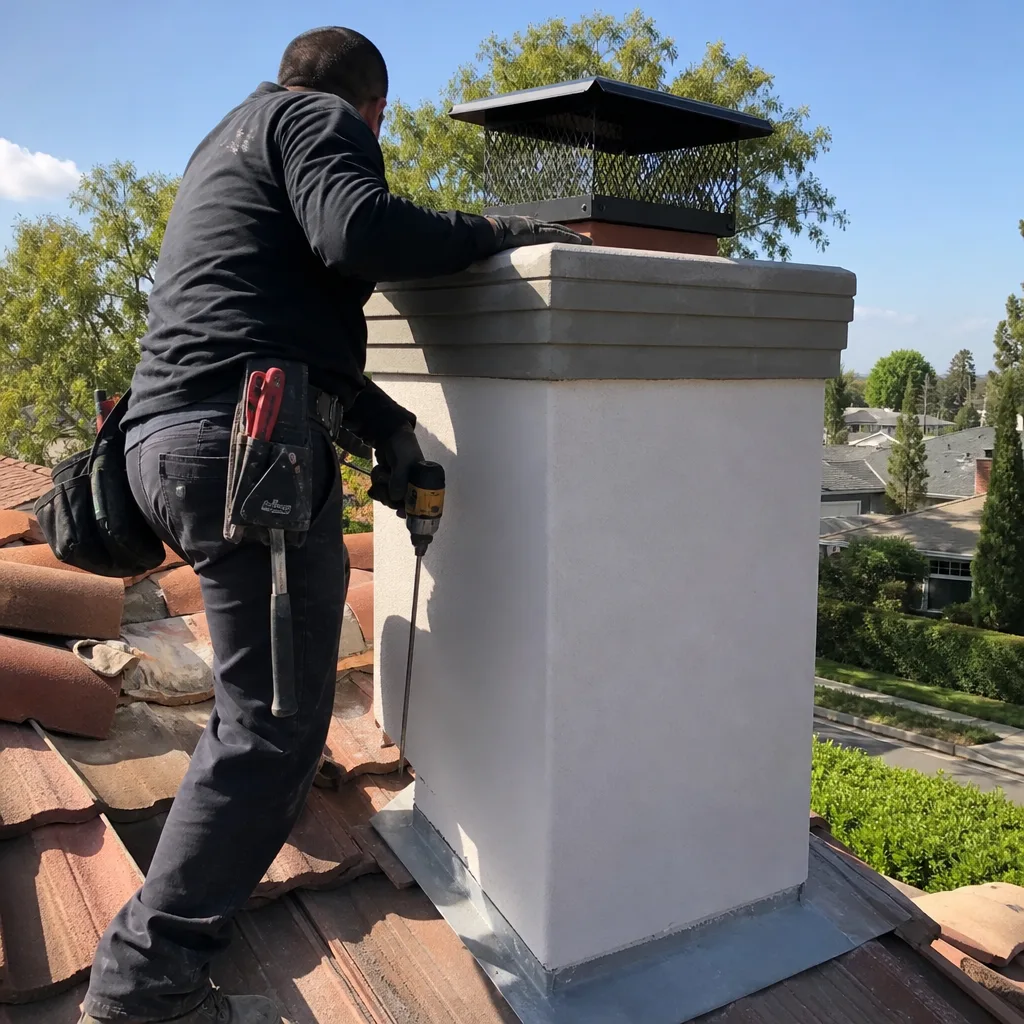 After
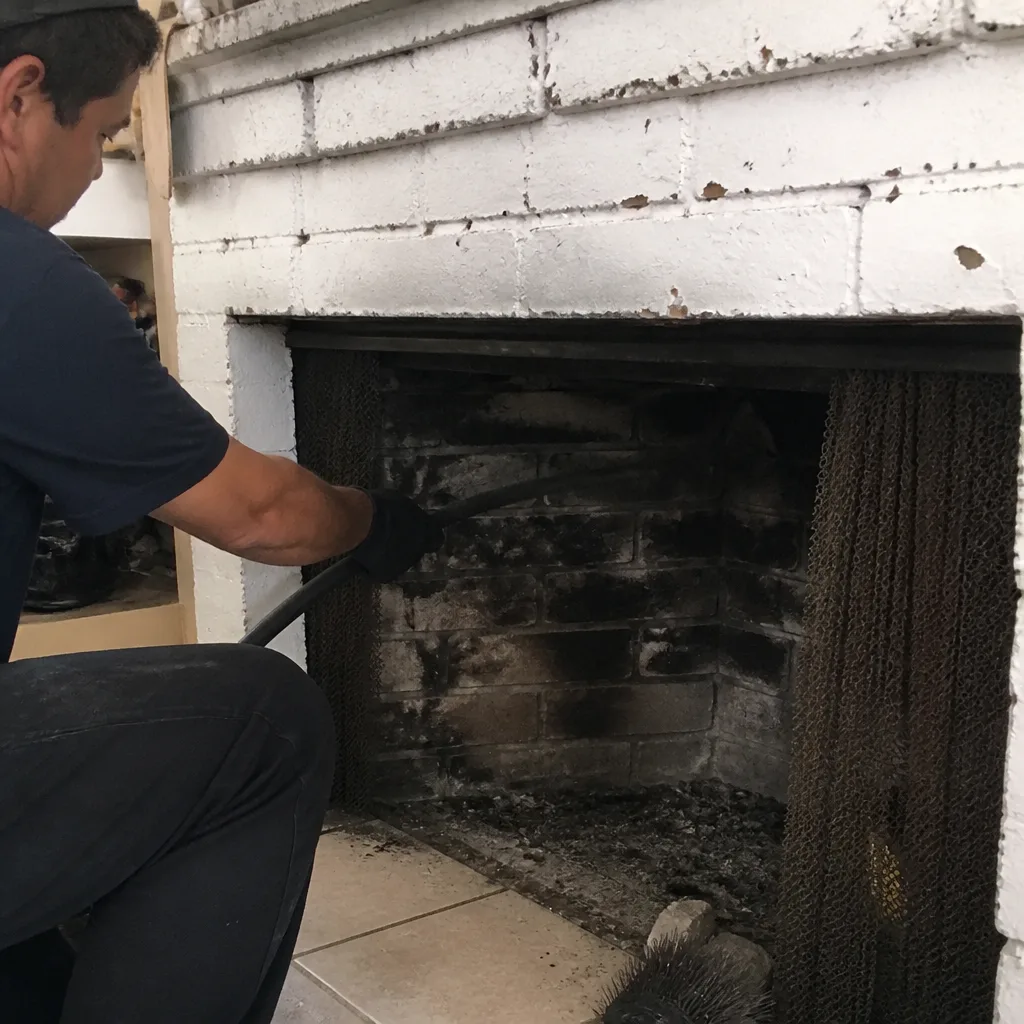 Before
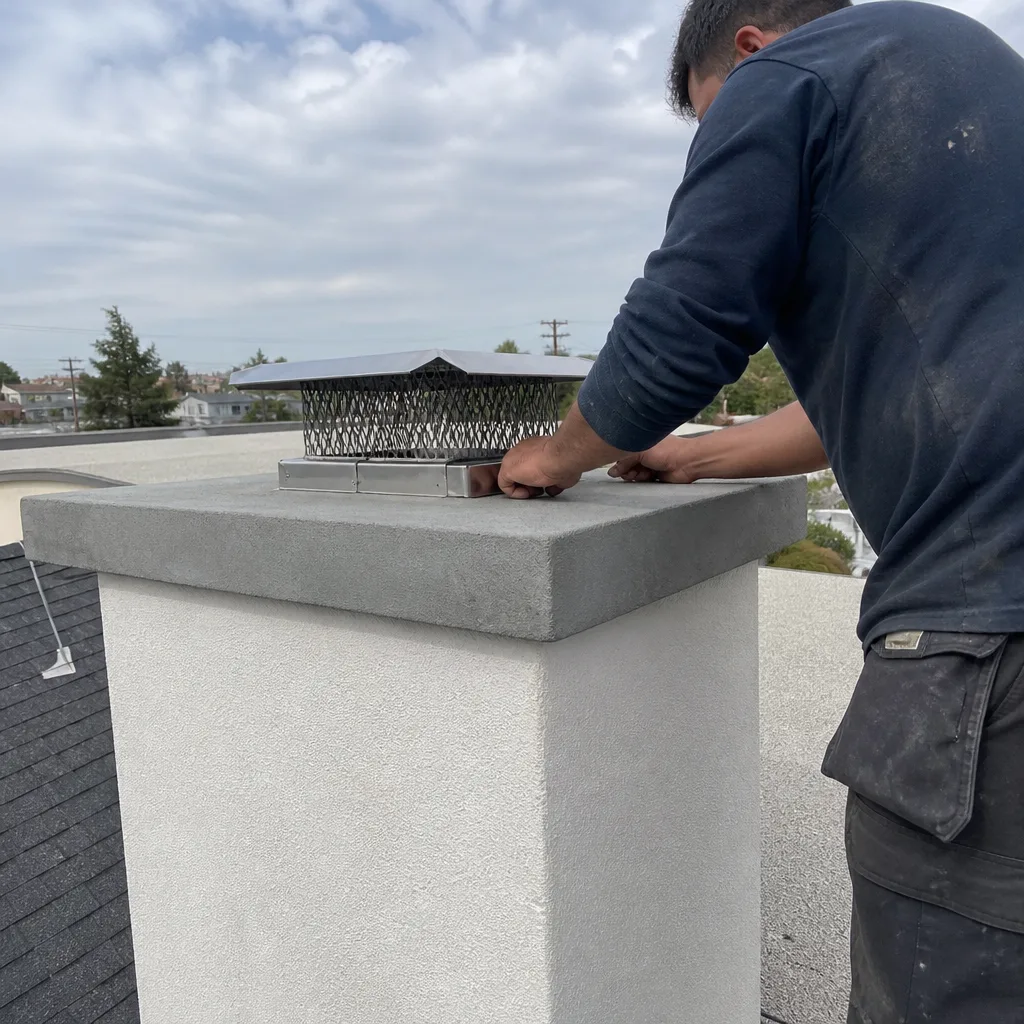 After
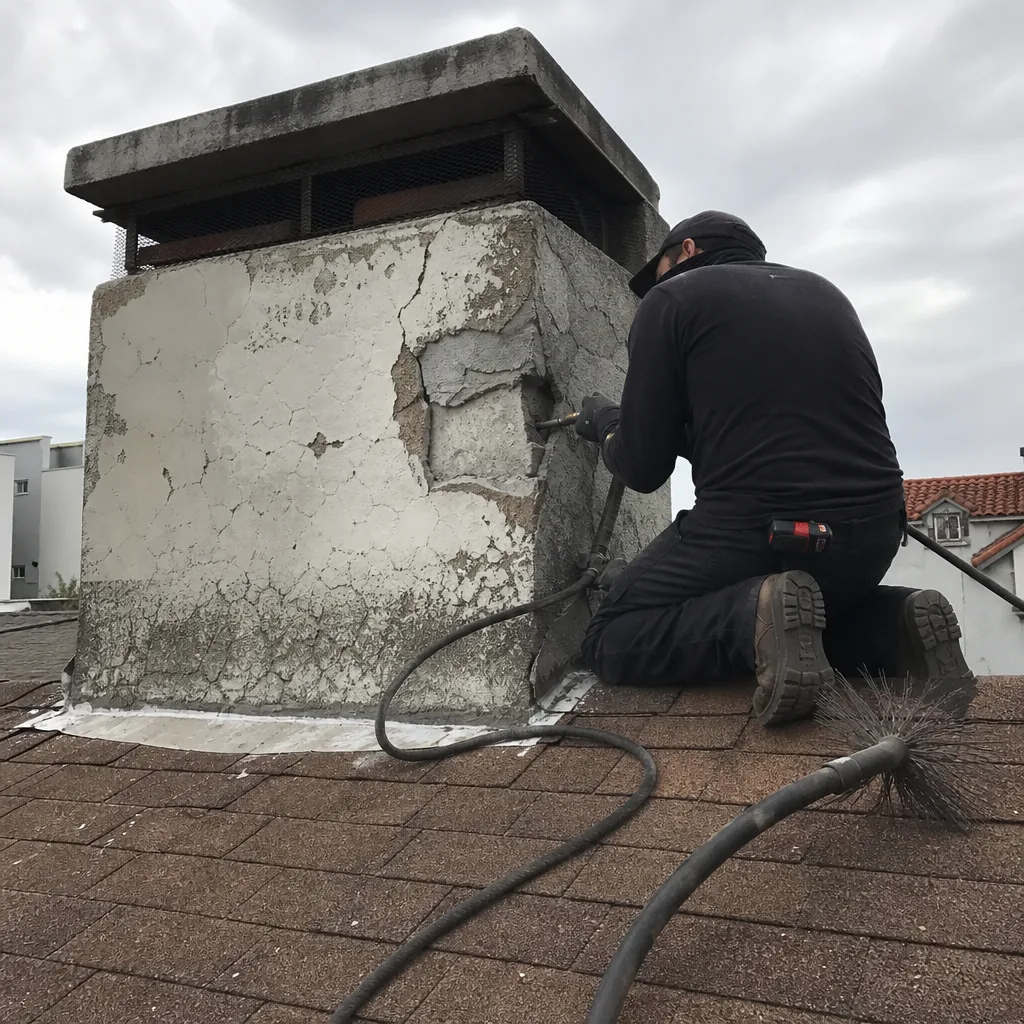 Before
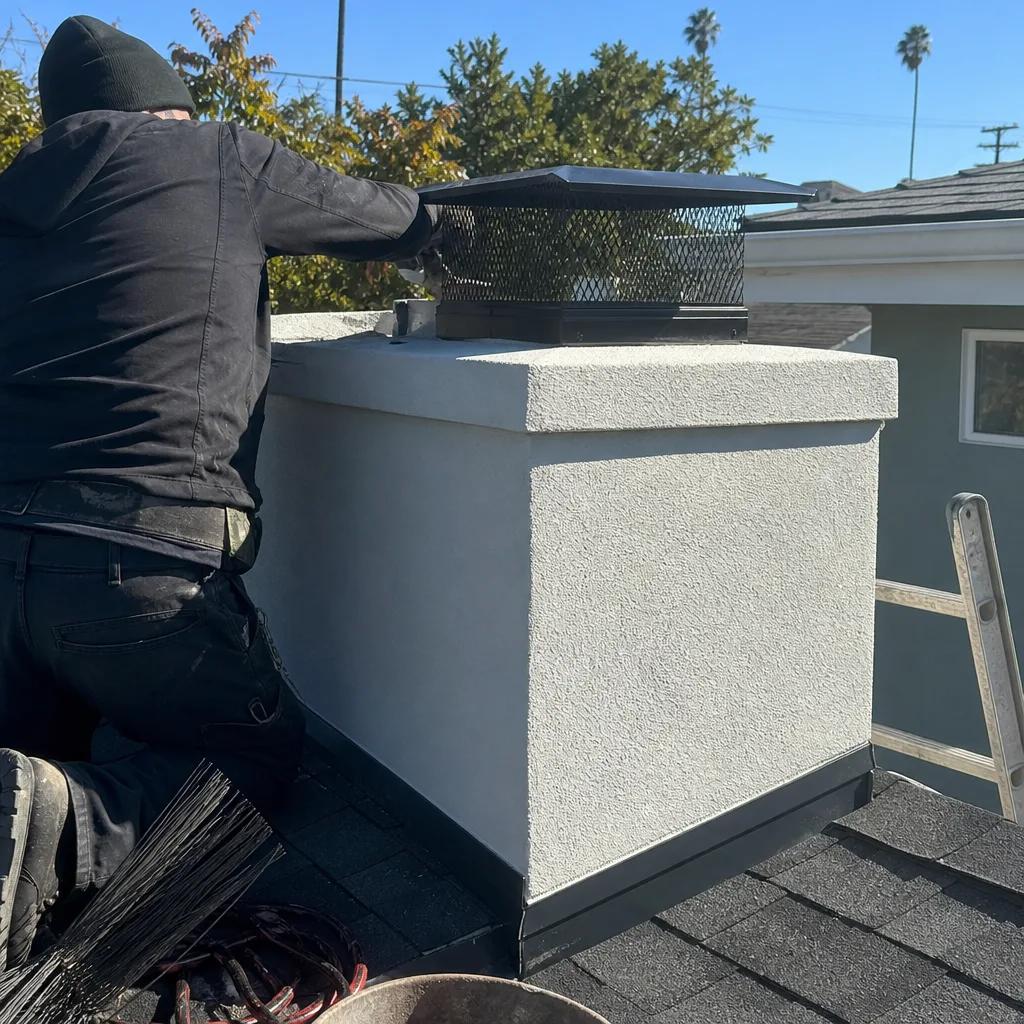 After