
Last updated October 30, 2026
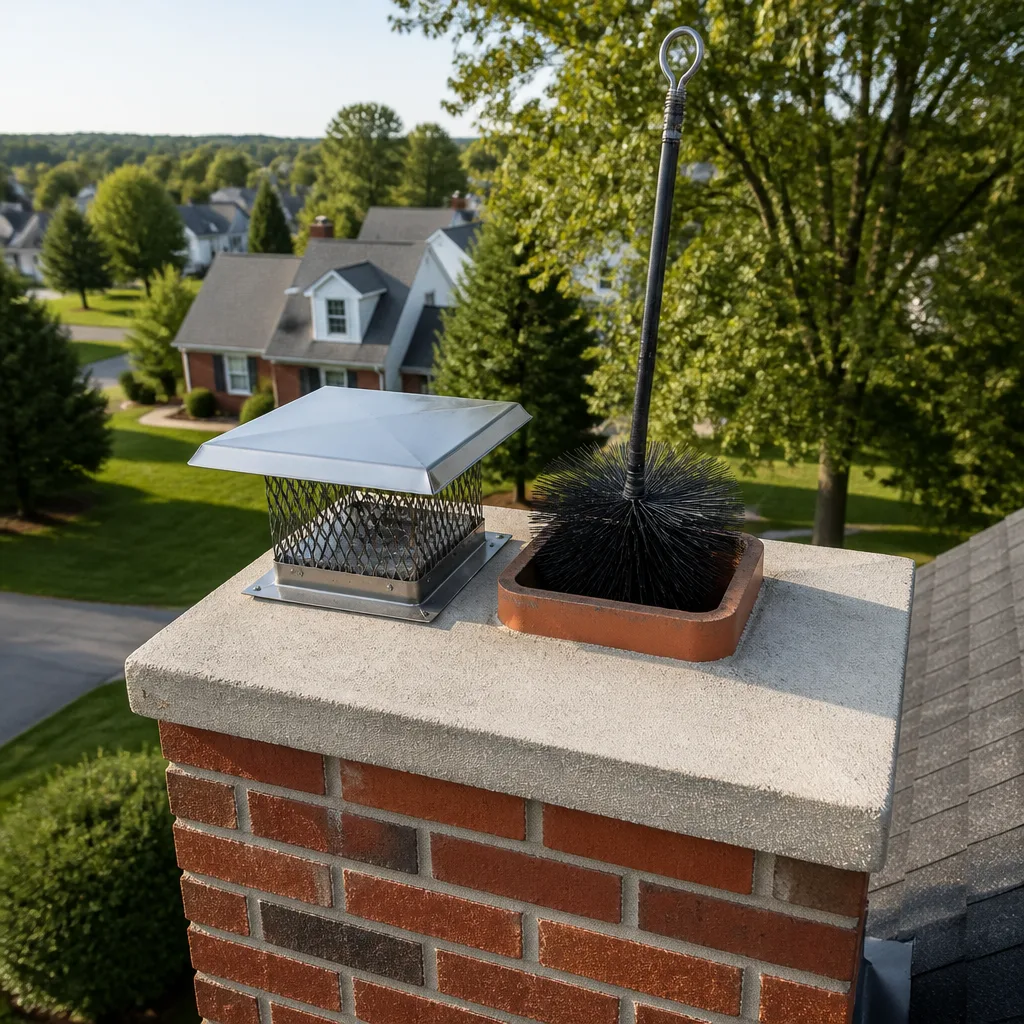 Sweep & inspection
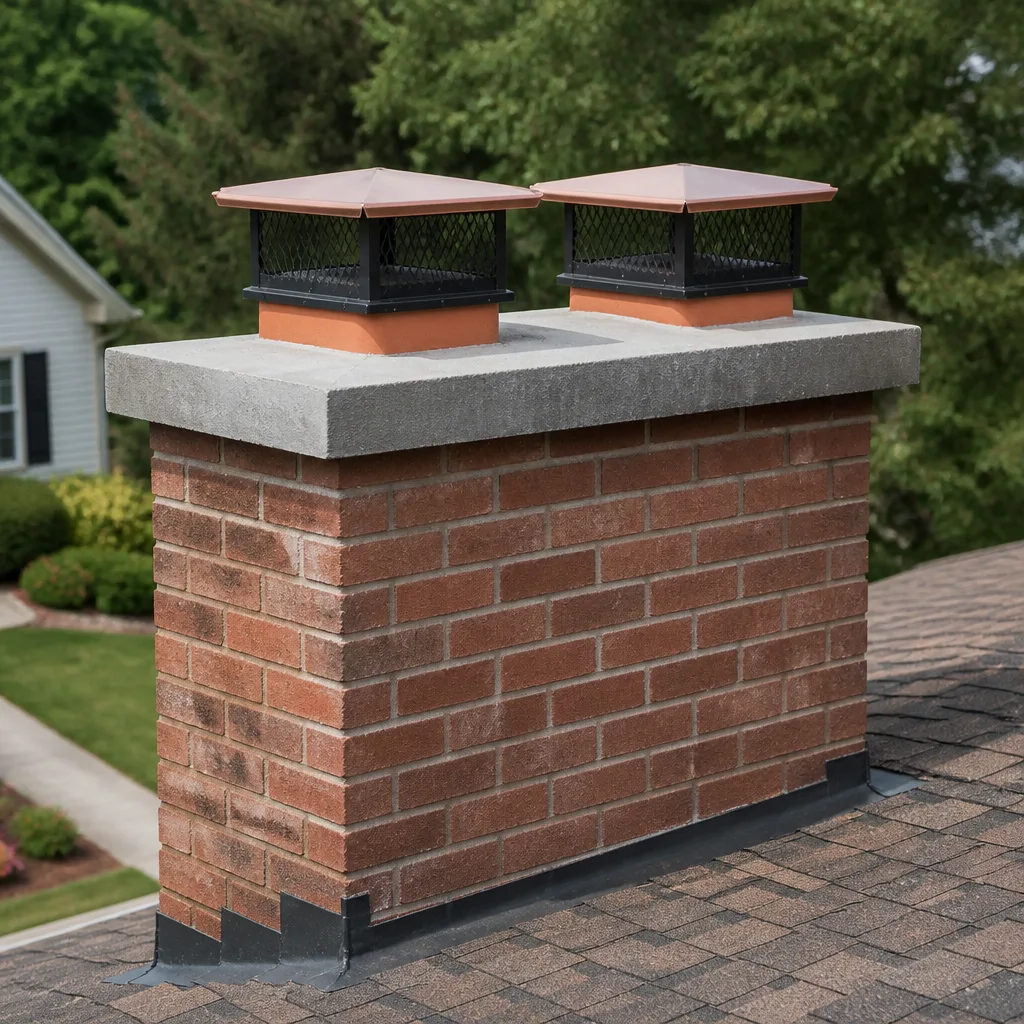 Caps & crowns
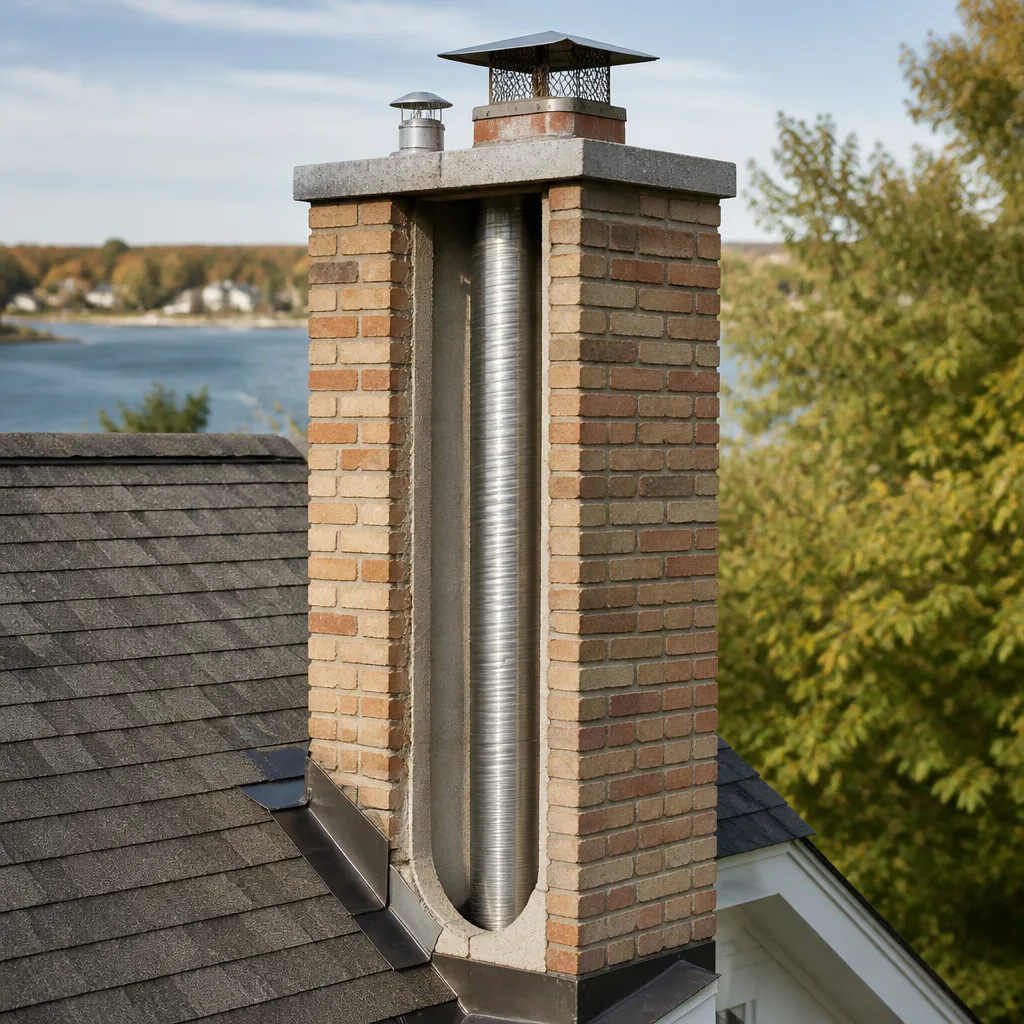 Flue relining
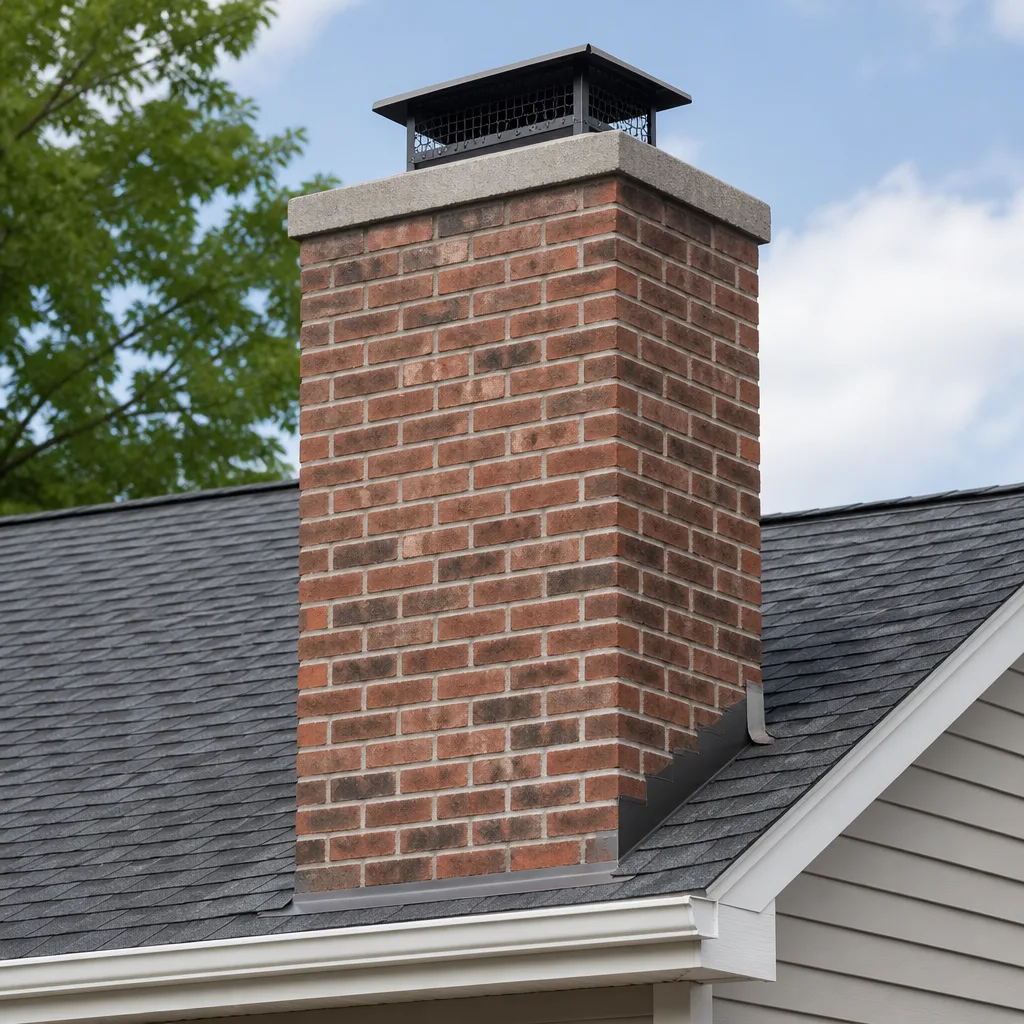 Masonry repair
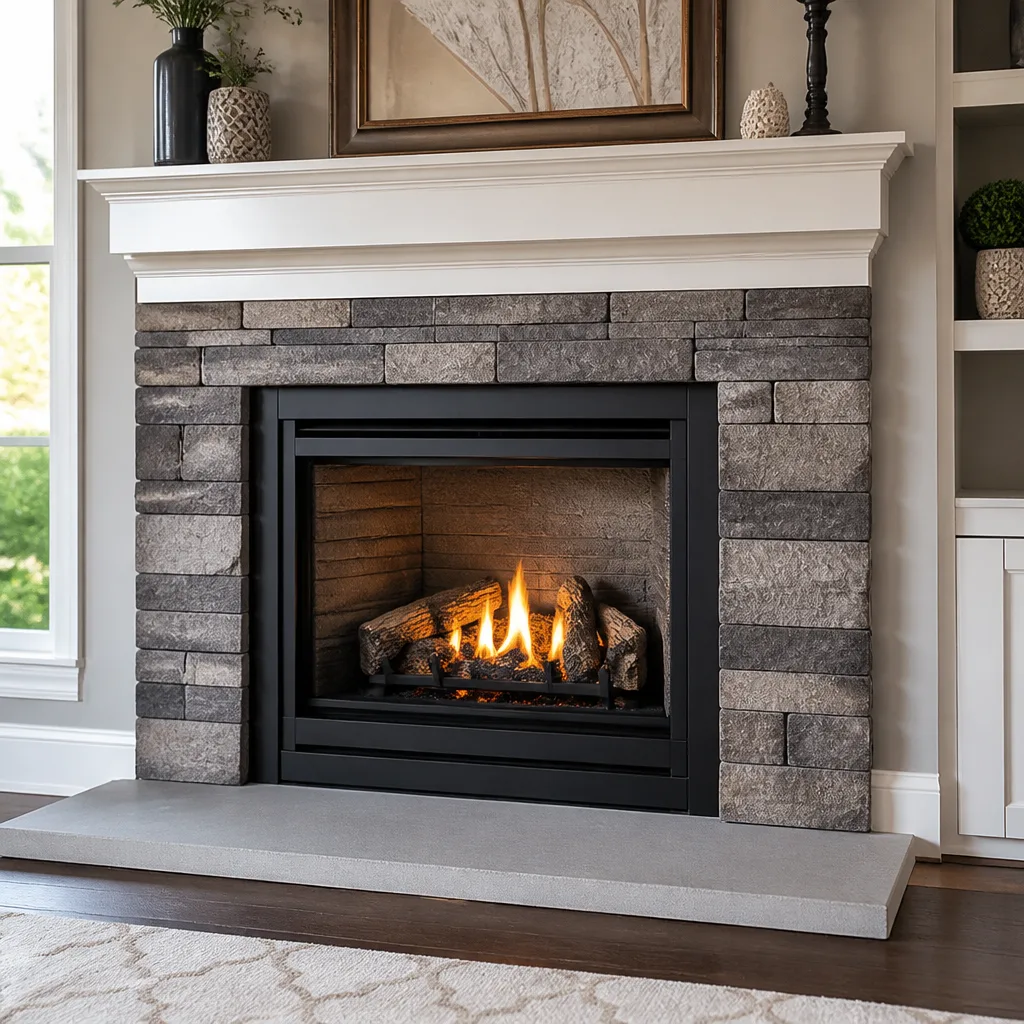 Gas fireplace service
Level 1 sweep and inspection to the NFPA 211 annual standard - flue, crown, cap, and flashing checked and photographed
Chimney sweep logs do not sweep chimneys. They loosen some creosote - which then falls where a brush and vacuum still have to collect it.
Chimney Sweep Troubleshooting: Common Problems and How to Fix Them
A fireplace that smokes into the room is not a draft problem. In most cases, it’s three separate problems that developed in sequence. The cracked crown let water in. The water deteriorated the flue liner. The flue restriction reduced draft. And all three appear to the homeowner as one symptom: smoke where it shouldn’t be. Fix only the visible issue and the other two bring you back to square one within a season.
This guide is different from the generic troubleshooting articles you’ll find elsewhere. We’re going to work backward from the symptom to the root cause, because that’s how a trained sweep actually diagnoses a chimney in Koreatown and everywhere else. By the time you finish reading, you’ll understand the causation chain behind every major chimney problem, what’s safe to address yourself, what absolutely is not, and when a camera inspection becomes non-negotiable. We’re Imperial Chimney, and this is what we see in the field.
Quick Answer
Most chimney problems fall into five categories: creosote buildup restricting draft, water intrusion from a damaged crown or cap, negative air pressure inside the home, damaged or deteriorating flue liners, and mechanical failures in the damper assembly. The fix for each is different, and chasing the wrong one wastes time and money. Start with a visual inspection of the firebox and damper, then look for water staining, and only then consider draft mechanics. If you can’t see the full flue or you smell something you can’t identify, stop and call us at (866) 253-3809 before using the fireplace again.
Styles & brands we work with
Table of Contents
- The Causation Chain: How a $40 Problem Becomes a $4,000 Problem
- Smoke in the Room: Three Causes With Completely Different Fixes
- Draft Problems: Creosote, Obstruction, or Negative Air Pressure?
- Chimney Odor Troubleshooting by Smell Type
- Water Intrusion: Crown Damage, Flashing Failures, and Liner Spalling
- Why DIY Chimney Cleaning Rods Solve Exactly One of Five Problems
- When to Stop Troubleshooting and Schedule a Level 2 Camera Inspection
- Common Mistakes to Avoid
- When to Call a Professional
- Frequently Asked Questions
The Causation Chain: How a $40 Problem Becomes a $4,000 Problem
Here’s the failure sequence we see most often in Koreatown’s older housing stock, particularly in homes built before 1980. It starts small and compounds silently.
A hairline crack opens in the chimney crown, the concrete slab that caps the masonry at the top. Cracks happen from freeze-thaw cycles, from settling, or simply from age. The repair at this stage costs under $200. But it’s invisible from the ground, and nobody looks up.
Water enters the crack. In Los Angeles, we don’t think of our climate as hard on chimneys the way the Northeast is, but that’s a misconception. Seasonal moisture, marine layer humidity, and the occasional heavy winter rain still put water into any masonry opening. Once inside, the water attacks two things: the mortar joints and the flue liner, especially clay tile liners common in mid-century Koreatown construction.
Clay tile liners are ceramic. When they get wet and then heated by a fire, the thermal shock causes spalling, where thin layers of the liner flake off from the inside. Those flakes fall into the flue and accumulate at the smoke shelf or the base of the chimney. The liner now has damaged surfaces that collect creosote faster and create turbulence in the flue gas stream. Draft weakens.
The homeowner notices smoke spilling into the room, often on windy days or when the fire is first lit.
Now here’s the critical insight: at this point, you have three distinct problems that look like one. A damaged crown (the entry point), a spalled liner (the structural damage), and a draft restriction (the visible symptom). Clean the flue and the smoke problem improves for a few fires, then returns. Patch the crown and the draft improves slightly, but the liner damage is already done. Replace the liner without addressing the crown, and the new liner fails prematurely. This is why we tell Koreatown homeowners that anything short of a full diagnosis is just buying time.
The causation chain applies to nearly every chimney issue. A missing rain cap lets rain and debris in. Debris creates a fire hazard and blocks airflow. Blocked airflow pushes smoke into the living space. Homeowners see the smoke. We see the missing cap. The fix is $80 for a Gelco cap, properly fitted. The chain matters because the first link is always the cheapest to repair.
When we built our Imperial Chimney home service approach around full-system inspection with every visit, this was the reason. We don’t treat symptoms. We find the first link in the chain and stop it there.
Smoke in the Room: Three Causes With Completely Different Fixes
Smoke entering the living space is the most common complaint we hear from Koreatown homeowners, and it’s the most frequently misdiagnosed. The cause is almost never “the chimney is dirty” as a standalone answer. Here are the three distinct failure modes.
- Flue restriction from creosote or debris. Creosote builds up over time, especially from burning unseasoned wood or running fires at low temperatures. The flue diameter shrinks from, say, 13 inches to 8 inches or less. Smoke can’t exit fast enough and spills backward into the room. The fix is mechanical sweeping by a professional. This is the one problem where cleaning actually solves the issue completely.
- Negative air pressure in the home. Modern Koreatown homes are increasingly tight. New windows, insulation, and weatherstripping all reduce air infiltration. When you run a bathroom exhaust fan, a kitchen range hood, or even a clothes dryer, you create negative pressure inside the house. The chimney becomes the path of least resistance for makeup air, which pushes smoke back down the flue and into the room. In older Koreatown apartments we sometimes see the opposite: strong stack effect in multi-story buildings pulling smoke upward into upper units. The fix is sometimes as simple as cracking a window when you light a fire. Sometimes it requires a dedicated combustion air intake installed near the fireplace.
- Structural obstruction or damaged damper assembly. Broken damper plates that won’t fully open, collapsed flue tiles, nesting debris from birds or squirrels, or a partially dislodged chimney cap all physically block the flue passage. The fix depends on exactly what we find with a camera. A damper replacement is straightforward. A collapsed flue liner is a full Chimney Repair in Koreatown scope of work.
Here’s the diagnostic shortcut we use. If the fireplace smokes only when the fire is first starting, suspect negative air pressure. If it smokes the entire time a fire is burning, suspect flue restriction. If it smokes even when there’s no fire but exhaust fans are running, suspect structural or mechanical obstruction. These aren’t perfect rules, but they narrow the problem correctly in most cases we see.
Draft Problems: Creosote, Obstruction, or Negative Air Pressure?
Draft problems mean weak or reversed airflow in the chimney. The fireplace just doesn’t pull. Fires won’t stay lit, smoke gathers lazily instead of flowing upward, and you might feel cold air coming down the chimney into the room when the fireplace isn’t in use.
Most troubleshooting guides lump all draft problems together and tell you to “open the damper fully” or “warm the flue with a newspaper.” Both are reasonable first steps. But if the problem persists, you need to distinguish among three root causes because the fixes are radically different.
Creosote-related draft restriction. This is the most common cause in Koreatown fireplaces that burn wood regularly. Creosote is a natural byproduct of wood combustion. It condenses on cooler flue walls and accumulates in stages, from flaky soot to hard, glazed deposits that resemble black glass. A chimney sweep removes it with rotary brushes and mechanical rod systems. The rule of thumb is simple: if you can’t remember the last time the chimney was swept, and the fireplace drafts poorly, creosote is the likely culprit.
Structural obstruction. This includes fallen flue tiles, bird nests, raccoon debris, and the results of water damage. The giveaway is often a sudden change in draft performance, not a gradual decline. One fire burns fine. The next doesn’t. Something shifted, fell, or was built inside the flue. We also see this after earthquakes here in Southern California. A chimney that was fine before a tremor should be checked before the next fire, even if the shaking felt minor. Structural obstructions are why camera inspections exist. You cannot see the interior of a flue from the top or the bottom, and guessing is not a diagnostic method.
Negative air pressure. This is the fastest-growing cause of draft problems in Koreatown, and it has nothing to do with the chimney itself. It’s a building science issue. The home is pulling air in from the chimney because other appliances are exhausting air out. The classic test: open a window near the fireplace about two inches. If the draft improves within sixty seconds, you’re dealing with negative air pressure. The permanent fix is installing a combustion air vent or adjusting exhaust fan usage during fire operation. We can identify this during a standard sweep visit without any invasive work.
Understanding which of these three you’re facing is the difference between a $325 sweep and a $4,000 liner replacement. And performing a camera inspection before recommending any repair is how a homeowner knows they’re not being upsold.
Chimney Odor Troubleshooting by Smell Type
Chimney odors are one of the most underreported chimney problems because homeowners assume they’re normal. They’re not. Each distinct smell points to a distinct failure mode. Here’s what we teach our Koreatown customers to identify.
Tar or asphalt smell. This is creosote. Creosote has a sharp, acrid, chemical smell, like hot tar or asphalt, and it gets worse with humidity. In Koreatown, where summer humidity levels can spike even in the dry season, creosote odor becomes most noticeable on warm damp evenings. This smell means the flue needs sweeping, and it also means the chimney has reached a level of creosote accumulation that should be addressed before the next fire. Heavy creosote buildup is the primary fuel source for chimney fires.
Campfire or smoke smell. A faint smoky smell coming from the fireplace is typically just ash in the firebox and is normal. A strong, persistent campfire smell, especially when there has been no fire for weeks, indicates a draft reversal pattern where flue gases and their smell are being pulled back into the home. This ties to the negative air pressure discussion above. It can also indicate that a previous chimney fire occurred and left burned creosote residue behind. A camera inspection will tell the difference.
Sulfur or rotten egg smell. This is not a wood-burning problem. It points to a gas appliance venting into the chimney, usually a water heater or furnace, that is not drafting properly. Gas combustion produces sulfur compounds, and when the flue isn’t pulling correctly, those gases enter the home instead of exiting. This is a carbon monoxide exposure risk, not just an odor problem. If you smell sulfur from your chimney, stop using gas appliances connected to that flue and call a professional immediately. This is a case where the chimney needs to be inspected for proper sizing, blockages, and venting configuration.
Mildew or damp smell. This is water intrusion. It means the flue or the masonry is wet, which means the crown, cap, or flashing has failed. Mildew-smelling chimneys are common in Koreatown’s older masonry construction where crowns were imperfectly poured decades ago. The odor is the smell of ongoing water damage. Left alone, the same water that creates the smell is deteriorating the liner from the inside. A chimney with a mildew smell during dry weather should be inspected for water entry points.
The smell test is a diagnostic tool, not a conclusion. But it narrows the problem space enormously and helps you communicate accurately when you call a professional. When we visit a Chimney Sweep in Koreatown customer who reports an odor problem, we start with the smell description and work backward from there.
Water Intrusion: Crown Damage, Flashing Failures, and Liner Spalling
Water is the enemy of every chimney. It’s the root cause behind more structural repairs than any other single factor, and in Koreatown, we see a specific pattern. The older masonry chimneys in our service area were built with crowns that were often too thin, poured with regular mortar instead of proper crown mix, and rarely sealed. Add in decades of seismic movement and you have a system ready to let water in.
There are three main entry points for water.
- Failed crown. The crown is the concrete top of the chimney. When it cracks, water enters the masonry structure directly. Crown cracks are visible from the roof. Often we see hairline cracks that have been there for years, slowly expanding. The repair is crown sealing or, in severe cases, crown rebuilding. A properly sealed crown stops the water at the entry point and protects everything below it.
- Failed flashing. Flashing is the metal that seals the joint where the chimney meets the roofline. In Koreatown, where many roofs are flat or low-slope, flashing is especially prone to failure because water pools around the chimney base during rain. Corroded, lifted, or improperly layered flashing allows water to run down the outside of the chimney and into the ceiling around the fireplace. Flashing repair is a roofing-adjacent job that a chimney specialist can handle, and it’s often smaller in scope than a full roof repair.
- Missing or damaged rain cap. The simplest entry point and the most overlooked. A rain cap covers the flue opening at the top, keeping water, leaves, and animals out while allowing exhaust gases to escape. A missing cap allows rain to fall directly into the flue, where it runs down and pools at the smoke shelf. In Koreatown, where Santa Ana winds can push debris and embers around rooflines, a proper cap also functions as a spark arrestor. We stock Gelco caps, which hold up to coastal conditions better than generic hardware-store versions.
Here’s the part most guides skip: the damage from water intrusion compounds over time. That’s the entire point of the causation chain. Water in the flue causes clay tile liners to spall. Spalling creates rough surfaces that hold creosote. Creosote restricts airflow and increases fire risk. The water also weakens interior mortar joints. You end up, three or five years later, with a liner that’s structurally compromised and needs to be restored or replaced. When we restore liners in Koreatown, we often use HeatShield resurfacing technology, a ceramic coating that restores a smooth, durable flue surface without the need for full demolition. It extends the life of existing masonry and buys decades of safe operation. But the best-case scenario remains stopping the water before it ever reaches the liner.
Why DIY Chimney Cleaning Rods Solve Exactly One of Five Problems
Home centers sell chimney cleaning rods. You can run a brush up and down your flue yourself for about $75 in materials. It’s tempting. Here’s the honest assessment from a professional sweep: DIY rod cleaning addresses exactly one of the five most common chimney problems. And it can make four others measurably worse.
The one problem it solves: loose, flaky stage-one and stage-two creosote that has built up on the flue walls. If your chimney is actually dirty with soft creosote, a brush run through the flue will knock it loose and improve draft temporarily. That’s real.
The four problems it doesn’t solve, and how it makes them worse.
- Stage-three glazed creosote. Hard, tar-like creosote cannot be removed with a brush. It requires rotary cleaning tools with carbide-tipped chains or chemical treatments followed by mechanical removal. Running a basic wire brush over glazed creosote scrapes the surface and does nothing to remove the dense deposit. The homeowner thinks they’ve cleaned the chimney. They haven’t. They’ve created a false sense of security ahead of the next fire.
- Damaged or spalled liner surfaces. A brush run over already-damaged clay tile can knock loose additional fragments. Spalled liner pieces fall into the flue and create an obstruction that didn’t previously exist. The draft gets worse, not better, after the DIY attempt.
- Structural obstruction. If a bird nest, fallen tile, or masonry debris is blocking the flue, a brush can compact the material further down instead of removing it. The blockage becomes more dense and harder to extract when a professional eventually arrives.
- Undiagnosed cracks in the flue liner. A brush doesn’t see. It scrapes. If the flue has cracks from water damage or seismic movement, brushing can widen those cracks and accelerate liner failure. Without a camera inspection before and after, the homeowner has no idea what condition the flue was in or what damage the brushing caused.
The comparison we use with Koreatown homeowners: you wouldn’t change your car’s oil without knowing whether the engine has other issues. A chimney is a combustion system. The flue contains fire. Brushing it without knowing its condition is guessing with fire safety as the stakes. We use professional-grade equipment and camera inspection as a standard part of our sweep visits because the flue condition matters more than the brushing itself.
The only DIY maintenance we recommend without hesitation: keeping the firebox clean by removing ash after cool-down, and using only seasoned hardwood with less than 20% moisture content. Those two habits prevent creosote buildup better than any product on the market.
When to Stop Troubleshooting and Schedule a Level 2 Camera Inspection
There’s a moment in every troubleshooting process where trial-and-error stops being appropriate and full documentation becomes necessary. A Level 2 camera inspection is the chimney industry standard for seeing the entire interior of the flue system with video. It’s not a sales tactic. It’s the only way to see what’s actually inside your chimney.
Here are the specific findings that, when present, disqualify further trial-and-error approaches and require camera documentation first.
- Evidence of a chimney fire. Puffy, honeycomb-textured creosote on the flue walls indicates that creosote has burned inside the chimney. Temperatures reached over 1,000 degrees inside the flue. The liner may be structurally compromised even if the exterior of the chimney looks fine. Camera inspection is the only way to confirm liner integrity.
- Sudden changes in performance. Your fireplace worked fine for years. Suddenly the draft is weak or smoke backs up. Something changed inside the chimney. Guess-and-check at this stage risks worsening the problem.
- Visible masonry damage outside. Cracks in the chimney exterior, missing mortar, or visible damage to the crown all suggest water intrusion and potential flue damage. The camera confirms what the exterior hints at.
- After an earthquake. Southern California shakes. Even a 3.5 tremor can shift chimney liners or crack masonry. A Level 2 inspection after noticeable seismic activity is recommended by every chimney industry association, and in Koreatown, it’s a standard precaution.
- When purchasing a home. The home inspector’s chimney check is almost always visual only, which means they look at the firebox and the chimney exterior but cannot see the flue interior. A dedicated chimney inspection with camera documentation is the standard for due diligence before closing on a Koreatown property with an existing fireplace.
- When any gas appliance vents into the chimney. Gas water heaters and furnaces produce carbon monoxide. If the flue serving a gas appliance shows signs of damage, degradation, or improper configuration, this is a life-safety inspection, not a maintenance decision.
When we perform a Level 2 inspection at Imperial Chimney, the homeowner receives video documentation of the flue interior, a written report of findings, and a plain-language explanation of what matters and what doesn’t. If nothing is wrong, you’ll know exactly what “nothing” looks like, because you’ll have seen it on the camera. If something does need attention, you’ll see that too. No guesswork, no pressure. Just evidence.
Common Mistakes to Avoid
- Burning unseasoned or wet wood. Green wood produces cool, smoky fires that deposit creosote quickly. In Koreatown, where so much firewood is purchased in bundles from grocery and hardware stores, check the moisture content before burning. Split logs should show cracks at the ends and make a hollow sound when knocked together.
- Treating all chimney problems as cleaning problems. A dirty chimney is one failure mode. Water damage, negative air pressure, and structural obstruction are three others. Cleaning a chimney that needs a crown repair doesn’t address the problem, and it wastes money.
- Ignoring small cracks because “it’s been fine for years.” A crown crack doesn’t improve on its own. It widens with every season. The $200 repair this year becomes the $4,000 liner replacement in five years. This is the causation chain at work.
- Using liquid creosote remover products as a substitute for sweeping. Those products convert some creosote forms into a powdery residue, but they don’t remove the deposits. The chimney still needs mechanical sweeping. Using additives as a substitute delays the real fix.
- Operating gas logs in a wood-burning fireplace without proper inspection. Gas log sets change the combustion dynamics inside a firebox designed for wood. They also can hide flue problems until they become dangerous. A gas appliance in any form should be inspected by a professional before regular use.
- Skipping the dryer vent while worrying about the chimney. The Dryer Vent Cleaning in Koreatown service addresses the number one cause of appliance-related house fires according to NFPA data. Homeowners fixate on the fireplace and forget that the dryer vent is a combustion-adjacent system carrying lint, which is more flammable than creosote.
- Waiting until fall to schedule chimney service. August and September see the biggest service backlog in Koreatown. If you want your chimney swept and inspected before burning season without a multi-week wait, schedule in spring or early summer. The chimney doesn’t care when it’s inspected.
When to Call a Professional
Call us if you see water staining on the ceiling near the chimney, smell sulfur or gas, see puffy or shiny creosote inside the firebox, hear debris falling down the flue, or have any reason to suspect the liner is damaged. Call us if the fireplace smokes even with the damper fully open and a window cracked. Call us if you’ve lived in your Koreatown home for more than two years and you’ve never had the chimney inspected with a camera. In these cases, continuing to troubleshoot on your own is not cautious, it’s costly. The price of an inspection is always less than the price of the repair it prevents or de-escalates.
Imperial Chimney serves Koreatown and surrounding communities with chimney sweeping, repairs, and dryer vent cleaning from the same trained team. Explore more guides & resources on our blog. We offer free estimates. Reach us at (866) 253-3809, and we’ll schedule a visit that starts with a conversation about your chimney’s specific symptoms and ends with documented findings you can see for yourself.
Frequently Asked Questions
The most common problems are smoke entering the room, weak draft, persistent odors, water staining around the ceiling or fireplace, and visible creosote buildup inside the firebox. Each of these symptoms points to a different root cause, which is why a proper diagnosis matters more than a generic fix. In Koreatown, we find that water intrusion and negative air pressure are underdiagnosed compared to creosote, because the symptoms mimic each other.
If the fireplace has been used regularly and hasn’t been swept in over a year, it needs a sweep. If the draft is weak even though the flue was recently cleaned, or if there’s water staining, visible masonry damage, or a sudden performance change, it needs a repair diagnosis. We use camera inspection during sweep visits in Koreatown to document flue condition, so the answer is based on evidence, not guesswork.
A standard chimney sweep in Koreatown typically runs between $200 and $400 depending on the flue condition and the level of inspection included. Camera inspection, liner evaluation, and creosote treatment are all variables. The exact price depends on what the chimney has been through and how long it’s been since the last professional service. Call us at (866) 253-3809 for a quote based on your specific fireplace.
A serious problem looks like shiny or puffy creosote on the flue walls, visible cracks in the chimney exterior, water stains on the ceiling around the chimney, or smoke that enters the room even when the damper is fully open. Any of these findings should trigger a Level 2 camera inspection rather than another cleaning attempt. The camera tells us whether the liner is intact and safe to use.
Yes. We restore and repair chimney liners using HeatShield ceramic resurfacing technology, which rebuilds a smooth, durable flue surface without the need for full chimney demolition. DuraFlex stainless steel liner systems are another option we install when a liner replacement is the right call. A proper diagnosis determines which approach fits your chimney’s specific condition.
Yes. Seasonal humidity creates conditions where creosote odor becomes more noticeable. Heavy winter rains expose weaknesses in crowns, flashing, and rain caps. Santa Ana winds can push debris into uncapped flues and also affect draft performance on exposed chimneys. A chimney in Koreatown lives in a specific climate and a specific seismic zone, and both factors should inform how it’s inspected and maintained.
The Bottom Line
Chimney problems are almost never as simple as they first appear. The smoke, the smell, the weak draft, it’s all downstream of something that started earlier and smaller. The skill in troubleshooting is knowing where the chain began, not just identifying where it ended up. Stop the problem at the first link and you stop every problem that would have followed. That’s why we work the way we do at Imperial Chimney: camera documentation, honest findings, and repairs that address the root cause, not the symptom. If you have a fireplace in Koreatown and something feels or smells wrong, don’t wait until burning season to find out what it is. Call (866) 253-3809. We’ll tell you what we found, and we’ll show you.
Written by the team at Imperial Chimney, serving Koreatown since 2017.
See the difference
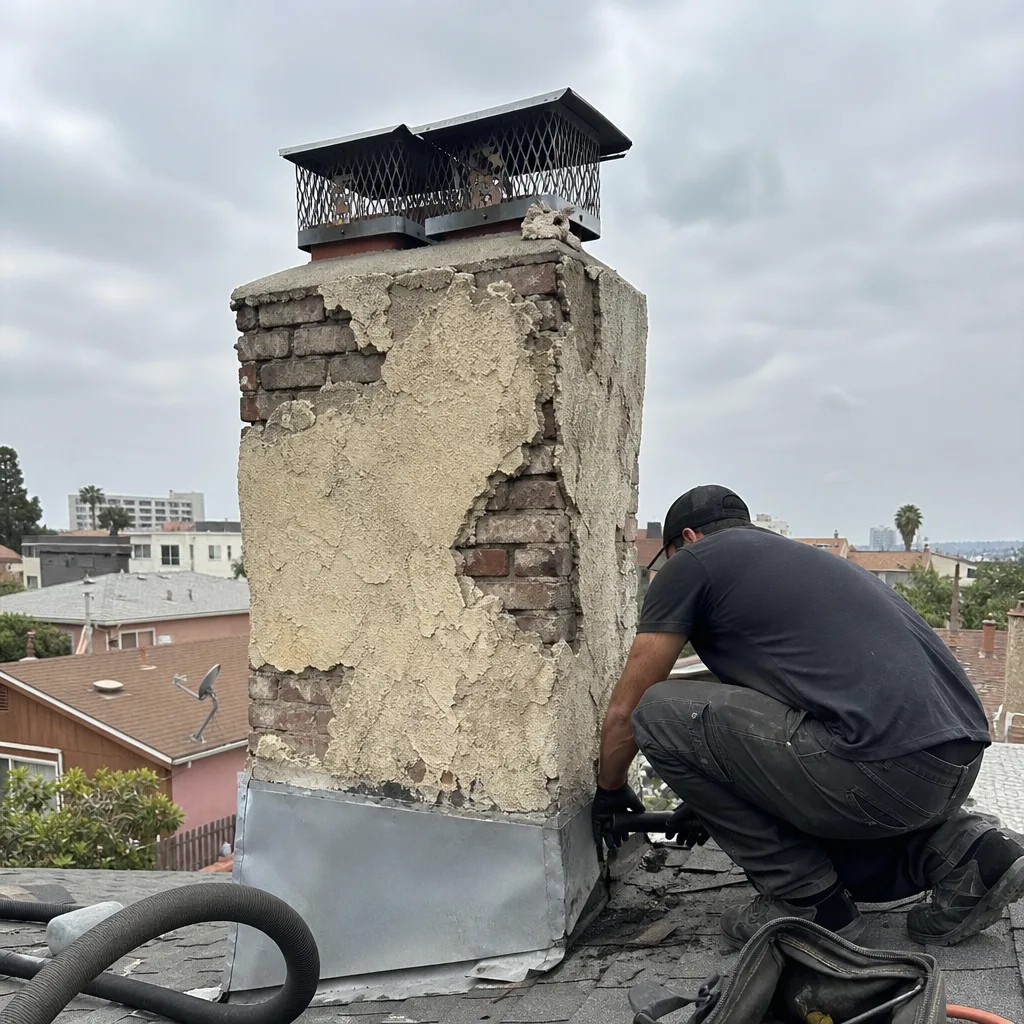 Before
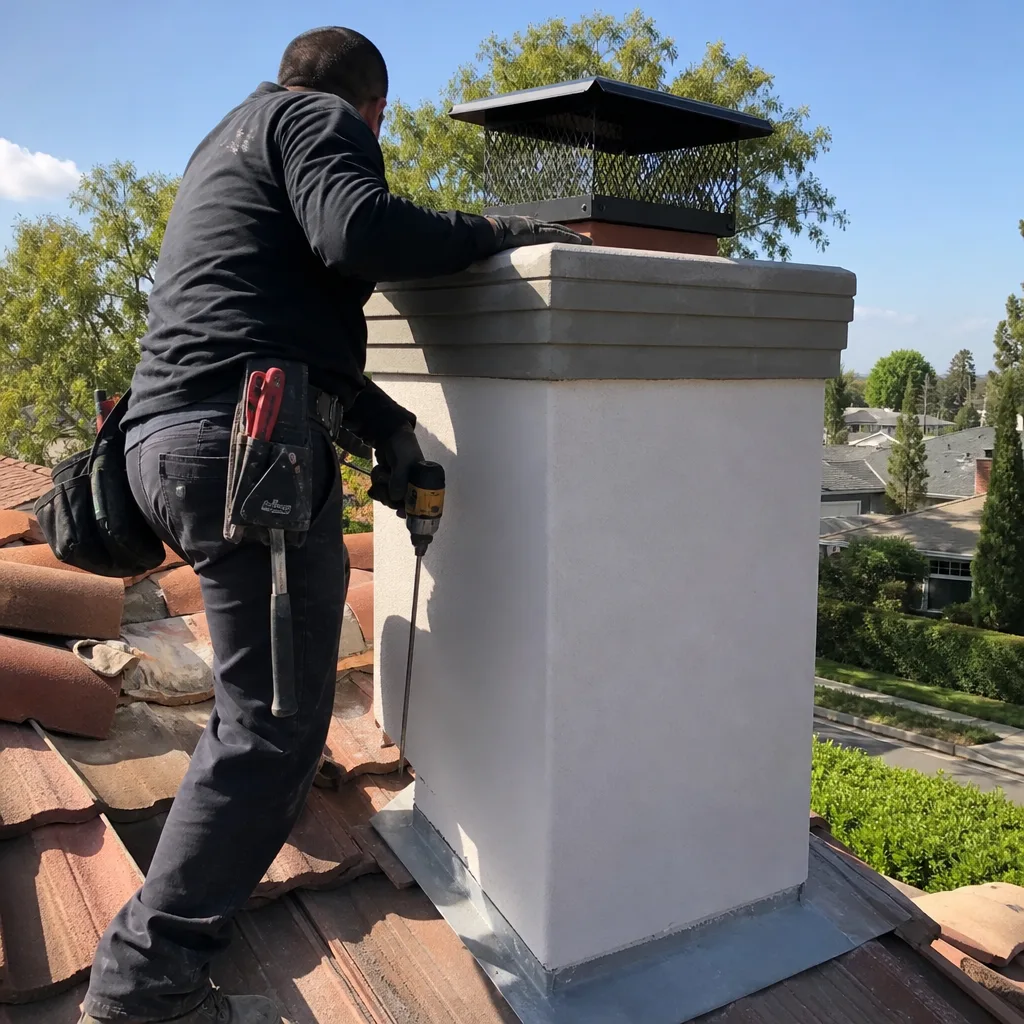 After
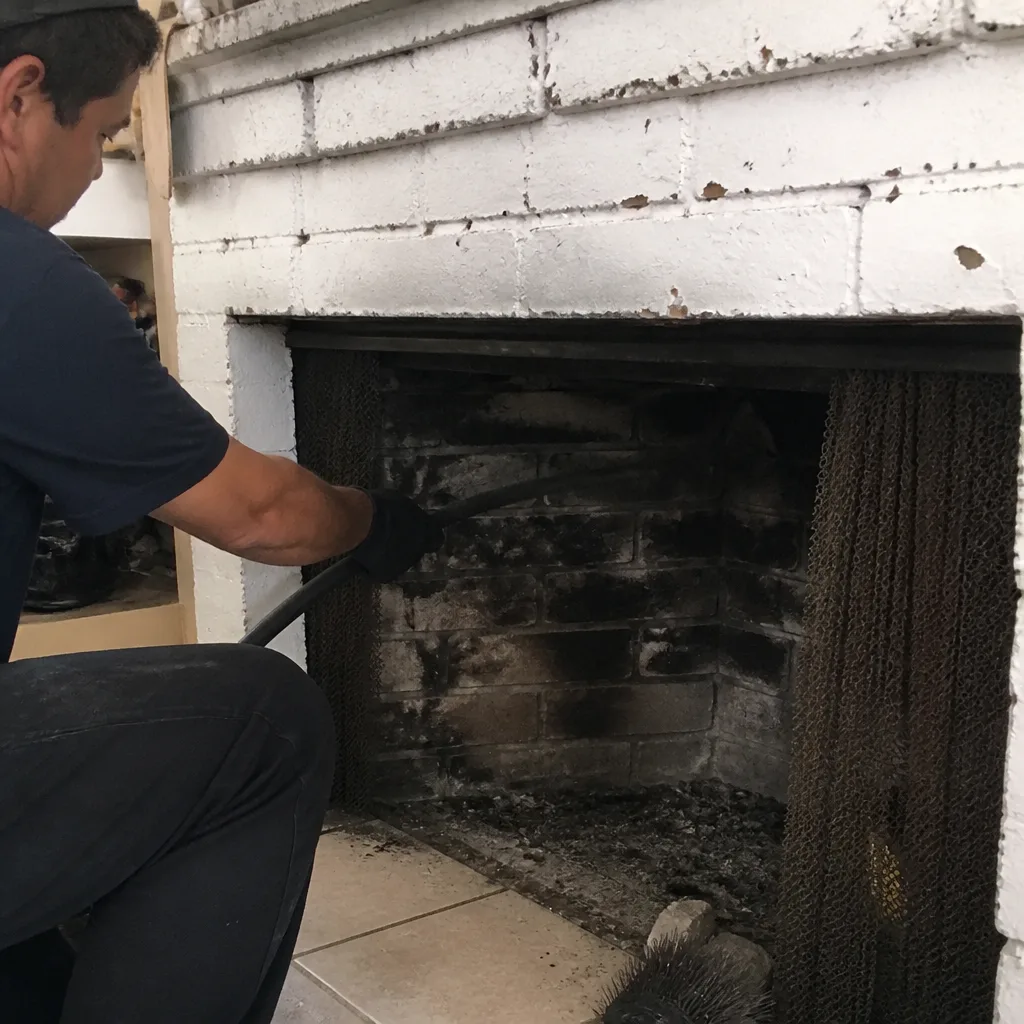 Before
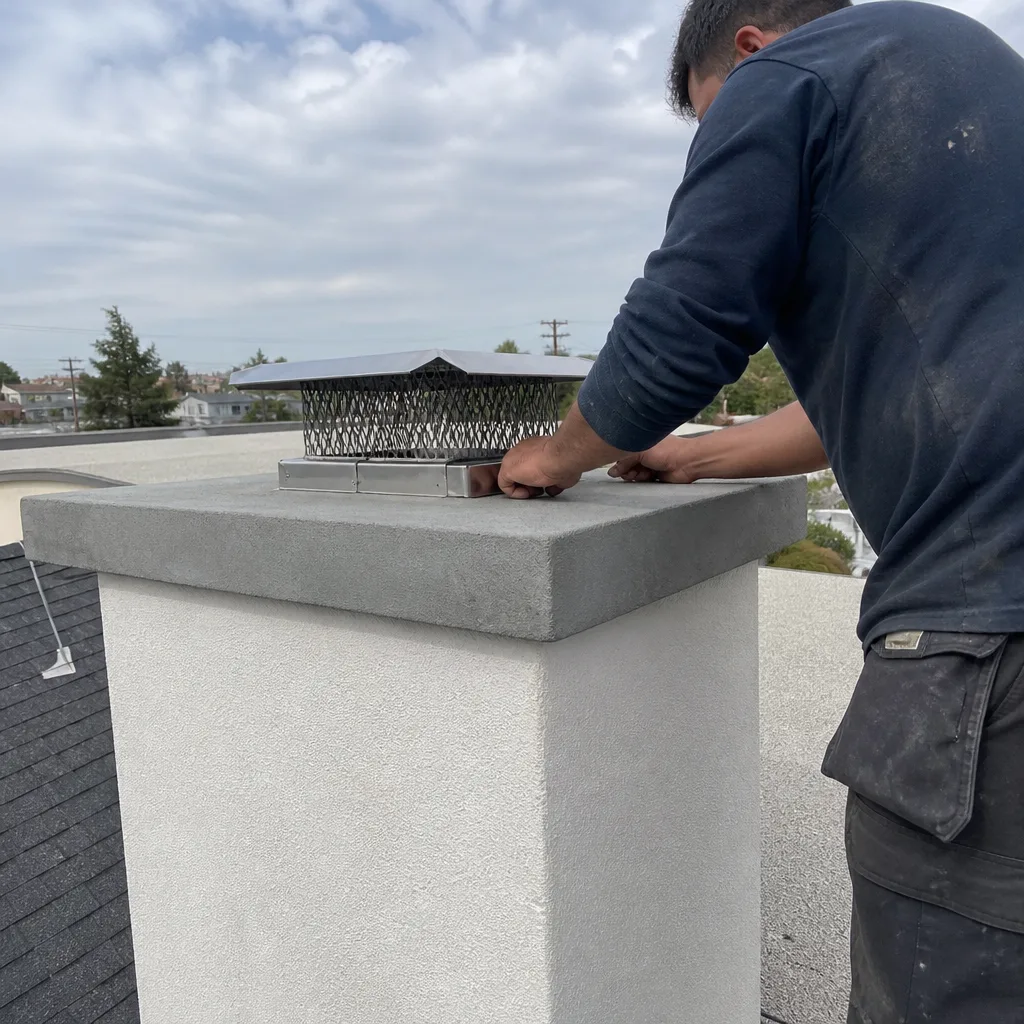 After
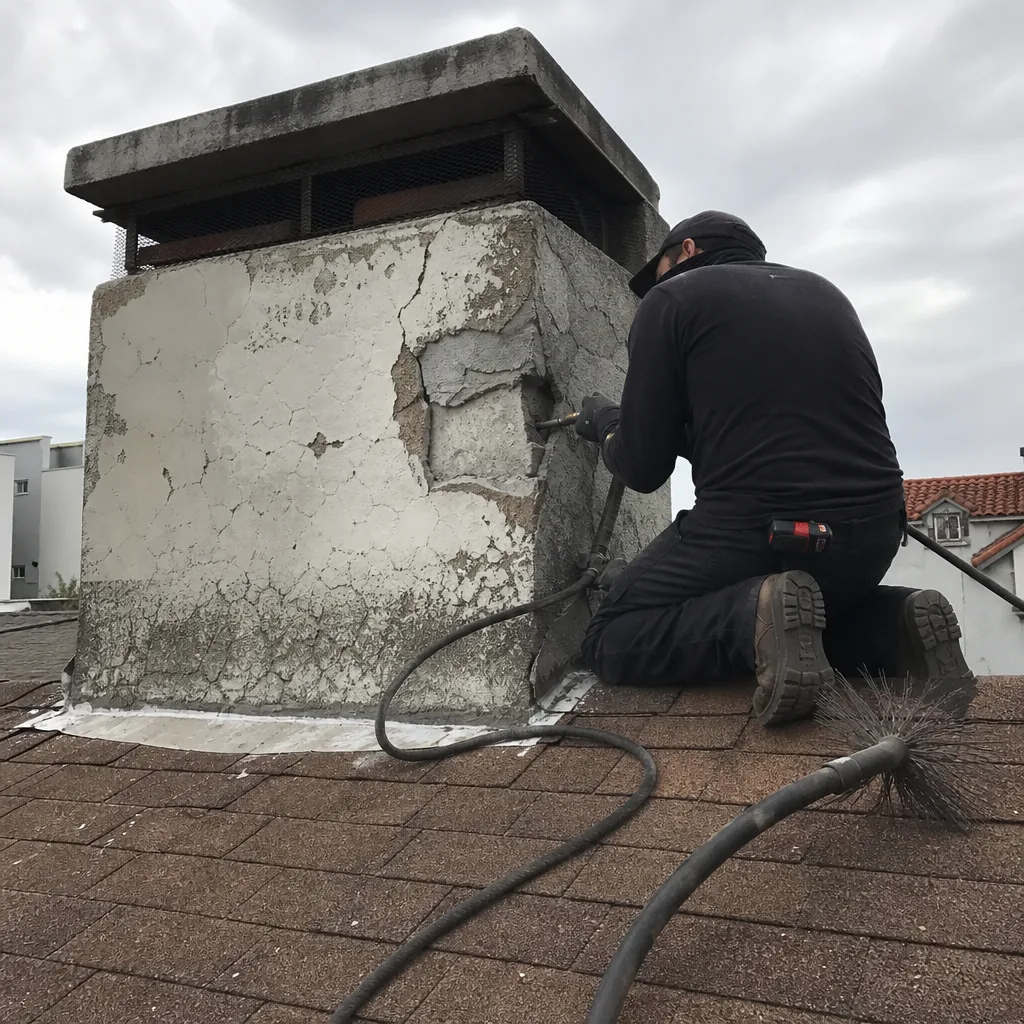 Before
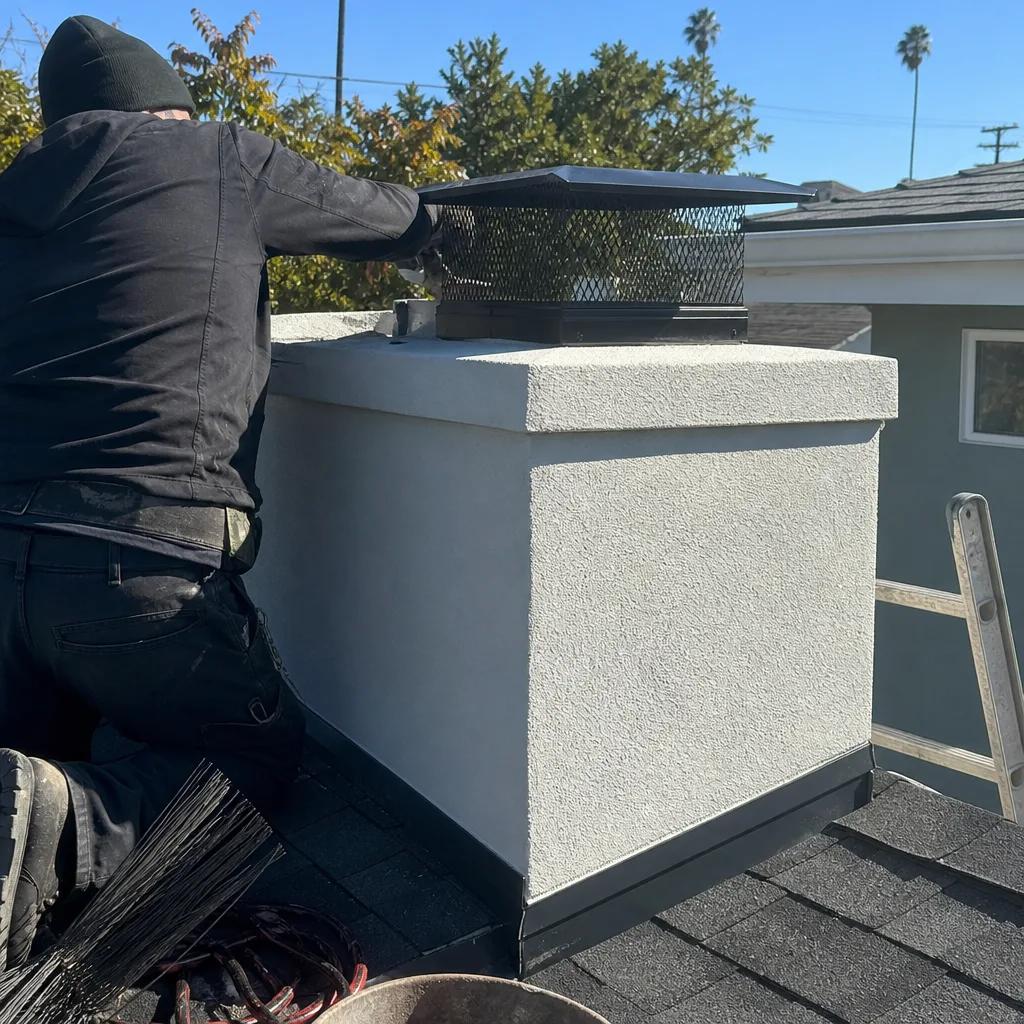 After