

Last updated October 30, 2026
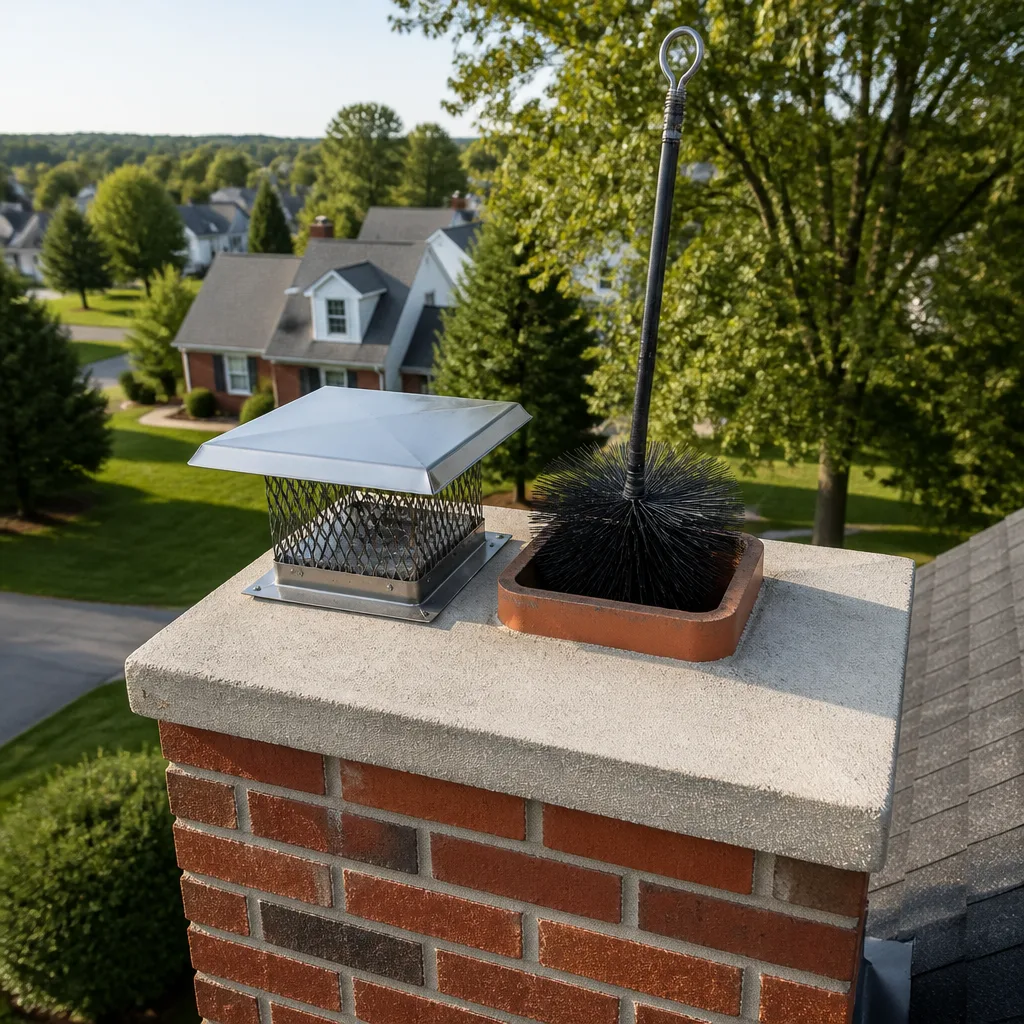 Sweep & inspection
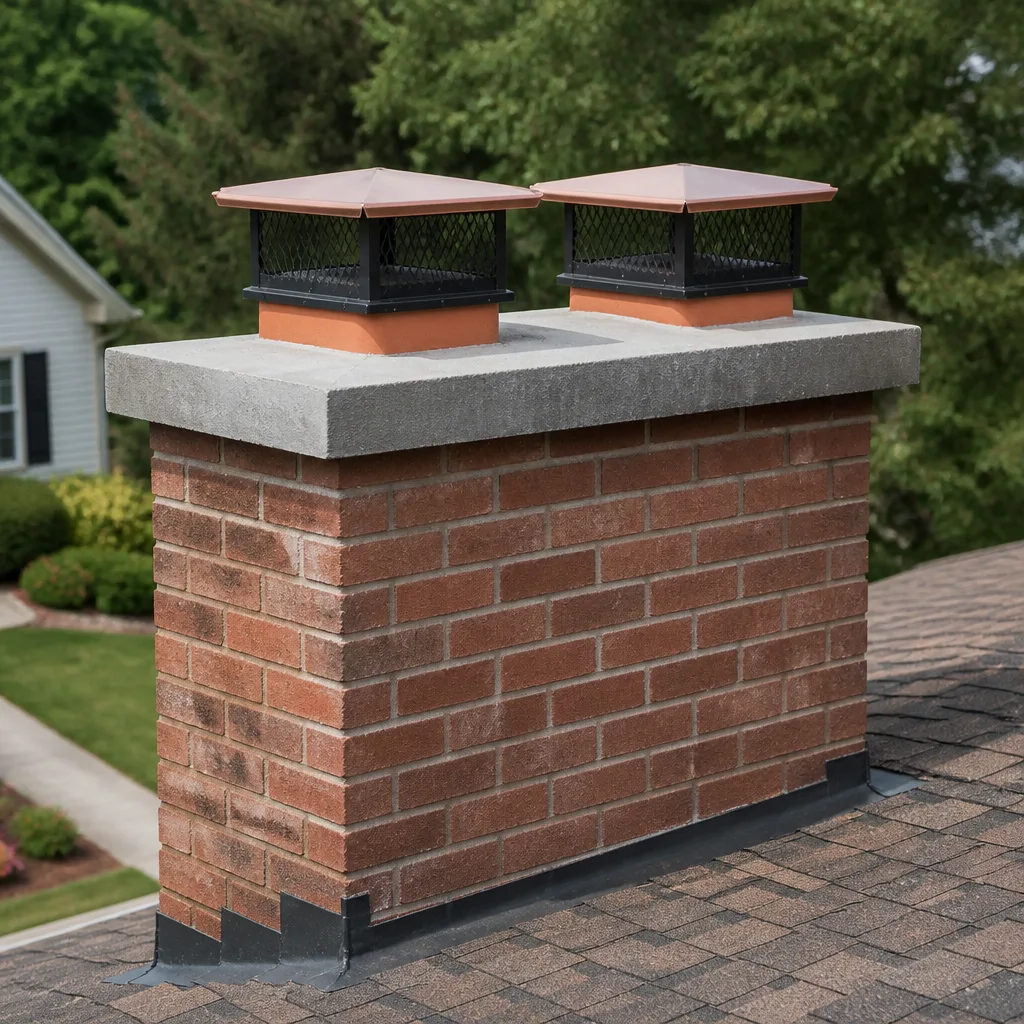 Caps & crowns
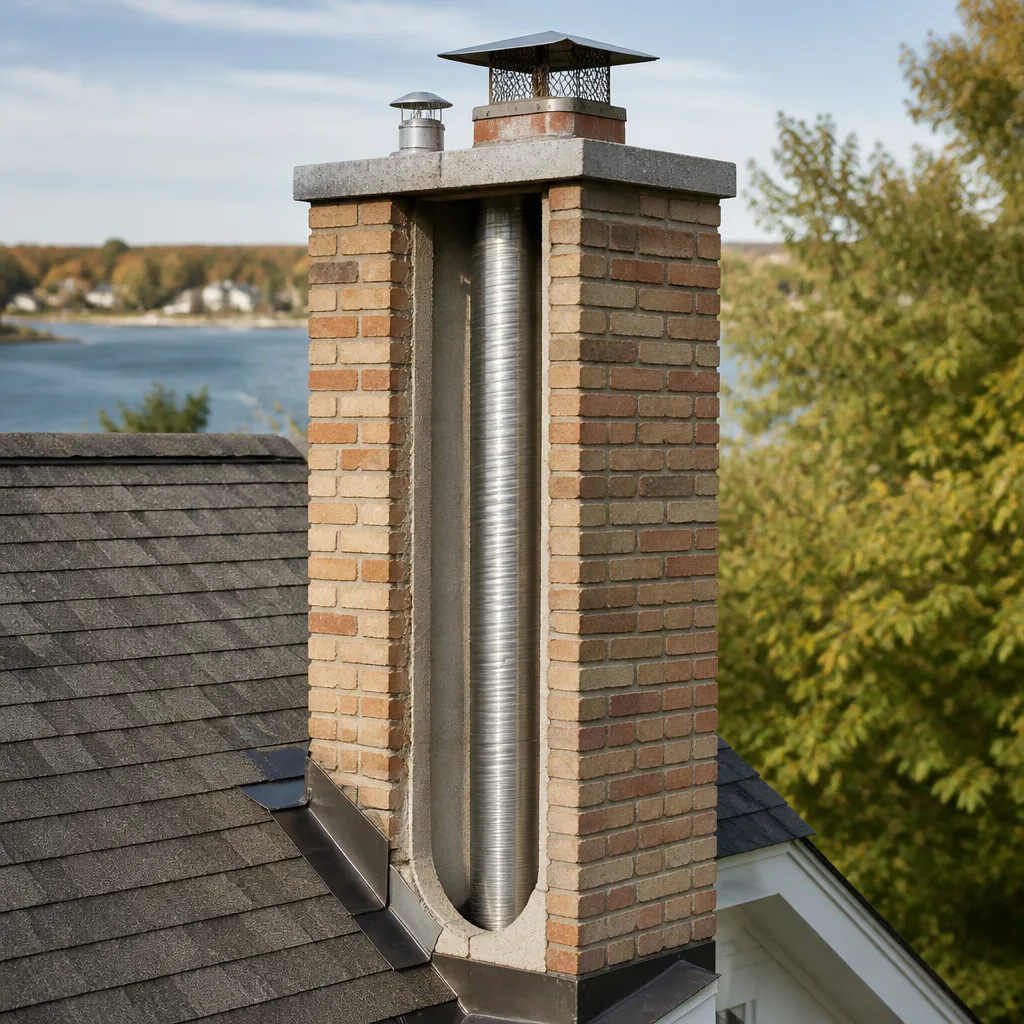 Flue relining
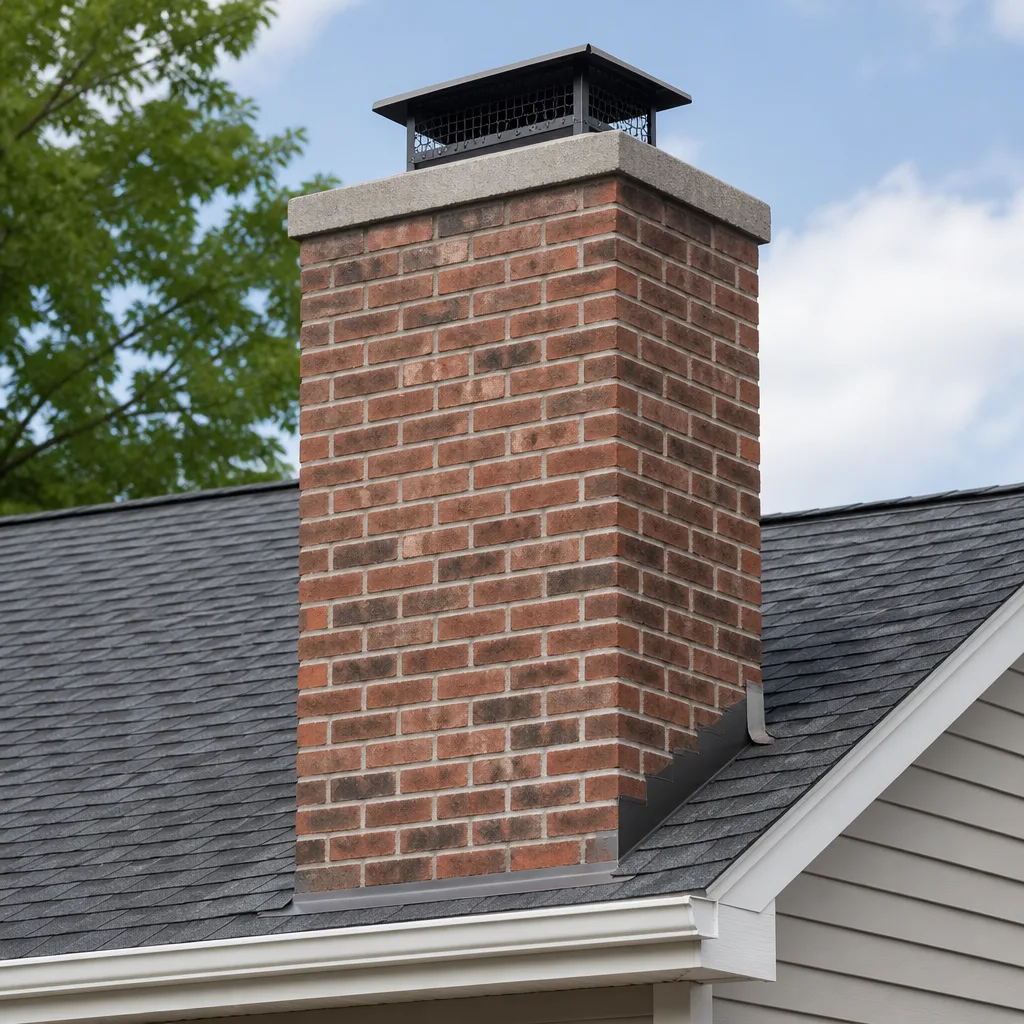 Masonry repair
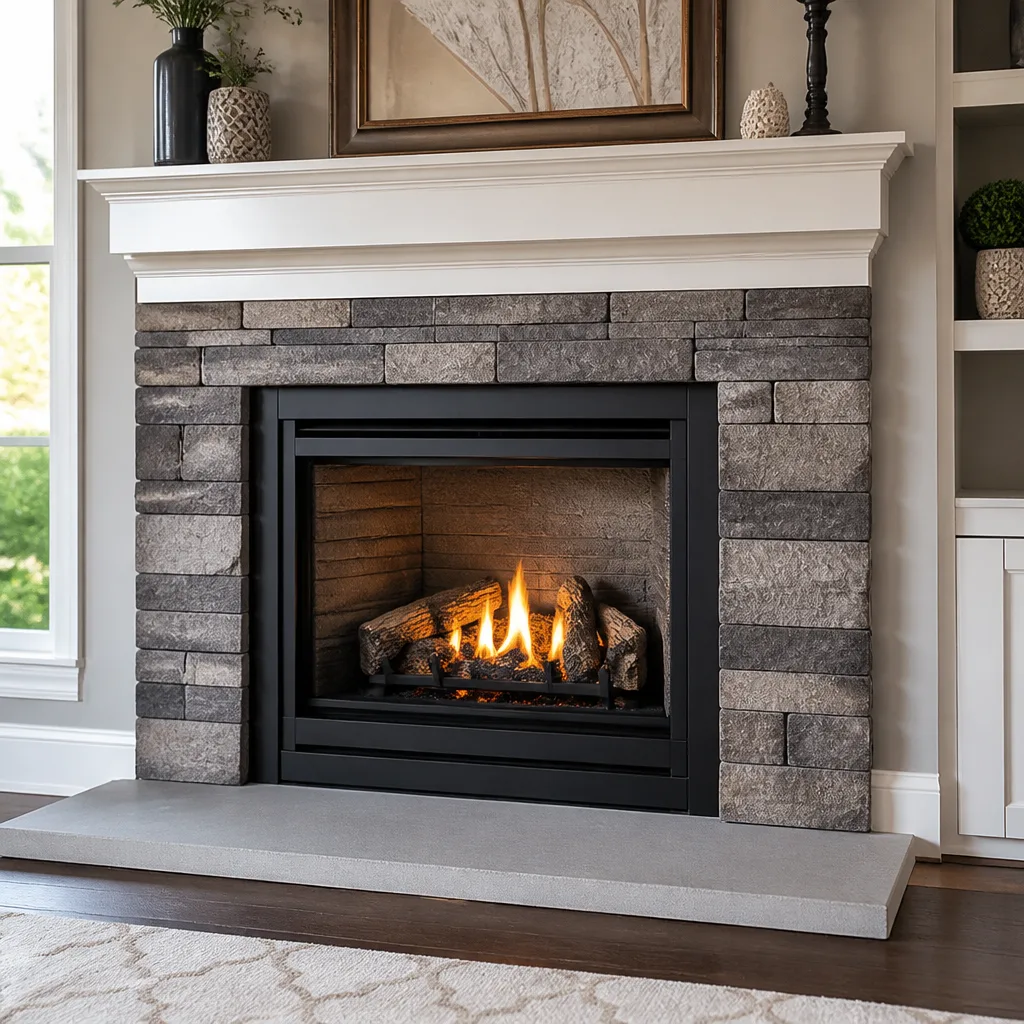 Gas fireplace service
Level 1 sweep and inspection to the NFPA 211 annual standard - flue, crown, cap, and flashing checked and photographed
Chimney sweep logs do not sweep chimneys. They loosen some creosote - which then falls where a brush and vacuum still have to collect it.
DIY vs Professional Chimney Cleaning: The Koreatown Homeowner’s Decision Guide
You can buy a chimney brush kit online for about $45 and technically push it through your flue. What you cannot do with that kit is see inside the liner, determine what stage of creosote you’re dealing with, inspect the smoke chamber above the damper, or document the condition of the flue tiles. Which means you’ll clean the part you can reach and leave the part that actually determines whether your Koreatown fireplace is safe completely unexamined. This guide walks through the mechanical reality of chimney systems, the one scenario where DIY brushing makes sense, and why the construction patterns common across Koreatown’s older housing stock make professional cleaning the default correct choice for nearly every homeowner here.
Styles & brands we work with
Quick Answer
DIY chimney cleaning in Koreatown is only appropriate for one narrow situation: a gas-only insert with a confirmed intact liner, used lightly, cleaned annually as routine maintenance. For any wood-burning fireplace, especially in pre-1980 construction with clay tile liners and offset flues, professional cleaning with inspection-grade equipment is the only method that actually evaluates fire safety. If you burn wood, hire a sweep.
Table of Contents
- What DIY Chimney Cleaning Actually Does (and Doesn’t Do)
- The One Scenario Where DIY Brushing Is Genuinely Appropriate
- Why Koreatown’s Housing Stock Changes the Equation
- What Professional Equipment Sees That Consumer Gear Cannot
- The Insurance and Documentation Problem
- The Four-Question Decision Matrix
- Equipment Reality Check: What Professional-Grade Tools Actually Cost
- Common Mistakes to Avoid
- When to Call a Professional
- Frequently Asked Questions
- The Bottom Line
What DIY Chimney Cleaning Actually Does (and Doesn’t Do)
A DIY chimney brush kit does exactly one thing: it abrades loose soot and light creosote dust from the interior walls of the flue in a straight vertical section. That’s the full mechanical capability. The brush connects to flexible rods, you push it up and down from the fireplace opening or down from the roof, and whatever falls gets collected in the firebox.
Here’s what that process leaves untouched:
- The smoke chamber. Above the damper and below the flue is a trapezoidal void where smoke compresses before entering the flue. Consumer brush kits cannot navigate this area effectively. Creosote accumulates here in thick deposits because the smoke slows down in this wider space. In our experience in Koreatown, this is where we find the heaviest buildup in wood-burning fireplaces that have gone unswept for years.
- The damper assembly. A brush rod passing through the damper opening scrapes the edges of the damper plate, but does not clean its underside, the frame, or the hinge mechanism. A damper caked in creosote binds and fails, which becomes a drafting problem.
- The flue liner’s condition. Brushing removes surface material. It cannot tell you whether the clay tile liner behind that surface is cracked, spalled, or missing segments. A cracked liner is a fire hazard no brush can fix or reveal.
- Offset flues. Many Koreatown chimneys, especially in Spanish Revival and Craftsman homes from the 1920s through the 1960s, have flues that angle to accommodate rooflines or architectural features. A consumer brush kit with flexible rods can follow gentle curves, but it cannot apply consistent pressure on the outside of a bend where creosote packs hardest. The result is a flue that looks cleaner than it is.
- Creosote staging. Stage 3 creosote is a hardened, glazed deposit with a tar-like consistency. A wire brush skates across the surface of Stage 3 creosote without removing it. Removing it requires mechanical rotary chain systems or chemical treatments, neither of which exists in a $45 kit.
The honest assessment: DIY brushing is cosmetic maintenance on the easiest reachable surface. It is not a safety inspection and it is not a cleaning in the sense that a professional chimney sweep uses the word.
The One Scenario Where DIY Brushing Is Genuinely Appropriate
We are not anti-DIY as a blanket position. There is a real situation where homeowner brushing makes technical sense, and it’s worth being precise about what that situation looks like.
The scenario: you have a gas-only insert installed in a fireplace that originally burned wood. The gas unit produces no creosote because there is no wood combustion. What accumulates in the flue is dust, minor carbon residue, and the fine particulate matter that settles from the gas flame. The liner, if intact, requires no more than annual removal of this light material.
If all four of these conditions are met:
- You have a gas-only insert, not a gas log set that could be removed and replaced with wood (a gas log set in a wood-burning fireplace imposes the same cleaning requirements as wood burning because the flue was designed and sized for solid fuel).
- A professional chimney inspection within the last five years confirmed the liner is intact with no spalling, gaps, or moisture intrusion.
- You burn the insert lightly, meaning fewer than two evenings per week during the winter season.
- You are willing to do the work correctly: brushing from the roof with a properly sized round brush matched to the flue diameter, wearing appropriate fall protection, and cleaning the full vertical run rather than only the section visible from the fireplace opening.
If any of those conditions fails, the DIY conversation ends. And realistically, most Koreatown homeowners with gas inserts still benefit from a professional cleaning every two to three years, because the inspection that accompanies the cleaning is where the real value lives. A gas insert vented through an old terra cotta liner is still vented through an old terra cotta liner. The liner’s condition does not care what fuel you burn.
Why Koreatown’s Housing Stock Changes the Equation
Koreatown is dense with pre-1980 construction. The neighborhood developed in two major waves: the first in the 1910s through 1930s, producing the Craftsman, Spanish Colonial Revival, and Mediterranean bungalows visible along streets like Plymouth, Oxford, and Kingsley. The second wave came in the 1960s and 1970s, producing low-rise apartment buildings and stucco-clad duplexes. Almost everything from the first wave was built with wood-burning fireplaces. Almost everything from the second wave that included fireplaces used standard clay tile liners and brick chimneys.
What this means for cleaning is not theoretical. Clay tile liners are the weak link. They crack under thermal cycling, they spall when mortar joints fail, and they shift when the brick chimney settles over decades. SoCal seismic activity adds a stress factor that chimneys in, say, Houston or Chicago simply don’t face. Every minor earthquake we experience in Los Angeles County runs through those liner joints as micro-movement. Over 40 or 50 or 80 years, that movement accumulates.
A DIY brush moving through a clay tile liner with an existing crack cannot make that crack visible. It will not even snag on it. The brush slides past, cleans the soot off the tile surfaces, and sends the homeowner a false signal: I cleaned my chimney, it’s fine. The crack remains. The next wood fire pushes heat and combustion gases through that crack into the surrounding masonry, and eventually into whatever combustible material sits adjacent to the chimney structure.
This is not a scare scenario. It’s the documented mechanism of most chimney-related structure fires. And it’s the reason we treat every Koreatown chimney cleaning as an inspection opportunity rather than a brush transaction. Before any carbon deposit is touched, we look at what the liner is doing. That’s the difference between cleaning the surface and evaluating the system.
What Professional Equipment Sees That Consumer Gear Cannot
The honest gap between consumer chimney tools and professional equipment is wide, and it’s not about brand snobbery. It’s about the physical capabilities of the tools.
Professional rotary cleaning systems use a motorized drive that spins chains or cables at high RPM while descending the flue. The chain action physically strikes and dislodges Stage 2 and early Stage 3 creosote that a push-pull brush cannot move. This is not a more expensive version of a hand brush. It’s a different mechanical principle. The kinetic energy of a rotary chain head shatters crusted deposits. A hand brush abrades loose powder.
Chemical treatments, when used, are applied after mechanical cleaning to treat the remaining glaze. Products like creosote modifiers alter the chemical structure of remaining creosote so that subsequent cleanings can remove it mechanically. An untrained homeowner with a spray bottle of creosote remover from a hardware store is not doing the same thing, no matter what the label implies.
Video inspection is the biggest differentiator. A professional chimney camera system is a high-intensity light paired with a self-leveling lens on a flexible push rod, delivering real-time footage of the liner interior, the smoke chamber, the damper seat, and the flue cap. This footage is not a marketing gimmick. It’s the documentation that answers four questions a brush cannot answer: Is the liner intact? Is there separation at the tile joints? Is there an animal nest above the damper? Did the previous cleaning actually remove what it was supposed to remove?
We use the same inspection protocols that restoration contractors and fire-safety inspectors rely on, because the findings drive the repair recommendation. When we tell a Koreatown homeowner they need a liner repair, that recommendation is backed by video review they can watch with us. That’s not a sales tool. It’s an accountability tool. A homeowner who has seen cracked tiles on a monitor does not need us to upsell them. The evidence does the work.
The Insurance and Documentation Problem
There’s a dimension of this decision that almost no DIY chimney cleaning guide addresses, and it matters more than most homeowners expect. Insurance companies deal in documentation.
If a fire occurs in a home with a wood-burning fireplace, the insurance adjuster’s first question will be about maintenance history. When was the chimney last cleaned and inspected? Who did the work? Is there a receipt, an inspection report, or photographic evidence?
A homeowner who cleaned their own chimney can produce none of those documents. They can say they swept the chimney, which means nothing in an insurance context. The adjuster will reasonably ask whether the cleaning was adequate, whether the homeowner was qualified to assess the liner’s condition, and whether the fire might have been prevented by a professional inspection that identified a defect before it failed. This line of questioning does not go well for homeowners.
A professional chimney cleaning produces a dated service record, a written description of findings, and often photographic or video documentation of the liner condition at the time of service. That record matters. It demonstrates that the homeowner exercised reasonable care, that the chimney was inspected by a qualified party, and that any observed issues were either addressed or documented. In many cases, a chimney fire followed by a claim is only payable when the homeowner can show a professional cleaning history.
For a Chimney Sweep in Koreatown, the documentation is part of the service, not an add-on. Every cleaning we perform includes the inspection findings and photo record, because the documentation is the point of hiring us in the first place. If you’re going to burn wood in a Koreatown home with a clay tile liner, the paper trail matters as much as the brush work.
The Four-Question Decision Matrix
If you’re a Koreatown homeowner deciding between pulling out a brush kit and calling a professional, answer these four questions honestly. One wrong answer flips the decision to professional.
- What fuel are you burning? Wood or gas logs in a wood-burning fireplace? Professional cleaning, no exceptions. Gas insert with a confirmed liner? Proceed to question 2.
- When was the last professional inspection? Within five years and it confirmed an intact liner with no recommended repairs? Proceed to question 3. More than five years ago or you don’t know? Professional cleaning with inspection.
- Does your chimney have an offset flue, a clay tile liner, or a smoke chamber that’s been cleaned less than annually? Any yes means DIY brushing will miss the areas where creosote accumulates most heavily in Koreatown’s older homes. Professional.
- Do you have a documentation trail from previous cleanings that would satisfy an insurance adjuster after an incident? No? Then a DIY cleaning leaves you with the same documentation void you have right now. Professional.
That’s the matrix. Most Koreatown homeowners with wood-burning fireplaces fail question 1 or question 3. The ones with gas inserts who pass question 1 usually fail question 2. The realistic outcome is that professional cleaning is the answer for the overwhelming majority of the chimneys in this neighborhood, and DIY brushing is a niche solution for a small subset of gas insert owners who maintain rigorous records.
Equipment Reality Check: What Professional-Grade Tools Actually Cost
There’s a persistent belief that paying a professional chimney sweep is paying for labor that a homeowner could replicate with a trip to Home Depot. The equipment math says otherwise.
A serious consumer setup: a brush kit with rods for a two-story chimney, a drop cloth set, a shop vacuum with a HEPA filter, basic personal protective equipment like a respirator and goggles, and a ladder rated for roof access. That’s roughly $400 to $700, depending on the vacuum. The brush kit alone is $45 to $80, but the accessories required to do the job without making a mess or breathing creosote dust push the total much higher.
The professional equipment we run costs closer to a used car. Rotary cleaning systems, video inspection cameras with self-leveling heads, HEPA negative air machines, and professional-grade brush systems built for specific flue dimensions and liner materials. We stock and install materials from the same supply lines that restoration contractors use, including DuraFlex liner systems and HeatShield resurfacing products. These are not consumer retail brands. They’re the tools and materials that show up on professional job sites, and they exist because consumer equipment cannot achieve the same level of cleaning or repair.
The financial comparison most people make is $45 versus $250, which is the wrong frame. The correct frame is $45 versus the cost of fixing damage that a $45 cleaning failed to prevent, or the cost of addressing a liner failure that a professional inspection would have caught five years earlier. In Koreatown, where the housing stock makes liner issues common rather than exceptional, the inspection itself is the most valuable thing a chimney professional delivers.
Common Mistakes to Avoid
- Assuming a gas insert means no maintenance. Gas inserts do not produce creosote, but they do vent through flues that need occasional inspection. A gas insert in a deteriorating clay liner is a carbon monoxide exposure risk because the combustion byproducts are less visible than a wood fire’s smoke. We’ve seen Koreatown condo units with gas inserts venting into liners that hadn’t been inspected since the building was constructed.
- Cleaning from the fireplace opening only. Brushing upward from the firebox reaches the lower third of the flue and gives a false sense of completion. The upper two thirds, where creosote often concentrates on the cooler flue walls near the top, stays untouched. Roof access is standard for professional cleaning for a reason.
- Using a wire brush on a Stainless liner. Stainless steel liners scratch, and scratched stainless creates micro-crevices where creosote grips harder on subsequent burns. The right brush type for a stainless liner is poly or a material matched to the liner, not whatever wire brush came with the kit.
- Ignoring the smoke chamber entirely. Homeowners rarely think about the space above the damper because they never see it. In Koreatown’s older fireplaces, the smoke chamber is where creosote accumulates in layers thick enough to require mechanical removal. A brush rod passing through the damper does not clean this area.
- Burning unseasoned wood while cleaning annually. Annual professional cleaning does not compensate for wet wood that produces heavy Stage 1 and Stage 2 creosote within a single season. Koreatown homeowners who buy grocery-store firewood bundles are often burning wood with moisture content above 20%, which produces dramatically more creosote than properly seasoned oak.
- Trusting a chimney sweep that doesn’t show you what they found. Any reputable chimney professional should be able to explain what they saw, show you the video or photos, and answer your questions directly. If someone quotes a liner repair without visual evidence, get another opinion. We tell you what we found, and we show you.
When to Call a Professional
Call a professional chimney sweep when you burn wood of any kind in Koreatown. That’s the short answer. Call us if you’ve never had your chimney inspected and your home predates 1980. Call us if you smell smoke in the house after a fire dies down, if you notice dark staining on the walls around the fireplace, if you hear animals in the flue, or if your fireplace has been unused for more than two years and you want to start burning again. These are not situations where DIY tools provide any meaningful answer. Chimney Repair in Koreatown often starts with a cleaning and inspection that identifies what actually needs attention, whether that’s a liner rebuild, a smoke chamber parging repair, or a damper replacement. Imperial Chimney offers free estimates in Koreatown. Call (866) 253-3809 to schedule a cleaning and inspection.
Frequently Asked Questions
A standard chimney sweep in Koreatown typically runs between $180 and $340 for a wood-burning fireplace, depending on flue height, creosote stage, liner type, and whether the roof access requires special equipment. Gas insert cleanings usually fall on the lower end of that range. Added services like video inspection or creosote modifier application may add $50 to $150. For a detailed look at what drives these numbers, see our Chimney Cleaning Cost Breakdown: The Koreatown Homeowner’s Reference for 2026. Call (866) 253-3809 for an exact quote. Estimates are free.
For year-round maintenance tips, read our Seasonal Chimney Cleaning Care for Koreatown: Year-Round Homeowner’s Guide; wood-burning fireplaces in Koreatown should be swept annually if burned regularly during the winter, which given the mild climate means one or two evenings per week for three to four months. Gas inserts need an inspection every two to three years. The National Fire Protection Association recommends annual inspection regardless of fuel, and that recommendation applies cleanly here because older masonry chimneys in this neighborhood have age-related conditions worth monitoring year to year.
Creosote accumulates, first as a light powder, then as flakes, then as a hard glaze. Stage 3 creosote is a fuel source. A hot fire, a downdraft, or a spark landing on glazed creosote inside the flue can ignite it, creating a chimney fire that burns at temperatures high enough to crack clay tiles and reach surrounding structure. The majority of chimney fires happen without the homeowner ever knowing, causing hidden liner damage that makes the next fire more dangerous. Carbon monoxide exposure from a restricted or damaged flue is a separate risk that accumulates silently until symptoms force the issue.
Not always. Small cracks in clay tile liners can sometimes be addressed with resurfacing rather than replacement. We use HeatShield ceramic resurfacing technology to rebuild the interior surface of damaged clay liners without tearing out the chimney structure, which is often faster and less expensive than a full liner replacement. The determining factors are the extent of the damage, the liner’s overall stability, and whether the chimney still draws correctly. We’ll show you the video evidence before recommending any repair, and we’ll tell you plainly when work can safely wait.
An inspection is the diagnostic part of the visit: video evaluation of the liner interior, a check of the smoke chamber and damper operation, an exterior review of the chimney crown, cap, and flashing, and an assessment of clearances to combustibles. A cleaning without an inspection is like changing your car’s oil without anyone looking under the car. Our business model treats every sweep as an inspection opportunity, which means you get the safety evaluation whether you ask for it or not.
Yes, and we do both. Dryer vents are the leading heat-related fire cause among appliances in US homes, and the failure mechanism is nearly identical to a chimney fire: lint accumulates in a duct, restricts airflow, and ignites. Koreatown’s older apartment buildings and single-family homes often have long dryer vent runs that were installed before current code standards. Our Dryer Vent Cleaning in Koreatown uses the same inspection-and-documentation approach we apply to chimneys, because the fire safety principle is the same. Clean flue, safe home.
The Bottom Line
DIY chimney brushing is a narrowly appropriate tool for gas insert owners with documented, recent liners who clean annually as routine maintenance. That describes a small percentage of Koreatown homeowners. The rest are burning wood in aging clay-tile chimneys where the most dangerous conditions are invisible to a brush. A professional sweep in Koreatown delivers three things a $45 kit cannot: mechanical removal of the creosote stages that actually cause fires, a documented inspection of the liner and smoke chamber, and a paper trail that satisfies insurers if something goes wrong. The cleaning is the visible part. The inspection and documentation are why you hire a professional. If you want to know what your chimney actually looks like inside, call (866) 253-3809 for a free estimate. We’ll show you.
Written by the team at Imperial Chimney home, serving Koreatown since 2017.
See the difference
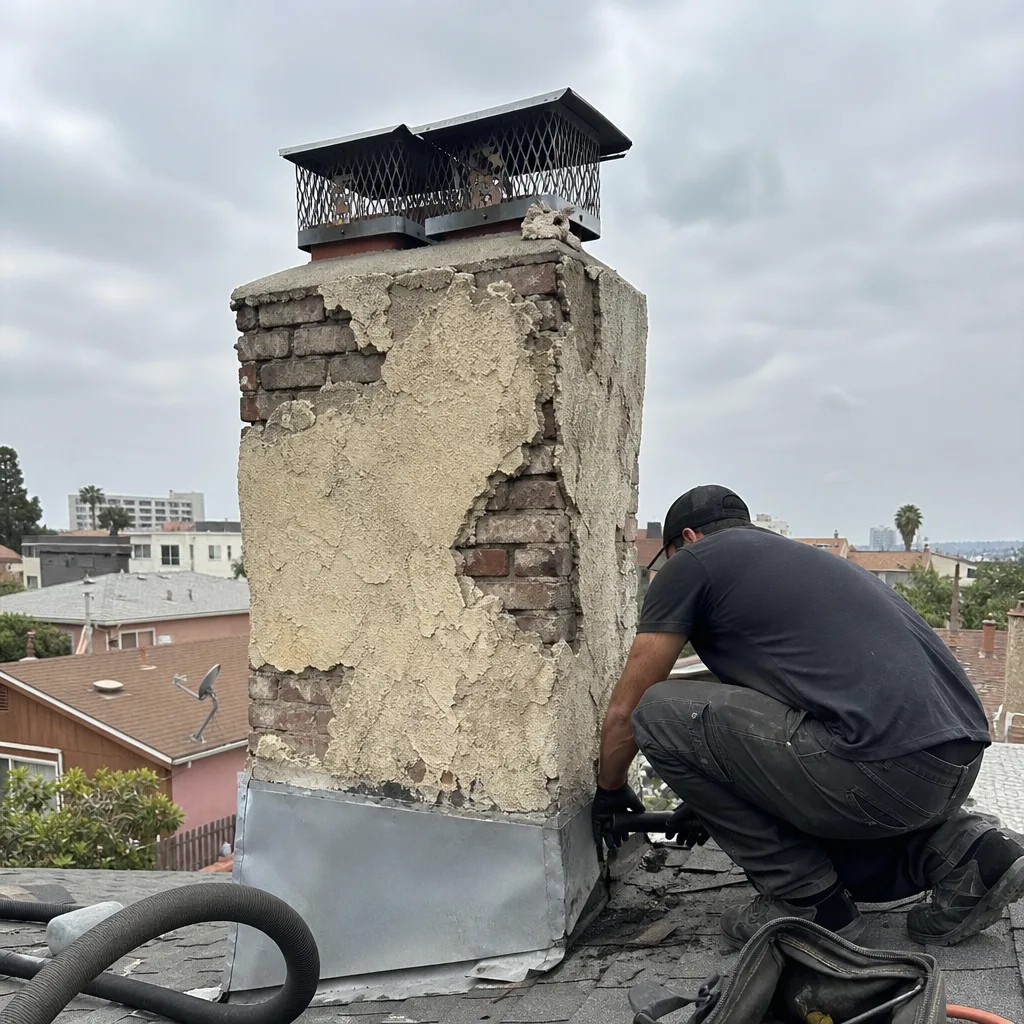 Before
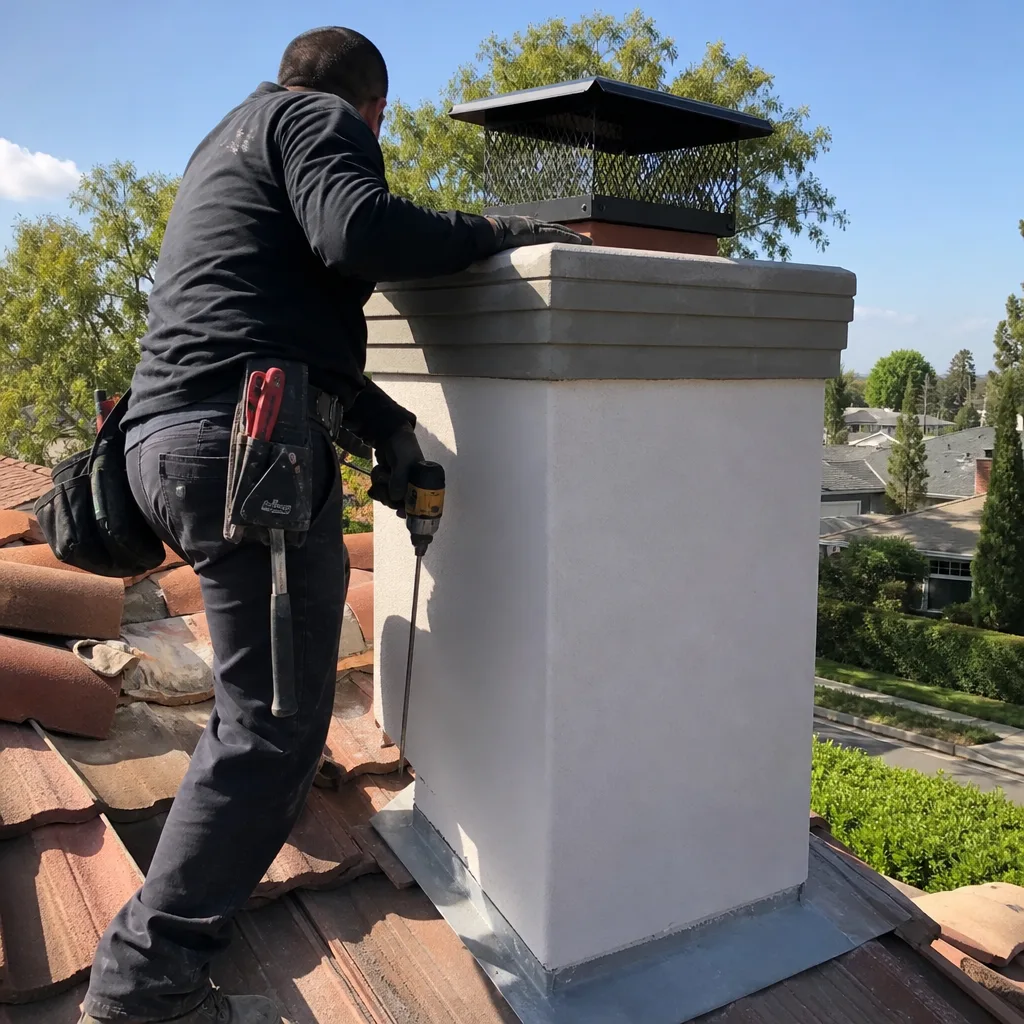 After
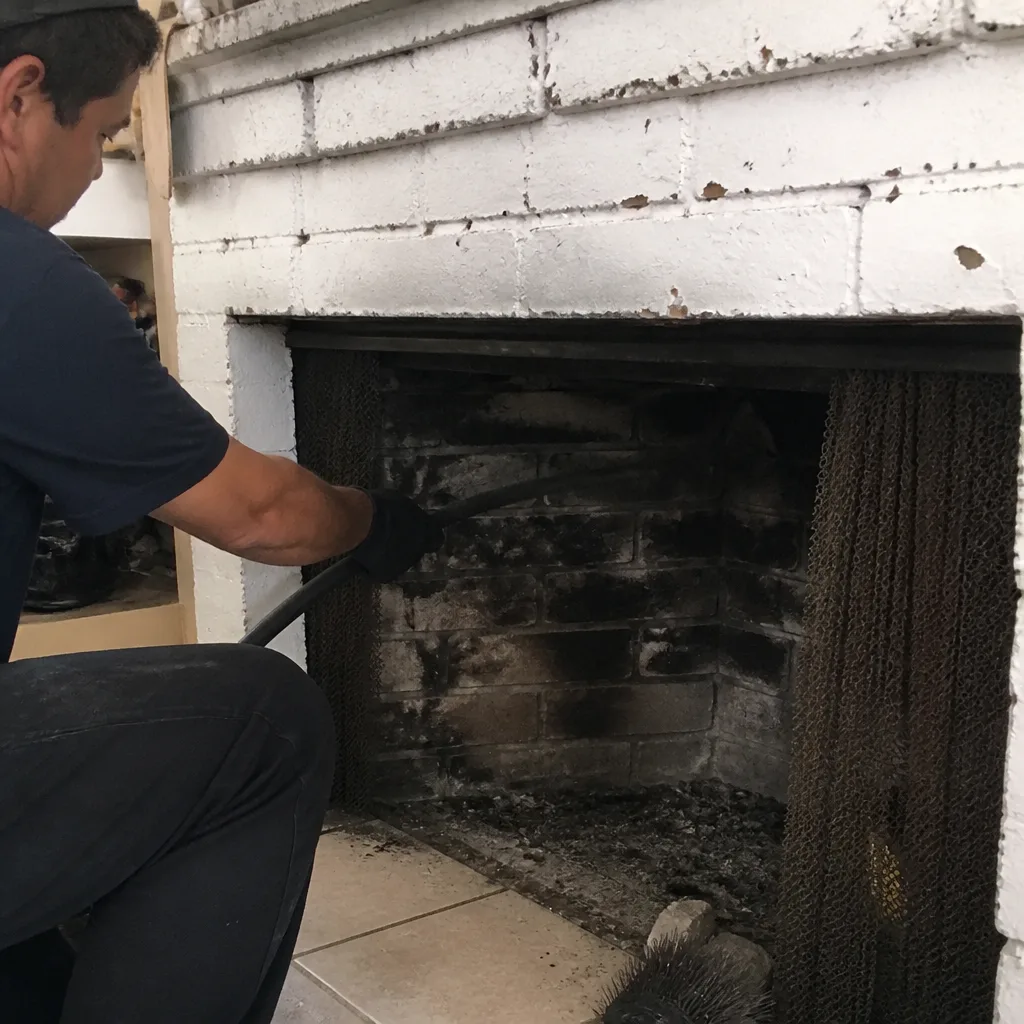 Before
 After
 Before
 After