
Last updated October 30, 2026
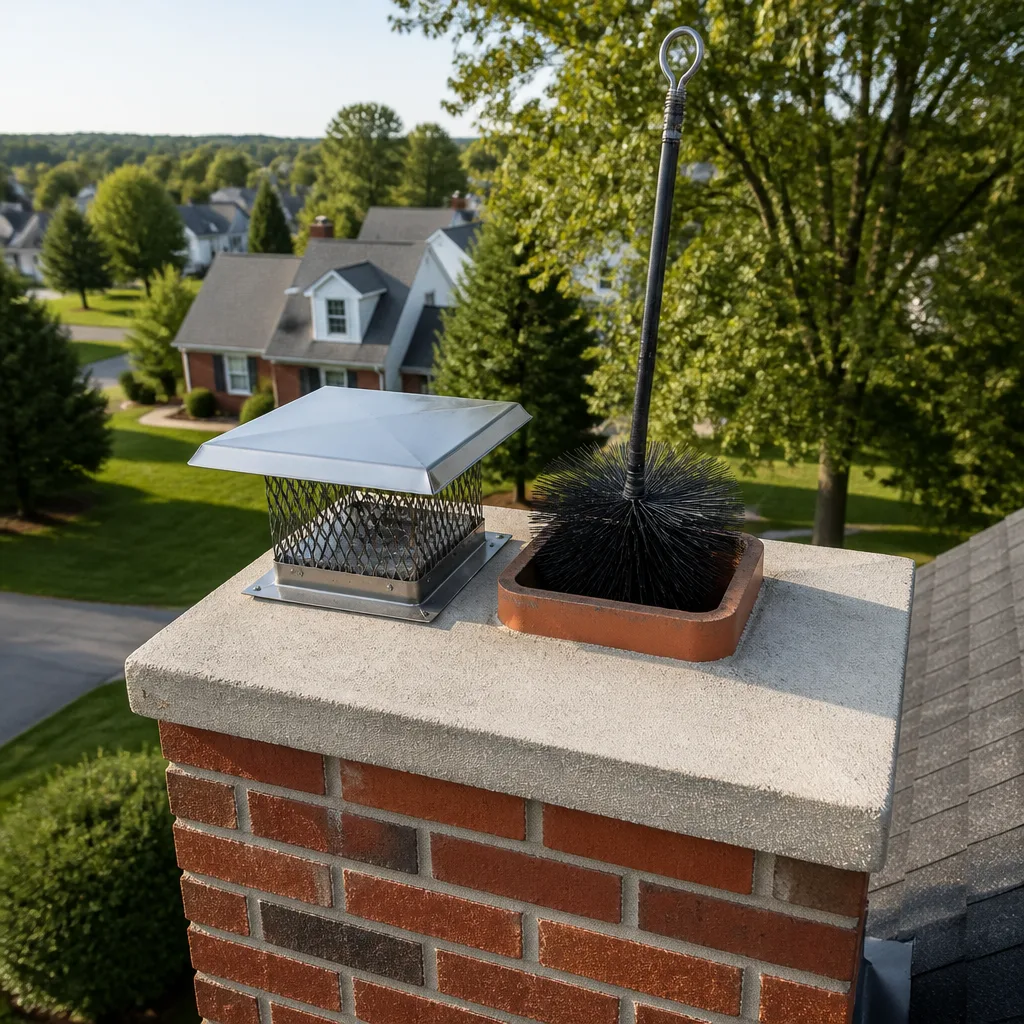 Sweep & inspection
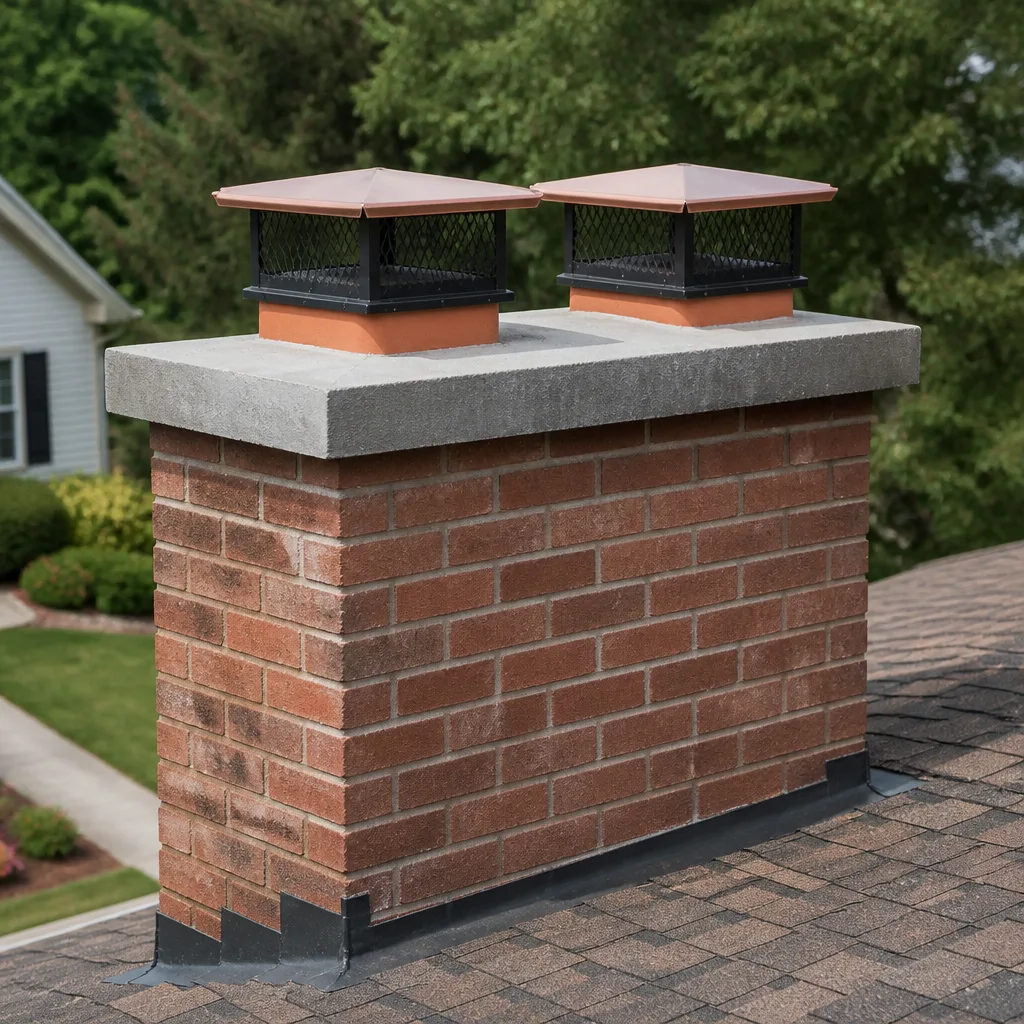 Caps & crowns
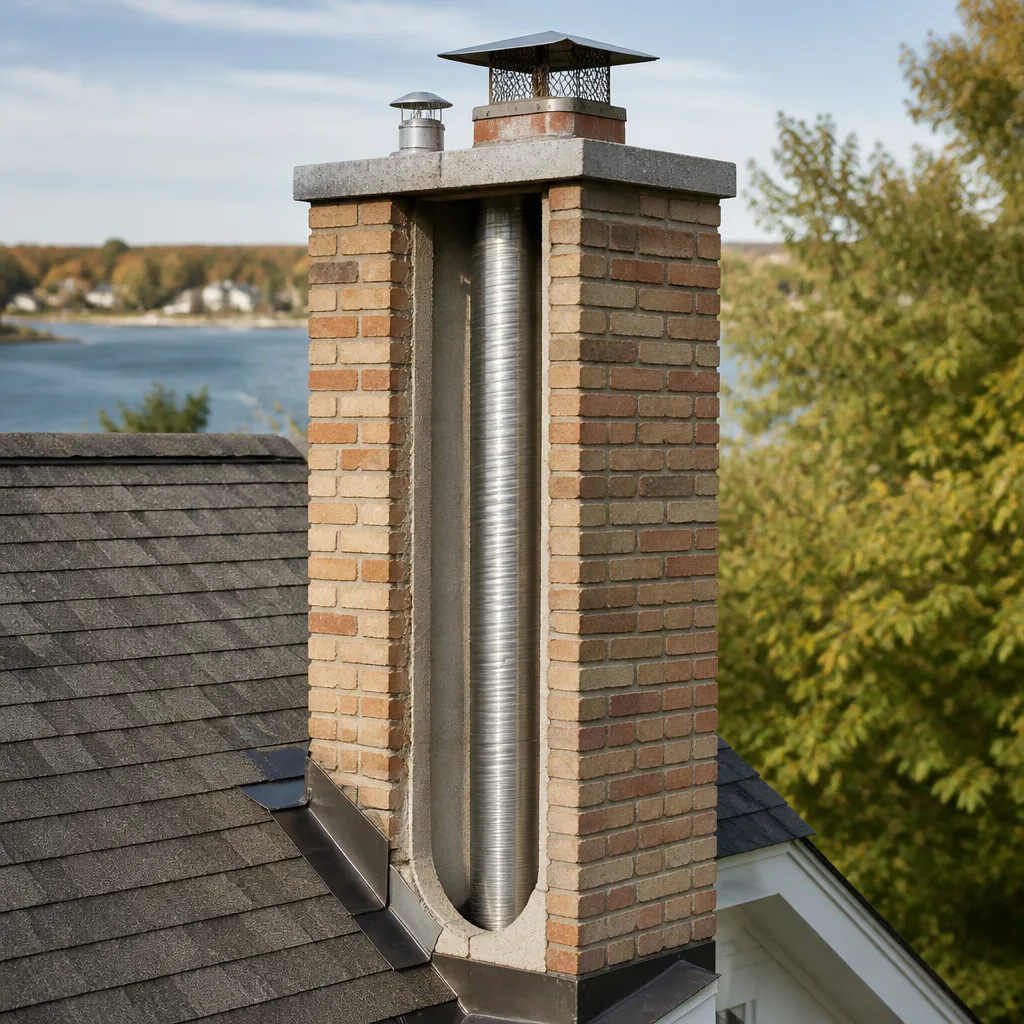 Flue relining
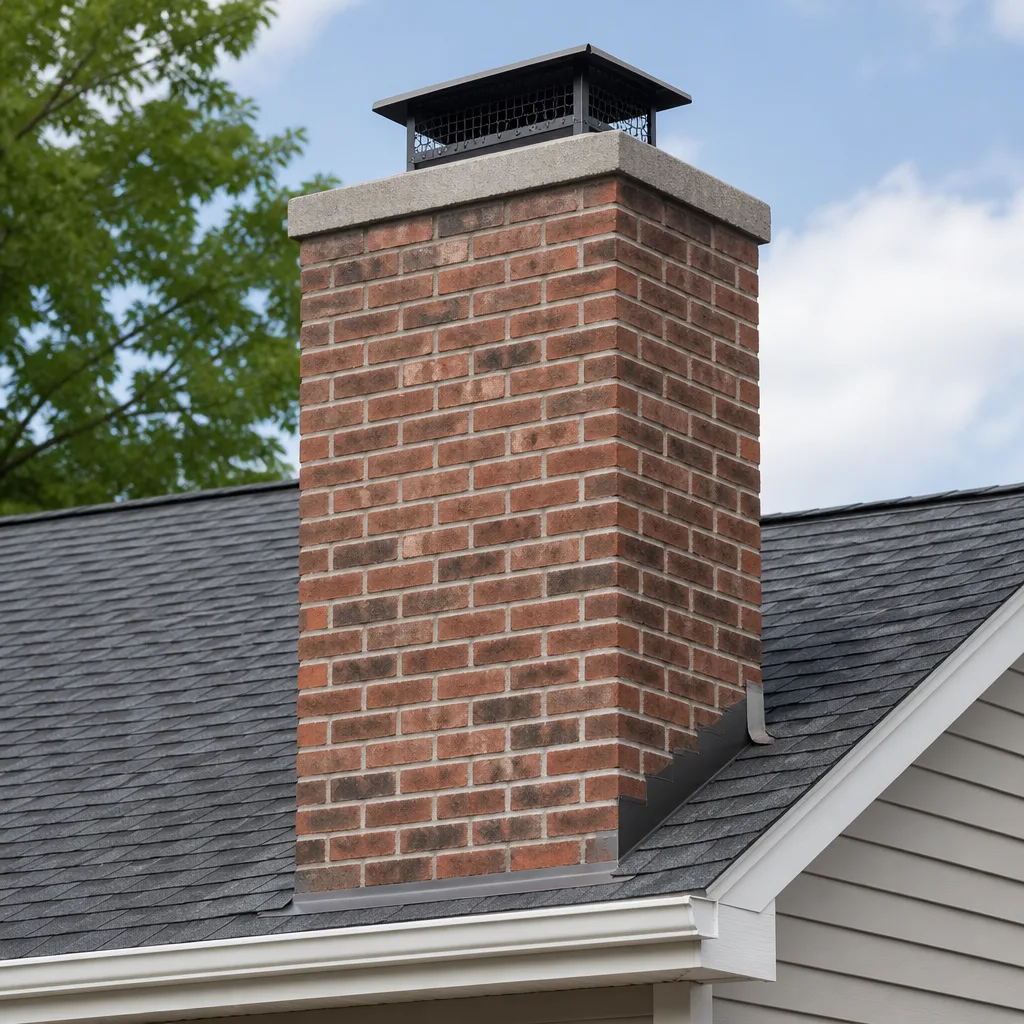 Masonry repair
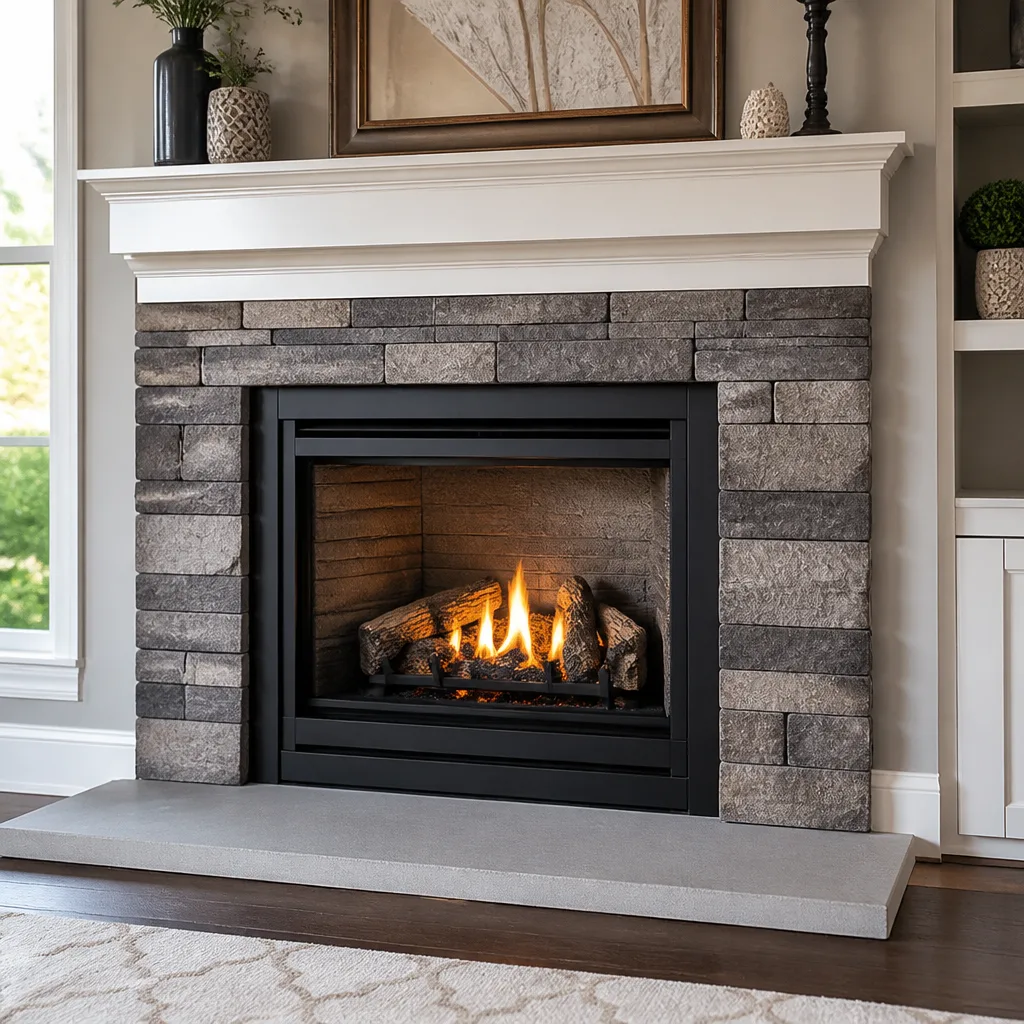 Gas fireplace service
Level 1 sweep and inspection to the NFPA 211 annual standard - flue, crown, cap, and flashing checked and photographed
Chimney sweep logs do not sweep chimneys. They loosen some creosote - which then falls where a brush and vacuum still have to collect it.
Seasonal Chimney Cleaning Care for Koreatown: Year-Round Homeowner’s Guide
Here’s a fact that surprises most Koreatown homeowners: the driest, most fire-hazardous stretch of the year in Los Angeles isn’t winter. It’s September through November, when Santa Ana winds turn every exposed chimney into a potential ember catcher. If you’ve been following the old “clean in fall, use all winter” calendar, you’re scheduling your chimney sweep at the tail end of fire season, not before it. This guide—along with our more guides & resources—lays out a Koreatown-specific seasonal care plan that actually matches where we live: no hard freeze, a long dormant stretch, and moisture patterns that do more damage when the fireplace is off than when it’s burning. By the time you finish reading, you’ll know exactly when to clean, what to inspect each season, and which repairs can safely wait.
Styles & brands we work with
Quick Answer
The optimal chimney cleaning window in Koreatown is late winter (February), after the burning season ends and before spring moisture and nesting season begin. If you burn regularly through winter, sweep once in February and inspect again briefly before the Santa Ana season in September. If you burn rarely or only use a gas fireplace, an annual inspection plus cleaning every 18 – 24 months is usually adequate, but the inspection is the part that should never be skipped.
Table of Contents
- Why Koreatown’s Climate Changes the Chimney Care Calendar
- Late Winter: The Optimal Cleaning Window
- Spring Moisture and Pest Intrusion: The Six-Week Window
- Summer Dormancy Risks: What Heat and UV Do to a Sleeping Flue
- Santa Ana Season Protocol: September Through November
- El Niño Rainfall Years: When the Priority List Shifts
- Gas Fireplace Note: Seasonal Care Still Applies
- Common Mistakes to Avoid
- When to Call a Professional
- Frequently Asked Questions
- The Bottom Line
Why Koreatown’s Climate Changes the Chimney Care Calendar
Most chimney care advice online was written for the Northeast or Midwest, where the burning season is long and the freeze-thaw cycle is the enemy. Koreatown has neither. We have a mild rainy season that runs roughly December through March, a dry stretch from May through October that includes the Santa Ana months, and a persistent marine layer that settles over the basin in May and June. Your chimney reacts to all of it differently than a chimney in Boston would.
Here’s the core problem: in Koreatown, a chimney that was cleaned in September or October sits empty for months before it sees consistent use. During that dormant stretch, it accumulates dust, pest debris, and surface creosote that hardens. When you finally light a fire in late November or December, that creosote is drier and more brittle than it would be after a fresh sweep. Dry, brittle creosote ignites more easily. If you want the fire season to start clean, you clean at the end of the previous burn cycle, not months before the next one.
There’s also a moisture dimension. The marine layer that rolls through Koreatown from late spring into summer raises relative humidity, even on days that don’t feel damp. That moisture settles inside the flue and reacts with any creosote residue, forming acidic compounds that eat at flue liners. A chimney that was swept in February and left clean through the summer is a fortress. A chimney that was swept in October and then left loaded with a full winter’s creosote through a humid spring is an acid bath waiting to happen.
What this means in practical terms: the traditional “sweep before burning season” timeline is exactly backwards for Koreatown’s microclimate. The right sequence is clean in late winter, inspect before Santa Ana season, and use the long dry summer for repairs. Most chimney repair companies in other markets do their repair work during summer because that’s their slow season, but Chimney Cleaning Permits, Codes & Inspections in CA: What You Need to Know still applies regardless of timing. We do repair work in summer for a better reason: it’s the best time for mortar, sealant, and masonry work to cure properly in our climate.
Late Winter: The Optimal Cleaning Window
February is the sweet spot for Koreatown chimney sweeping. By then, the holiday burning season has wound down, the flue has accumulated a full season of creosote, and the early spring rains haven’t yet arrived. Cleaning now means your flue goes into the dormant season clean, dry, and ready for whatever the spring brings. Here’s the seasonal logic in step form:
- Burn through December and January. Use the fireplace as intended. This is the only time Koreatown nights get consistently cold enough for fires, and the chimney needs to be hot to stay clean.
- Schedule the sweep for February. Once the season is effectively over, get the creosote out. Don’t wait until fall. A flue that’s going to sit empty for eight months should be empty of residue, not stewing in it.
- Do a visual inspection during the sweep. In our experience, February sweeps in Koreatown turn up more spalling brick and cracked crown mortar than October sweeps do. That’s because the inspector is looking at a chimney that’s been through a full weather cycle, not one that’s been previously cleaned and then quietly dormant.
- Take care of minor repairs in late spring. The sweep identifies issues. The repair happens when the weather cooperates. In Koreatown, that means late March through June, after the rainy season ends and before the serious heat arrives.
If you’re burning seasoned hardwood and your fires are consistently hot rather than smoldering, the creosote buildup will be lighter. But in our experience, Koreatown fireplaces are often used in shorter, lower-temperature bursts than their East Coast counterparts. A fire that lasts 45 minutes while the family watches a movie produces more condensation and creosote per log than a four-hour burn that fully heats the flue. Short fires are the norm in urban Los Angeles, and short fires are creosote factories. That’s one reason we recommend an annual sweep even for moderate users. A full Chimney Sweep in Koreatown visit includes the inspection as part of the service, which is where the real value is.
Spring Moisture and Pest Intrusion: The Six-Week Window
In Koreatown, the period from late March through May is the single most active time for animals trying to get into chimneys. The housing stock here is old by Los Angeles standards. Many buildings in the neighborhood date to the 1920s and 1930s, and even the newer condo stock from the 1980s and 1990s has original chimney caps that are now three or four decades old. An old cap with a rusted-out screen is an open door.
The species we see most often in Koreatown chimneys, in order of frequency: pigeons, starlings, house sparrows, raccoons (less common in high-density areas, but present in older residential pockets), and squirrels. Pigeons are the biggest problem because they’ll nest on the smoke shelf and return year after year. They also bring nesting material that blocks airflow and creates a fire hazard inside the flue.
Spring is the window to close off access before nesting season peaks. Here’s what to check:
- Chimney cap and spark arrestor. Check for rusted mesh, gaps around the edges, or missing cap components. A cap with 3/4-inch mesh will keep out birds. If you’re seeing rust through the mesh, replacement is a hardware fix, not a masonry job.
- Flue damper seal. When the damper is closed, it should sit flush. If you can see daylight around the edges, small birds can get in, and conditioned air is leaking out all summer.
- Chase cover and crown mortar. Water entry points that look like cracks in the crown are also entry points for insects. Carpenter ants and termites have been known to enter through deteriorated crown mortar and follow the masonry down into wall cavities. It’s not the most common vector, but it happens.
- Flashing seal. The join between the chimney and the roof line is a common entry point for both water and pests. Check for lifted flashing or dried-out sealant after each rainy season.
If pests have already claimed the flue, don’t try to smoke them out or block the chimney from below. A blocked flue is a carbon monoxide hazard, and a trapped animal creates an entirely different problem. This is one of the scenarios where a professional removal and cleanout is the right call. The sweep removes the nest, the professional-grade cap goes on, and the problem doesn’t recur. A Chimney Repair in Koreatown visit can address both the cleanout and the cap replacement in one trip.
Summer Dormancy Risks: What Heat and UV Do to a Sleeping Flue
A chimney that isn’t being used still takes a beating. But the nature of the beating is different in Koreatown than in places with cold winters. Here, the summer risk profile is dominated by three forces: UV degradation, thermal cycling, and June Gloom humidity.
UV degradation. The crown, which is the concrete or mortar slab that caps the top of the chimney, is the most UV-exposed surface in the system. Los Angeles gets roughly 284 sunny days a year, and Koreatown sits in the middle of the city’s heat island. Over time, UV breaks down the polymer binders in crown sealants, causing them to crack and lose adhesion. A cracked crown lets water into the flue, the smoke shelf, and eventually the masonry structure itself. The damage is slow, and you won’t see it from ground level. It’s something we look for on every summer inspection.
Thermal cycling. Koreatown summer days swing from overnight lows in the mid-60s to afternoon highs in the 90s. That’s a 25- to 30-degree daily temperature swing, and the brick and mortar absorb and release heat at different rates. Over enough cycles, this creates hairline cracks in the mortar joints. The cracks aren’t dangerous by themselves, but they’re the starting point for water intrusion, and in an older Koreatown chimney they can accelerate spalling, which is when the brick face starts to flake and crumble.
June Gloom humidity. The marine layer that settles over Koreatown in May and June pushes relative humidity up into the 70- to 80-percent range most mornings. In a dirty flue, that moisture accelerates creosote degradation. In a clean flue, it’s mostly a non-issue, which is one more argument for the February sweep. The moisture also affects metal components: dampers, damper frames, and the fasteners holding caps in place. Galvanized steel components that were installed decades ago will eventually rust through, and June Gloom is the moisture that pushes them over the edge.
For homeowners who use the fireplace only in December and January, summer is the season to have the chimney looked at and any sealant or cap work done. The materials cure better in warm, dry weather, and the work is done long before you’re thinking about fires. We use Gelco cap and chase cover products for exactly this purpose. They’re made for UV-heavy climates like this one, not for a generic national average.
Santa Ana Season Protocol: September Through November
Santa Ana season is the period when Koreatown is at the highest baseline fire risk. The winds come from the desert, not the ocean, and they bring single-digit humidity and sustained gusts that can carry embers a quarter mile or more. Your chimney is a vertical tube of accumulated creosote that vents directly into the air. If an ember falls into an open spark arrestor, or if the wind drives sparks from a neighboring structure into your flue, the material inside determines whether it smolders out or ignites.
The protocol is simple, and it takes about 15 minutes. Here’s the checklist we recommend every Koreatown homeowner run through before the first Red Flag Warning of the season:
- Verify the spark arrestor is intact. The spark arrestor is the mesh screen at the top of the flue. If it’s missing, torn, or rusted through, a Santa Ana wind can carry a live ember directly into the flue. This is the single most important check for fire season.
- Close the damper. When the fireplace isn’t in use, the damper should be closed. It’s not just about energy efficiency. An open damper creates a draft that can pull airborne debris into the flue.
- Remove any visible debris from the fireplace. Clear the firebox of paper, kindling, pet hair, and anything else that could catch. The firebox itself should be swept and the debris discarded.
- Check the flue from the inside. Shine a flashlight up the flue from the fireplace. If you can see significant creosote buildup, or if you see glazing, which appears as a shiny, tar-like coating, do not burn and do not wait. Glazed creosote is the hardest to remove and the most flammable.
- Make sure the damper opens and closes freely. A damper that’s stuck partially closed by rust or debris will allow a fire to smolder, producing more creosote and less clean heat.
If you burned through the previous winter without a sweep, September is the month to get the chimney cleaned, not November. Our calendar recommendation is that September sweeps are for people who skipped February. The flue should never go into Santa Ana season with a full season of creosote in it. In the worst case, if embers reach the creosote and the flue ignites, you have a chimney fire on your hands—exactly the scenario covered in our Chimney Cleaning Emergency Preparedness Guide for Koreatown Homes—and chimney fires in dense urban neighborhoods like Koreatown can spread through the roof structure faster than fire crews can respond. It’s not the kind of risk you want to carry into a Red Flag Warning.
One more note on Santa Ana season: when the winds are actively blowing, ash and airborne grit will find their way into any chimney with a damaged cap or spark arrestor. After a particularly dusty wind event, check the firebox for accumulated debris before you light the first fire of the season. A thin layer of dust is fine. A pile of the stuff might mean the cap isn’t doing its job.
El Niño Rainfall Years: When the Priority List Shifts
In an El Niño year, Southern California’s rainfall can be two to three times the long-term average. For Koreatown, that means weeks of on-and-off heavy rain instead of the typical few significant storm events. A chimney that’s been fine through dry years can suddenly reveal its weaknesses during an El Niño winter, because the water has time to work its way into cracks and sit there.
The inspection priority list changes in a wet year. Here’s what we look for first after a heavy rain cycle:
- Crown cracking and spalling. The crown is the first line of defense against rain. In our experience, the crown failures we find in Koreatown after El Niño winters are usually the result of pre-existing UV damage from the dry years that preceded them. The rain just exploits the cracks that were already there.
- Flashing separation. Rain driven by wind will find its way under lifted flashing much faster than vertical rain. After a heavy storm season, check around the base of the chimney for water stains on the interior ceiling.
- Efflorescence. White, chalky deposits on the exterior brick are the visible sign of water moving through masonry. In a wet year, efflorescence that was previously faint becomes pronounced. It’s not structurally dangerous by itself, but it’s the clearest signal that water is intruding.
- Damper rust. Metal damper components that were fine through dry years can rust quickly in a wet one. A rusted damper either seizes or doesn’t seal properly, which is a draft and moisture problem going forward.
If the chimney is due for a liner restoration, an El Niño year is often when that decision becomes unavoidable. The liner is the barrier between the flue and the masonry structure. When it cracks and the rains are heavy, the masonry soaks up water, which accelerates spalling and can eventually cause structural problems. This is where product choice matters. A properly specified DuraFlex stainless-steel liner will fit the existing flue and handle the combustion byproducts without relying on the masonry as the barrier. It’s the sort of repair that can be done in a day once the flue is prepped. If you’re looking at liner options for an older Koreatown chimney, Chimney Repair in Koreatown is the page that covers the full scope of what we do.
Gas Fireplace Note: Seasonal Care Still Applies
A lot of Koreatown residents heat with gas fireplaces or gas log sets, and they reasonably assume the seasonal rules don’t apply. The fire produces no creosote and no ash, so what’s the concern? Three things: moisture, venting integrity, and carbon monoxide. The flue and chimney are still there, and they’re still exposed to everything described above. More importantly, a gas fireplace that isn’t venting properly is a carbon monoxide source, and the problem is invisible and odorless.
Our recommendation for gas fireplace owners is the same as for wood burners, with one adjustment: the annual inspection is less about creosote and more about venting. A gas log set that was installed into a wood-burning fireplace without updating the venting can produce condensation that deteriorates the masonry from the inside. And a gas fireplace that shares a flue with a water heater requires the flue to be functioning correctly at all times, not just when you’re using the fireplace. These are inspection points, not optional extras.
If you have a gas fireplace and haven’t had the venting checked in a few years, the February sweep window applies to you too. It’s the same visit, the same inspection, and a lot of the same peace of mind.
There’s one more piece of the household fire-safety picture we should mention here. The same conditions that make a dirty chimney dangerous also make a clogged dryer vent dangerous. Lint accumulation is the No. 1 cause of dryer fires, and Koreatown’s older building stock, with its long vent runs and shared wall cavities, is exactly the kind of environment where those fires spread. Our Dryer Vent Cleaning in Koreatown service is built around the same seasonal logic: clean it before it becomes a problem, not after. If you’re walking through the house checking fire-safety items for the season, add the dryer vent to the list.
Common Mistakes to Avoid
- Treating Koreatown like a cold-climate market. The “sweep every fall” calendar doesn’t fit this climate. You’re cleaning at the end of fire season, not the beginning, and the long dry summer changes the repair schedule. Using a generic national calendar means you’re always 6 months behind the actual condition of your flue.
- Assuming gas fireplaces don’t need inspections. The flue is still exposed to weather and still moves exhaust. A gas fireplace isn’t maintenance-free; it’s just different maintenance. Skipping the inspection entirely is how carbon monoxide problems go undetected.
- Waiting until the first cold snap. If you wait until a cold December night to discover the damper is stuck or the flue is blocked, you’re calling for an emergency visit during the busiest month of the year. In Koreatown, the first cold snap is also the time when every other homeowner is doing the same thing.
- Forgetting the spark arrestor. This is the most common missed item we see in Koreatown chimneys. The spark arrestor rusts out slowly, and nobody thinks about it until Santa Ana season. By then, it’s the variable you really can’t afford to be missing.
- Putting off pest exclusion. Once pigeons nest in a chimney, they come back year after year, and they bring debris with them. The off-season is the time to put the cap on. If pests are already present, DIY removal usually makes the problem worse, and sometimes creates a carbon monoxide hazard.
- Ignoring the crown. The crown is one of the least visible parts of a chimney, but it’s the most important structural component for water management. Most Koreatown homeowners have never looked at their chimney crown. By the time the damage is visible from the ground, it’s usually been leaking for years.
- Letting a small repair wait until it’s a big one. A cracked crown seal and a deteriorating flue liner are two different problems in both scope and cost. The first is a same-day fix. The second is a liner restoration project. In our experience, most big chimney problems start as small ones that were waiting on a more convenient season.
When to Call a Professional
A professional chimney inspection is warranted if you’ve never had the chimney inspected since buying the home, if you see visible creosote buildup or glazing in the flue, if you smell musty or smoky odors when the fireplace is not in use, or if you’ve noticed any water staining around the ceiling near the chimney. These are not cosmetic concerns; they’re indicators of structural or fire-safety issues. A professional visit includes the camera inspection and a written report, so you can see what we found and make decisions based on evidence rather than a phone estimate. Imperial Chimney offers free estimates in Koreatown. Call (866) 253-3809 to schedule. And remember that Imperial Chimney home covers the full scope of chimney and venting services, from routine sweeps to liner restoration with HeatShield.
Frequently Asked Questions
A standard chimney sweep in Koreatown typically ranges from $150 to $300 for a basic cleaning and inspection, with the price varying based on flue condition, accessibility, and whether repairs are needed—see our Chimney Cleaning Cost Breakdown: The Koreatown Homeowner’s Reference for 2026 for a fuller picture. Koreatown’s older housing stock tends to have more complex chimney systems than newer builds, so a flat national price isn’t realistic here. Call (866) 253-3809 for a specific quote; estimates are free and we’ll tell you exactly what’s included.
For wood-burning fireplaces used regularly through the winter, an annual sweep in late winter is the right interval. For occasional users and gas fireplace owners, an annual inspection with a cleaning every 18 to 24 months is usually adequate. The inspection is the part that shouldn’t be skipped; the sweep is just the mechanical removal of whatever the inspection finds.
You can clear the firebox of ash and debris yourself, but cleaning the flue properly requires specialized brushes, rods, and in most cases a professional vacuum system to control dust. The safety concern isn’t just creosote buildup; it’s the risk of damaging the flue liner with incorrect brush sizes or techniques. We also see a lot of DIY sweeps that miss the smoke shelf, which is where the most flammable creosote collects.
You need a new liner if the existing one is cracked, spalling, or compromised in a way that allows heat transfer or combustion gases to reach the masonry. That’s a safety issue, not an upsell. The way to verify it is with a camera inspection. If a contractor recommends a liner replacement without camera evidence, you should be skeptical. If they show you the video and the cracks are visible, the recommendation is legitimate. HeatShield resurfacing can also repair liners that are cracked but not structurally compromised, which is often significantly less expensive than a full replacement.
Late spring and summer are the best seasons for chimney repairs in Koreatown. The weather is warm and dry, which allows mortar and sealant to cure properly, and the rainy season is still months away. This is also the season when most of the annual moisture and UV damage has become visible, so the inspection reveals more than it would in February.
Yes. Homes built before the 1940s in Koreatown often have unlined or clay-tile-lined flues that were designed for different types of fires and different era building codes. These systems require more frequent inspection and are more likely to need liner restoration or replacement. The masonry is also older and more vulnerable to water intrusion, so the crown and flashing checks are more important than they would be on a newer build.
In the short term, nothing. Creosote accumulates slowly, and a single skipped year rarely causes a fire on its own. The problem is that creosote hardens into glazed creosote, which is much harder to remove and much more flammable. A chimney that went two or three years between sweeps is also more likely to have undetected water damage, pest intrusion, or liner deterioration. The cost of catching up later is almost always higher than the cost of the annual maintenance. Call (866) 253-3809 if it’s been more than 18 months since your last chimney service.
The Bottom Line
Koreatown’s climate doesn’t follow the national chimney care calendar, and neither should you. Clean in late winter after the burning season ends. Inspect the spark arrestor and damper before Santa Ana season. Use the dry summer months for repairs and cap replacement. Watch for moisture intrusion during El Niño years. And give the same seasonal attention to your dryer vent that you give to your chimney. All of this is built on a simple principle: the chimney is a system, not a fireplace. It’s working and weathering year-round, even when the fire is off. Treat it that way, and it will serve the house for decades.
Written by the team at Imperial Chimney, serving Koreatown since 2017.
See the difference
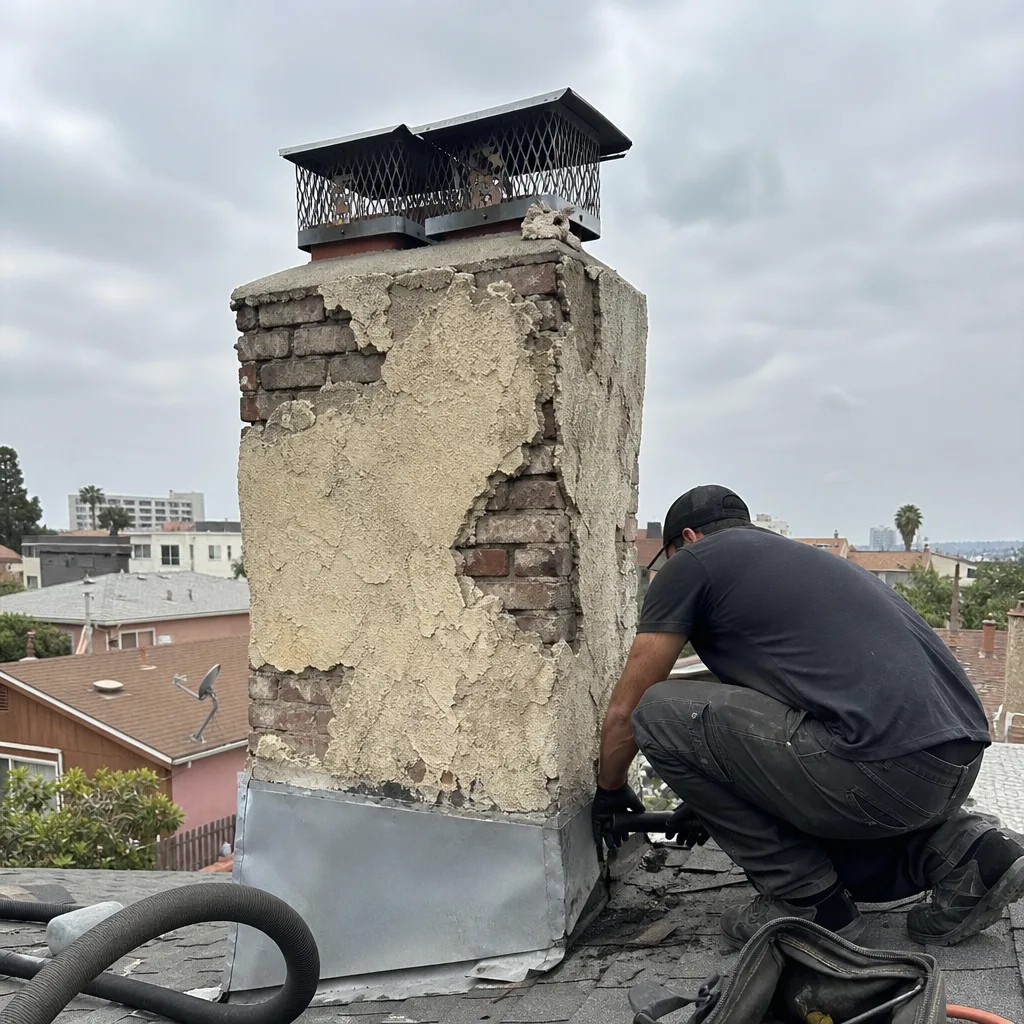 Before
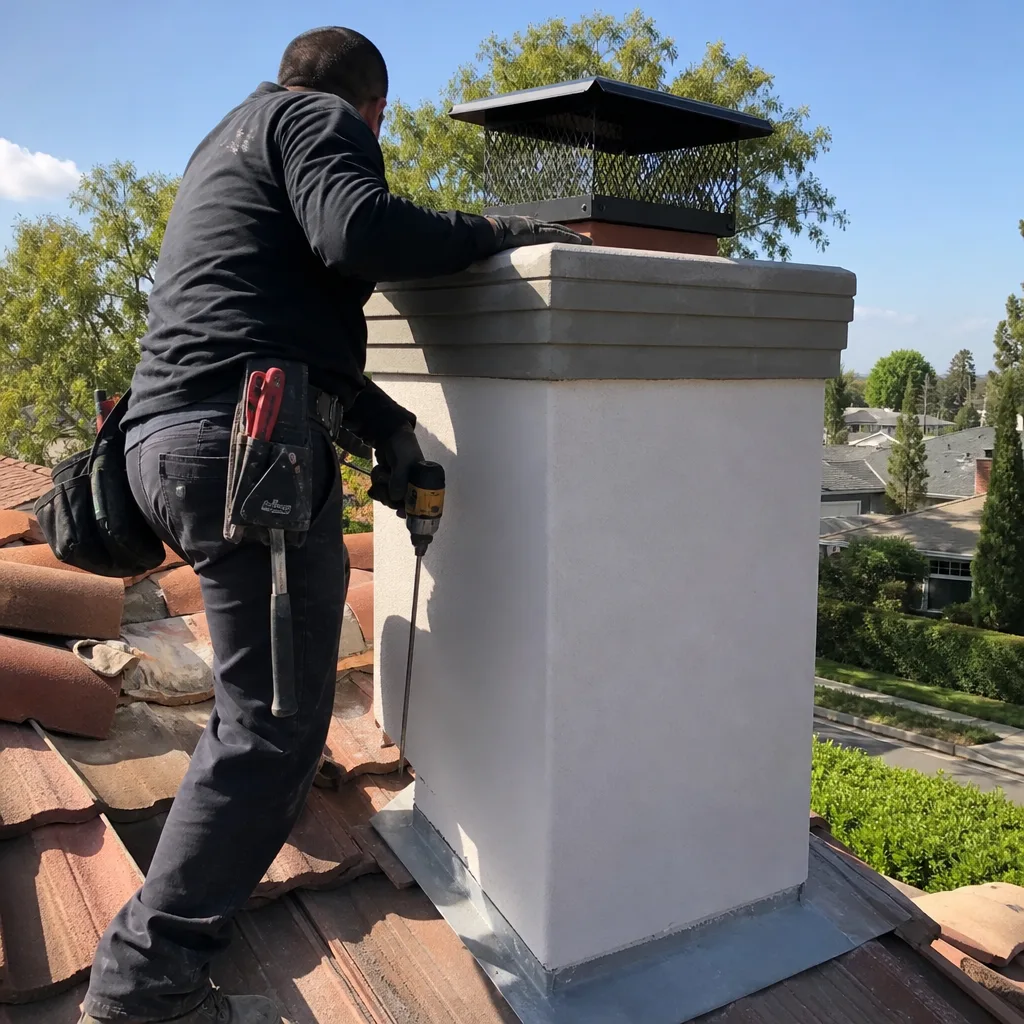 After
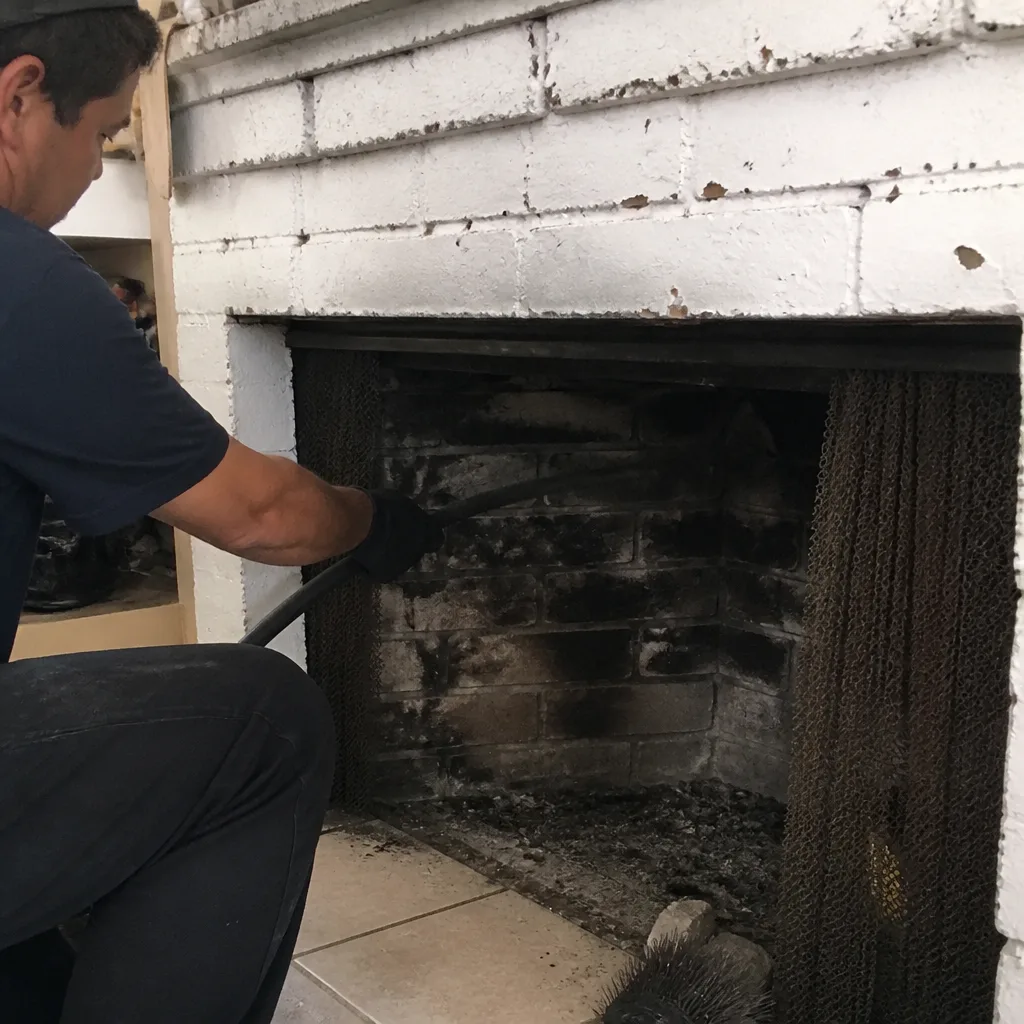 Before
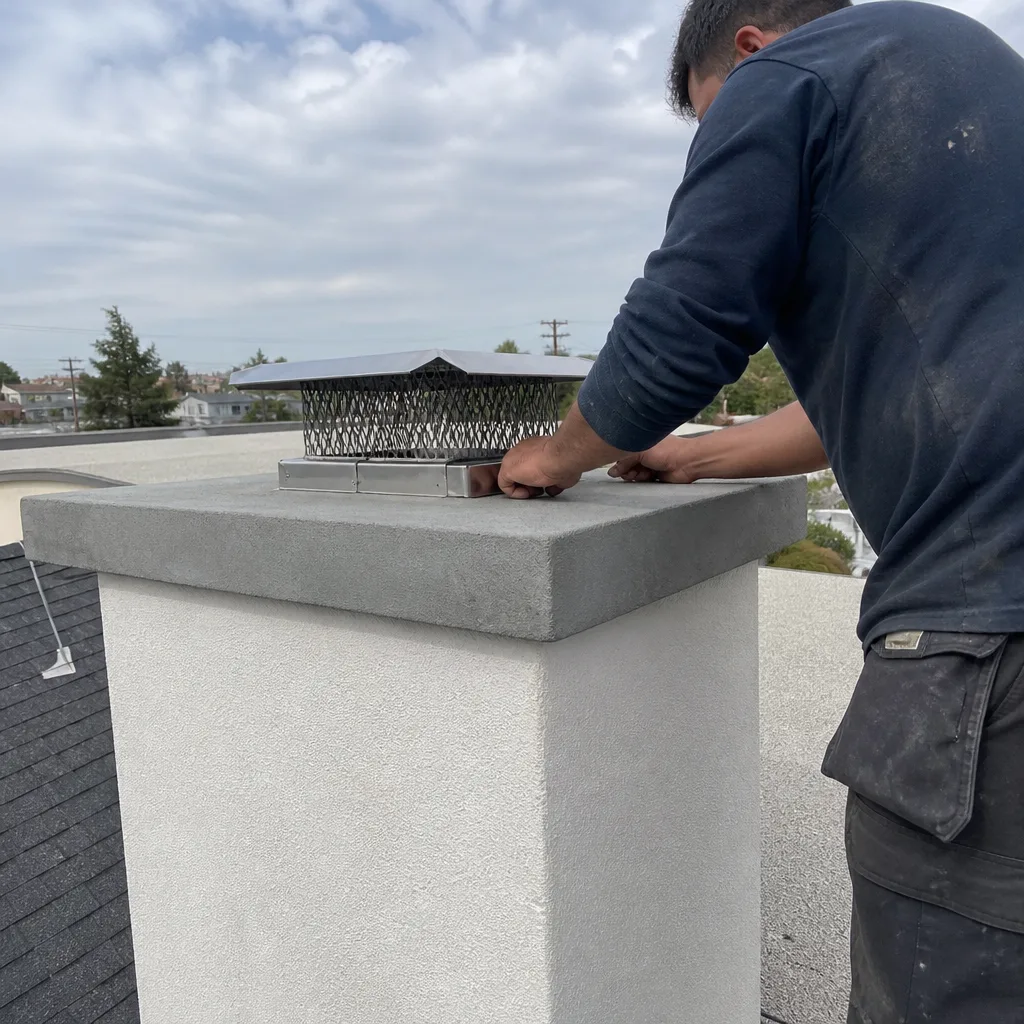 After
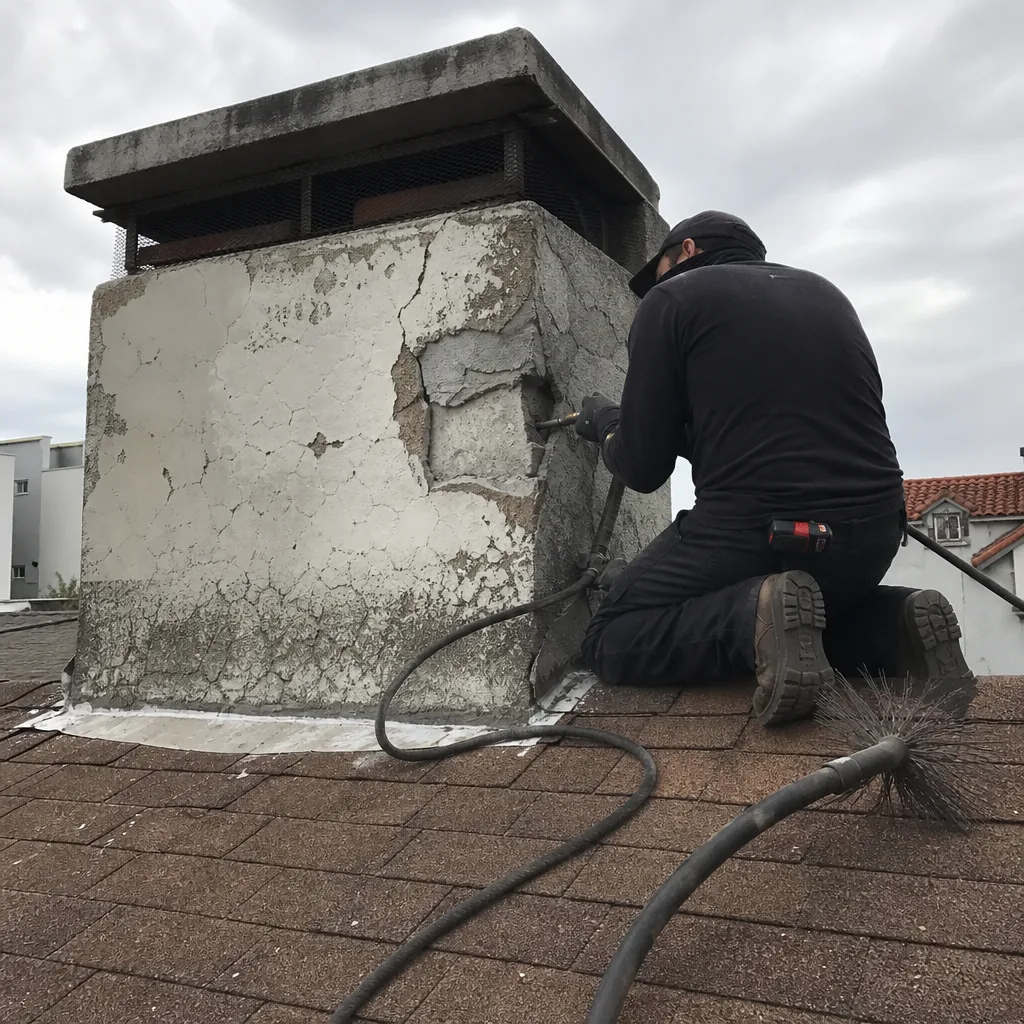 Before
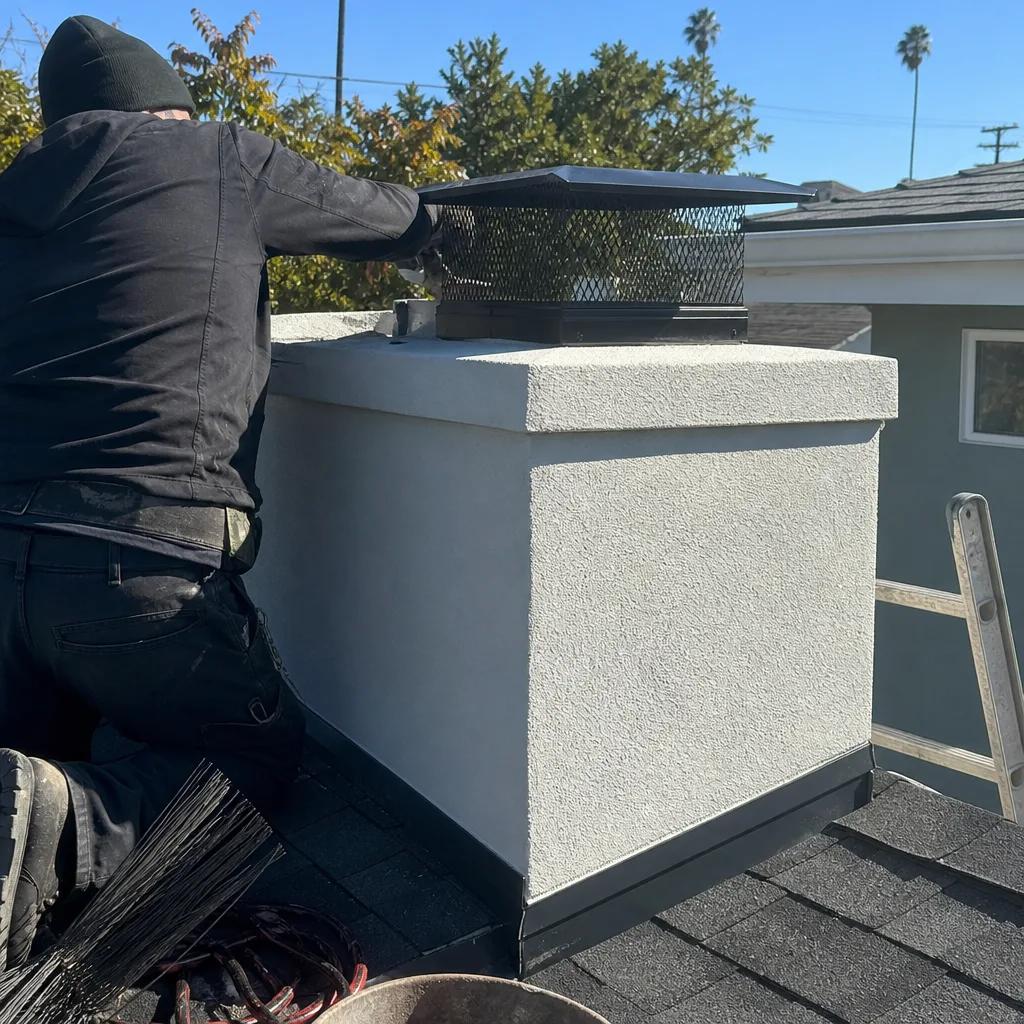 After