
Last updated October 30, 2026
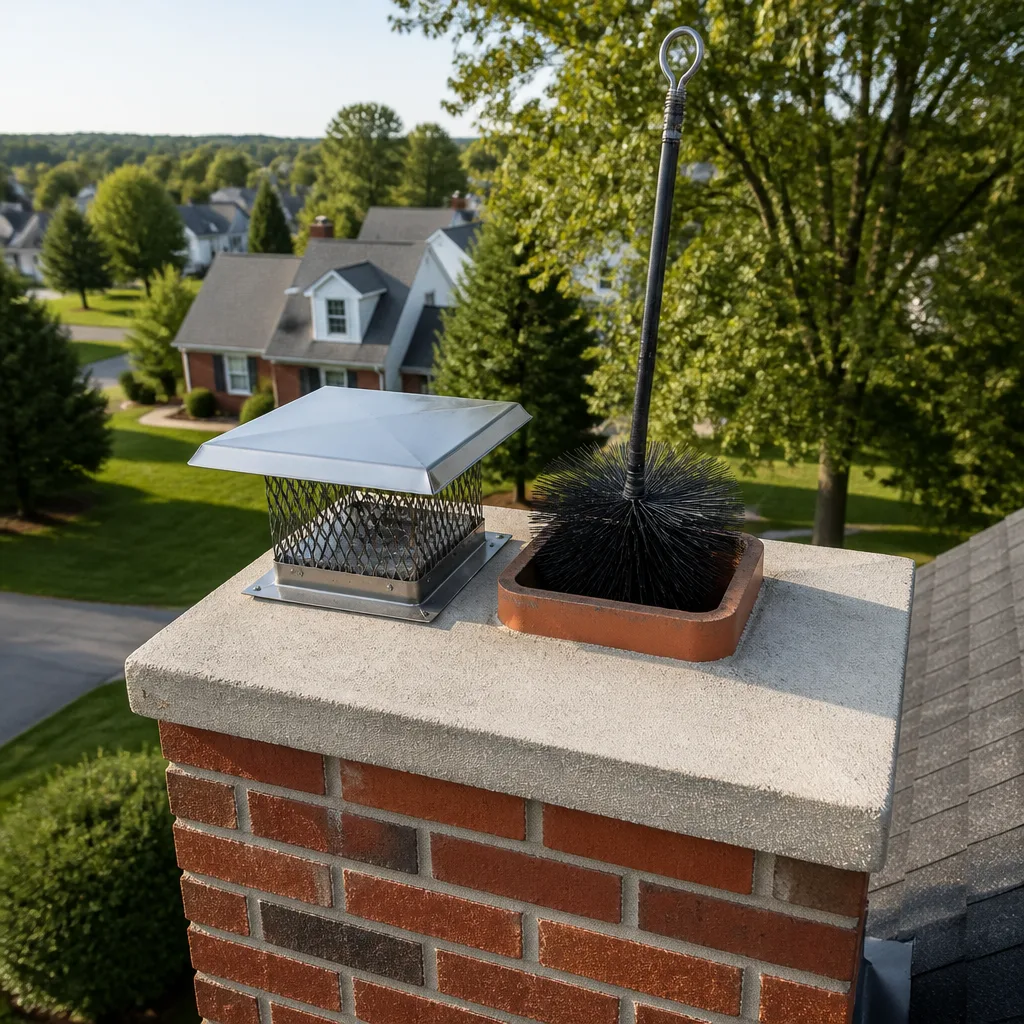 Sweep & inspection
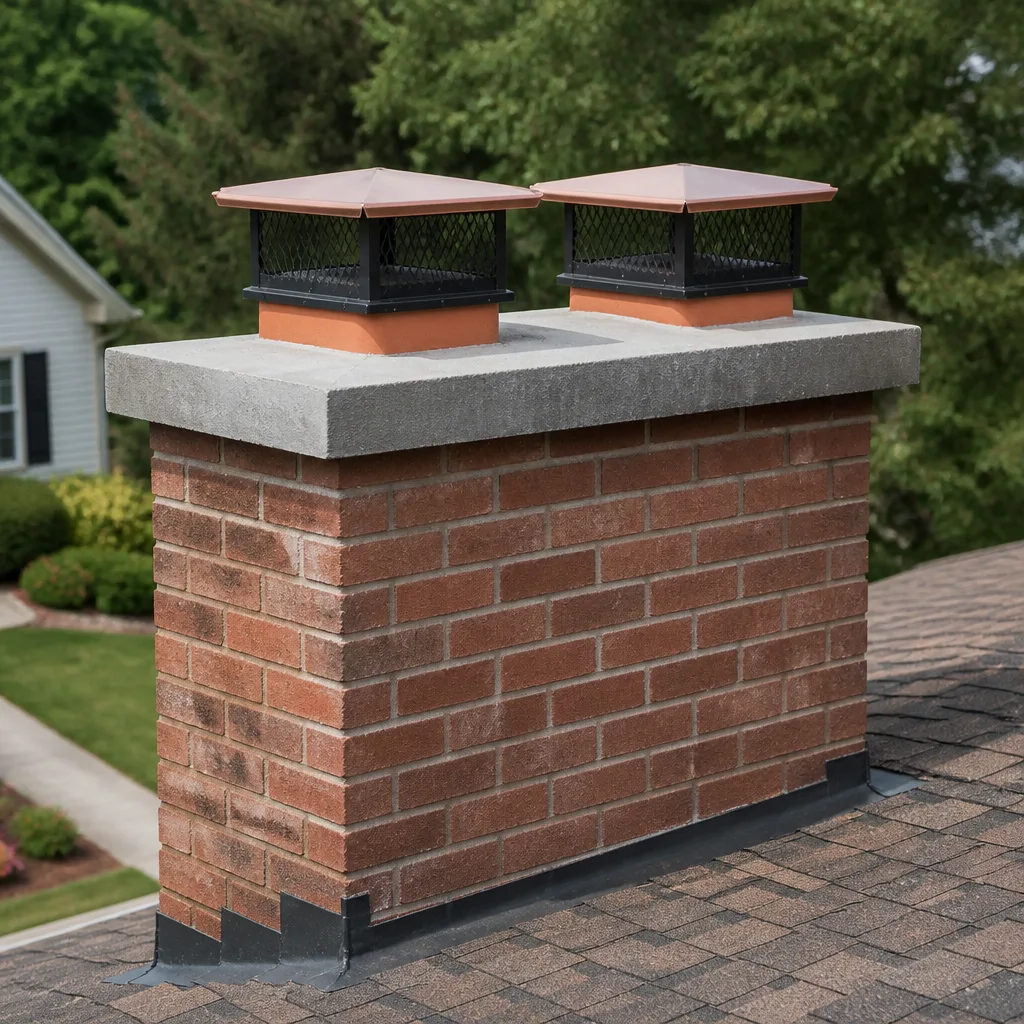 Caps & crowns
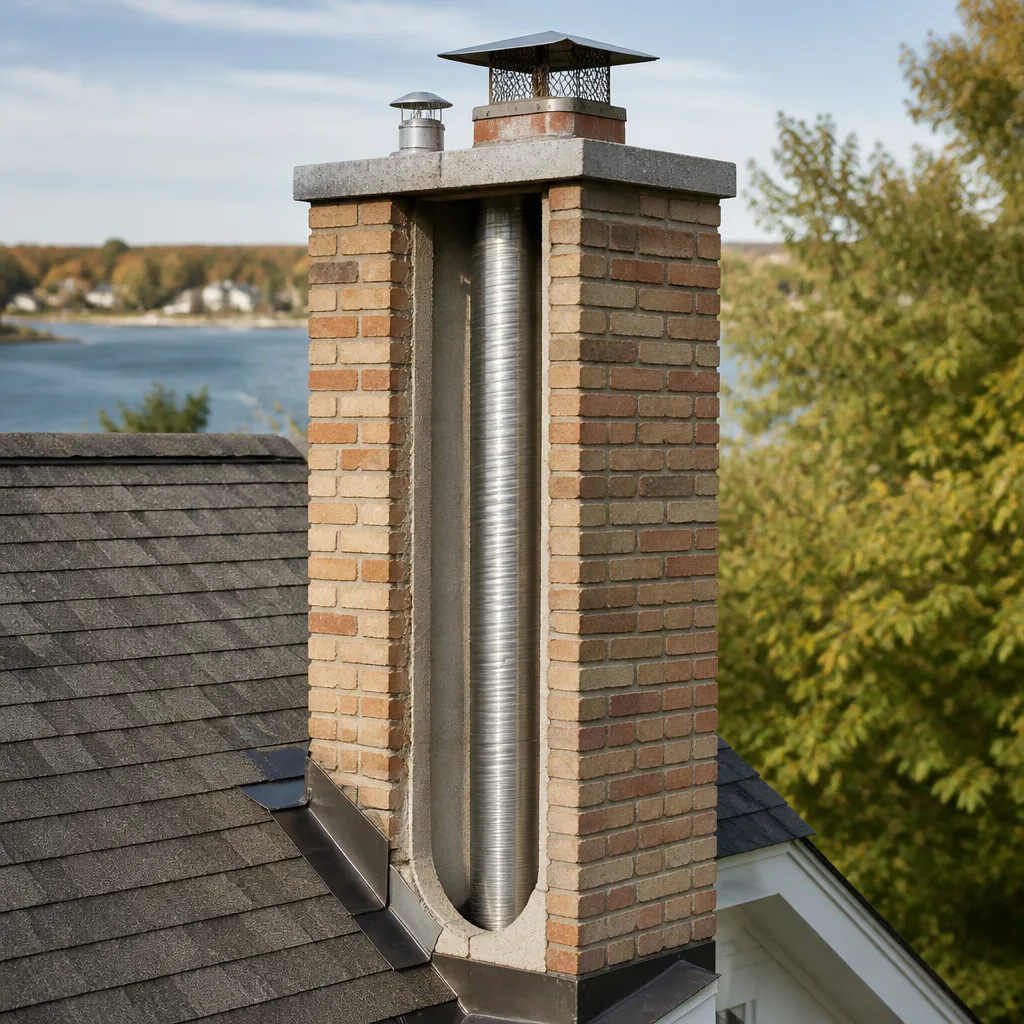 Flue relining
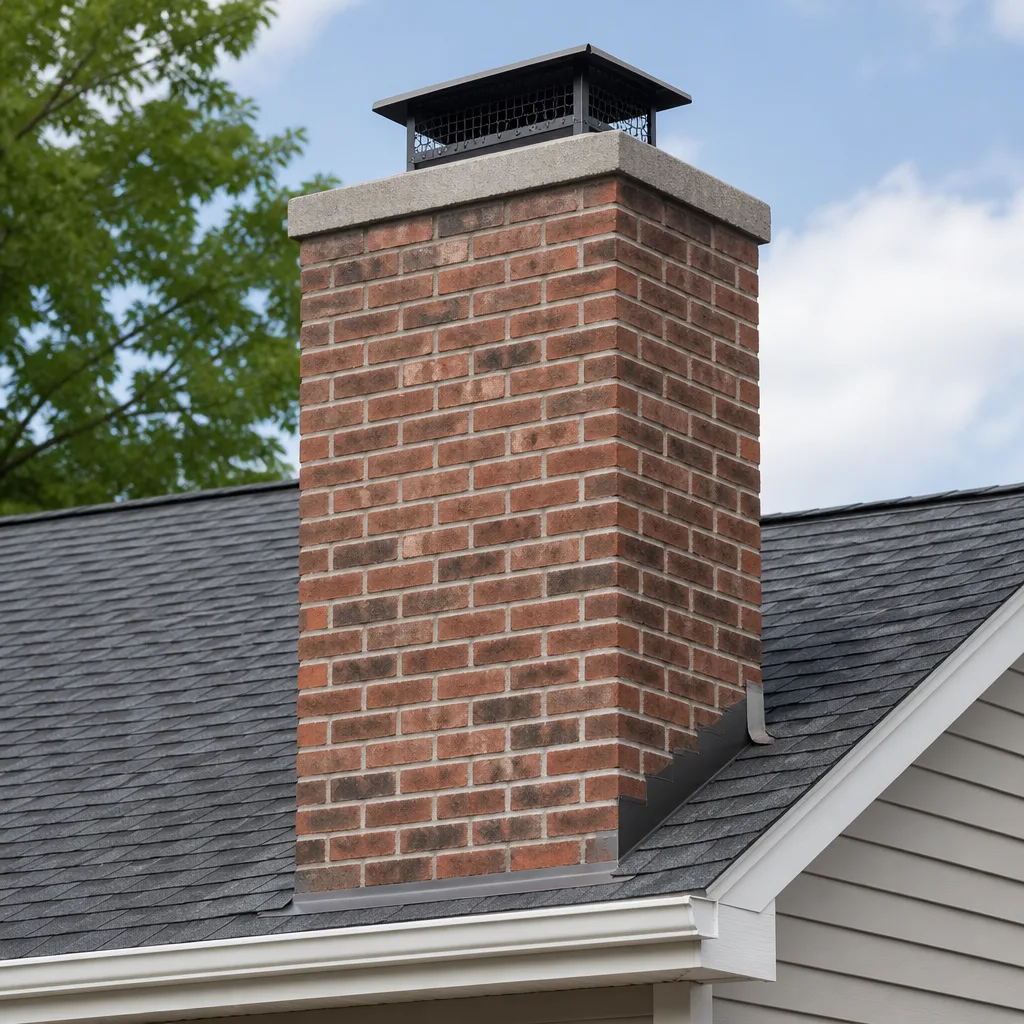 Masonry repair
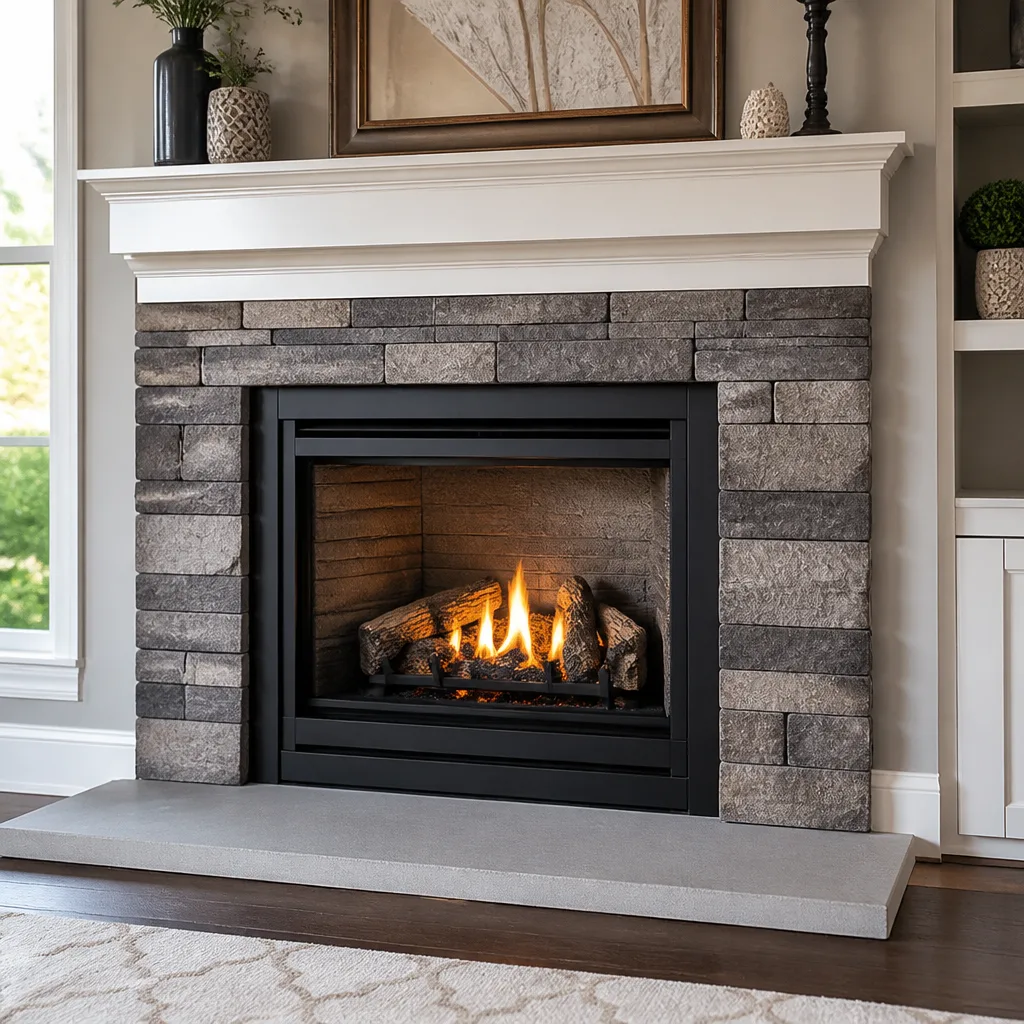 Gas fireplace service
Level 1 sweep and inspection to the NFPA 211 annual standard - flue, crown, cap, and flashing checked and photographed
Chimney sweep logs do not sweep chimneys. They loosen some creosote - which then falls where a brush and vacuum still have to collect it.
Chimney Cleaning Cost Breakdown: The Koreatown Homeowner’s Reference for 2026
In Koreatown, two neighbors on the same block can pay $129 and $380 for what both call a “chimney cleaning” and both walk away convinced they got the standard service. They didn’t. One got a brush run and a handshake. The other got a documented inspection, camera footage, and a written report. The $251 gap isn’t markup. It’s the difference between a maintenance task and a diagnostic procedure. This guide breaks down every line item, every add-on, and every red flag so you can read a quote from any sweep in Koreatown and know exactly what you’re paying for, what’s missing, and what should make you ask questions before the crew arrives. For related reading, see our Chimney Cleaning Warning Signs: A Koreatown Homeowner’s Reference Guide.
Quick Answer
A basic chimney sweep in Koreatown costs $129 to $229 in 2026. A sweep with a proper Level 1 inspection runs $189 to $289. A sweep with a Level 2 video camera inspection (the standard we recommend for any home that’s been swept less than once a year or is changing fuel types or appliances) costs $289 to $419. The single biggest pricing variable isn’t how dirty your flue is. It’s whether anyone actually looks at the chimney before, during, and after the cleaning.
Styles & brands we work with
Table of Contents
- Why Chimney Cleaning Quotes Vary by $200 in Koreatown
- The Real Line-Item Breakdown: What Every Quote Should Include
- Level 1 vs Level 2 Inspections: What You’re Actually Buying
- How Koreatown’s Roof Lines and Access Points Affect Labor Pricing
- Legitimate Add-Ons vs. Upsell Red Flags
- What a Camera Inspection Costs and Why Skipping It Is a False Economy
- CSIA-Certified Specialist vs. General Handyman: A Cost Comparison Framework
- Materials Cost Reality: What You Pay for Caps, Liners, and Flue Components
Why Chimney Cleaning Quotes Vary by $200 in Koreatown
When we line up quotes from a dozen different companies across Koreatown, the spread is never random. It tracks almost perfectly with scope. A $99 special typically covers one thing: pushing a brush up a flue and hauling out whatever falls. A $299 service includes the same brush work plus a documented inspection, written findings, and usually a camera run. A $419 quote adds the camera as a formal Level 2 inspection protocol, which carries a specific set of eyes-on requirements beyond just “look up the flue.”
Here’s what that spread actually maps to in labor and time:
- Basic sweep ($99-$149): 30 to 45 minutes. One technician. Brush only. No inspection documentation. No written report beyond maybe a receipt.
- Sweep with Level 1 inspection ($189-$289): 60 to 90 minutes. One technician. Includes checking accessible portions of the chimney interior and exterior, hearth, and connections. Written findings included.
- Sweep with Level 2 video inspection ($289-$419): 90 to 150 minutes. Often still one technician but sometimes two for older Koreatown rooflines. Internal video documentation of the entire flue. Written report with findings and photos.
We’ve seen older buildings around Wilshire and Western where roof access takes 20 minutes before the ladder even touches the chimney. That labor is real. What isn’t real is a $99 sweep that includes an inspection. It can’t. Not at that price, not with that time budget.
Read every quote the same way: what exactly is the technician doing during the time they’re at your home, and what do you get to keep afterward? If the answer is “cleaning the flue” and nothing else, the price reflects that. If the answer includes “documenting the condition of the firebox, damper, flue liner, crown, and chase cover,” the price reflects that too. Neither is a scam. Only the presentation is occasionally dishonest.
The Real Line-Item Breakdown: What Every Quote Should Include
When a contractor in Koreatown hands you a quote, line items tell you more than the total does. A legitimate quote itemizes the work. A vague quote hides behind a single number and the word “cleaning.” Here’s the anatomy of an honest chimney sweeping invoice in the LA market for 2026.
Core Line Items That Should ALWAYS Be Included
These are not optional. If they’re missing from a quote, what you’re buying isn’t a chimney cleaning. It’s a brush rental with a human attached.
- Flue brushing and soot removal: The base labor. $75 to $130 of the quote. Includes floor protection, drop cloths, and cleanup.
- Firebox and damper cleaning: $25 to $45. A proper sweep removes ash and creosote from the firebox and works the damper to confirm it operates. If a quote doesn’t mention the damper, ask why.
- Smoke chamber cleaning (for masonry fireplaces): $30 to $60. The smoke chamber, the area above the damper where smoke gathers before entering the flue, collects creosote faster than most homeowners realize. In older Koreatown brick chimneys, this area is often rough with ledges that catch debris.
- Basic safety check: $20 to $40 or folded into inspection. This is the technician confirming no visible cracks, no loose bricks, no obvious animal entry. It’s not a substitute for a formal inspection, but it’s a floor.
- Cleanup and disposal: Should be included in base labor. Soot and creosote disposal is not a premium service. If someone charges $45 for “debris removal,” you’re being nickeled.
Line Items That Are Legitimate Add-Ons
These appear on a quote only when conditions warrant them. They’re not padding, but they should always be explained.
- Creosote removal with chemical treatment: $50 to $120. For glazed or level 2 creosote (harder than a brush can safely remove), chemical treatments like Cre-Away or Rutland’s creosote remover soften deposits before brushing. Real when the deposits are real.
- Animal or nest removal: $150 to $300. Birds, squirrels, and raccoons in Koreatown’s older rooflines are a reality. This is extraction plus access plus disposal. It should come with a cap recommendation afterward.
- Chimney cap replacement or upgrade: $120 to $320 for standard caps. See the materials section below for brand pricing.
- Minor mortar repair at the crown (tuckpointing): $8 to $15 per square foot of masonry repair. Small patches are reasonable add-ons during a sweep visit. A complete crown rebuild is a different conversation, and a different quote.
Line Items That Are Red Flags
- “Level 2 inspection included” on a $99 special: Impossible as a business model. The camera equipment, the training, the time, and the report generation cost more than $99. What you’re getting is a glance up the flue with a flashlight, called an inspection.
- “Flue strengthening additive”: There is no such product. This is invented.
- “Emergency corrosion treatment” for a standard service visit: Chimney corrosion doesn’t need emergency treatment. If they found corrosion, they should show you photos and give you a written quote for repair, not suggest a spray-on solution.
- Line item for “certification” or “permit processing” on a simple sweep: Sweeps don’t require permitting in Los Angeles. Repairs sometimes do, but a normal cleaning never does.
- “Multi-year discount” that requires prepayment: Pay for one service at a time. A legitimate contractor doesn’t need your money for next year.
One more observation. We see a lot of quotes in this market. The ones that itemize thoroughly are almost never the cheapest. That’s not a coincidence. The company that documents what they’re doing has thought about what they’re doing. That thinking is worth paying for.
Level 1 vs Level 2 Inspections: What You’re Actually Buying
The inspection level is where pricing quotes in Koreatown diverge most dramatically because the terms sound similar and mean very different things. A Level 1 inspection is visual. A Level 2 inspection is documented and diagnostic. Understanding the difference is the first step toward a quote comparison that isn’t nonsense.
Level 1 Inspection: The Visual Baseline
A Level 1 inspection is what should happen during every sweep at minimum. The technician uses a flashlight, checks the readily accessible portions of the chimney interior and exterior, the fireplace connection, and basic appliance function. No access doors are opened. No camera equipment is used. No specialty lifts. The deliverable is usually a short written note or verbal summary.
Adds $30 to $75 to a base sweep. Time: 20 to 30 minutes.
A Level 1 is appropriate when the chimney is being used the same way it always has been, with the same fuel, at the same frequency, and no problems have emerged. If all those conditions hold and you have the chimney swept annually, a Level 1 during each sweep is reasonable. But Koreatown has thousands of masonry chimneys from the pre-war and post-war building boom. Those flues haven’t been maintained annually. They’ve been maintained, at best, episodically.
Level 2 Inspection: The Camera Standard
A Level 2 inspection includes everything in a Level 1 plus video camera documentation of the entire flue interior from top to bottom. It also includes access to attics, crawlspaces, and roofs when those are the routes through which the chimney passes, as they are in many of Koreatown’s older single-family homes. The camera records what the eye can’t see: hairline cracks in clay tiles, separation at mortar joints, hidden creosote accumulation in bends, and liner damage behind walls.
Adds $100 to $190 to a base sweep. Time: 30 to 60 additional minutes.
A Level 2 is explicitly required by code whenever: the chimney is changing fuel type (for example, a wood-burning fireplace being converted to gas), the home is being sold and the chimney is part of the real estate transaction, there’s been a chimney fire, an earthquake or other structural event, or the chimney hasn’t been used and you’re bringing it back into service. For details on local requirements, see Chimney Cleaning Permits, Codes & Inspections in CA: What You Need to Know.
In Koreatown specifically, older masonry chimneys that sat dormant through years of gas appliance dominance are being pressed back into service by homeowners who want a working fireplace again. Many of those flues were built for early 20th-century burning patterns and haven’t been camera-inspected since they were constructed. We’ve seen internal damage in chimneys that looked perfectly fine from the roof. No brush job would have found those issues. A camera did.
How Koreatown’s Roof Lines and Access Points Affect Labor Pricing
Koreatown has a specific architectural profile that affects chimney work more than most homeowners realize. We work on these roofs every week, and the difference between a simple sweep and a complex access job is often visible before we open the tailgate.
The neighborhood’s older single-family homes and duplexes tend toward gabled roofs with varying pitch. Some are walkable. Many are not. On a 7/12 or 8/12 pitch roof, a technician needs ridge hooks or a safety harness and rope line. That gear doesn’t change the sweep procedure, but it changes the time on the roof and the risk the crew is managing.
Here’s what legitimate access complexity looks like in pricing:
- Walkable low-pitch roof, chimney within 15 feet of the ladder point: No access charge. Standard labor included in base sweep.
- Moderate pitch (5/12 to 7/12), chimney more than 15 feet from ladder point: Add $25 to $50. Extra time for safe ladder management and movement on the roof.
- Steep pitch (8/12 and above) or roof-mounted chimney on an older Koreatown bungalow: Add $50 to $100. The technician may need a second person for safety line management, which adds real labor cost to the visit.
- Chimney accessible only from a detached garage roof or rear structure: Add $40 to $80. These structures often have unpredictable surfaces and require a second ladder setup.
- Two-story chimney with no roof access from a walking surface: Add $75 to $150. A second technician or aerial lift may be required, depending on the fire code-adjacent safety environment. This is where quotes should reflect procedural care, not improvisation.
Some of the Victorian-era and Spanish-revival homes in the blocks north of Wilshire Boulevard have decorative chimneys with unusual cap geometry. Some have clay tile liners that have shifted over 90 years. These conditions require slower work and more care. The quote should reflect that. If a company quotes $99 to sweep a steep-pitch two-story chimney behind a detached garage, they’re not budgeting for safety. They’re budgeting for speed, and that’s the wrong priority. For emergency planning, see our Chimney Cleaning Emergency Preparedness Guide for Koreatown Homes.
Ask directly: “What roof access are you planning for?” and “Is there an access charge for my roof profile?” A legitimate Koreatown sweep answers immediately because they’ve thought about it. A fly-by-night operation has no answer other than “we’ll figure it out when we get there.”
Legitimate Add-Ons vs. Upsell Red Flags
With sweeping, the line between honest add-on and pressure-sell is usually visible if you know what to look for. The best defense is understanding what each add-on actually is and what it reasonably costs. Here’s the framework we use when our customers ask us to evaluate another company’s quote.
Legitimate add-ons and fair 2026 pricing in Koreatown:
- Chimney cap with spark arrestor (basic galvanized): $120 to $190. Adds rain and animal protection. Lasts 5 to 8 years in coastal-influenced air.
- Chimney cap with spark arrestor (copper or powder-coated aluminum, brand names like Copperfield or Gelco): $220 to $380. Longer material life, better appearance. For Koreatown’s older homes, we often recommend these for the compatibility with the roof’s aesthetic and the cap’s longer service life against the salt-adjacent morning marine layer.
- Top-sealing damper replacement (lock-top style): $250 to $450 installed. Eliminates air leakage from the throat damper area, which leaks conditioned air up the flue all summer. Pays for itself in energy savings for homes with functioning fireplaces.
- Flue sealing or HeatShield resurfacing: $1,800 to $3,500 for a typical Koreatown masonry flue. This is major work, always camera-documented, never a upsell, and never presented as a small “while we’re here” add-on. This is a repair conversation, complete with photos, smoke test options, and a written quote.
Upsell red flags that should end the visit:
- The “cracked flue liner” claim without video evidence: “Your flue has cracked tiles. You need a new liner. We can do it today for $4,000.” If the technician can’t show you the crack on a camera screen, the crack doesn’t exist. No reputable sweep asks you to take damage on faith.
- The “too dirty for a basic clean” escalation: Unless the flue is genuinely blocked with glazed creosote or animal debris, there is no such thing as too dirty for a basic sweep. What they mean is that the job will take longer than they budgeted. Hold your price.
- The “water damage” recommendation without moisture meter readings: Chimney water intrusion has specific symptoms: interior dampness at the firebox, stained brick, damaged ceiling around the chimney chase. A real water damage diagnosis comes with measurements. A hunch doesn’t justify a new cap and repointing.
- The “aging mortar” recommendation on a chimney that’s 40 years old but sound: Mortar does age. But a camera inspection shows whether the mortar joints are actually failing or just weathered. Sixty-year-old brick in Koreatown is often in better structural shape than the concrete used in buildings from the 1980s. Show the evidence or keep the tuckpointing recommendation off the invoice.
The pattern through all of these: documentation. Real findings come with photos, video, written reports, and specific measurements. Pressure comes with urgency, deadlines, and “I’m already up here so I can do it right now” pricing. One of those is how professionals work. The other is how commission structures work.
What a Camera Inspection Costs and Why Skipping It Is a False Economy
The camera inspection is the line item we hear the most resistance to, and it’s the line item that most separates a premium Koreatown chimney service from a bargain-basement one. Let’s be direct about the numbers and the logic.
A video camera inspection adds $100 to $190 to a basic sweep. The equipment is specialized: a push-cam or zoom-cam system with enough light and resolution to show hairline cracks in a 50-year-old clay flue liner. The technician has to run the camera from the firebox or the roof, document the findings in a way you can actually watch, and write up what they found in plain English.
Here’s why skipping it to save $75 to $150 is a mistake you’ll regret precisely when it’s most expensive:
- A brush cannot see cracks. A chimney sweeping brush removes soot and creosote. It does not inspect structural integrity any more than a sponge inspects your plumbing. If the flue liner has a hairline crack, the brush passes over it silently.
- An unseen crack is a future repair, and the future is more expensive. A small clay tile crack can often be addressed with a flue sealing system for $2,000 to $3,500. The same crack left untreated eventually becomes a liner collapse or firebox smoke intrusion, and now you’re looking at $8,000 to $15,000 for a full re-line or rebuild. The camera inspection isn’t the cost. It’s the collision avoidance system.
- Insurance and resale questions are answered only by documentation. If you sell your Koreatown home and the buyer’s inspector asks about the chimney, a receipt for a $99 sweep 18 months ago means nothing. A Level 2 video report with photos of the flue condition is evidence you maintained the property properly. In a market where every disclosure detail gets scrutinized, that documentation accelerates the sale.
- A camera inspection changes the professional relationship. When a technician shows you video of your flue, you’re not being sold anything. You’re being shown what’s there. That transparency is the difference between trusting the person on your roof and resenting them.
We’ve seen what happens when homeowners skip the camera. They save $150 in March and spend $12,000 in November. Or they skip the camera, keep burning all season, and never know the smoke chamber was cracked until the water reaches the ceiling below. The math is obvious once you see the photos.
CSIA-Certified Specialist vs. General Handyman: A Cost Comparison Framework
This is the comparison we’re asked about most directly. A handyman service quotes $85 to sweep a chimney. A specialist service quotes $290 to $350. Why the gap? What’s the difference in what you’re buying, stripped of jargon and ego?
Let’s be clear about what CSIA certification means. The Chimney Safety Institute of America is the largest credentialing body in the industry. A CSIA-certified chimney sweep has passed a rigorous exam covering codes, fire safety, building science, inspection standards, and sweeping procedures. They recertify regularly. They follow inspection protocols that are nationally recognized and legally defensible. A general handyman has not done any of that.
Here’s the cost framework, line by line:
| Cost Element | Handyman ($85-$110) | CSIA-Certified Specialist ($189-$419) |
|---|---|---|
| Cleaning method | Brush only, possibly no drop cloths or firebox protection | Brush plus vacuum with HEPA filtration, floor protection, thorough cleanup |
| Inspection included | None. May glance up the flue | Level 1 at minimum, Level 2 available with camera documentation |
| Written report | None | Written findings, often with photos |
| Safety equipment | Variable, often just a ladder | Roof safety gear, proper ladder protocols, liability insurance that covers chimney work specifically |
| What they can actually catch | Obvious blockage, major animal nest | Hairline liner cracks, deteriorating mortar, water intrusion, damper function, cap condition, code compliance issues |
| What they can actually fix | Nothing. They sweep. | Cap replacement, damper repair, crown sealing, liner restoration, full repairs in most cases |
| Liability if something is missed | Low. “I’m just a handyman with a brush.” | High. Certified professionals are held to the standard of their certification. Documentation protects both parties. |
The honest math: a handyman sweep costs less because it’s less service, less documentation, and less accountability. It’s a brush and a ladder. That doesn’t make it wrong to use one. But it makes it wrong to compare the two prices as if they’re the same job. They’re not. A Koreatown homeowner who burns wood regularly is better served by a professional who can document the flue’s condition, catch problems early, and stand behind their work with the training to know what they’re looking at.
We use professional-grade materials from Olympia Chimney, Famco, and Copperfield in our repair work not because logos impress anyone, but because these are the same components restoration contractors use on insured repair jobs. The material choice signals the standard of the work. That’s true in any trade. An HVAC contractor who installs premium coils does different work than one who installs whatever’s in the truck.
Materials Cost Reality: What You Pay for Caps, Liners, and Flue Components
The materials on a Koreatown chimney are more expensive than what you’d find in an inland market. That’s a function of the housing stock, not inflation or markup. Older chimneys in this neighborhood need specific sizing, specific materials, and specific installation care. Here’s what actual material line items look like in 2026.
Chimney Caps
- Basic galvanized steel cap, single-flue: $90 to $150. Functionally works. Rusts faster near the coast. We see these on the cheapest bids and we don’t recommend them for Koreatown homes with character.
- Powder-coated aluminum cap, single-flue: $160 to $260. Good balance of price and corrosion resistance. Available from Copperfield and Gelco. The finish holds up far longer than raw galvanized.
- Copper cap, standard single-flue: $280 to $450. For chimneys visible from the street, which many Koreatown homes have, this is a quality upgrade that matches the housing stock. Copper weathers to a dark patina that reads as intentional on a Spanish-revival or Craftsman roofline.
- Multi-flue cap, custom-fabricated: $450 to $800. For older Koreatown homes with side-by-side flues served by a single chimney structure. Custom fabrication is required. No off-the-shelf product fits these older masonry dimensions properly.
Flue Liners and Restoration Systems
- Stainless steel re-line, DuraFlex single-wall smooth bore liner: $1,800 to $3,200 for a typical 15-foot masonry flue. The material itself is premium. DuraFlex is a professional-grade brand with a consistent 316L stainless alloy and smooth interior geometry that improves draft efficiency. Installation requires proper sizing, insulation, and connection to the appliance or fireplace. This is not a handyman job.
- HeatShield resurfacing (ceramic flue sealing and repair): $1,800 to $3,500 for a full resurfaced flue. HeatShield is the specialty here. Where a clay tile liner has minor cracks but the chimney structure is sound, HeatShield resurfaces the interior with a ceramic compound, sealing the cracks without demolishing the chimney. It’s more affordable than a full re-line, less invasive, and extends the chimney’s life substantially. We’re certified to apply it. Most residential sweeps in Koreatown are not.
The material line items are where the quote tells you what kind of company you’re talking to. A handyman quoting a sweep can’t quote a DuraFlex liner installation because they can’t source the material and don’t know how to install it properly. A specialist quote will include the brand name and the reason for the material choice. When you see “stainless liner” with no brand, ask. When you see DuraFlex, you know the company gets its material from the same professional supply channels the restoration industry uses.
For Koreatown homeowners specifically: the density of older masonry chimneys means a good percentage of inspections we perform reveal some level of internal liner deterioration. The fix is rarely a full rebuild. Modern restoration materials like HeatShield and DuraFlex exist precisely because rebuilding a brick chimney from the roofline up isn’t practical or affordable for most people. Those materials are the standard now. A company that doesn’t know about them is behind the trade.
Common Mistakes to Avoid
- Mistake: Accepting the cheapest quote without asking what’s included. The $99 Koreatown special exists for a reason. You won’t get documentation, and you may not get an actual inspection. Ask what the price includes before booking, not after the technician leaves.
- Mistake: Comparing a handyman’s $85 brush job to a specialist’s $300 documented sweep. These are different services. One removes soot. The other removes soot and verifies the chimney is safe to use. Comparing them on price alone makes the specialist look overpriced and the handyman look competent. Both impressions are wrong.
- Mistake: Skipping the camera inspection on an older home’s chimney before first use. Koreatown has thousands of masonry chimneys that haven’t been used in decades. Before you burn in one, you need to know what’s inside. A camera is the only way to actually see it. Saving $150 here risks a chimney fire or carbon monoxide issue that costs thousands.
- Mistake: Approving repairs from a verbal diagnosis. “Your liner is cracked and you need $4,000 in work” is not a diagnosis. It’s a claim. Insist on video or photo evidence you can see for yourself. Any legitimate chimney professional in Koreatown can show you exactly what’s wrong.
- Mistake: Assuming the chimney only needs attention when there’s visible smoke or soot. The most dangerous chimney problems are internal and invisible. A functioning smoke draw doesn’t mean the flue is intact. Creosote can accumulate, small cracks can grow, and moisture can enter without any visible symptom until the damage is extensive.
- Mistake: Letting the fireplace go years between sweeps because it’s “only used occasionally.” Even light burning produces creosote. In Koreatown’s mild climate, where fireplaces burn seasonally and sit dormant for months, the buildup from a few fires can harden and become more difficult to remove. Annual inspection is never wasted, even in a low-use fireplace.
- Mistake: Worrying about the sweep cost while ignoring the dryer vent. Different system, same fire-safety principle. A clogged dryer vent is the leading appliance-related cause of house fires. If you’re serious about chimney safety, check the Dryer Vent Cleaning in Koreatown side of your home too.
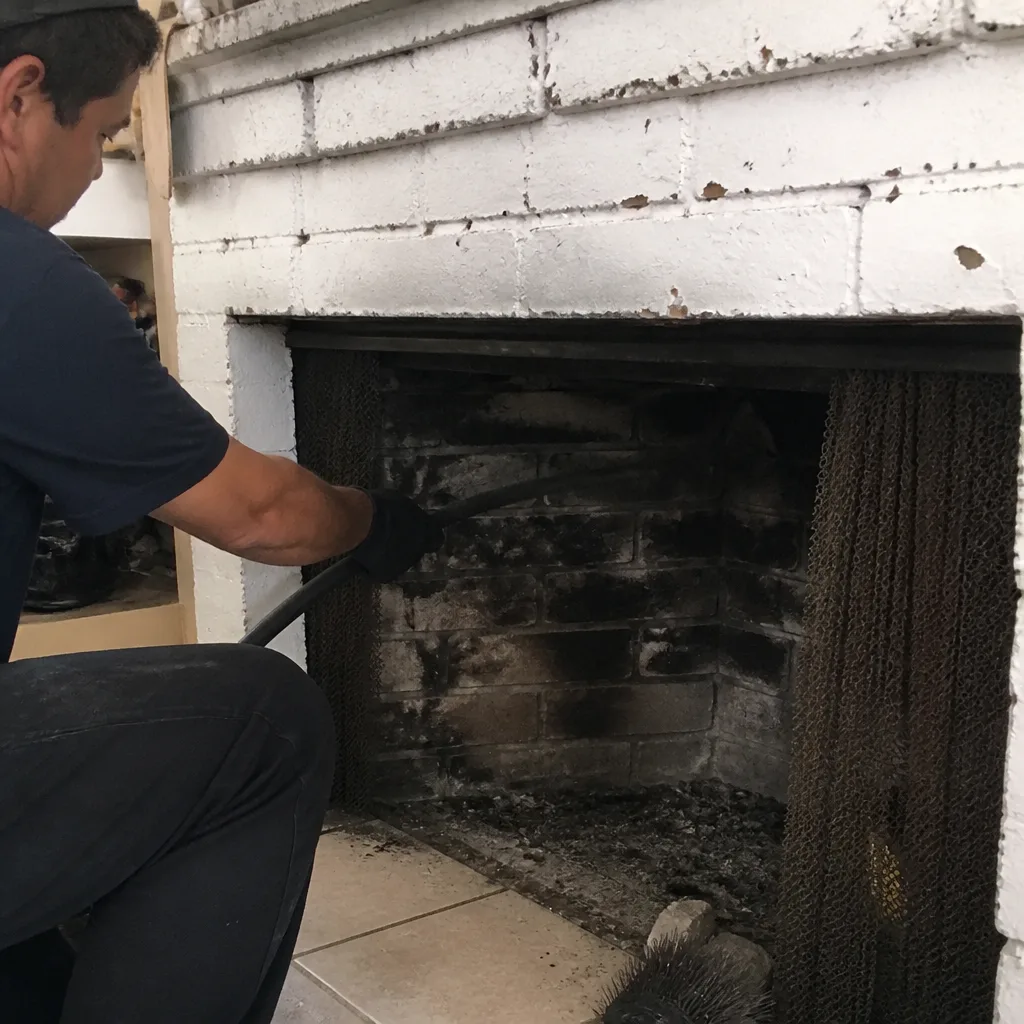
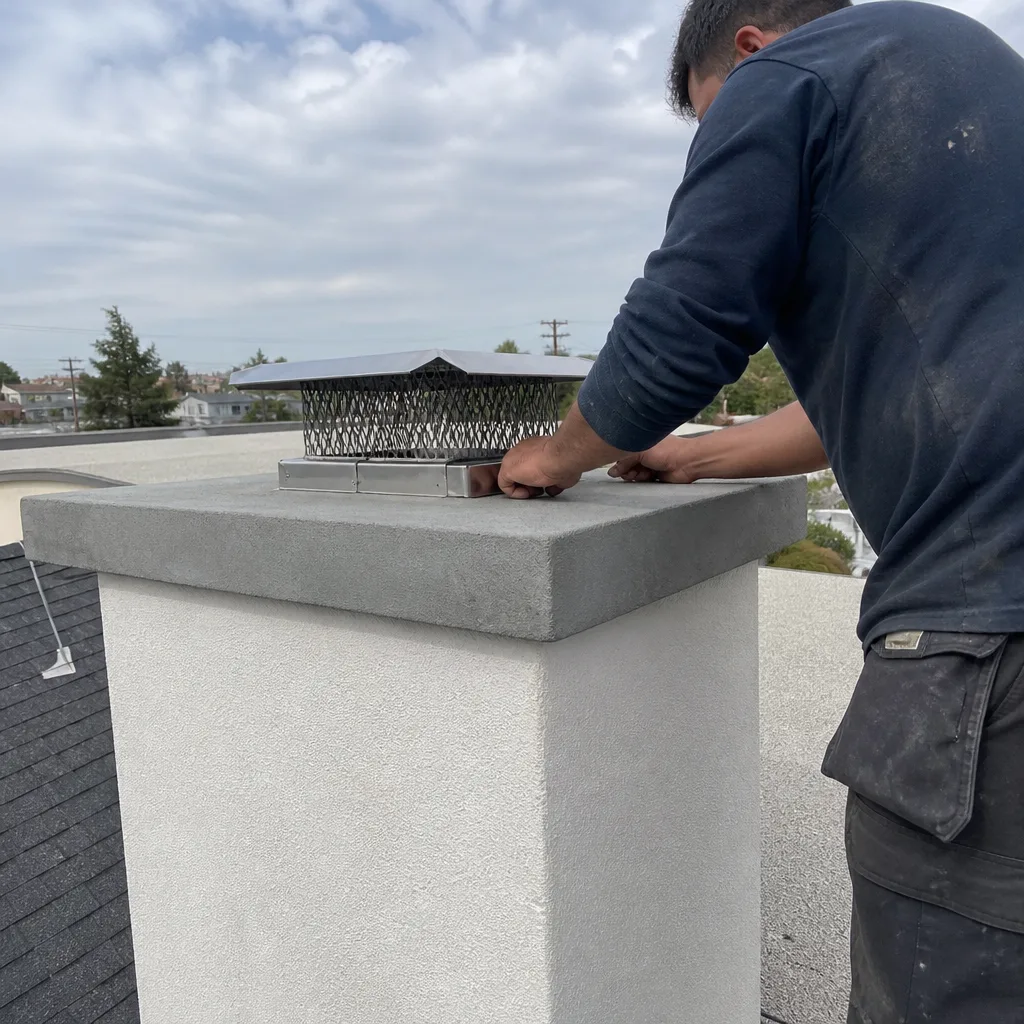
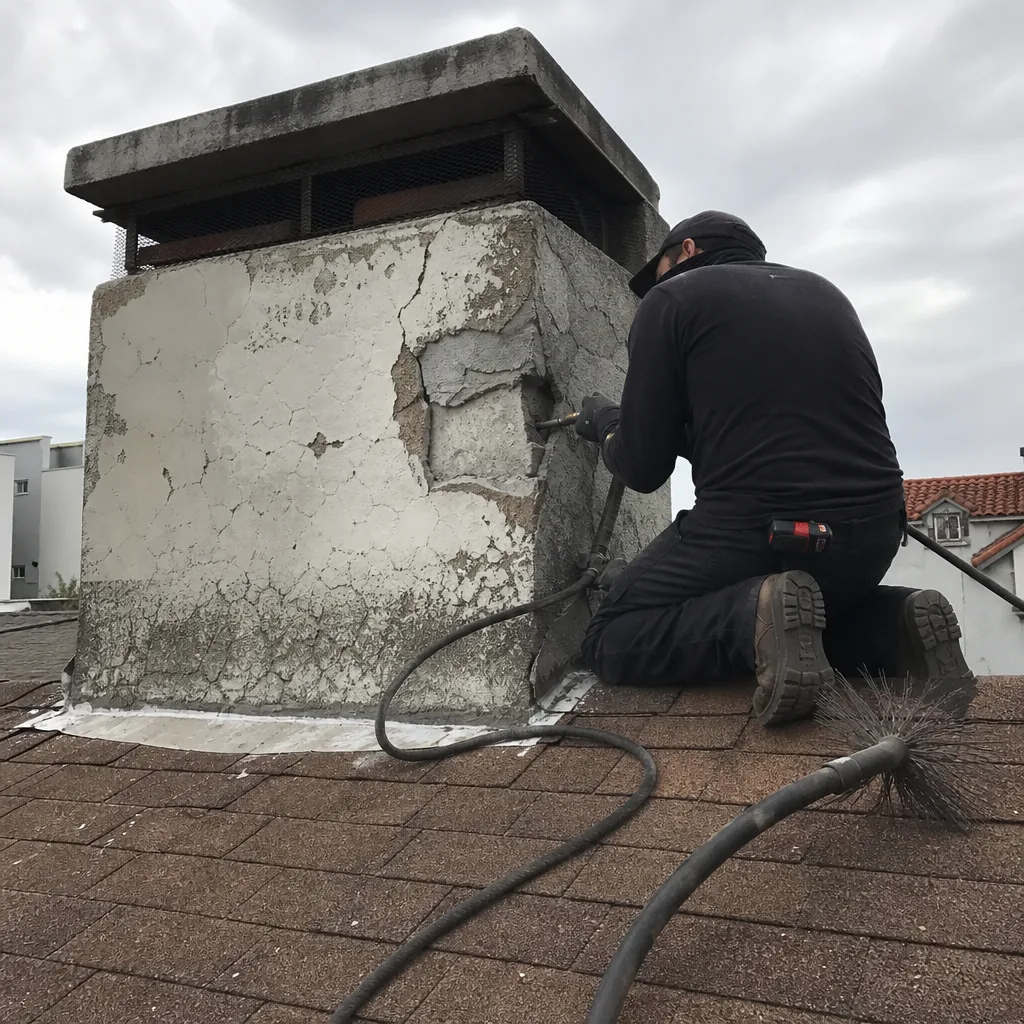
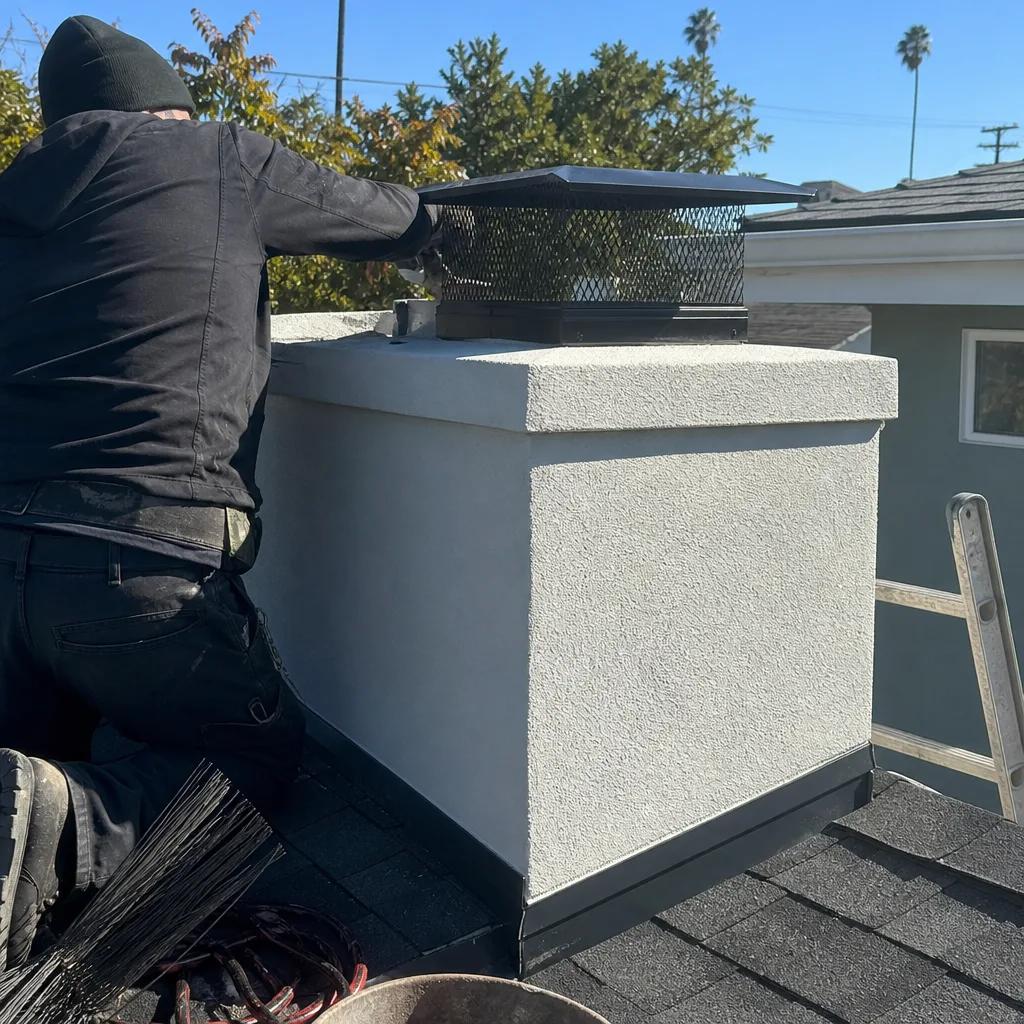
See the difference
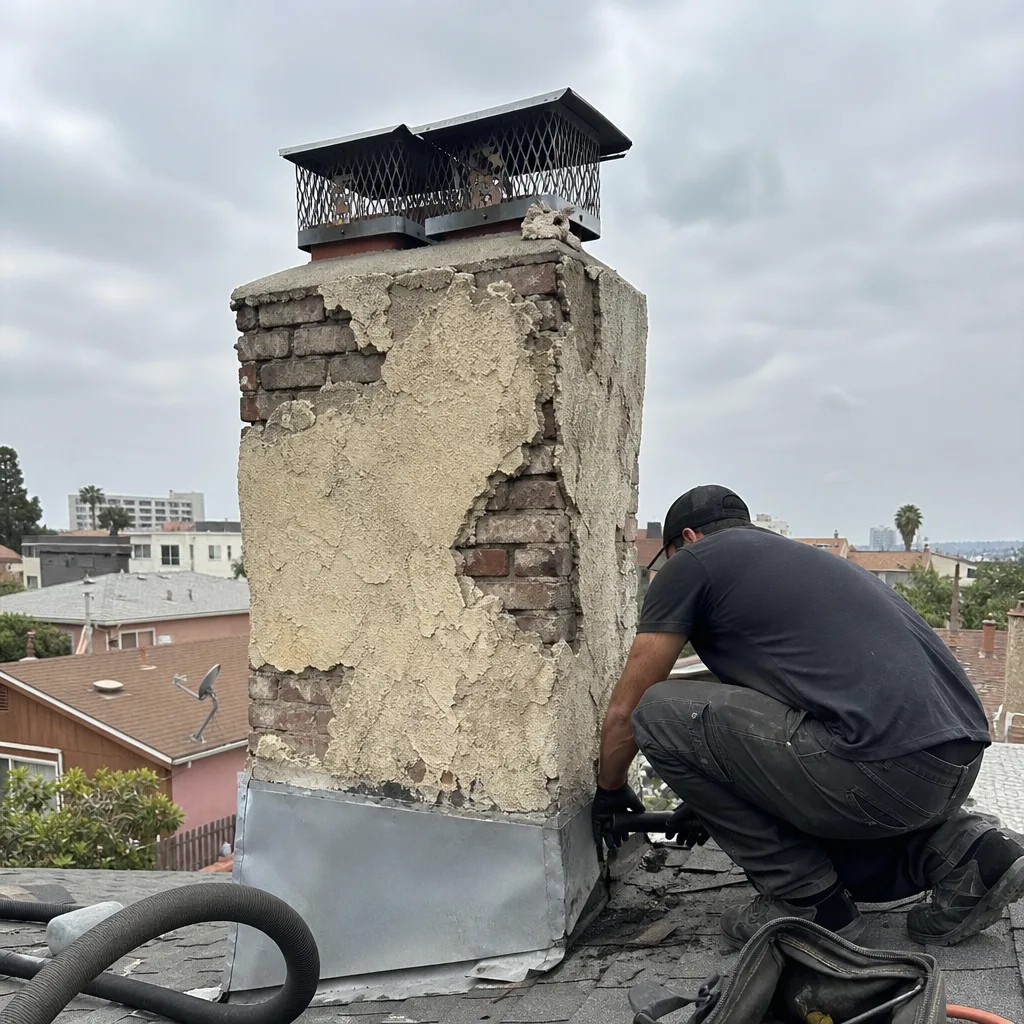 Before
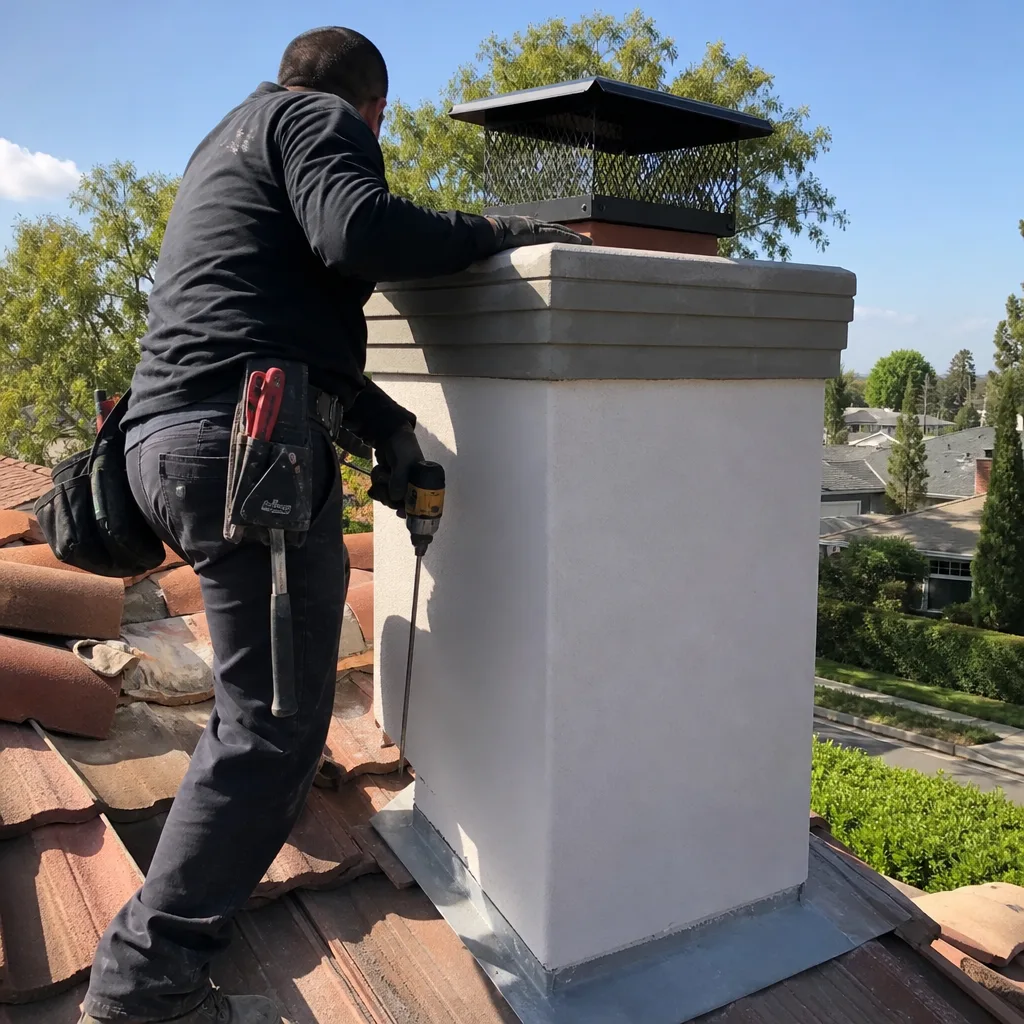 After
 Before
 After
 Before
 After
When to Call a Professional
Call a specialist if you haven’t had the chimney swept in more than 12 months and you’re planning to use it this burning season. Call before the first fire, not after a month of weekend burns. Call if you see any moisture staining around the chimney chase, if you smell smoke indoors after the fire is out, or if you’ve just bought an older Koreatown home and the previous owner’s chimney maintenance records are vague or nonexistent. Call if you’re converting a wood-burning fireplace to gas, which requires a Level 2 inspection by code. Call if you hear animals in the flue, which happens more often in older Koreatown rooflines than most people want to think about. And call before a real estate transaction, when documentation of chimney condition matters to the buyer’s lender and insurer. If any of those apply to you, Imperial Chimney offers free estimates in Koreatown. Call (866) 253-3809 and we’ll schedule a proper inspection at your convenience.
Frequently Asked Questions
In 2026, expect to pay $129 to $229 for a basic sweep, $189 to $289 for a sweep with a Level 1 inspection, and $289 to $419 for a sweep with a Level 2 video inspection. The exact price depends on roof access, chimney height, and the condition of the flue. Call (866) 253-3809 for a specific quote based on your home’s chimney.
The $99 sweep is a brush run through the flue with no inspection documentation. The $300 sweep includes the brush work plus a formal inspection, written findings, and often video documentation. The higher price buys time, documentation, and an actual diagnosis of the chimney’s condition. One is maintenance. The other is maintenance plus verification.
At least once per burning season if you use the fireplace regularly, which in Koreatown means once per year before the rainy season. Even if you burn only occasionally, an annual inspection is appropriate. More frequent sweeping is warranted if you burn soft woods, burn frequently, or see rapid creosote buildup. The National Fire Protection Association recommends sweeping when creosote reaches 1/8 inch thickness, which an inspection can measure.
Only if the sweep shows you video or photo evidence of the damage. A cracked clay tile liner can require re-lining or resurfacing, but the diagnosis should never come without documentation. If the technician can’t show you the problem, get a second opinion. If they can, the repair is usually legitimate, and options like HeatShield resurfacing can often address the damage without a full chimney rebuild.
Creosote builds up inside the flue. Creosote is flammable at high temperatures, which is what a chimney fire burns. Even without a fire, accumulated creosote can restrict air flow, causing smoke to back into the house, which means carbon monoxide. In older Koreatown chimneys with pre-existing internal damage, skipping the inspection means those problems grow unseen until the repair cost doubles or the chimney becomes unsafe to use entirely.
Yes, generally. Gas fireplaces produce far less creosote than wood-burning ones, which means cleaning is less frequent and less labor-intensive. However, gas appliances still require inspection because venting issues, carbon monoxide production, and moisture intrusion are risks. A gas insert’s chimney still needs periodic professional attention, though often at a different interval than a wood fireplace.
The Bottom Line
Chimney cleaning in Koreatown costs $129 to $419 depending on what exactly is being done, and the smart comparison isn’t price-to-price. It’s scope-to-scope. A $99 special is a brush run. A $300 service is a brush run plus documented inspection plus actual diagnosis. The cheapest quote is often the most expensive long-term because it finds nothing while the flue quietly deteriorates. Get the camera inspection. Get the written report. Work with a company that shows you what they found, uses professional-grade materials, and handles the repair as well as the cleaning. That’s what the Imperial Chimney home page is about. For the full sweep service details, see Chimney Sweep in Koreatown. For repair work, from minor tuckpointing to full liner restoration, see Chimney Repair in Koreatown.
Written by the team at Imperial Chimney, serving Koreatown since 2017. Browse more guides & resources for homeowners.