
Last updated October 30, 2026
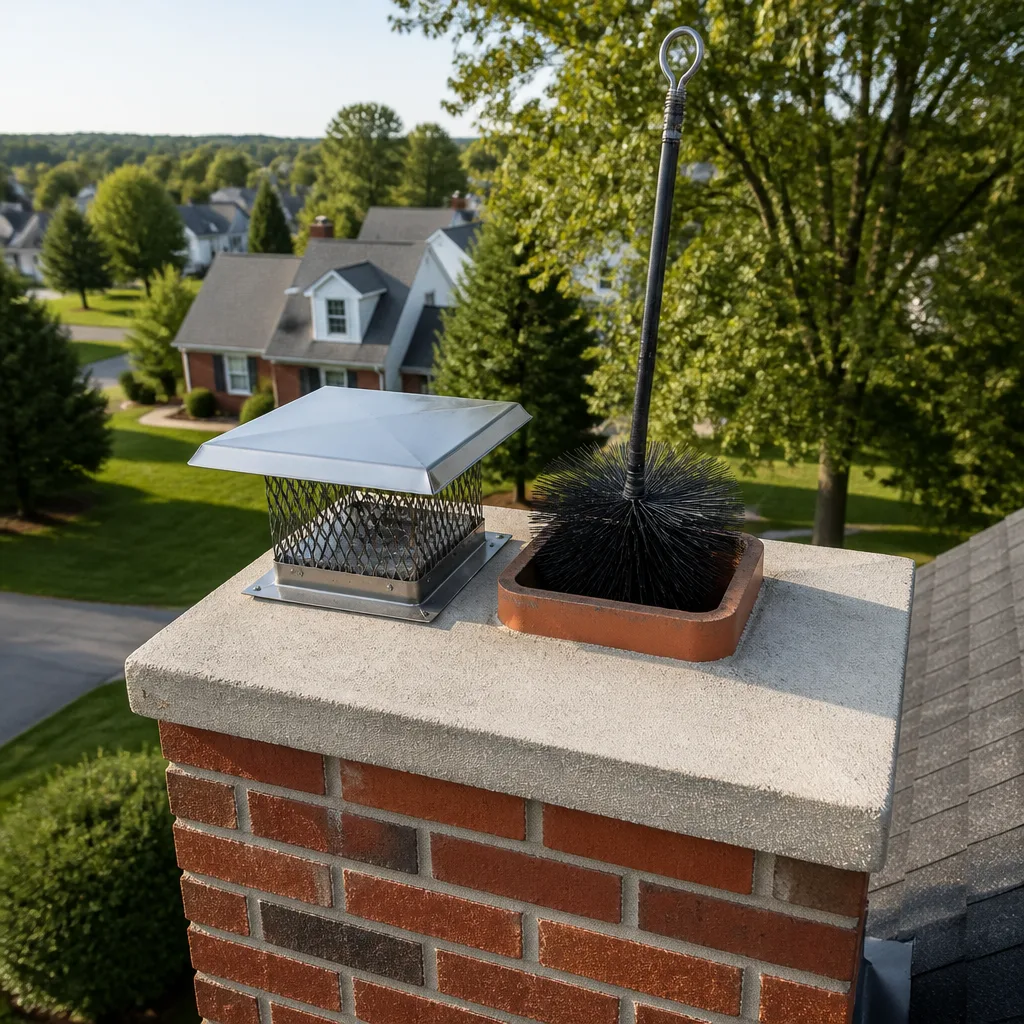 Sweep & inspection
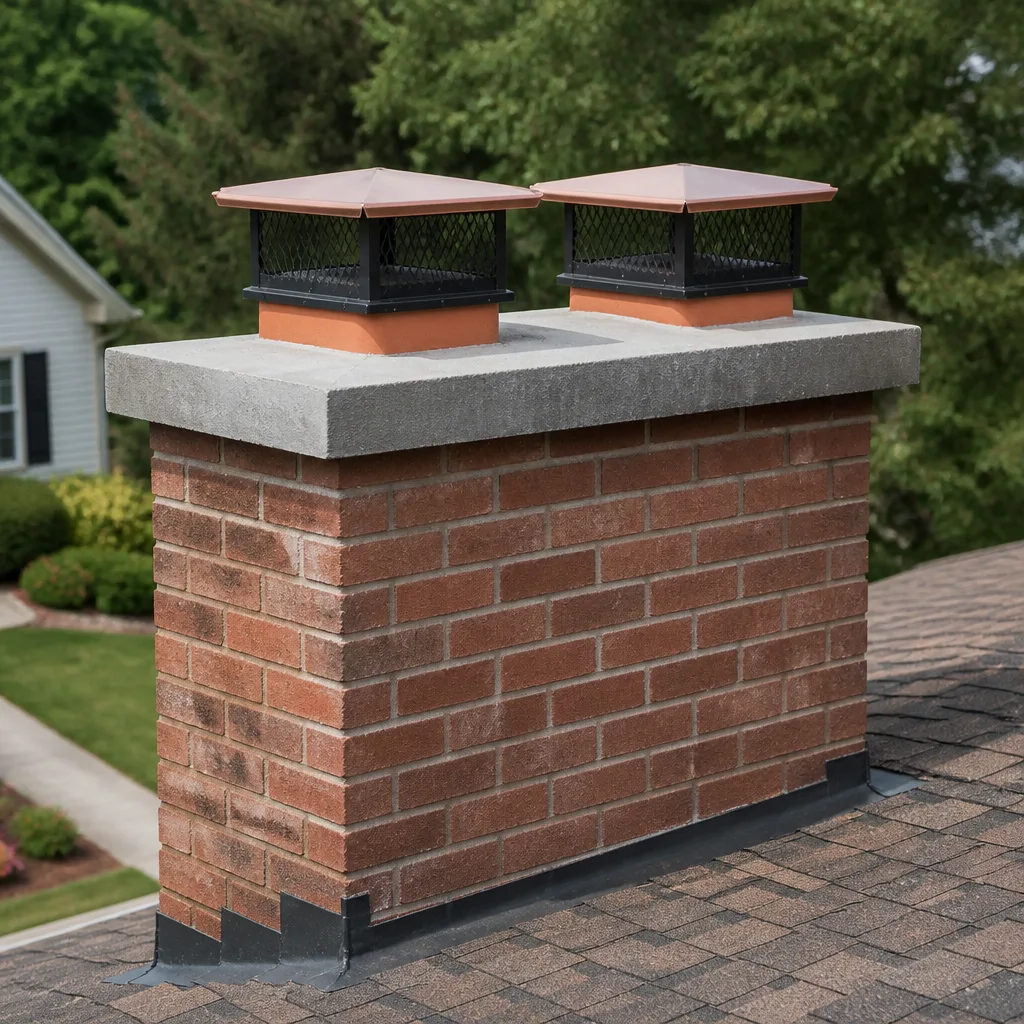 Caps & crowns
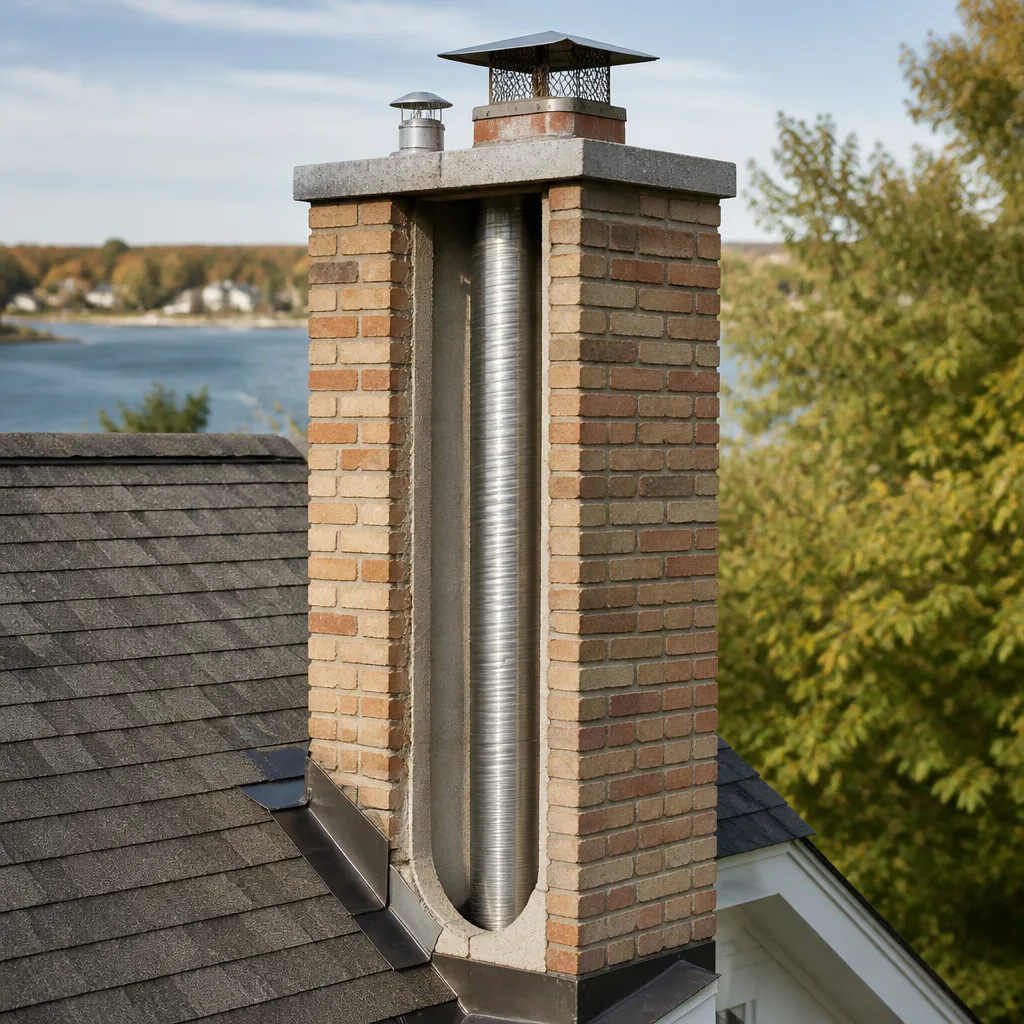 Flue relining
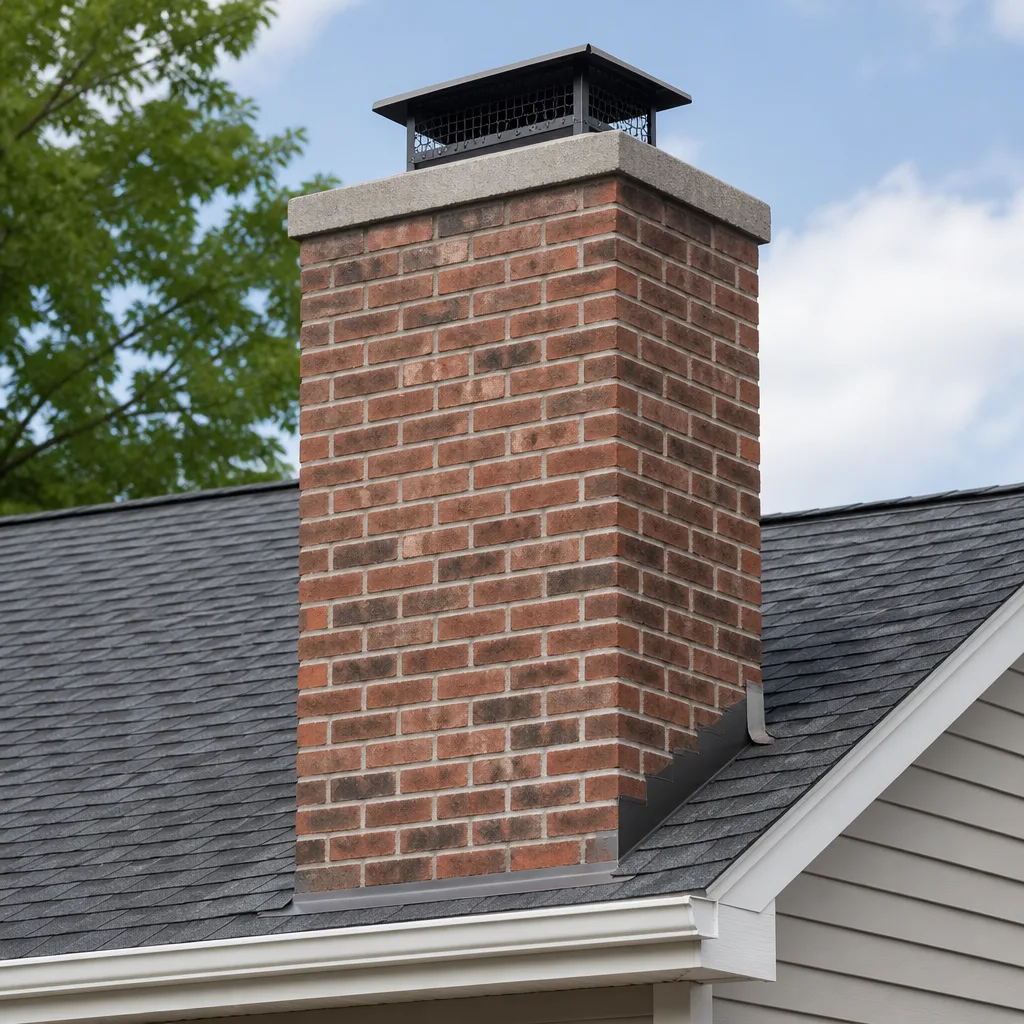 Masonry repair
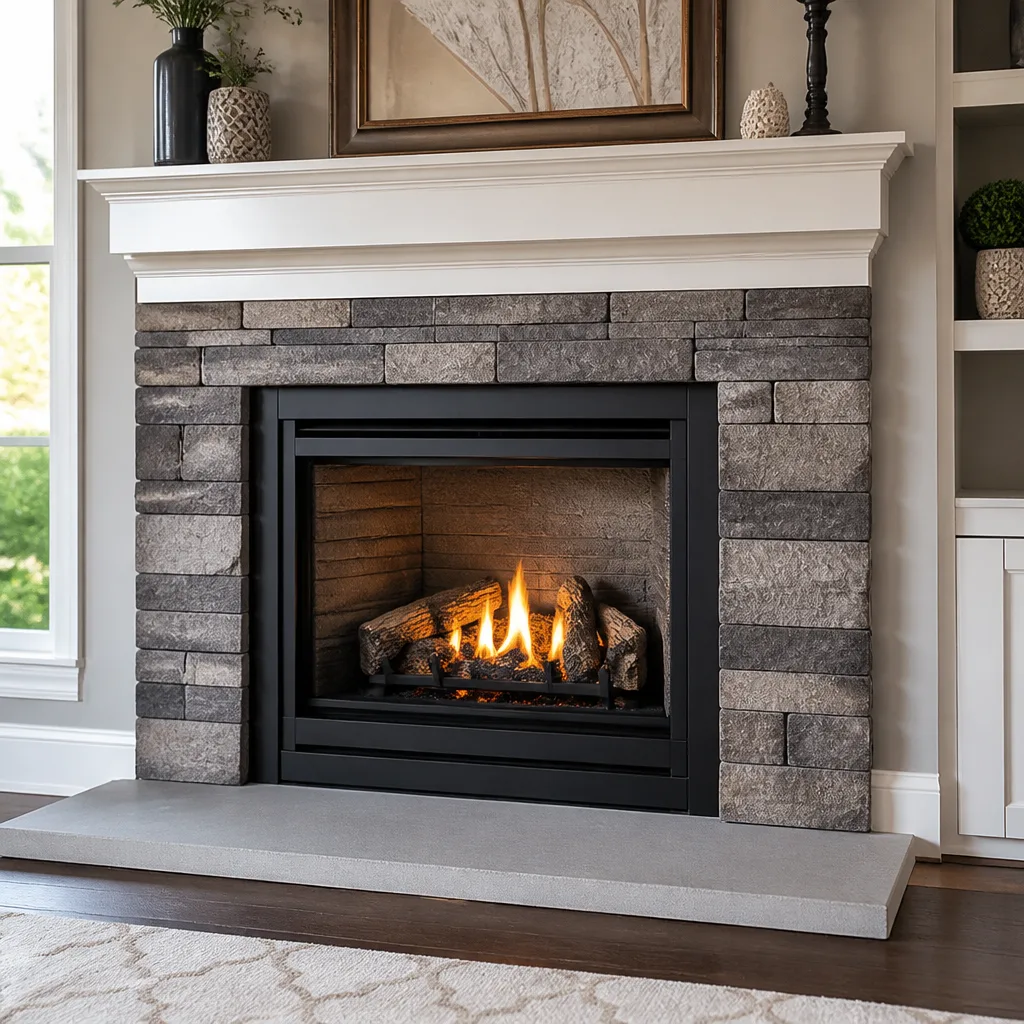 Gas fireplace service
Level 1 sweep and inspection to the NFPA 211 annual standard - flue, crown, cap, and flashing checked and photographed
Chimney sweep logs do not sweep chimneys. They loosen some creosote - which then falls where a brush and vacuum still have to collect it.
The Complete Guide to Chimney Cleaning in Koreatown
Most chimney fires don’t start during a roaring fire. They ignite hours later, when smoldering creosote reaches combustion temperature silently, inside the flue, while your smoke detector registers nothing at all. In Koreatown, where bungalows and craftsman homes built before 1960 still stand shoulder to shoulder with converted multi-unit buildings, that risk compounds every season a flue goes uninspected. This guide explains what actually happens inside a Koreatown chimney, why local housing stock changes the math on cleaning frequency, and what a proper sweep should include when it’s done right. For more guides & resources, visit our blog.
Quick Answer
Chimney cleaning in Koreatown typically costs between $189 and $349 for a standard Level 1 sweep and inspection, with most homes in the neighborhood needing service every 30 to 60 burns or at least once per year. Homes built before 1960 with original terracotta liners often require Level 2 camera inspections, which add $150 to $300 to the visit. The single most important variable is not how often you use the fireplace, but what has accumulated inside the flue since the last documented cleaning.
Styles & brands we work with
Table of Contents
- Why Koreatown Chimneys Are Different
- How Often Should You Clean a Chimney in Koreatown?
- Level 1, Level 2, and Level 3: What Each Inspection Actually Covers
- What Does Chimney Cleaning Cost in Koreatown?
- SCAQMD Rule 445 and Wood Burning in Koreatown
- Shared Flues in Converted Multi-Unit Buildings
- The Three Stages of Creosote and Why They Matter
- What a Proper Chimney Sweep Includes
Why Koreatown Chimneys Are Different
Chimney cleaning guides written for suburban readers assume a certain kind of house: single-family, built in the 1980s or later, with a straight flue run and a modern liner system. Before deciding whether to tackle maintenance yourself, read our DIY vs Professional Chimney Cleaning: The Koreatown Homeowner’s Decision Guide. Koreatown does not work that way. The neighborhood’s housing stock skews heavily toward pre-1970 construction, with a significant share of craftsman bungalows, Spanish revival duplexes, and fourplex buildings that have been converted to single-family use over decades. Those conversions matter. A building originally designed for two or four separate units often had multiple fireplaces sharing a common chimney structure, each with its own flue. When those units get combined, one household may now be responsible for two or three flues, some active, some sealed, some in unknown condition behind sealed walls.
The physical geometry of older Koreatown flues also changes what cleaning requires. Terracotta clay tile liners, standard before the 1960s, crack under repeated thermal stress. Flue offsets, shallow fireboxes, and narrow throats are common in period construction. A rotary brush sized for a modern stainless liner can chip or dislodge fragile clay tiles if the sweep doesn’t know what they’re dealing with before they start. That’s why we treat every first visit in Koreatown as an inspection first and a cleaning second.
How Often Should You Clean a Chimney in Koreatown?
The short answer: once per year, at minimum, regardless of how often you burn. The longer answer depends on what you burn, how you burn it, and what your flue looks like inside. Green or unseasoned wood, common from the grocery store bundles sold around the neighborhood, produces far more creosote than properly dried firewood. Smoldering fires, closed dampers, and cool flues all accelerate buildup. In Koreatown’s climate, where winter nights drop into the 40s but daytime temperatures stay mild, fires are often short and smoky rather than long and hot. That combustion pattern produces exactly the kind of low-temperature smoke that condenses into creosote quickly.
Here are the realistic cleaning intervals based on what we’ve observed across Los Angeles basin flues:
- Heavy use (3+ fires per week in season): Sweep every 25 to 35 burns, or roughly every 2 months during burning season
- Moderate use (1-2 fires per week): Sweep every 50 to 60 burns, or at least twice per year
- Occasional use (1-2 fires per month): Annual sweep, ideally before the first fall fire
- Gas fireplace or gas insert: Annual inspection for venting integrity and burner condition, plus a sweep whenever visible soot accumulates
- Chimney never used but still standing: Every 2 years minimum, because moisture and wildlife cause problems even without fire
The National Fire Protection Association standard, NFPA 211, says chimneys should be inspected at least once per year and cleaned when necessary. “When necessary” is the part that gets skipped. The only way to know whether cleaning is necessary is to look inside, and the only way to prove what was done is to document it with photos.
Level 1, Level 2, and Level 3: What Each Inspection Actually Covers
The Chimney Safety Institute of America defines three inspection levels. Most homeowners have never heard of them, which is exactly why so many chimney cleanings turn out to be incomplete. Here’s what each level means in practical terms for a Koreatown property.
Level 1 Inspection
A Level 1 is the inspection that accompanies a routine chimney sweep. The technician examines the accessible portions of the fireplace, flue, and exterior chimney structure. No specialized tools, no roof access beyond what’s needed for the sweep itself. A Level 1 is appropriate when the chimney is being maintained under the same conditions as previous years, with no changes to the fuel type, appliance, or flue configuration.
What it includes:
- Visual check of the firebox, damper, and smoke chamber
- Basic flue inspection from below using a mirror and flashlight
- Confirmation that creosote has been removed after sweeping
- Basic exterior check of the chimney crown and cap from ground level or roof edge
Level 2 Inspection
A Level 2 adds camera technology. A closed-circuit video scan of the entire flue interior, from firebox to termination. This is required by CSIA standards whenever a property changes hands, after a chimney fire, after an earthquake or major weather event, or when the fireplace or flue is being changed in any way, including fuel type conversion.
What it includes:
- Everything in a Level 1
- Full interior video scan of the flue with an inspection camera
- Examination of the flue in attics, crawl spaces, and other accessible areas
- Check of proper clearances to combustibles where visible
In Koreatown, where seismic activity is a genuine structural consideration, we typically recommend a Level 2 for any home that has not had a documented camera inspection within the last five years. The Northridge and Sierra Madre fault lines are close enough that even modest events have shifted masonry and cracked terracotta liners without leaving visible evidence at the firebox.
Level 3 Inspection
A Level 3 is invasive. It involves removing building materials to access concealed areas of the chimney structure. This is triggered when a Level 1 or Level 2 finds a suspected hazard that requires access behind walls, ceilings, or chimney chase assemblies. In converted Koreatown buildings, a Level 3 is sometimes the only way to trace a flue path that was sealed off during a renovation decades ago.
What Does Chimney Cleaning Cost in Koreatown?
Chimney cleaning in Koreatown follows the LA basin market rather than national averages. Prices here run slightly above the national midpoint because of parking logistics, older housing stock, and the higher proportion of multi-flue buildings. Here’s the range we see across the neighborhood, from the Wilshire corridor up through the Wilshire Park and Country Club Park edges:
| Service | Typical Koreatown Price Range |
|---|---|
| Standard chimney sweep (Level 1) | $189 – $289 |
| Sweep + Level 2 camera inspection | $349 – $549 |
| Additional flue in same chimney structure | $89 – $149 per flue |
| Dryer vent cleaning (add-on) | $89 – $139 |
| Chimney cap replacement | $189 – $449 depending on cap type |
| Terracotta liner repair (HeatShield resurfacing) | $2,800 – $6,500 depending on flue height and damage extent |
These are honest ranges for professional work performed by a company that carries liability insurance, uses camera documentation, and cleans up completely afterward. The cheapest sweep you’ll find in Koreatown is a brush through the flue with no inspection, no photos, and no record of what was found. That is not a bargain. That is a missed opportunity to identify a hazard before it becomes a fire.
For an exact quote on your chimney, call Chimney Sweep in Koreatown pricing and scheduling at (866) 253-3809. Estimates are free, and we’ll tell you honestly if a sweep is all you need or if you can safely wait another season.
SCAQMD Rule 445 and Wood Burning in Koreatown
Koreatown sits inside the South Coast Air Quality Management District, which means wood burning is regulated by SCAQMD Rule 445. That rule prohibits burning wood or manufactured fire logs on designated No-Burn days, which occur most frequently between November and February when atmospheric inversion layers trap fine particulate matter over the LA basin.
Here’s what Rule 445 actually means for a Koreatown homeowner:
- No-Burn days are legally enforceable. Burning wood on a No-Burn day can result in fines starting at $50 for a first violation, rising from there
- The rule applies to both indoor fireplaces and outdoor fire pits unless the home relies on wood as a sole source of heat, which is rare in Koreatown
- Gas fireplaces are exempt from No-Burn restrictions, which drives many Koreatown homeowners toward gas inserts
- Check before you burn using the SCAQMD website or mobile app, particularly between November and February
What connection does this have to chimney cleaning? Two things. First, intermittent burning patterns – no fires for weeks, then a heavy burning weekend when air quality allows – create exactly the thermal cycling that accelerates creosote formation. Second, many Koreatown homeowners assumed Rule 445 meant they couldn’t use their fireplace at all and abandoned it for years. An abandoned fireplace does not mean a safe chimney. Moisture intrusion, animal nesting, and structural deterioration continue whether or not you burn. If you haven’t used your fireplace in three years, that is not a reason to skip inspection. It’s a reason to inspect before you burn again.
Shared Flues in Converted Multi-Unit Buildings
Koreatown’s converted fourplexes and duplexes present a documentation problem most chimney sweeps never acknowledge. When a building with two or three fireplace flues gets converted to single-family use, the flue map often disappears. Which fireplace connects to which flue? Has one flue been sealed? Is there an active flue serving a fireplace that has been drywalled over? These questions matter.
Here’s the step-by-step process we follow on any Koreatown building with a converted multi-unit history:
- Flue mapping. We determine how many flues exist in the chimney structure and where each one terminates. This sometimes requires roof access and inspection from the top down.
- Appliance verification. We document every appliance currently connected to each flue: fireplace, furnace, water heater. A flue that once vented a furnace and now vents nothing is still a flue that needs assessment.
- Camera scan on each active flue. Every flue that will be used gets its own video inspection. Sharing a flue between fireplaces was never code-compliant and remains dangerous.
- Sealing documentation. Flues that are no longer in use should be properly sealed at both ends with documentation of what was done and when.
- Written report with photos. You receive a record showing which flues exist, which condition each is in, and which work was performed. This matters for future sales, insurance claims, and your own reference.
Documentation is not a nice-to-have in Koreatown. When a converted building sells, the buyer’s inspector will ask about chimney condition. If you cannot produce a record of when each flue was last cleaned, inspected, or sealed, you face either a point-of-sale scramble or a price concession. Ten years of documented sweeps is worth real money at closing.
The Three Stages of Creosote and Why They Matter
Creosote is not one substance. It’s a family of combustion byproducts that condense on flue walls at different temperatures and present different risks. Understanding the stages helps you understand what a sweep is actually dealing with.
Stage 1 creosote is a flaky, dusty, sooty substance. It brushes off relatively easily with standard sweeping rods and brushes. Stage 1 is what you get from hot, efficient fires burning dry wood. A routine sweep handles it.
Stage 2 creosote is a thicker, crusty, tar-like buildup. It resists basic brushing and often requires rotary cleaning with chains or more aggressive mechanical agitation. Stage 2 forms from smoldering fires, restricted air supply, or burning unseasoned wood. This is the stage we most often encounter in Koreatown fireplaces that see intermittent use with grocery-store firewood.
Stage 3 creosote is glazed. It looks like a shiny, hardened coating, similar to baked-on enamel. Stage 3 is concentrated fuel. A spark or high flue temperature can ignite it, and once a Stage 3 creosote fire starts, it burns at temperatures exceeding 2,000 degrees Fahrenheit. Standard sweeping cannot remove Stage 3 creosote. It requires chemical treatments applied over multiple visits or professional-grade mechanical removal, and sometimes liner replacement if the underlying flue has been damaged.
Why does the LA basin make Stage 2 and Stage 3 more common here than in drier climates? Inversion layers trap moist, cool air near the surface during winter months. That cool, dense air affects draft. Fires burn cooler and smokier than they would in a mountain cabin at 5,000 feet. Cooler flue gases mean more condensation, which means more creosote per burn. This is a regional reality, not a homeowner failure. But it does mean Koreatown fireplaces need attention more consistently than the national average would suggest. For a full maintenance calendar, see our Seasonal Chimney Cleaning Care for Koreatown: Year-Round Homeowner’s Guide.
What a Proper Chimney Sweep Includes
A proper chimney sweep is not a brush shoved up a flue. Here’s what we do on every Koreatown chimney cleaning, in order:
- Interior protection setup. Drop cloths, vacuum containment, and hearth sealing before any brushing begins. Your living room should be as clean when we leave as when we arrived.
- Visual pre-inspection. Firebox, damper, smoke shelf, and flue entry examined before sweeping. This identifies hazards that brushing could worsen.
- Mechanical sweeping. Properly sized brush, rotary or manual depending on creosote stage and liner type. Terracotta liner chimneys get gentler treatment than stainless.
- Post-sweep camera confirmation. We document that the flue is actually clean. You receive those photos.
- Component check. Damper function, cap condition, crown integrity, and flashing. Anything that needs attention gets noted separately from the sweep.
- Written condition report. A plain-English summary of what we found, what we did, and what we recommend, with photos and a priority level for each recommendation.
We work with professional-grade materials from Copperfield and DuraFlex when repairs are needed, and we’re certified to apply HeatShield flue resurfacing when a terracotta liner has cracked but the chimney structure is still sound. HeatShield extends the life of an older flue without the cost and disruption of full demolition, which matters a great deal in Koreatown where chimney access is often tight and masonry work around period architecture requires care. When a Gelco cap is the right solution, we stock and install those as well.
One company, start to finish. The person who sweeps your chimney is the same company that can repair it. Nothing gets handed off to an unknown subcontractor. That matters when a camera scan reveals a problem that needs follow-up work. Ten days later, you’re not dealing with a stranger.
Common Mistakes to Avoid
- Skipping the camera inspection because the sweep looked clean. A flue can be swept clean while the liner behind the creosote is cracked. Without a camera, you’ll never know until smoke enters your walls or a chimney fire exposes it.
- Burning unseasoned wood from grocery store bundles. Most pre-packaged firewood in Koreatown is not properly kiln-dried. It smokes, it sizzles, and it deposits creosote at triple the rate of properly seasoned oak or almond.
- Closing the damper while embers are still glowing. Smoldering embers produce exactly the kind of low-temperature smoke that condenses into Stage 2 creosote. Open the damper fully until the firebox is cool to the touch.
- Treating gas fireplaces as maintenance-free. Gas inserts and log sets still produce soot, still need venting inspected, and still fail. A gas fireplace that hasn’t been serviced in five years is a carbon monoxide risk, not a convenience.
- Assuming the old flue was properly sealed during conversion. In converted Koreatown buildings, we routinely find flues that were drywalled over at the fireplace side but left open at the top. These become animal entry points and moisture drains. If you don’t know where every flue terminates, you don’t know your chimney.
- Waiting for the smell. Creosote becomes odor-detectable long after it has become a fire hazard. Annual inspection catches it before your nose does.
- Using a cleaning log instead of a sweep. Chemical logs can loosen Stage 1 creosote but they cannot remove Stage 2 or Stage 3. They are not a substitute for mechanical cleaning, and they give homeowners false confidence.
See the difference
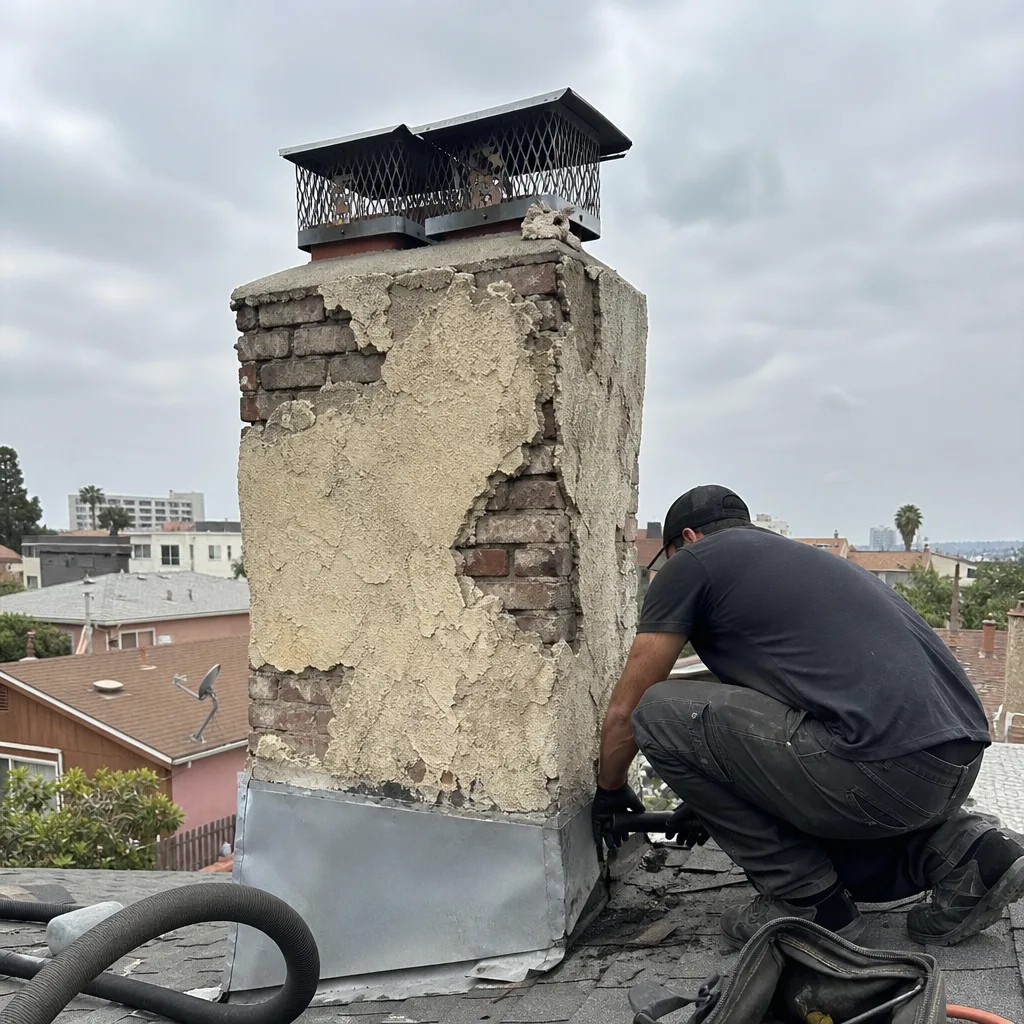 Before
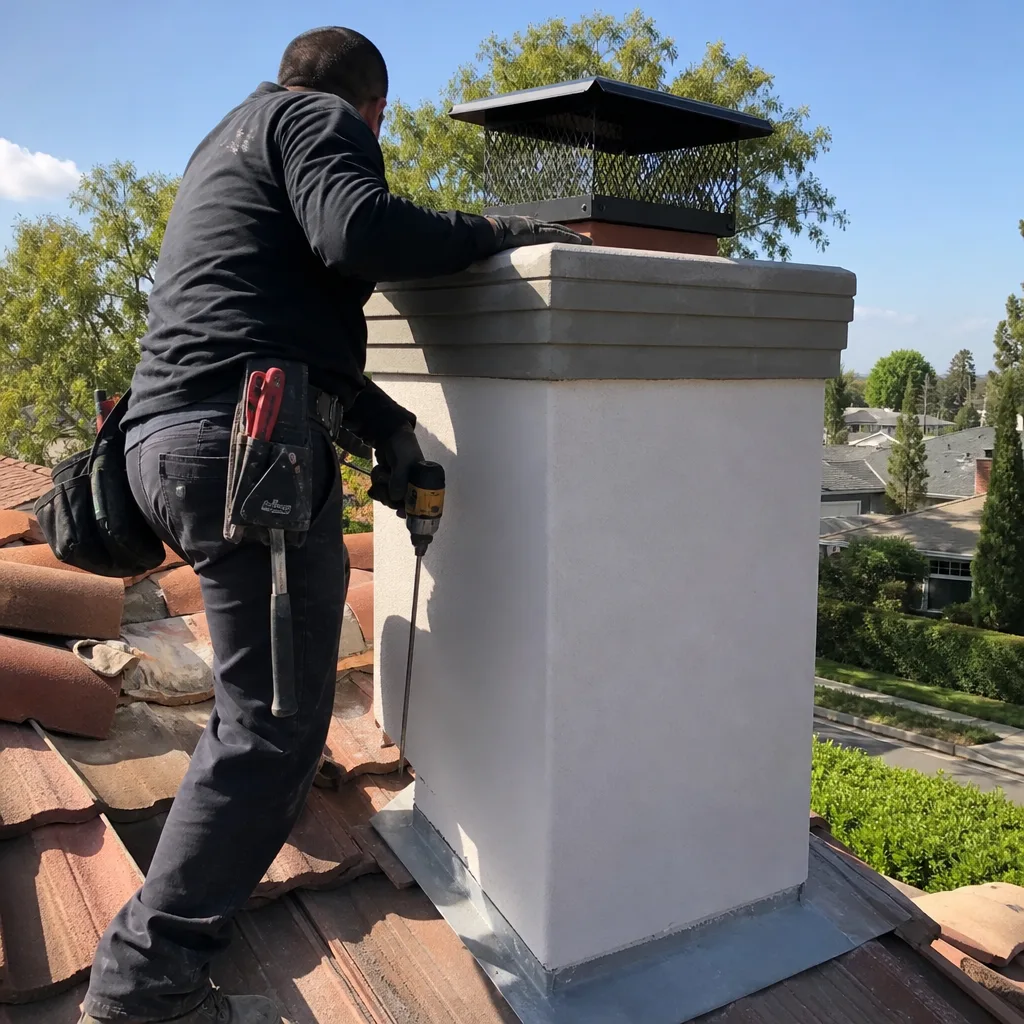 After
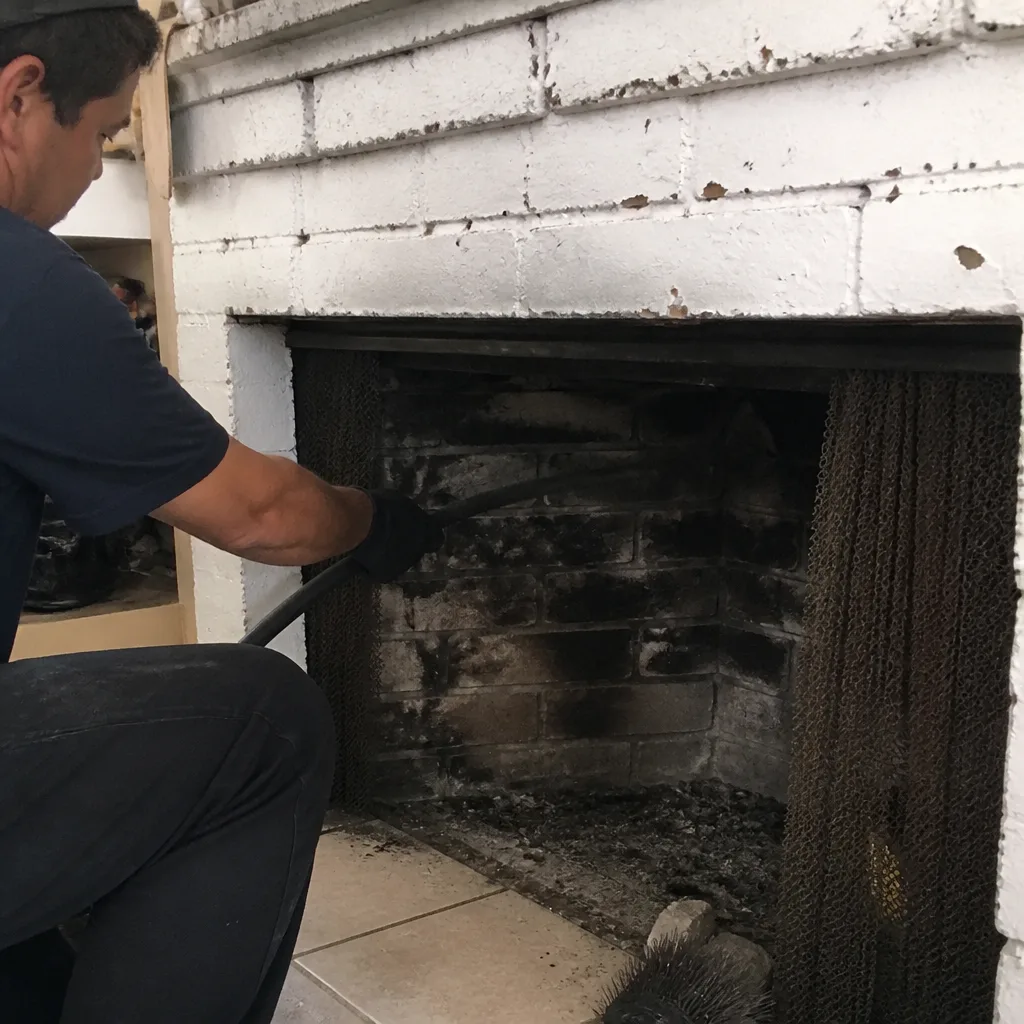 Before
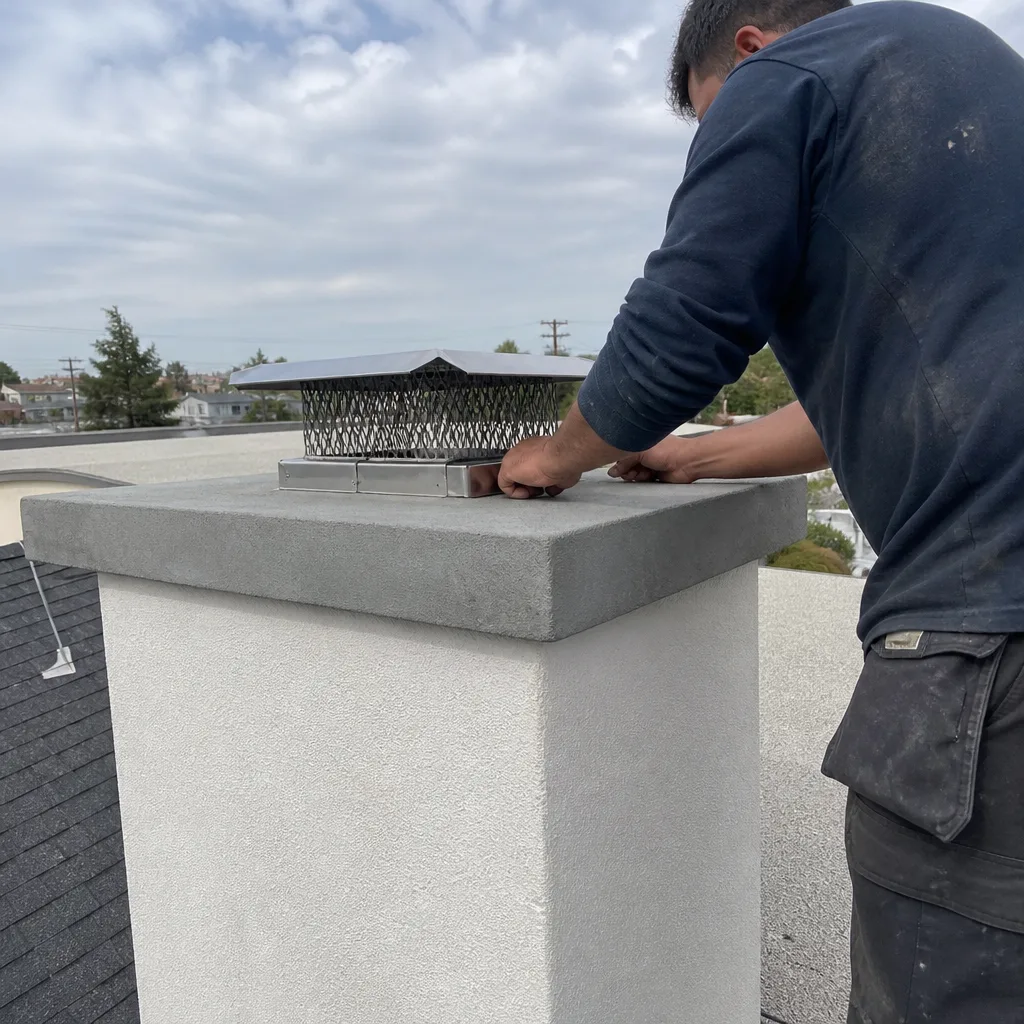 After
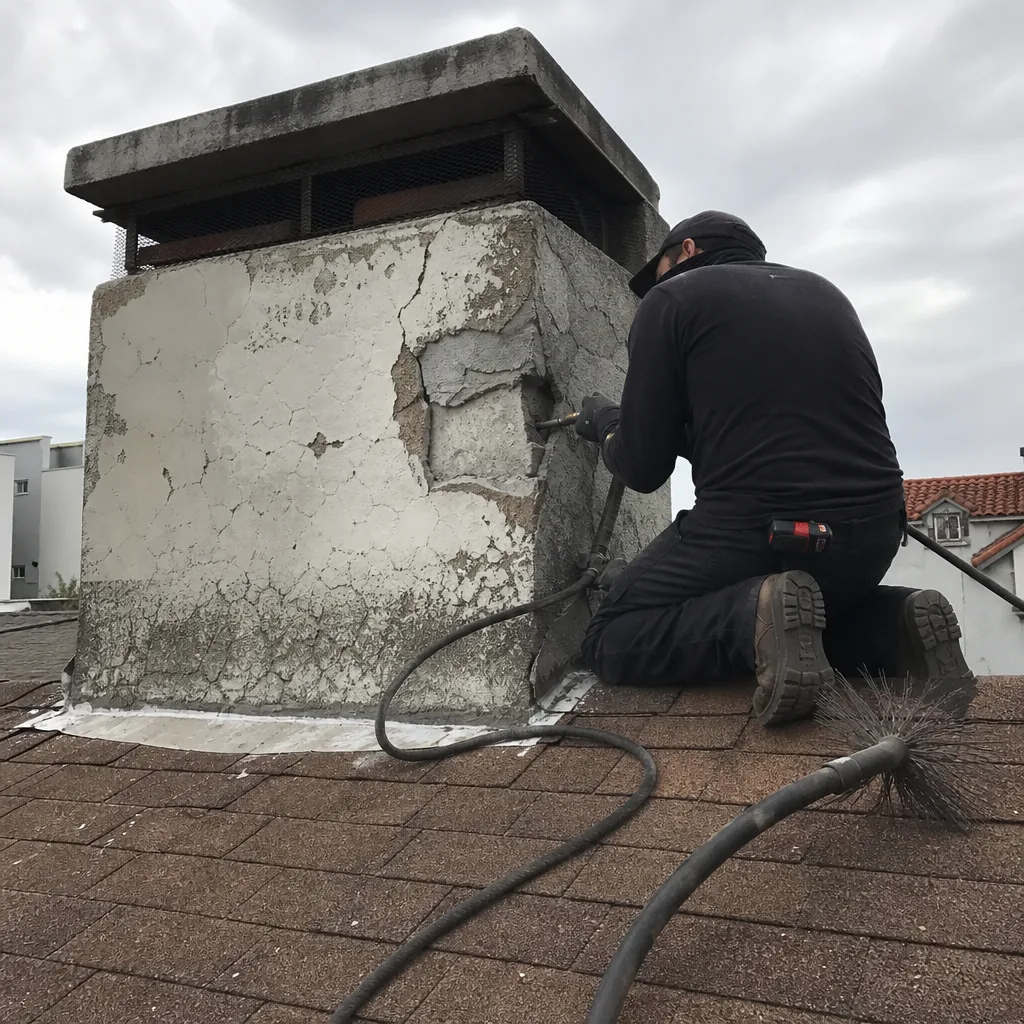 Before
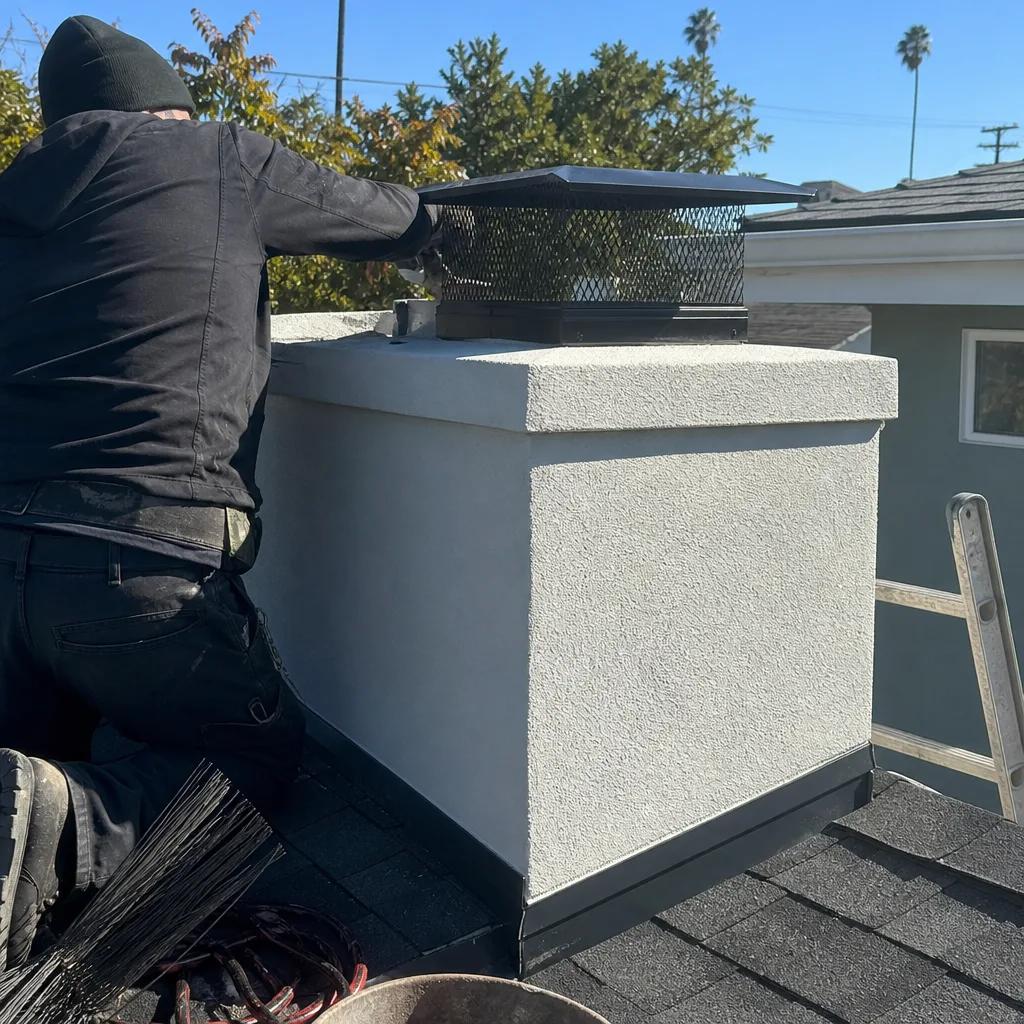 After
When to Call a Professional
Call a chimney professional any time you smell smoke inside the house during or after a fire, any time you see black tar-like substance inside the firebox, any time you hear animals in the chimney, and any time you know it has been more than 12 months since anyone looked inside the flue. Those are the minimums. Also call if you’ve bought a Koreatown home and have no documentation of a previous sweep or inspection, if a chimney fire has occurred even briefly, or if you’re converting a gas fireplace back to wood after years of disuse. These situations all require eyes inside the flue before another fire gets lit. Imperial Chimney offers free estimates in Koreatown. Call (866) 253-3809 to schedule a sweep, inspection, or a conversation about what your chimney needs.
Frequently Asked Questions
A standard chimney sweep in Koreatown costs between $189 and $289 for a single flue Level 1 cleaning. Homes that need a Level 2 camera inspection, which we recommend for any property without a documented inspection in the last five years, should budget between $349 and $549. Call (866) 253-3809 for an exact quote. Estimates are free, and we’ll tell you honestly if you can wait another season before spending money.
At least once per year, and more often if you burn unseasoned wood or use the fireplace more than twice per week during winter. Koreatown’s older housing stock and the LA basin’s cool, damp winter air both accelerate creosote accumulation compared to drier climates. If you can’t remember the last sweep, it’s overdue.
Not necessarily. Cracked terracotta liners can sometimes be repaired using HeatShield resurfacing, which restores the flue interior without full demolition. This is often the most cost-effective option for Koreatown homes where chimney access is tight and masonry work would be disruptive. We’ll always show you camera footage of the damage before recommending any liner work. If the liner is fine, we’ll tell you it’s fine.
Creosote builds up in stages. Stage 1 is a minor nuisance. Stage 2 is a fire risk waiting for the right conditions. Stage 3 is concentrated fuel that can ignite and burn at over 2,000 degrees, cracking the liner and potentially spreading fire to the home’s structure. Skipping cleaning also lets moisture and animal activity go undetected, and those cause structural damage that is more expensive than a decade of sweeps.
No. SCAQMD Rule 445 prohibits wood burning on designated No-Burn days, which are concentrated in the November through February period. Gas fireplaces are exempt. Check the SCAQMD app or website before building a fire during winter months. Fines start around $50 for a first violation and increase from there.
Yes, but for different reasons than wood. Gas fireplaces don’t produce creosote, but they still produce soot, still need venting integrity checks, and still accumulate debris. More critically, a gas appliance that isn’t venting properly creates carbon monoxide risk. Annual inspection of a gas fireplace and its venting is the minimum standard we recommend in Koreatown homes.
The Bottom Line
Chimney cleaning in Koreatown is not a optional seasonal chore. It’s a structural and fire-safety obligation shaped by the neighborhood’s specific housing stock, air quality regulations, and climate. Older terracotta-lined flues, converted multi-unit buildings, and LA basin combustion conditions all demand more attention than a generic chimney guide would suggest. A proper sweep includes camera documentation, a written condition report, and honest recommendations about what needs work now versus what can safely wait. That’s the standard we hold ourselves to at Imperial Chimney home, and it’s what Koreatown homeowners should expect from any professional they hire. If you’re unsure what your chimney needs, start with a conversation. Dryer Vent Cleaning in Koreatown is another fire-safety service we provide to the same homeowners. Call (866) 253-3809 and we’ll help you figure out the right next step. For structural issues beyond routine cleaning, see our Chimney Repair in Koreatown page.
Written by the team at Imperial Chimney, serving Koreatown since 2017.