
Last updated October 30, 2026
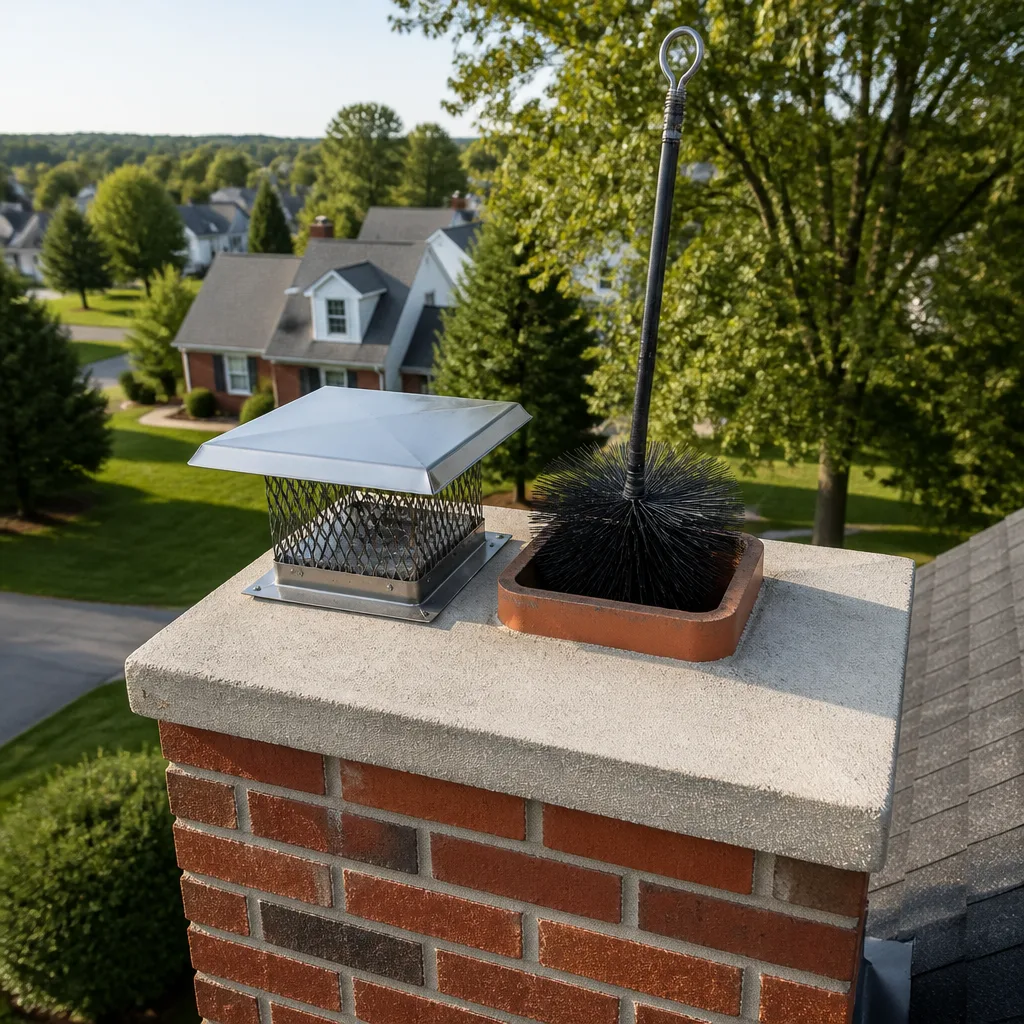 Sweep & inspection
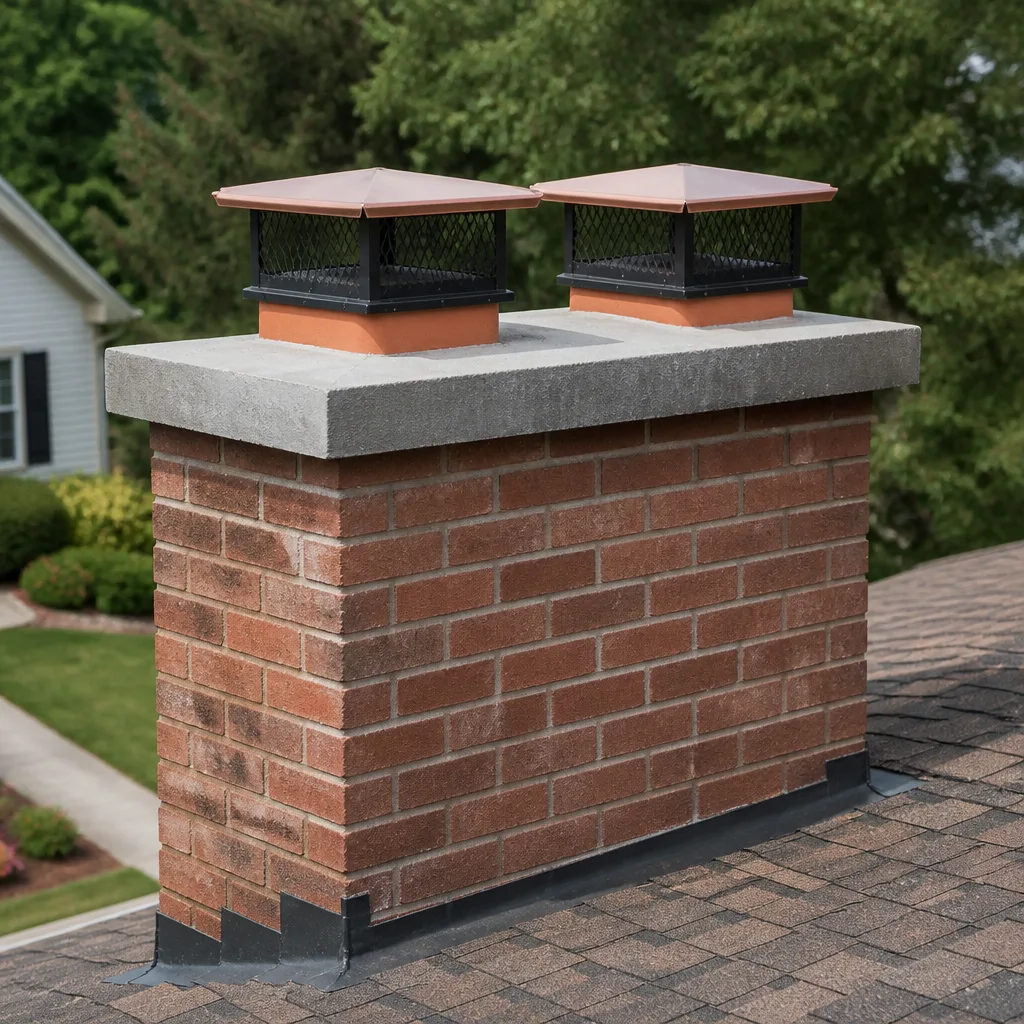 Caps & crowns
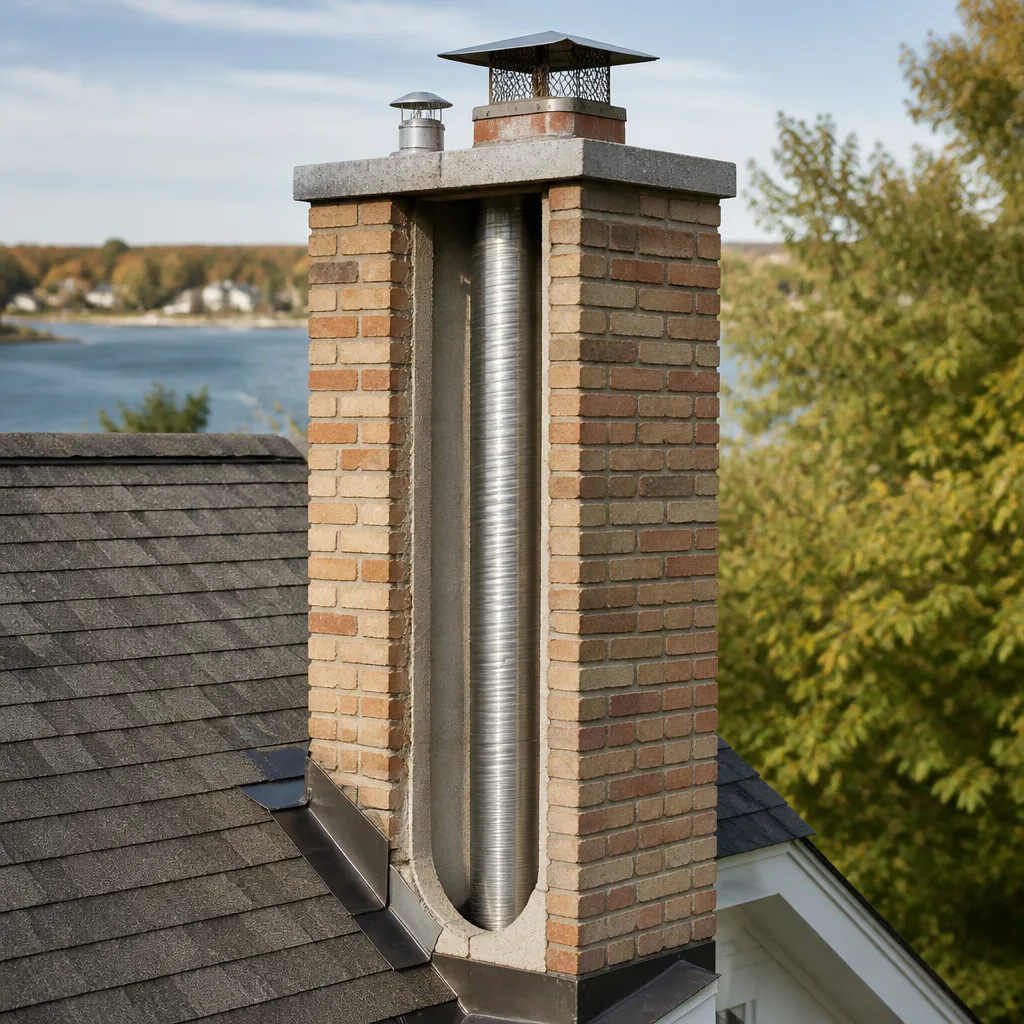 Flue relining
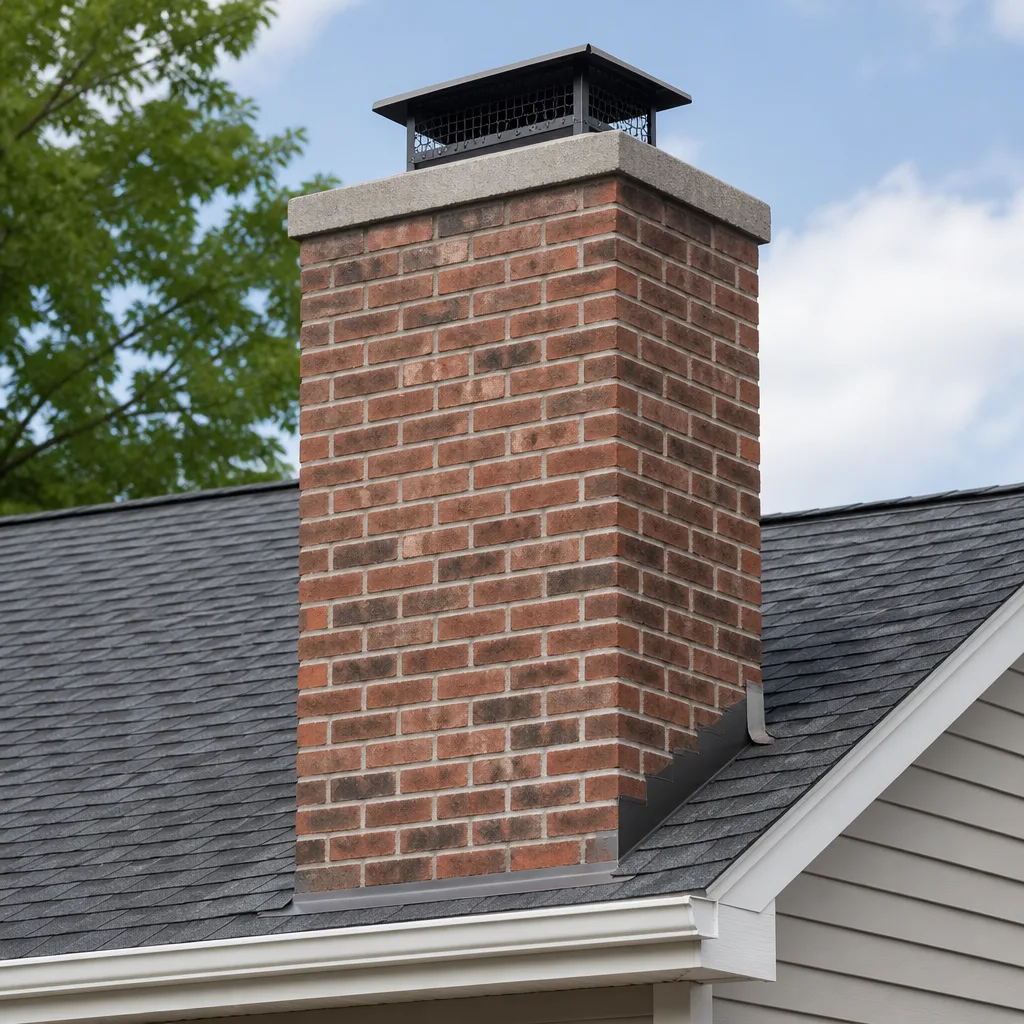 Masonry repair
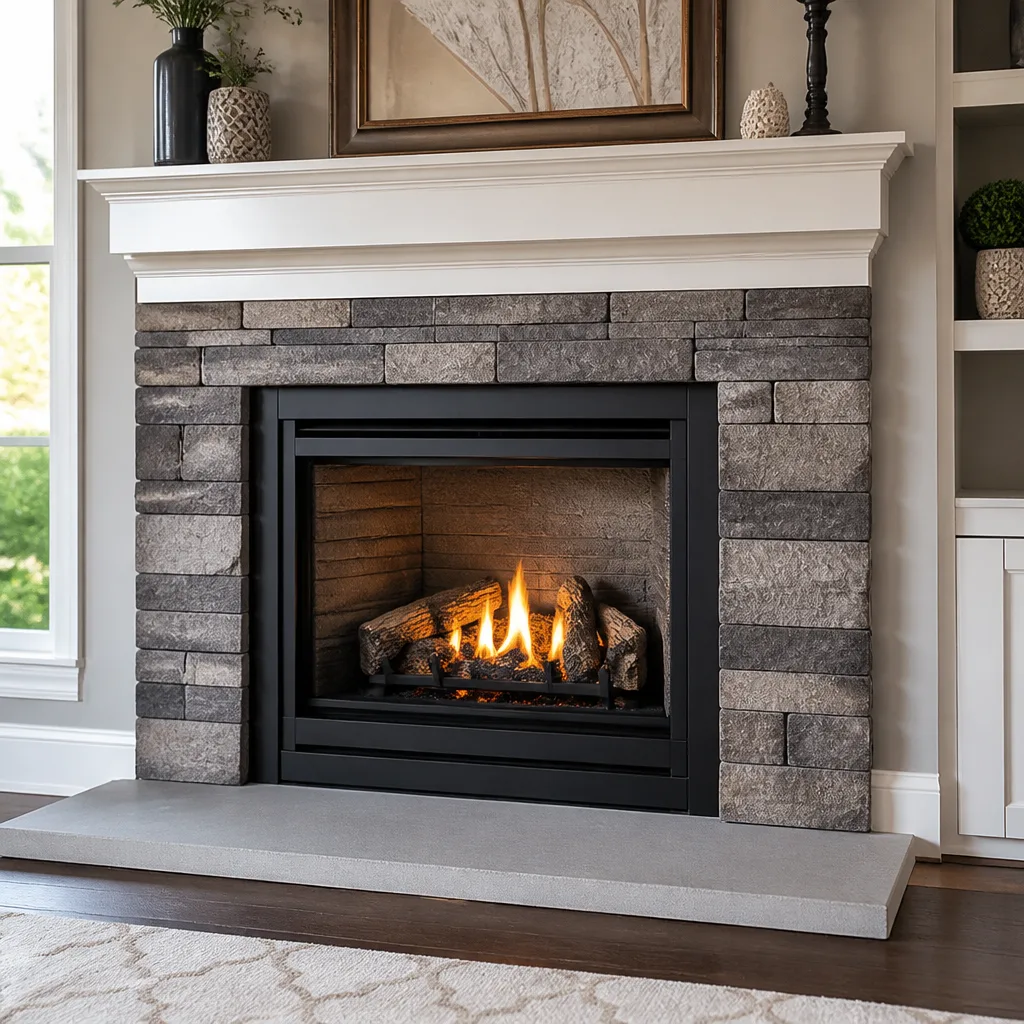 Gas fireplace service
Level 1 sweep and inspection to the NFPA 211 annual standard - flue, crown, cap, and flashing checked and photographed
Chimney sweep logs do not sweep chimneys. They loosen some creosote - which then falls where a brush and vacuum still have to collect it.
The Complete Chimney Sweep Guide for Koreatown Homeowners
Most chimney sweep guides are written for a suburb with a gas fireplace and a 2004 build year. Koreatown has neither, and the difference matters more than any homeowner realizes until smoke backs up into a shared wall. Koreatown’s housing stock runs older, denser, and structurally more complex than almost anywhere else in Los Angeles County. This guide is written specifically for the buildings you actually live in: 1920s brick multifamily units, converted Craftsman bungalows split into rentals, and mid-century masonry that’s been through decades of earthquakes, smog, and retrofit work. You’ll learn what’s actually in your flue, what the law requires before you light a fire, and why a standard brush-and-vacuum from a generalist won’t tell you what you need to know.
Quick Answer
A chimney sweep in Koreatown means something different than it does in most guides: older masonry flues, shared-wall construction, and LA County fire code obligations create risks that a basic cleaning doesn’t address. Professional sweeping involves not just removing creosote but inspecting liner condition, checking for structural cracks from seismic activity, and verifying that your fireplace actually meets current code for use. If you live in a pre-1960 building with an original masonry chimney, an annual inspection is not optional maintenance; it’s the minimum standard for safe operation.
Styles & brands we work with
Table of Contents
- The Koreatown Chimney Landscape: Why Your Building Is Different
- Creosote Profiles in Pre-1960 Masonry Flues: What the Brush Actually Finds
- Shared-Wall Chimneys in Multifamily Conversions: Smoke, Liability, and Code
- LA County Fire Code vs. California Building Code: Your Legal Obligations
- Urban Particulate, Smog, and Liner Deterioration: What Rural Guides Miss
- What to Expect From a Professional Chimney Inspection in Koreatown
- How Often Should Koreatown Chimneys Be Swept? A Working Schedule
- The Dryer Vent Connection: Fire Risk You’re Not Thinking About
The Koreatown Chimney Landscape: Why Your Building Is Different
Koreatown’s building stock doesn’t look like the rest of Los Angeles. Drive down Western Avenue or 8th Street and you’ll see brick apartment buildings from the 1920s sitting next to Craftsman bungalows that were single-family homes for fifty years before being divided into two or three units. Some of those conversions kept the original chimney. Some didn’t. Some buildings have chimneys that were capped and abandoned decades ago, and the current owner has no idea whether they’re still connected to anything.
This matters because chimney construction in Koreatown predates most modern fire safety standards. A chimney built in 1925 was designed for an open-hearth fireplace burning seasoned cordwood, with a clay tile liner and a mortar crown that has now weathered through roughly a century of sun, rain, and seismic movement. The Northridge earthquake in 1994 was nearly thirty years ago, but its effects are still visible in the hairline cracks running through masonry flues across this neighborhood. Those cracks don’t heal. They widen.
What we see repeatedly in Koreatown is a specific pattern: original clay liners with vertical cracking caused by decades of thermal cycling, compounded by earthquake stress. The cracking allows heat and combustion byproducts to reach the surrounding masonry. In a standalone home, that’s dangerous. In a multifamily building where the masonry is shared with neighboring units, it’s a liability problem that extends beyond your front door.
If you own or rent in one of these older buildings, the first step is understanding what you actually have. Many Koreatown residents have never used their fireplace and don’t know whether it’s functional, vented, or even safe to test. A professional sweep in this neighborhood starts with that question: what is this chimney, when was it built, and what condition is it actually in?
Creosote Profiles in Pre-1960 Masonry Flues: What the Brush Actually Finds
Creosote is not a single substance. It forms in three stages, and the stage you’re dealing with depends heavily on your flue’s age, size, and operating temperature. This is where Koreatown’s older chimneys diverge sharply from the modern fireplaces that generic guides assume.
A modern factory-built fireplace has a small, insulated flue that heats up quickly. Fires burn hot and relatively clean. The creosote that forms tends to be first-stage: flaky, gray, and easily removed with a standard brush.
A 1940s masonry chimney has a much larger flue, often 8×12 inches or larger. That flue takes longer to heat, which means combustion gases cool more slowly and condense more thoroughly on the clay tile surface. The result is a denser, stickier creosote profile. We commonly find second-stage creosote in Koreatown chimneys even when the homeowner has only burned a handful of fires: shiny, tar-like deposits that cling to the flue walls and resist a standard wire brush.
Third-stage creosote, the glazed, hardened form, isn’t as common as second-stage here, but it appears in flues that have been used for years without cleaning, especially in buildings where the previous owner burned unseasoned wood or compressed logs. Once creosote reaches the glazed stage, no brush will remove it. It requires chemical treatment or mechanical removal with specialist tools, and in some cases it’s a warning sign that the liner itself has reached the end of its life.
The practical takeaway: if you live in a pre-1960 Koreatown building and follow a generic “sweep every year or two” schedule, you may be underestimating what’s accumulating in your flue. Older masonry cool-slow and condense-fast, which means creosote builds faster than a modern fireplace even with similar usage.
Shared-Wall Chimneys in Multifamily Conversions: Smoke, Liability, and Code
Koreatown’s density creates a chimney problem that suburban guides never address: shared-wall chimneys. In a converted Craftsman bungalow or a 1920s brick building, multiple flues often run through a single masonry structure. Your flue and your neighbor’s flue may be separated by nothing more than a single course of brick.
The implications are practical and legal. When a flue liner cracks, combustion gases don’t necessarily travel upward and out. They can migrate laterally through the shared masonry into an adjacent unit. Sometimes this shows up as a smoke smell in the neighbor’s closet. Sometimes it shows up as carbon monoxide on a detector that the neighbor didn’t even know was picking up a real reading.
In conversions where a single-family home was divided into units, we see another pattern: fireplaces that were never properly separated when the building was split. A chimney that once served one living room may now have two fireplaces connected to it from different units, or a fireplace that’s been walled over but never capped, or a flue that empties into a dead space between units.
Here’s what this means for a Koreatown homeowner or landlord: a chimney sweep in this neighborhood is not just cleaning your flue. It’s checking whether your flue is actually yours. A proper inspection includes identifying all connections to the chimney structure, verifying that your fireplace is the only thing venting into your flue, and checking for signs of cross-contamination from adjacent units. If a sweep on one unit reveals code violations that affect a neighboring unit, the property owner is now on notice, which means it’s in your interest to know before something goes wrong.
The liability angle matters. If a chimney fire spreads through shared masonry into an adjacent unit, the insurance questions get ugly fast. Documented, professional chimney maintenance is the best protection a Koreatown property owner has against a dispute over who was responsible for what.
LA County Fire Code vs. California Building Code: Your Legal Obligations
Koreatown sits within Los Angeles County, and the legal framework for fireplace use here involves two overlapping codes: the California Building Code (CBC), which governs how chimneys are constructed and maintained, and the LA County Fire Code, which governs when and how wood-burning fireplaces may be used.
The building code side is straightforward: if your chimney was built to code at the time of construction, you’re generally not required to retrofit it just because the code has changed. But the moment you make a material alteration, like replacing a hearth, relining a flue, or rebuilding a firebox, the new work must meet current standards. That often triggers requirements you didn’t anticipate: clearances around the fireplace, spark arrestor installation, or a full liner replacement if the existing clay liner is cracked.
The fire code side is where Koreatown residents get surprised. Los Angeles County has air quality regulations that restrict wood-burning on certain days, particularly during winter months when particulate levels are high. These are enforced through no-burn alerts issued by the South Coast Air Quality Management District. Burning wood on a no-burn day in a non-exempt fireplace is a violation, and enforcement relies partly on neighbor complaints. In a neighborhood as dense as Koreatown, a visible plume of wood smoke is not a private thing.
What’s actually required before you use a wood-burning fireplace in Koreatown? The minimum legal baseline is this:
- Your fireplace must be in operational condition, meaning no visible cracks in the firebox, no damaged damper, and a functioning flue.
- Your chimney must have a spark arrestor. This has been code for decades, and many older Koreatown chimneys never had one installed.
- You must check for no-burn alerts before burning wood. This isn’t optional, and it applies regardless of your chimney’s condition.
- If your chimney is shared with other units, the entire shared structure must be verified safe, not just your portion.
A professional chimney sweep in Koreatown should be able to tell you whether your fireplace passes these tests, and if it doesn’t, what it will take to get it there. Failure to verify doesn’t protect you from liability. It just means you find out about the problem after the fire.
Urban Particulate, Smog, and Liner Deterioration: What Rural Guides Miss
Chimney guides written for rural or suburban markets assume a certain environment: occasional rain, moderate humidity, and the main weathering threat being freeze-thaw cycles. Koreatown’s environment is different in ways that directly affect chimney longevity.
First, there’s the particulate question. Los Angeles air contains fine particles from vehicle traffic, construction, and industrial sources. These particles settle everywhere, including inside your chimney. They mix with creosote and ash, creating a coating that’s denser and more acidic than what you’d find in a cleaner air environment. That acidity accelerates deterioration of clay tile liners, which are already fragile in older buildings.
Second, there’s the smog effect. Ozone and nitrogen oxides in urban air react with moisture to create mild acidic conditions. Rain that lands on your chimney crown in Koreatown is not the same as rain that falls on a chimney in Big Bear. Over decades, this contributes to mortar erosion and crown deterioration. We regularly see crowns on 1920s and 1930s chimneys in Koreatown that are crumbled to the point of being more decorative than functional.
Third, there’s the seismic factor, which is technically not about smog but is inseparable from liner deterioration in this city. A cracked clay liner doesn’t just leak heat. It leaks moisture and combustion byproducts into the masonry, which corrodes the mortar joints, which widens the cracks, which accelerates the whole cycle. In a region with regular seismic movement, small cracks become large cracks faster than they do in geologically stable areas.
The practical implication is that liner inspection in Koreatown needs to be more thorough than a quick visual check from the rooftop. A chimney that looks fine from the top may have significant vertical cracking that’s only visible with a camera scan of the full flue length. This is one reason we consider camera inspection a standard part of chimney sweeping in this neighborhood, not an upsell.
What to Expect From a Professional Chimney Inspection in Koreatown
If you’ve never had a chimney professionally inspected in Koreatown, the process will differ from what generic guides describe in a few specific ways. Here’s what actually happens.
Access and parking. Koreatown is one of the densest neighborhoods in Los Angeles. Street parking is limited, alleys are narrow, and some buildings have no alley access at all. A professional sweep will need to know in advance whether there’s a parking arrangement or whether they should plan extra time. Rooftop access varies enormously: some buildings have roof hatches, some have exterior ladders, some require a ladder setup from a narrow side yard. If access requires coordination with a building manager or a neighbor with a shared wall, that should be arranged before the appointment.
Scope of work. A proper chimney sweep in Koreatown includes three components. The first is the mechanical cleaning itself: brushing the flue to remove creosote and soot. The second is the inspection: checking the firebox, damper, liner, crown, and spark arrestor for damage or code violations. The third is the documentation: photos, measurements, and a written summary of what was found and what needs attention. If a sweep company doesn’t provide all three, you’re paying for half a job.
Prep expectations. Clear the area around the fireplace. Move furniture, rugs, or anything you don’t want covered in a fine dust layer. A professional crew will seal the fireplace opening during the sweep, but no seal is perfect in a 90-year-old firebox with irregular edges.
Time and cost. A full sweep and inspection in a Koreatown building with roof access typically runs 60 to 90 minutes for a single flue. If the flue hasn’t been cleaned in years, or if there are access complications, it can go longer. In our experience, the homeowners who schedule sweeps on a regular schedule spend less per visit than the ones who call us after a decade of neglect, because years of accumulated creosote and undetected damage require more work to address.
How Often Should Koreatown Chimneys Be Swept? A Working Schedule
The standard answer from national organizations is “at least once a year” if you use your fireplace regularly. That’s a fine baseline, but Koreatown’s building stock calls for a more nuanced schedule.
Here’s what we recommend for different situations in this neighborhood:
- Wood-burning fireplace in a pre-1960 building, used weekly during winter: sweep every year, before the burning season starts. The older masonry cools slowly and builds creosote faster than a modern fireplace.
- Wood-burning fireplace used occasionally, fewer than a dozen fires per season: sweep every 18 to 24 months, but have the liner camera-inspected at least once to establish a baseline. If the clay liner has existing cracks, that changes the math.
- Gas fireplace or gas insert: inspect every two years. Gas doesn’t produce creosote, but it does produce acidic condensation that deteriorates older masonry liners. Gas logs in a clay-tile chimney are not a set-and-forget setup.
- Fireplace that’s never been used since you moved in: inspect before first use. This is non-negotiable in Koreatown, where abandoned chimneys are often uncapped, unlined, or inhabited by pests.
- Multifamily building with shared chimney structure: inspect every year regardless of usage. The liability exposure of a shared flue failure justifies the cost.
The rule of thumb is this: the older your building, the more often you should inspect, not less. A 1985 chimney in a new-ish condo complex can go two years between sweeps without much risk. A 1928 brick chimney in Koreatown with an original clay liner is a different animal entirely, and the schedule should reflect that.
The Dryer Vent Connection: Fire Risk You’re Not Thinking About
While we’re focused on chimneys, there’s a related fire hazard in Koreatown that almost no one thinks about until it’s too late: dryer vents. According to NFPA data, dryer vent fires account for more house fires than chimney fires in the United States, and the conditions in Koreatown make the risk worse.
Here’s why this belongs in a chimney guide. Koreatown’s older buildings often have long, convoluted dryer vent runs: the laundry is in a converted closet or side room, the vent exits through a wall or roof far from the dryer, and the ducting has multiple bends. Every bend is a place where lint accumulates. In a dense multifamily building, a dryer vent fire that starts in one unit can spread through shared walls and attic spaces just as quickly as a chimney fire can.
The overlap between chimney safety and dryer vent safety is closer than most people realize. Both involve removing combustion byproducts from an enclosed space. Both fail silently over time. Both are fire hazards that insurance companies will scrutinize after a claim. And both are services that Imperial Chimney handles with the same inspection-first approach: Chimney Sweep in Koreatown and Dryer Vent Cleaning in Koreatown are built on the same principle: find the actual condition, document it, and fix what needs fixing.
If you’re having your chimney swept anyway, ask about the dryer vent. It’s a fifteen-minute addition to the visit that addresses a fire risk at least as serious as the one in your flue.
Common Mistakes to Avoid
- Assuming a chimney cap is optional. In Koreatown’s older buildings, uncapped chimneys are common, and they invite rain, birds, and debris that accelerate liner damage. A cap with a spark arrestor is a code-compliant necessity, not an upgrade.
- Burning wood on no-burn days. LA County enforces air quality restrictions, and dense neighborhoods like Koreatown make violations obvious. Check before you burn.
- Skipping the camera inspection to save money. A visual check from the rooftop can’t see vertical cracks inside a clay liner. If a sweep company doesn’t offer camera inspection, you’re getting partial information.
- Treating a shared-wall chimney as a private matter. In multifamily Koreatown buildings, your flue’s condition affects your neighbors. Not addressing a known liner crack can create liability when the problem crosses the wall.
- Assuming a gas fireplace doesn’t need maintenance. Gas logs produce acidic condensation that deteriorates older masonry. Gas does not mean maintenance-free.
- Hiring a generalist to clean a specialist system. Chimney sweeping in Koreatown requires understanding of masonry construction, building code, and access challenges that a general handyman may not have. The cost difference is rarely worth the information gap.
- Delaying repairs after an inspection flags a problem. A cracked liner is a slow-motion hazard, but every fire you burn in the meantime makes it worse. The cheapest time to fix a chimney is the day the problem is found.
See the difference
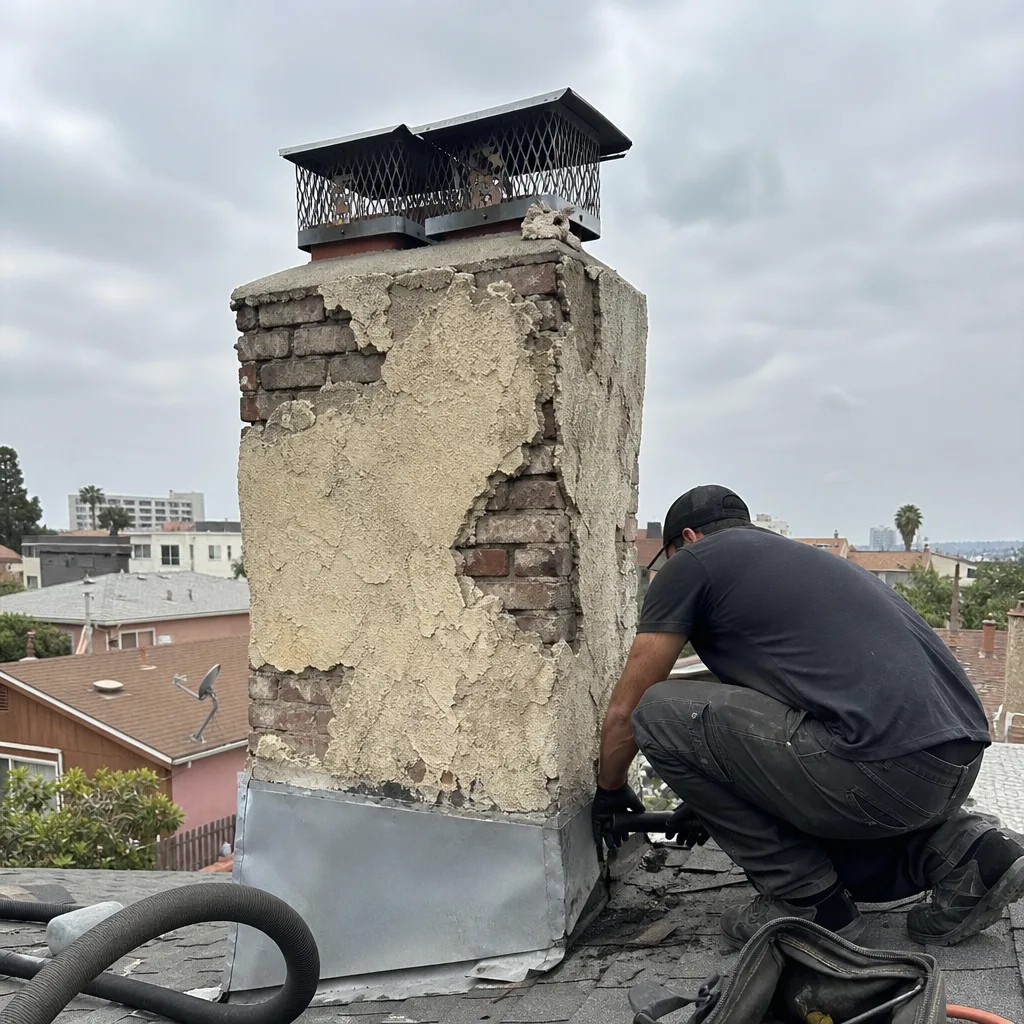 Before
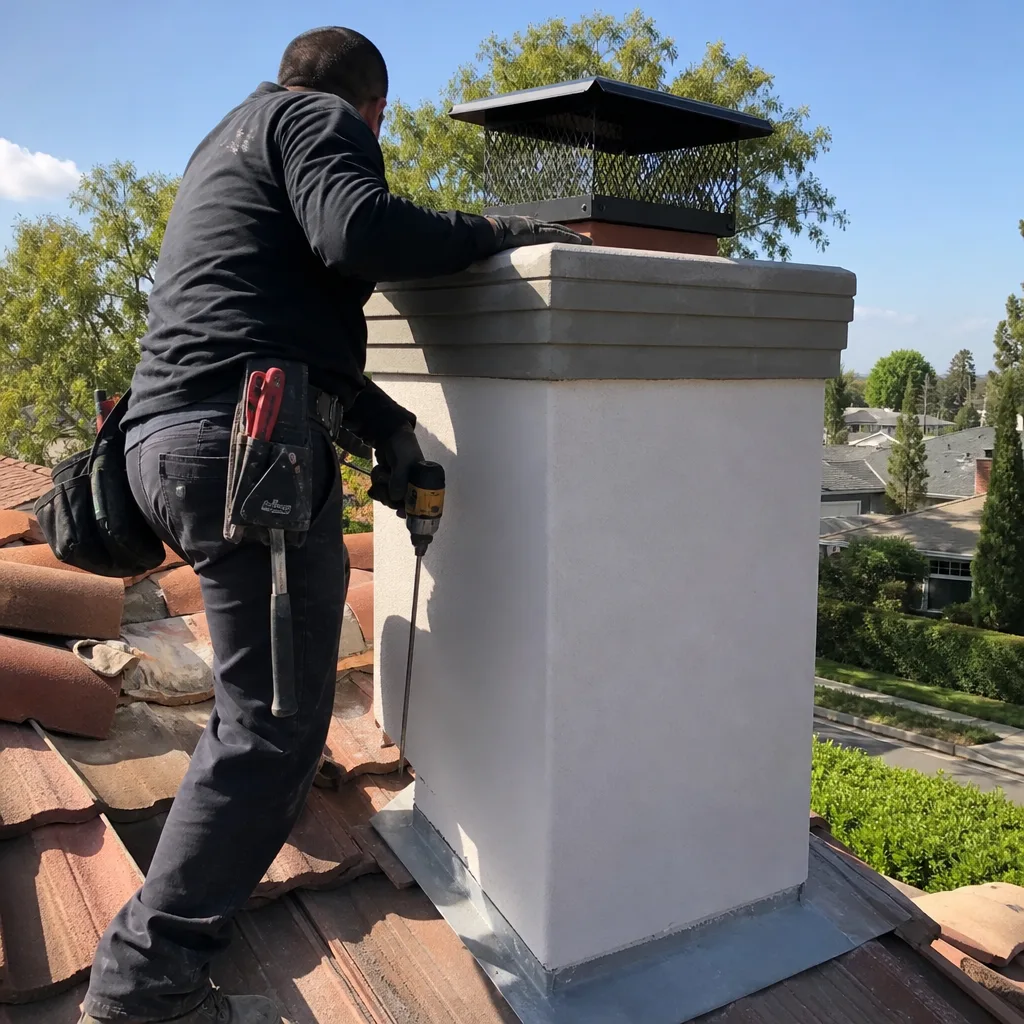 After
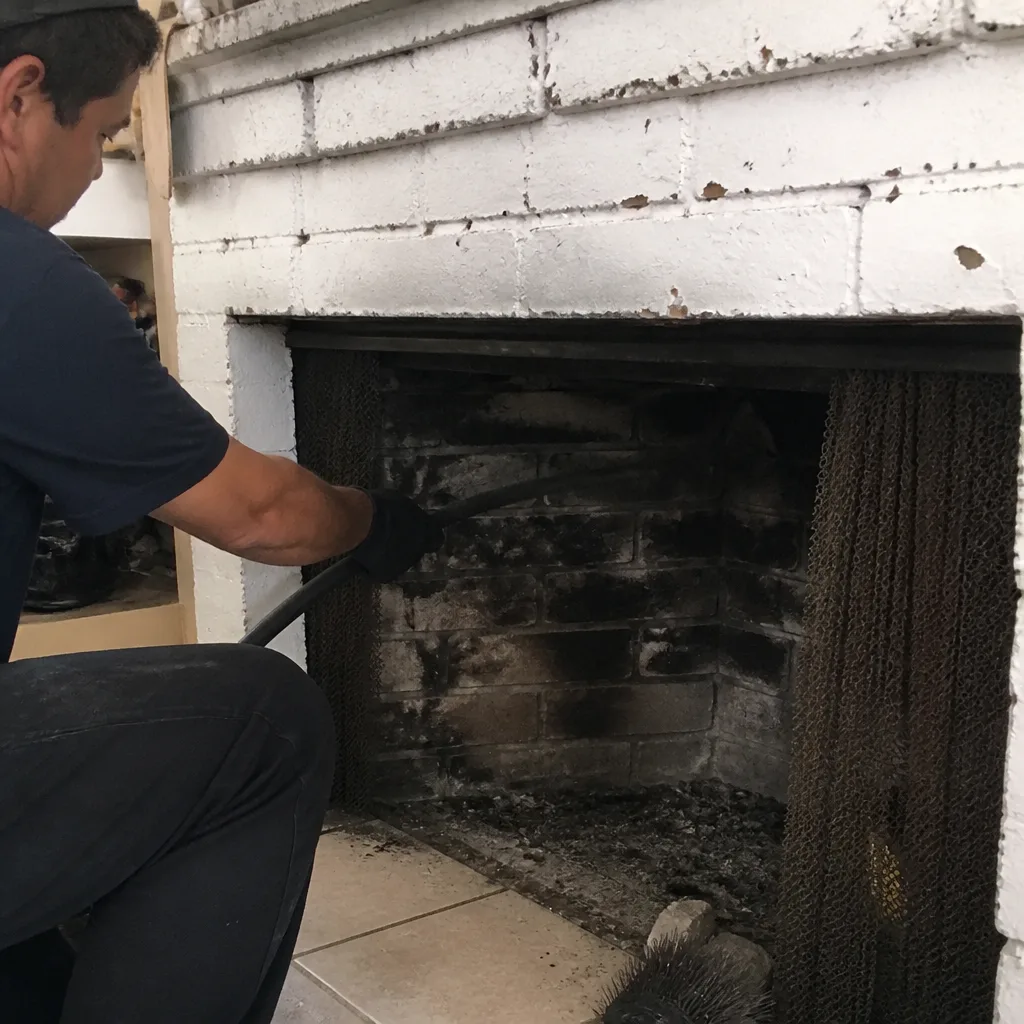 Before
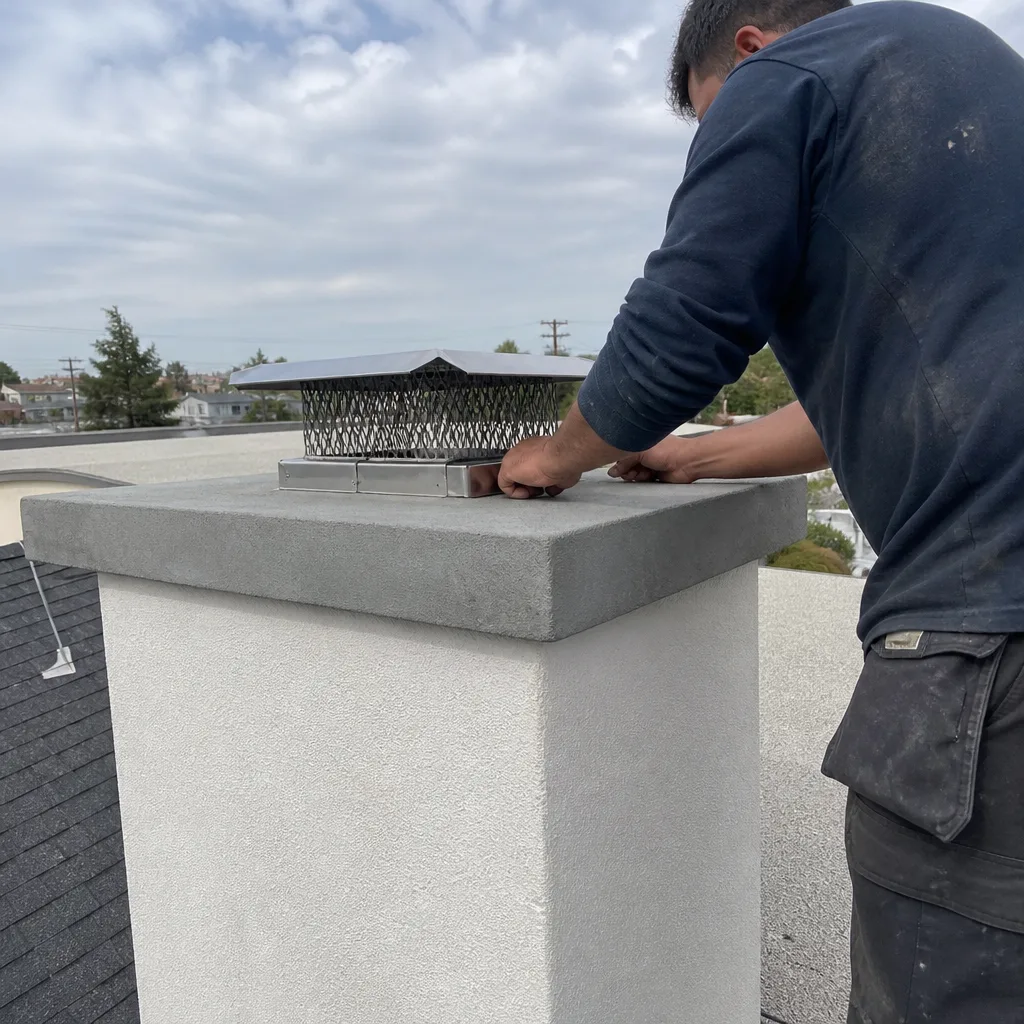 After
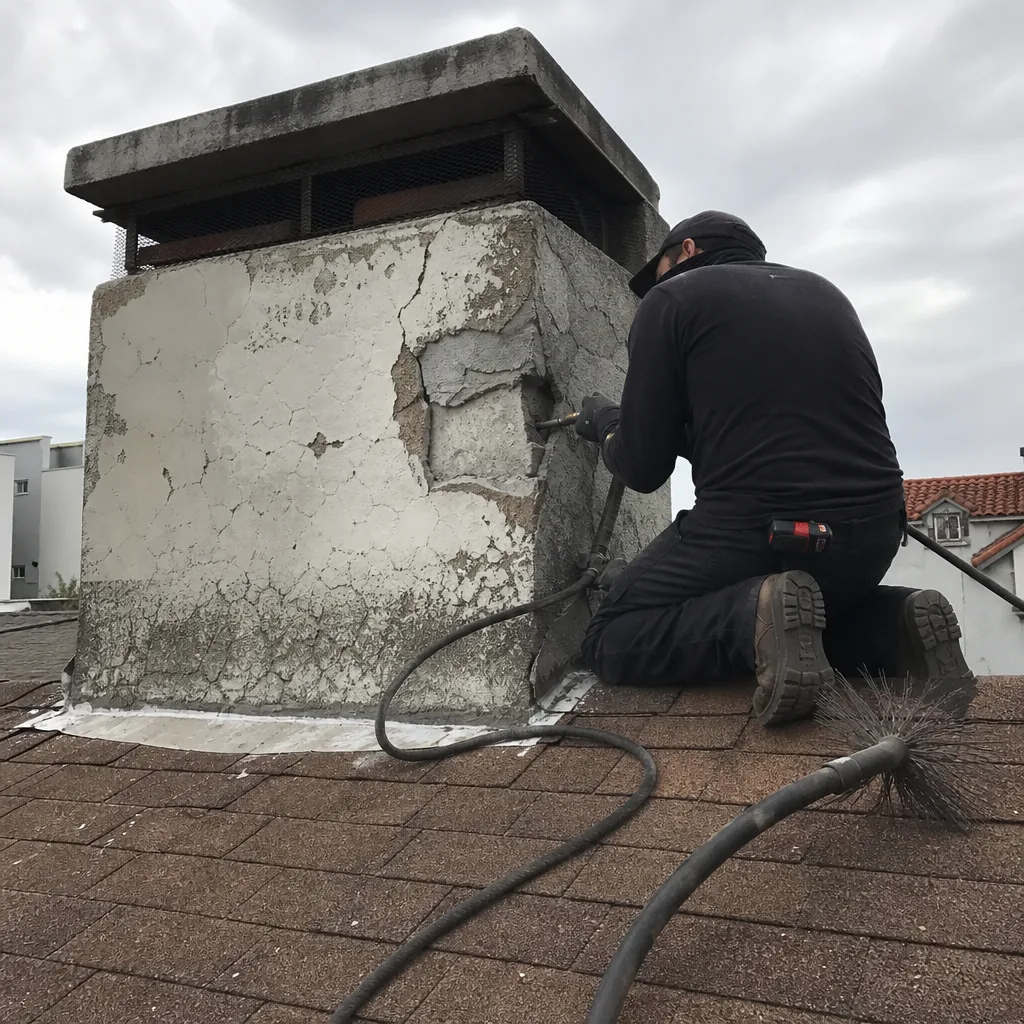 Before
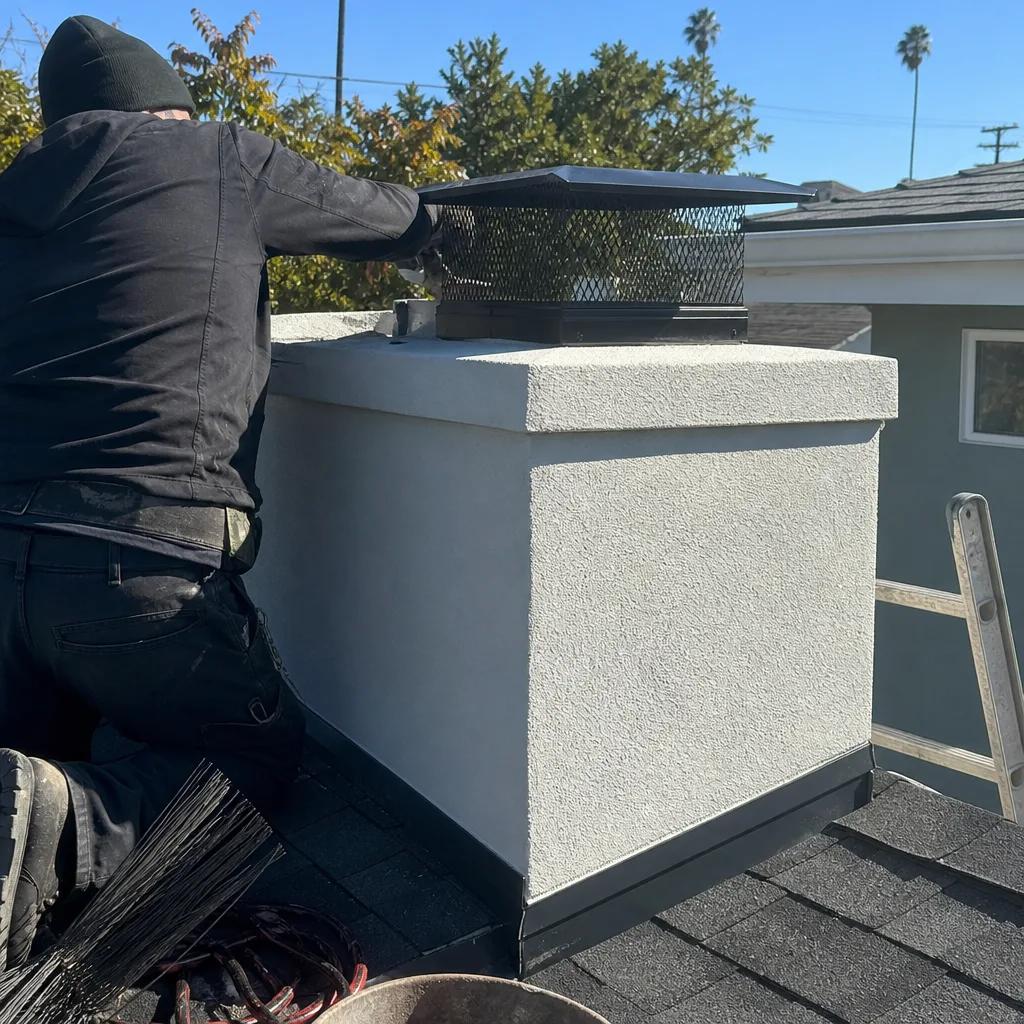 After
When to Call a Professional
Some situations clearly call for a professional chimney sweep in Koreatown rather than any attempt at self-assessment. If you smell smoke inside your unit after a fire, that’s a draft or liner problem, not normal operation. If you see white staining on exterior brick and it’s not efflorescence from rain, that’s a sign of moisture penetration through damaged masonry. If your neighbor reports a smoke smell in their unit, that’s a shared-wall chimney problem that requires immediate attention. And if you’ve never used your fireplace and don’t know its history, a pre-use inspection is the only responsible way to find out what you’re working with. Imperial Chimney offers free estimates in Koreatown. Call (866) 253-3809 to schedule an inspection and get a straight answer about what your chimney actually needs.
Frequently Asked Questions
A standard chimney sweep and inspection in Koreatown typically ranges from $150 to $350 depending on flue condition, accessibility, and whether additional services like camera inspection are included. Older masonry chimneys that haven’t been cleaned in years may cost more because of the additional time required to remove accumulated creosote. Call (866) 253-3809 for an exact quote, estimates are free.
Not necessarily. Small hairline cracks in a clay liner can sometimes be addressed with a resurfacing treatment like HeatShield, which seals the flue without requiring a full rebuild. Larger structural cracks, or liners that have separated entirely, generally require a new liner system. The only way to know is a camera inspection that shows the full length of the flue.
Wood-burning fireplaces in Koreatown’s older buildings should be swept annually if used regularly, due to the density of creosote that forms in large, slow-heating masonry flues. Gas fireplaces should be inspected every two years. Any fireplace being used for the first time in a building with unknown maintenance history should be inspected before the first fire.
Two things. First, creosote accumulates to the point where a chimney fire becomes a real possibility, and chimney fires in shared-wall masonry can spread into neighboring units. Second, liner cracks widen over time, allowing heat and gases to reach combustible framing. Neither problem announces itself. Both are found by inspection or fire, whichever comes first.
No. Los Angeles County enforces no-burn restrictions through the South Coast Air Quality Management District, and wood burning is prohibited on declared no-burn days unless your fireplace meets specific exemption criteria. This applies regardless of your chimney’s condition, and violations are subject to enforcement.
A proper chimney sweep includes checking the damper, flue, and ventilation pathway for conditions that can cause carbon monoxide to backdraft into the living space. This includes blocked flues, damaged dampers, and negative pressure conditions created by kitchen or bathroom exhaust fans. If the inspection finds anything that affects combustion safety, it should be documented in the written report.
The Bottom Line
Koreatown’s chimneys are not like the ones in the generic guides. They’re older, they’re shared, they’re subject to seismic stress and urban air chemistry, and they’re governed by a legal framework that most homeowners have never had explained to them. The practical takeaway is simple: inspect before you burn, sweep on a schedule that matches your building’s actual age and condition, and don’t accept a cleaning that comes without documentation. A chimney is infrastructure, not decoration. Treat it like plumbing or wiring, and it will serve you safely for decades. Chimney Repair in Koreatown, Chimney Sweep in Koreatown, and Dryer Vent Cleaning in Koreatown are all handled by the same team at Imperial Chimney, which means the person who finds the problem is the same person who fixes it. We use the same materials restoration contractors trust, including Gelco, Olympia Chimney, and Copperfield components, and we tell you what we found, and show you. Clean flue, safe home. Call (866) 253-3809 to schedule your inspection before burning season starts.
Written by the team at Imperial Chimney, serving Koreatown since 2017. Learn more at the Imperial Chimney home page.