
Last updated October 30, 2026
 Sweep & inspection
 Caps & crowns
 Flue relining
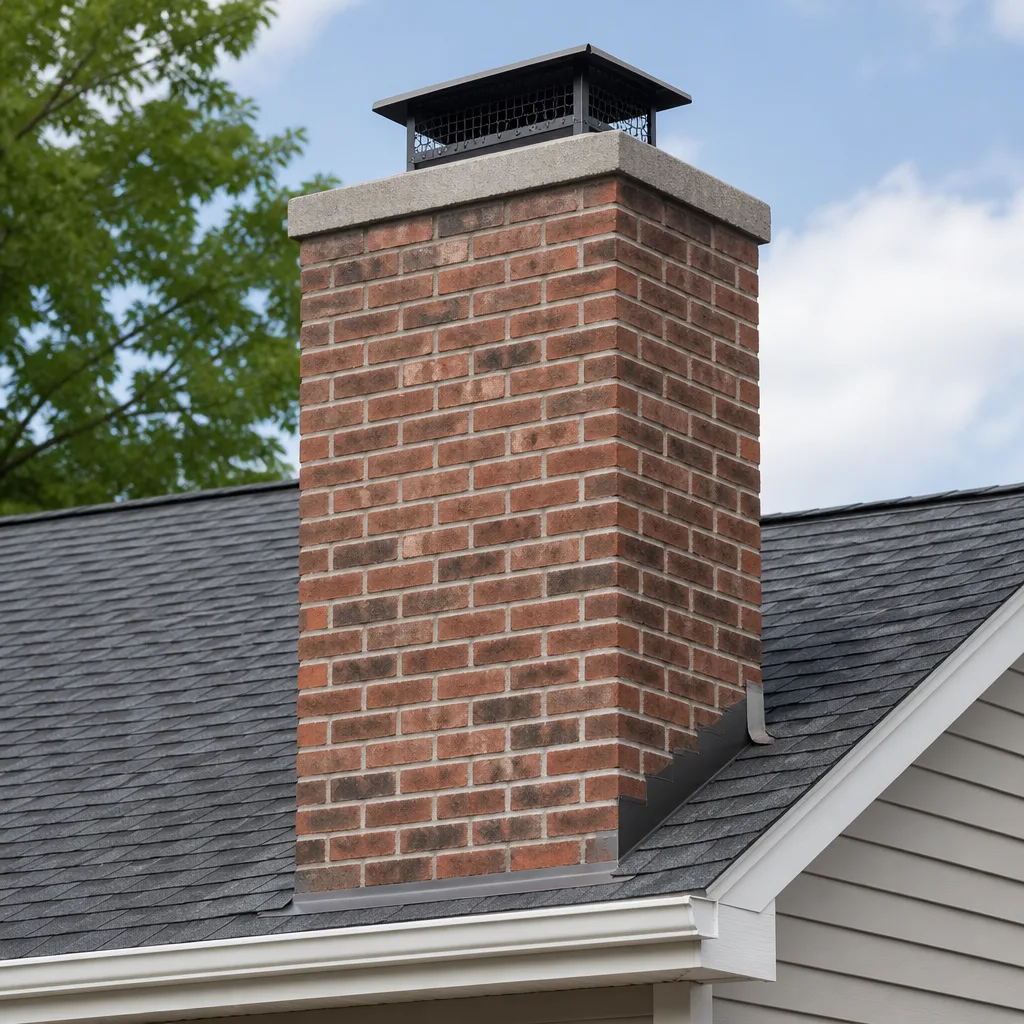 Masonry repair
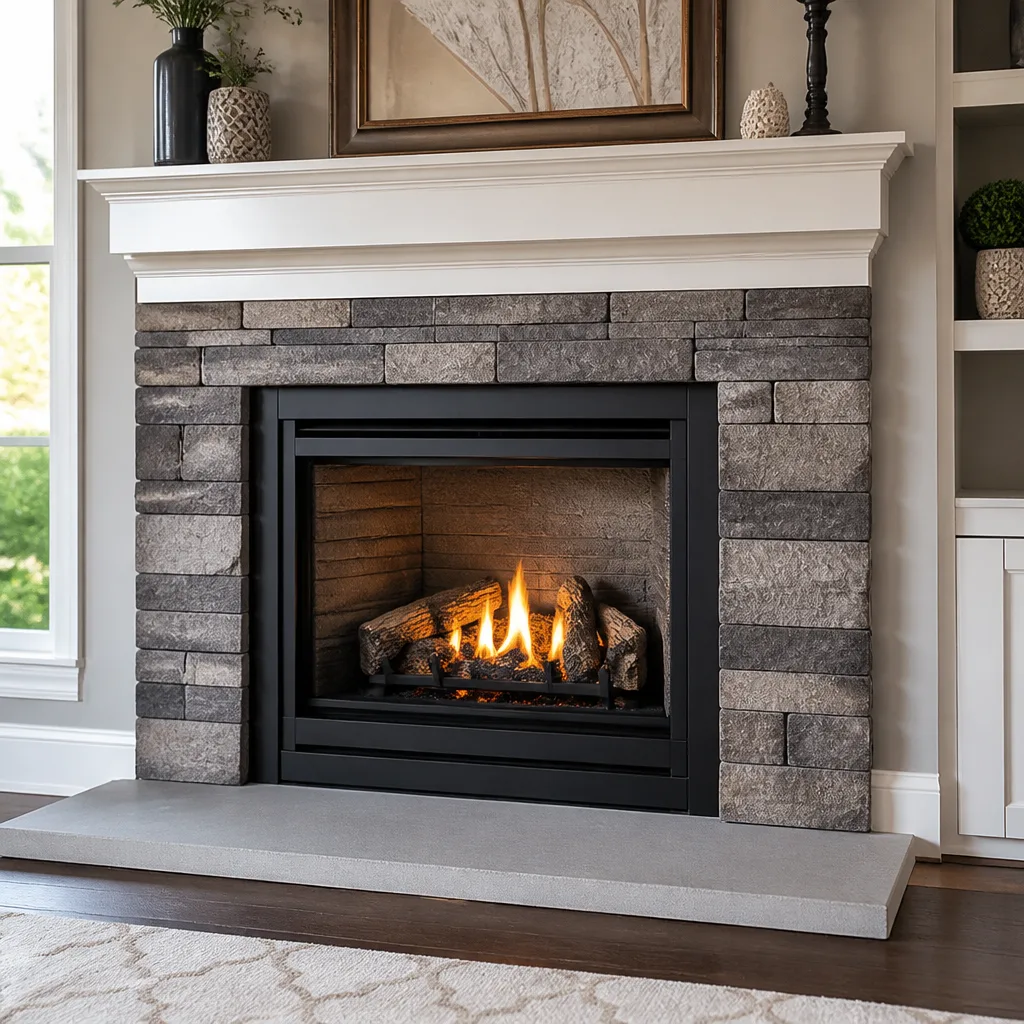 Gas fireplace service
Level 1 sweep and inspection to the NFPA 211 annual standard - flue, crown, cap, and flashing checked and photographed
Chimney sweep logs do not sweep chimneys. They loosen some creosote - which then falls where a brush and vacuum still have to collect it.
Choosing the Right Chimney Cleaning Brand: A Buyer’s Guide for Koreatown
Two chimney sweeps can run a brush through the same flue in Koreatown on the same Tuesday afternoon and hand you invoices that look nearly identical. Eighteen months later, one fireplace drafts beautifully and shows clean scan footage. The other has sticky Stage 2 creosote re-forming along the tiles, a crown developing hairline fissures, and a homeowner wondering why they paid for a cleaning that didn’t last. The difference rarely comes down to technique. It comes down to what was in the sweep’s truck: the chemical treatment, the sealant, the liner components, the cap materials. This guide walks you through those product decisions so you can ask the right questions before you book, not after the creosote returns. For more guides & resources, see our blog.
Quick Answer
Choosing the right chimney cleaning brand in Koreatown means looking past the brush and asking what products a contractor uses. The chemical treatment, crown sealant, and liner system determine how long your cleaning lasts and whether your flue stays safe through LA’s wet-dry thermal cycles. A sweep who can name their products by manufacturer and explain the specs is a sweep worth hiring. If you’re new to this, start with The Complete Chimney Sweep Guide for Koreatown Homeowners.
Styles & brands we work with
Table of Contents
- The Product Categories That Actually Matter
- Creosote Removal Chemicals: ACS vs. Enzyme-Based
- Crown Sealants and Why Grade Matters in LA’s Climate
- Flue Sealers and Smoke Chamber Coatings
- The Liner Decision: Stainless Steel vs. Cast-in-Place
- How to Ask a Contractor About Product Specs
- Verifying Product Specs Against Independent Standards
- Common Mistakes to Avoid
- When to Call a Professional
- Frequently Asked Questions
The Product Categories That Actually Matter
Most homeowners think a chimney cleaning is a chimney cleaning. A brush, a vacuum, maybe a tarp, and you’re done. The reality in Koreatown, where housing stock spans 1920s brick bungalows to 1980s condominium complexes, is that a proper cleaning involves decisions across four distinct product categories. For a full walkthrough, see The Complete Guide to Chimney Cleaning in Koreatown. Each one affects a different part of your chimney’s performance and lifespan.
Here’s the breakdown of what’s applied, installed, or specified during a professional service:
- Creosote removal chemicals: Applied before or during mechanical cleaning to break down tar-bonded creosote. The active chemistry varies widely, and this is the biggest hidden variable in cleaning quality.
- Crown sealants: Flexible or rigid coatings applied to the masonry crown at the top of the chimney. This is the first line of defense against water intrusion, which is the leading cause of chimney deterioration in Southern California’s rain-dry cycling.
- Flue sealers and smoke chamber coatings: Products that fill minor gaps, smooth smoke flow, and prevent gas or smoke leakage into the home structure.
- Spark arrestor and cap materials: The metal quality, mesh gauge, and fastener type determine whether your cap survives the next decade of Koreatown sun exposure or corrodes within two years.
Each category has a spectrum from consumer-grade to professional-grade. The distinction isn’t marketing. Restoration contractors and fire-safety inspectors specify professional-grade products because they’ve seen what fails in the field. A hardware store crown sealant might handle one rainy season. A contractor-grade elastomeric sealant from a manufacturer like Gelco handles the expansion and contraction that comes with LA’s summer-to-winter temperature swings without cracking.
Creosote Removal Chemicals: ACS vs. Enzyme-Based
Creosote is the tar-like byproduct of wood combustion that condenses on flue walls. The longer it sits, the more it progresses through stages: Stage 1 is flaky and easy to remove, Stage 2 is a hardened glaze, and Stage 3 is a dense, tar-like layer that can reignite and cause a chimney fire. What your sweep applies matters because it determines which stages can be safely and completely removed.
There are two main chemical approaches used by professional sweeps in Koreatown:
ACS systems (Anti-Creo-Soot): This is a manganese-based catalyst system, often delivered via liquid spray or saturated powder, typically under the brand name Anti-Creo-Soot. It works by chemically converting creosote into a dry ash through catalytic reaction. The manganese doesn’t just loosen the creosote; it changes its ignition temperature, making it significantly less likely to burn. A professional sweep applying an ACS treatment as part of a cleaning is doing more than removing residue: they’re chemically treating the flue so what remains is far less hazardous. This is the product category we reach for when dealing with Stage 2 and early Stage 3 creosote in Koreatown homes with longstanding wood-burning fireplaces.
Enzyme-based treatments: These use biological enzymes to break down the organic structure of creosote. They’re marketed as more environmentally friendly, and they do work over time. However, the reaction is slower and temperature-dependent. In a flue that runs through an uninsulated attic space in a Koreatown bungalow, the enzyme activity can drop off in the cooler sections, leaving uneven treatment. Enzyme products are best for maintenance between professional cleanings, not as a replacement for mechanical removal of heavy deposits.
The key takeaway: if a sweep says they “use a creosote remover” but can’t tell you which chemistry, that’s a problem. A professional can say “Anti-Creo-Soot catalyst” or “enzyme-based treatment” and explain what that means for your specific firebox, flue condition, and burning habits. Vague language means consumer products with diluted active ingredients.
Crown Sealants and Why Grade Matters in LA’s Climate
The chimney crown is the concrete or masonry slab that caps the top of the chimney structure, sloped to shed water away from the flue. When it cracks, water enters the masonry, and the freeze-thaw cycling that destroys chimneys in colder climates isn’t the issue here. What kills crowns in Koreatown is thermal cycling: the daily expansion and contraction from sun-hot days to cooler nights, amplified by the occasional soaking rain that saturates the material and then dries rapidly in the Southern California sun. That repeated movement causes rigid sealants to split within a season or two.
Professional-grade crown sealants are elastomeric, meaning they flex with the structure. Products specified by restoration contractors use polymer bases that stay pliable for years, not months. In our work across Koreatown, we’ve seen hardware store caulk-style sealants fail in under twelve months on sun-exposed crowns. A contractor-grade sealant from a manufacturer like Gelco, applied after proper surface preparation, lasts five to ten years in LA conditions.
The preparation matters as much as the product. You can’t slap a premium sealant onto a crumbling, saturated crown and expect results. A proper application involves cleaning, repairing minor cracks with a compatible patch material, and applying the sealant to a clean, dry surface. When you’re choosing a chimney cleaning company, ask what brand of crown sealant they use and whether they document the before-and-after condition with photos or camera footage. If they can’t name the product, you’re getting whatever was on the shelf at the home center.
Flue Sealers and Smoke Chamber Coatings
Between the firebox and the flue is the smoke chamber: the transitional space that corkscrews smoke upward. In many older Koreatown homes, this chamber was built with corbeled brick, meaning each layer steps inward slightly. The result is a rough, jagged surface with plenty of gaps and ledges where creosote and soot collect. It’s also a vulnerable point for flue gas leakage into the home’s upper structure.
A quality flue sealer or chamber coating does two things. First, it fills those gaps and smooths the surface, improving draft and reducing creosote buildup. Second, it acts as a thermal barrier, keeping flue gas temperatures contained within the chimney chase. The product matters because not all coatings handle high-temperature cycling the same way. Cheaper products degrade under repeated exposure to the 400-plus-degree temperatures a wood fire produces, flaking off into the flue or, worse, compromising the seal.
The professional-grade options used by contractors in the restoration space are ceramic-based or polymer-modified cementitious coatings. They bond to masonry rather than simply sitting on the surface. Products like HeatShield take this a step further: the ceramic resurfacing system actually restores compromised flue walls and smoke chambers to a smooth, insulated, fire-rated condition without tearing out the existing masonry. That’s a specialist repair solution that goes well beyond what a cleaning service offers, but it’s the same product family a good chimney company will reach for when the coating needs to do real structural work, not just cosmetic smoothing.
As a homeowner, the question to ask is simple: “If my smoke chamber needs coating, what product do you use and what’s the rated temperature?” A vague answer signals a homeowner-grade product. A specific manufacturer and temperature rating signals a professional.
The Liner Decision: Stainless Steel vs. Cast-in-Place
When a chimney’s flue liner is damaged, cracked, or missing entirely, a sweep should flag it as a repair issue, not a cleaning issue. But many Koreatown homeowners first learn they need a new liner during a routine cleaning, and the product decision gets made under pressure. Understanding the two main liner system types before that day comes will help you evaluate what your contractor proposes.
Stainless steel liner systems: Flexible or rigid stainless steel pipe installed inside the existing flue. The key specification is the alloy grade and the UL listing. A proper liner is UL 1777 listed, which means it’s tested and certified for use as a chimney liner for specific fuel types. Brands like DuraFlex and Olympia Chimney manufacture liner systems with UL listings that California insurers recognize. The alloy matters too: 316L stainless is standard for wood-burning appliances, while 304 may be specified for gas. A contractor who can’t tell you the alloy grade they’re recommending is not a contractor you want pulling a liner down your flue.
Cast-in-place systems: A poured refractory or ceramic material that forms a new flue wall inside the existing chimney. This is a more involved installation, but it offers benefits for chimneys with irregular flue shapes or those where a cylindrical steel liner won’t fit well. HeatShield’s ceramic resurfacing is a related approach: rather than pouring a new liner, a ceramified coating is applied to the existing flue walls, restoring structural integrity and providing a smooth, insulated surface. This matters in Koreatown’s older housing stock, where flues are often tile-lined and deteriorating. A full stainless liner might not be necessary if the damage is limited to surface spalling and minor cracking; a ceramic restoration can restore the flue to safe, functional condition at significantly less cost and without removing the original masonry structure.
The product decision is never one-size-fits-all. A good chimney professional evaluates the flue’s current condition, the appliance it serves, and the homeowner’s budget to make a recommendation. You should leave that conversation knowing which manufacturer’s product is being proposed and why, with a clear explanation of the UL listing and what it means for your insurance and your safety.
How to Ask a Contractor About Product Specs
Most Koreatown homeowners never ask about product specs because they don’t know they should. When you do ask, the response tells you everything you need to know about what kind of company you’re dealing with. A professional will answer enthusiastically. A low-end operator will dodge.
Here’s a step-by-step approach to the conversation:
- Ask the brand, not the category. “What creosote treatment do you use?” is too broad. “Do you use Anti-Creo-Soot ACS powder, an enzyme spray, or something else?” forces a specific answer. A professional knows their product line by manufacturer and can explain why they chose it.
- Ask about the crown sealant. “What brand of crown sealant do you apply, and how long does it typically last in this climate?” The answer should include a manufacturer name and a realistic lifespan claim. If they say “any sealant works,” you’re done looking.
- Ask about their liner sources. This applies if repair is on the table. “If I need a new liner, what manufacturers do you install?” The answer should include names like DuraFlex, Olympia Chimney, or similar professional-grade lines with UL listings. If they can’t name a manufacturer, they’re likely sourcing from a local supply house by whatever’s cheapest that week.
- Ask to see documentation. A professional can show you cut sheets, manufacturer spec PDFs, or before-and-after camera footage from previous jobs. This isn’t about proving themselves; it’s about showing you exactly what they’ll install so you can verify independently.
A defensive answer to any of these questions is the biggest red flag there is. If a contractor gets irritated when you ask what products they use, that tells you they use cheap products and don’t want to be held accountable for them. The best professionals in the trade love talking about this stuff. It’s what separates them from the guy with a truck and a wire brush.
Verifying Product Specs Against Independent Standards
Once a contractor names their products, you can and should verify those specs against independent standards. This is the step that separates a researched decision from taking someone’s word for it. It takes ten minutes and can save you from either overpaying for a needless repair or trusting a product that won’t last.
The primary independent bodies are:
- The Chimney Safety Institute of America (CSIA): The CSIA sets professional standards for chimney sweeping and inspection, and it maintains an educational library that covers chemical treatments, liner systems, and the latest safety research. A CSIA-aligned contractor will cite their standards without hesitation.
- Underwriters Laboratories (UL): For liner systems, the UL 1777 listing is the key spec. It confirms the liner has been tested for the application it’s sold for. You can search the UL database by product name or manufacturer to verify a listing exists.
- NFPA 211: This is the National Fire Protection Association standard for chimneys, fireplaces, and venting systems. It’s the document most insurance companies reference when evaluating chimney-related claims. Knowing the standard exists and that your contractor follows it is baseline professionalism.
Here’s a practical verification sequence:
- Get the product name in writing. Ask for a written estimate that lists product brands and specifications, not just “chimney cleaning” and a price.
- Look up the manufacturer. A professional-grade product comes from a manufacturer with a technical documentation library. If Google returns nothing but a defunct Amazon listing, that’s a consumer product.
- Check the UL database. For any liner system, the UL listing number should be available from the manufacturer. Cross-reference it at UL’s product database.
- Confirm the CSIA alignment. Does the company’s work follow CSIA inspection protocols? Do they mention Level 1, Level 2, and Level 3 inspections by name? A professional does.
In our experience working on Chimney Sweep in Koreatown properties, we’ve seen the difference verification makes. Homeowners who check product specs before booking end up with better outcomes and fewer repeat visits. It’s the same pattern as any trade: the companies that welcome scrutiny are the ones that earn it.
Common Mistakes to Avoid
- Choosing by price alone. A $99 special from a flyer may not include chemical treatment, crown inspection, or proper documentation. The cleaning may look fine and fail to protect anything. You’ll pay for it again next year when the creosote returns faster than it should.
- Not asking about product brands. If you don’t ask, you get what the contractor’s supplier had on clearance. Chemical treatments and sealants aren’t interchangeable, and the difference shows up in how long your chimney stays clean and sealed.
- Assuming all sweeps are the same. Every chimney sweep has a brush. The differentiation is in what they apply, install, and document afterward. Koreatown has plenty of generalist handyman services that do a visual brush-out and call it a cleaning.
- Skipping the camera inspection. A proper cleaning includes a camera pass before and after, with footage you can see. Without it, you have no idea whether the flue was actually cleaned or just brushed superficially.
- Accepting a vague quote. “Cleaning and inspection: $189” without product specifications or inspection level listed is a template, not a real quote. Insist on a written estimate that names what will be used.
- Ignoring the dryer vent. It’s not a chimney, but it’s the same fire-safety conversation. A company that handles both chimney cleaning and dryer vent cleaning understands the full fire-risk picture of your home.
- Delaying a flagged repair. When a sweep identifies a cracked tile, a deteriorating crown, or a liner issue, that’s a repair need, not an upsell. The longer it waits, the more expensive the eventual fix. In Koreatown’s older homes, deferring liner work on a wood-burning fireplace is a genuine safety risk.
When to Call a Professional
You should call a professional chimney company when you see any of these: visible soot or creosote buildup beyond a light dusting, smoke entering the room during use, a persistent odor from the fireplace even when it’s not lit, water staining on the ceiling near the chimney, or if it’s been more than a year since the last cleaning and you burn regularly. If your home is new to you and has a wood-burning fireplace, an inspection before your first fire is the safest move. Don’t wait for a chimney fire to decide you need an expert.
Imperial Chimney offers free estimates in Koreatown. Call (866) 253-3809 to schedule a sweep, inspection, or repair evaluation. We’ll tell you what we found, show you the footage, and explain exactly what product we recommend and why.
Frequently Asked Questions
In Koreatown, a standard chimney sweep with Level 1 inspection typically runs between $180 and $340, depending on flue condition, accessibility, and whether chemical treatment is included. A sweep that includes an ACS creosote treatment or additional camera documentation may run higher. Call (866) 253-3809 for an exact quote. Estimates are free.
The difference is in the products applied and the documentation provided. A professional-grade cleaning includes a specific creosote treatment (ACS or enzyme-based, named by manufacturer), a crown sealant evaluation with product-grade recommendation, and before-and-after camera footage. A cheap sweep is a brush run through the flue without chemical treatment, crown work, or visual verification.
Maybe. A cracked or missing flue liner is a genuine fire and carbon monoxide risk, not a cosmetic issue. But always ask to see the camera footage that shows the damage. Professional sweeps document everything, so you should be able to see exactly what they saw. If they recommend a liner without showing you the footage, get a second opinion before spending thousands of dollars.
The CSIA and NFPA 211 recommend annual inspection at minimum, with sweeping when creosote buildup reaches 1/8 inch or more. For wood-burning fireplaces in Koreatown that see regular seasonal use, an annual sweep is the right baseline. Gas fireplace chimneys can go longer between cleanings but still need periodic inspection for blockages and venting issues.
Creosote accumulates in layers. Stage 1 is flaky and easy to remove. Stage 2 is a hardened glaze that requires chemical treatment plus mechanical removal. Stage 3 is a dense, tar-like coating that can ignite and cause a chimney fire. The progression is reliable and measurable: skip two to three years of cleaning with regular wood burning, and you’re likely dealing with Stage 2 or worse. The cleaning becomes more expensive and the risk becomes real.
Yes, if the company is equipped for both. Many sweeps only clean and must refer repairs to another contractor, which means coordinating schedules and paying two service fees. At Imperial Chimney, sweeping and Chimney Repair in Koreatown are handled by the same team, so a flagged issue can often be diagnosed, quoted, and scheduled on the spot. One company, start to finish.
The Bottom Line
Choosing a chimney cleaning brand in Koreatown is really about choosing a company that respects product specifications. The brush matters less than the chemistry. The technique matters less than the sealant. The invoice matters less than what’s behind it. When you hire a chimney professional, you’re hiring their product knowledge and their willingness to document what they did. That’s what determines whether your chimney stays clean, sealed, and safe through the next couple of heating seasons or requires another expensive visit next winter. Ask the brand-name questions, demand the camera footage, and you’ll end up with a chimney that stays cleaner longer, performs better, and costs less to maintain over time.
Written by the team at Imperial Chimney, serving Koreatown since 2017. This guide is part of our commitment to helping homeowners make informed decisions about chimney safety. For more on our full service range, visit the Imperial Chimney home page.
See the difference
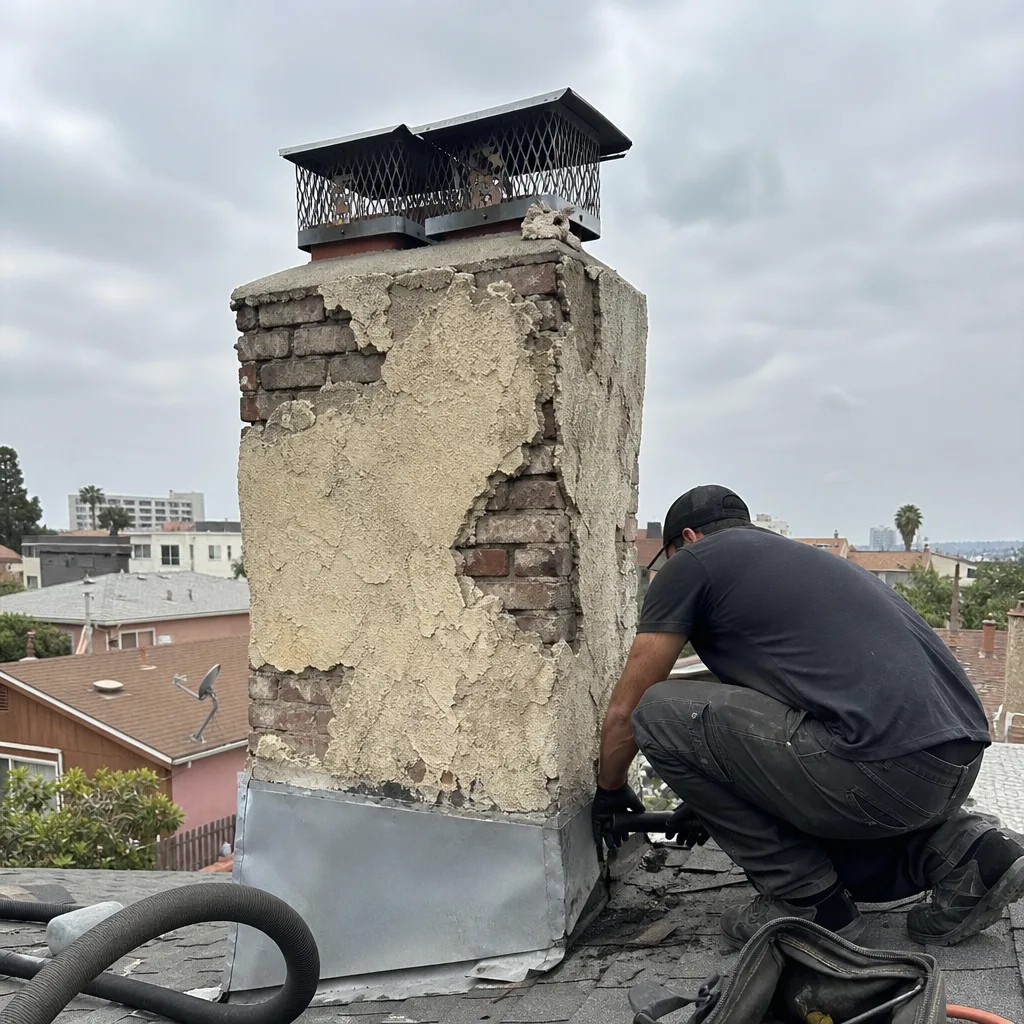 Before
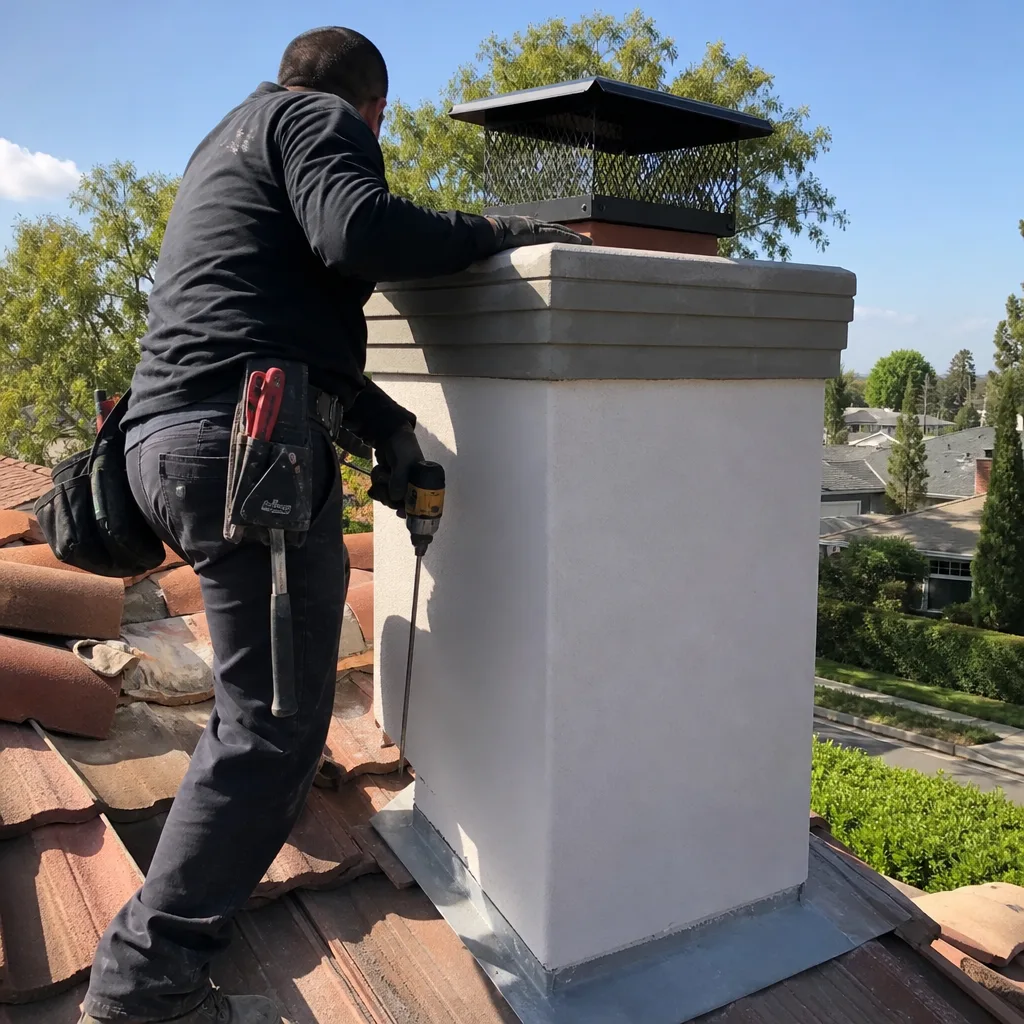 After
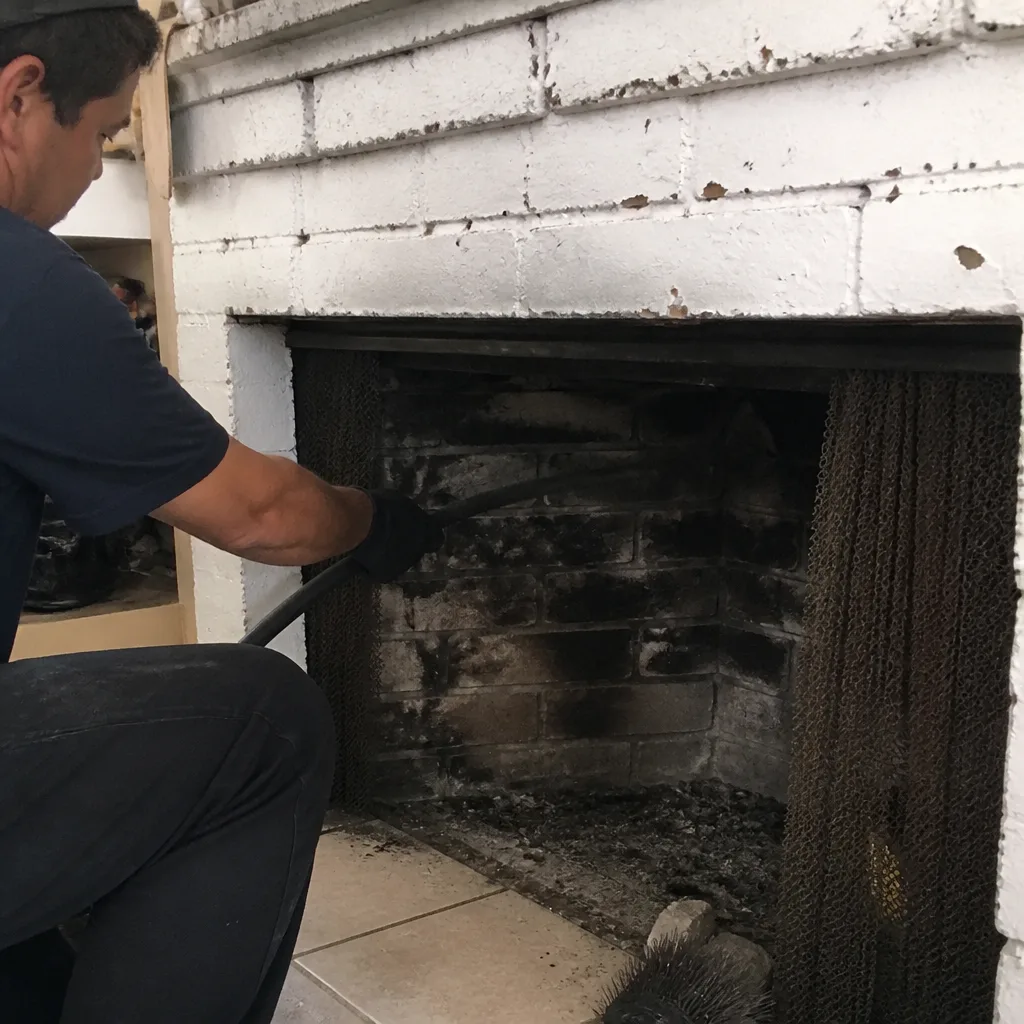 Before
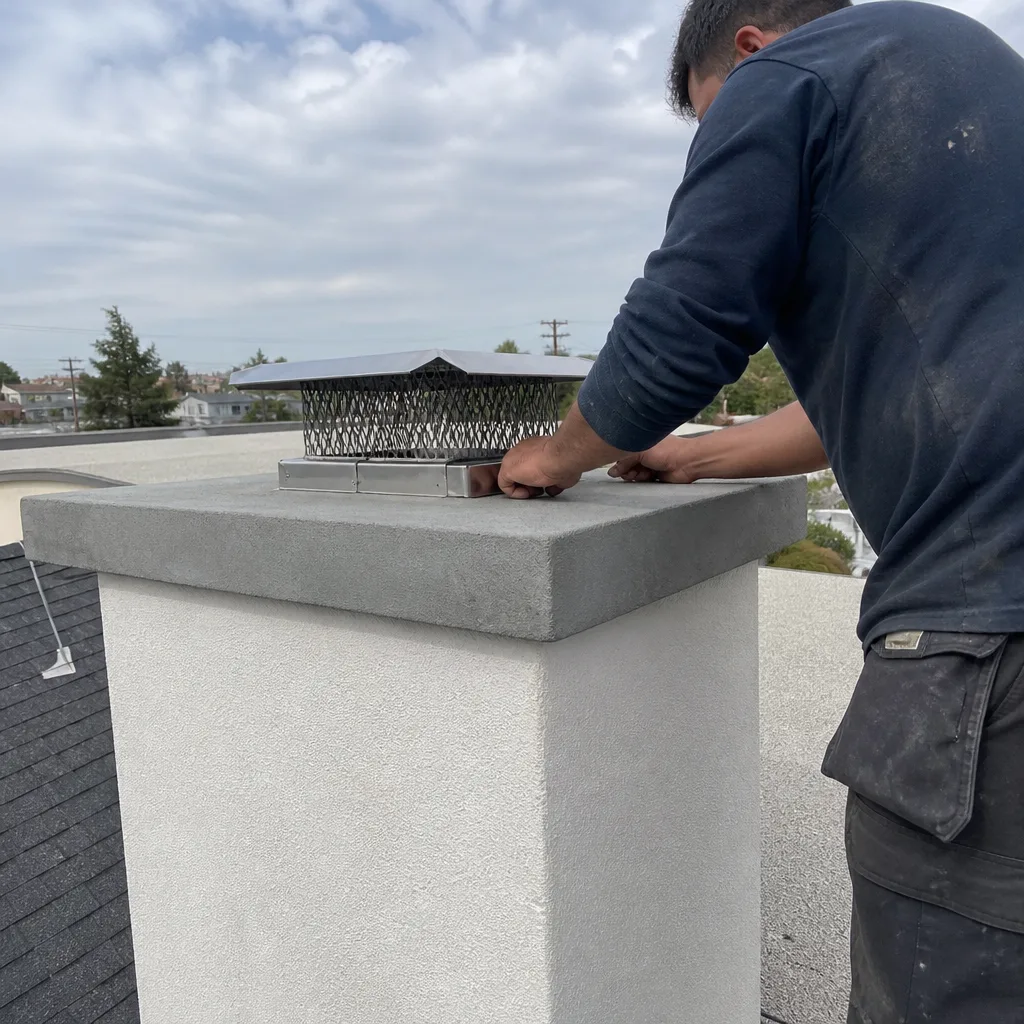 After
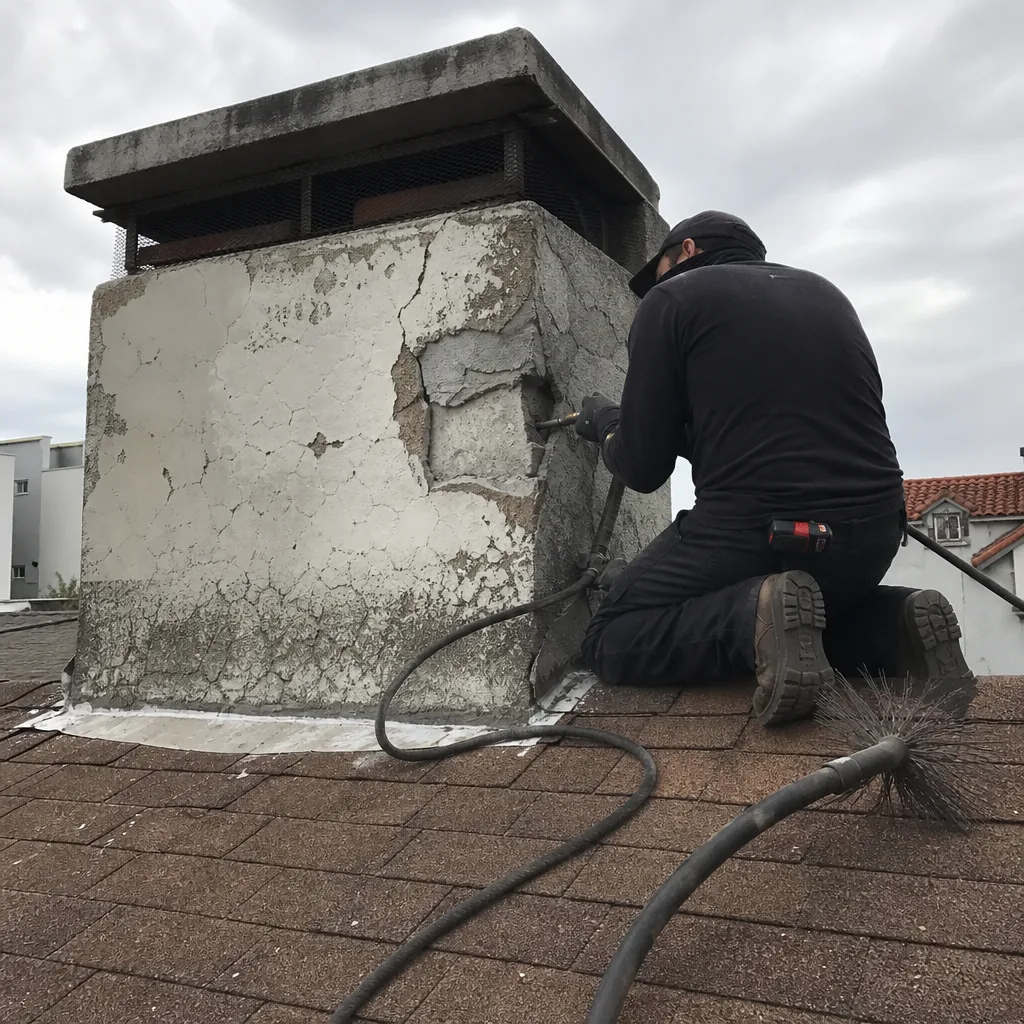 Before
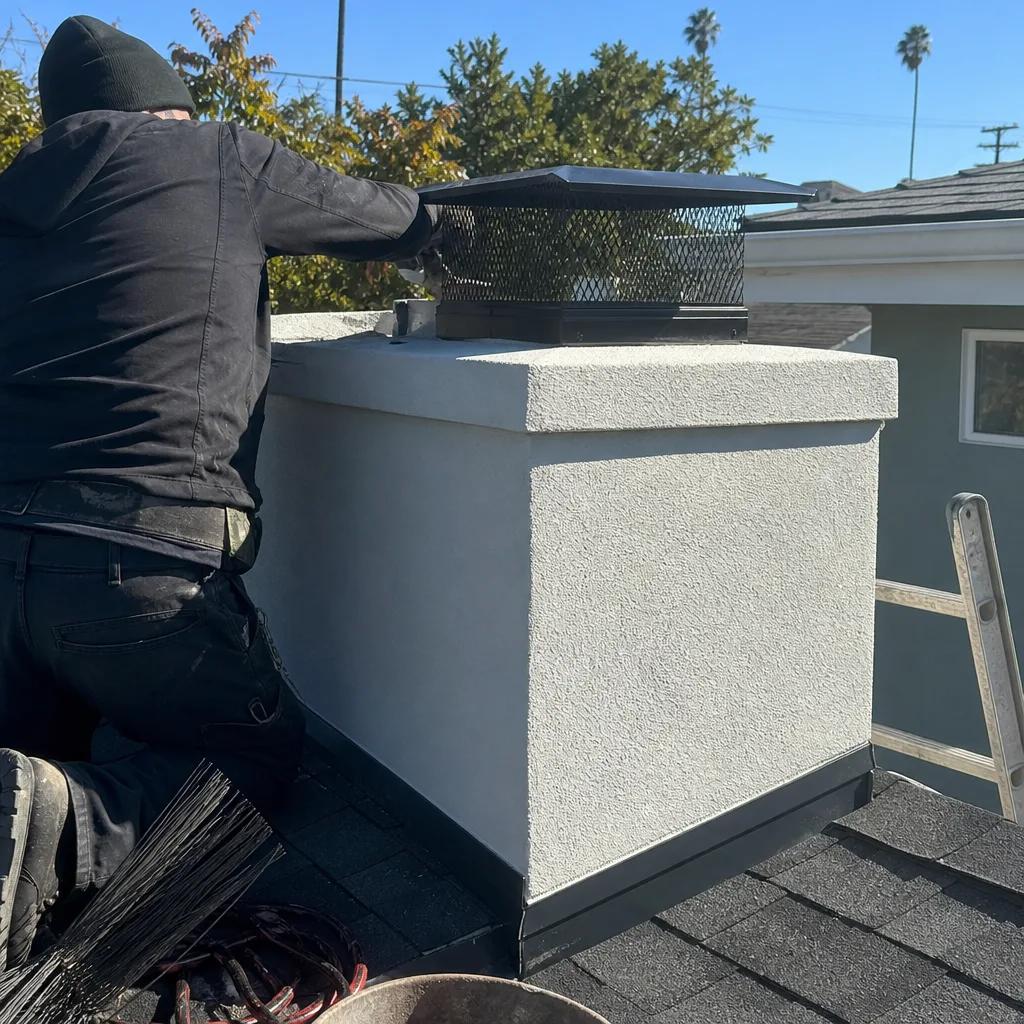 After