
Last updated October 30, 2026
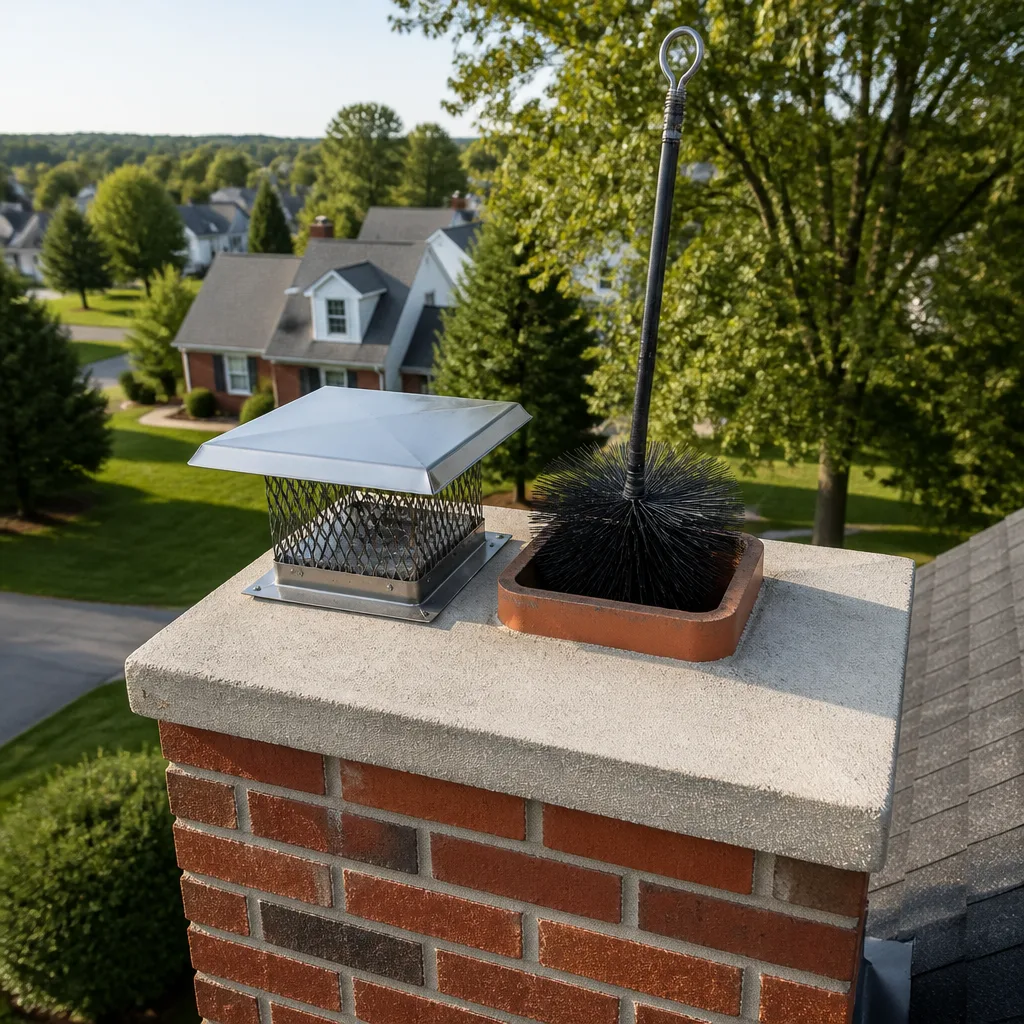 Sweep & inspection
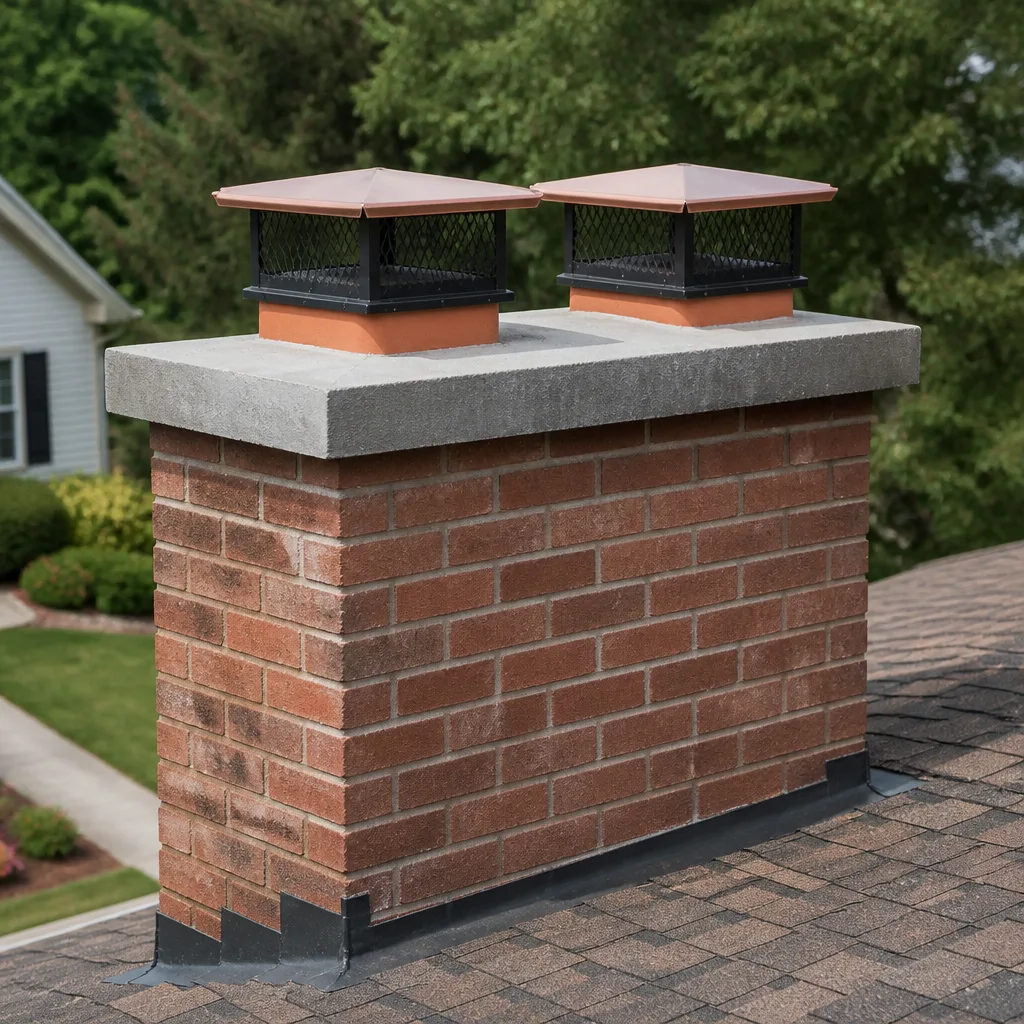 Caps & crowns
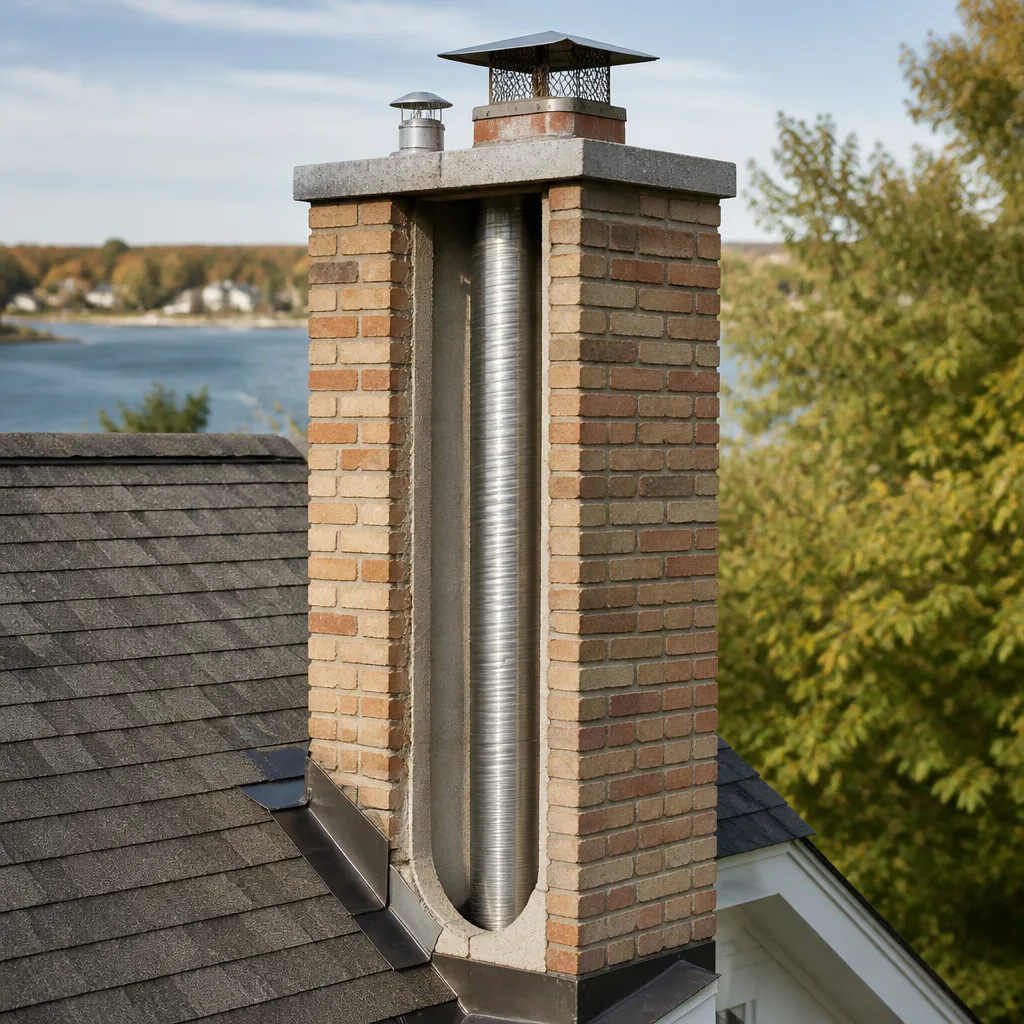 Flue relining
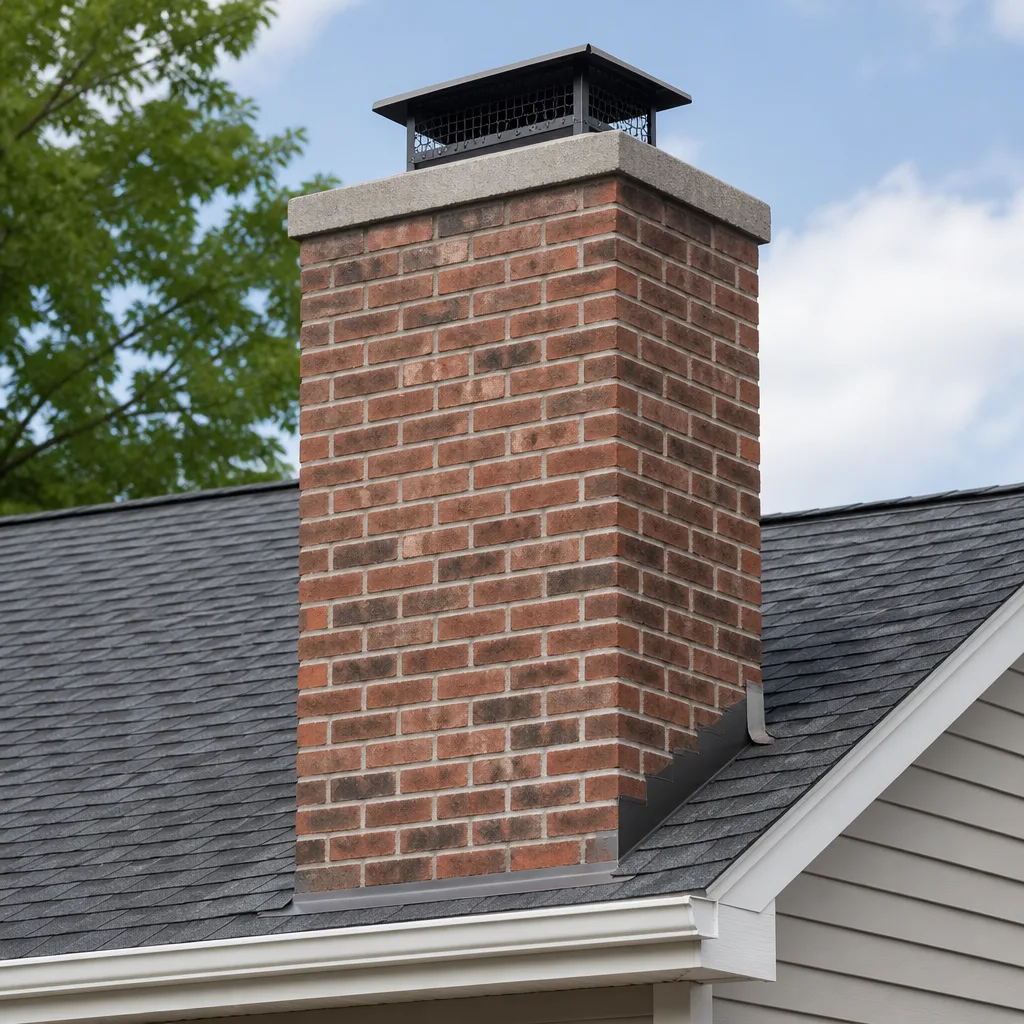 Masonry repair
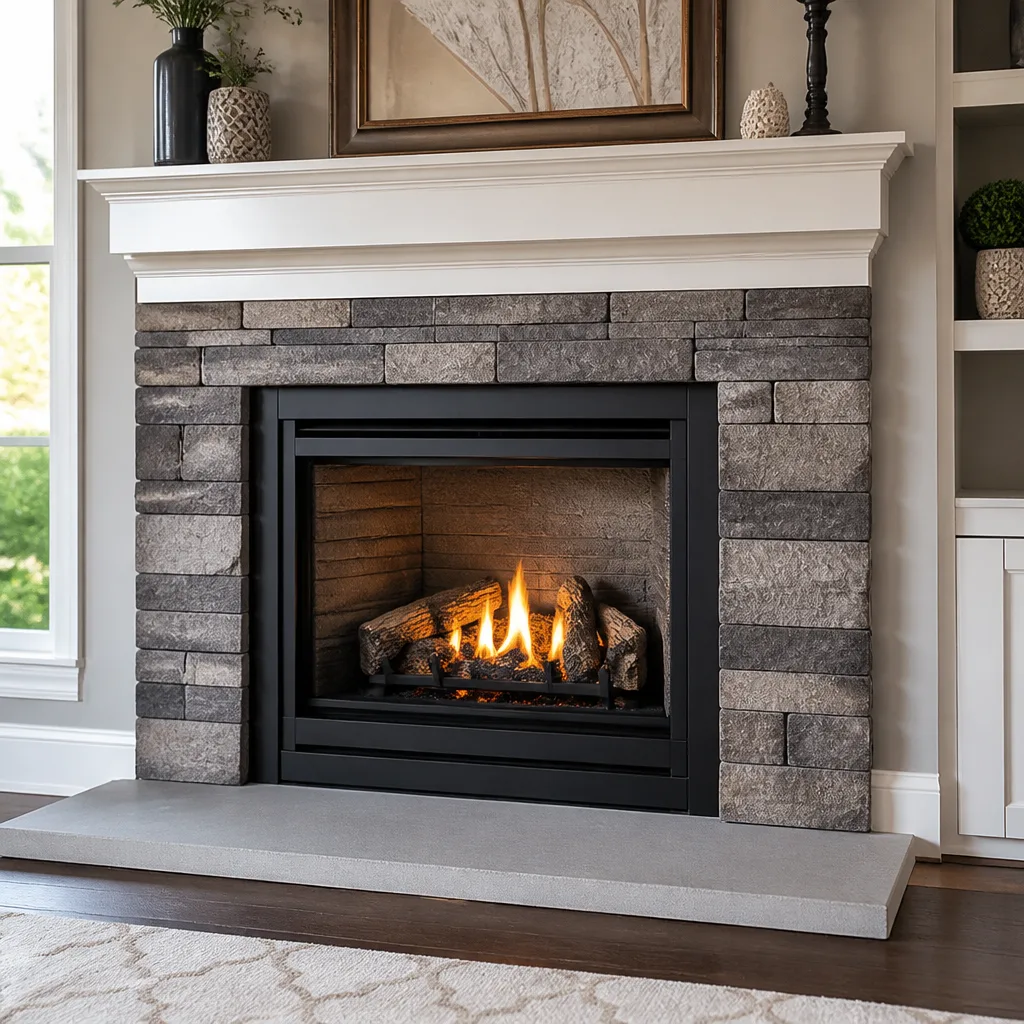 Gas fireplace service
Level 1 sweep and inspection to the NFPA 211 annual standard - flue, crown, cap, and flashing checked and photographed
Chimney sweep logs do not sweep chimneys. They loosen some creosote - which then falls where a brush and vacuum still have to collect it.
How to Hire a Chimney Cleaning Contractor in Koreatown: A Step-by-Step Guide
In California, there is no state license required to call yourself a chimney sweep. That single fact means the burden of qualification-checking falls entirely on you, and most Koreatown homeowners don’t know what questions to ask until after the truck has left. This guide walks you through the vetting questions that actually separate a dedicated chimney specialist from a general handyman who added “chimney sweep” to their service list last year, and you can explore more guides & resources on our site when you’re done. You’ll learn which certifications matter, what a real estimate should include, how to evaluate a camera inspection, and the red flags specific to the Los Angeles market.
Styles & brands we work with
Quick Answer
To hire a chimney cleaning contractor in Koreatown, verify they hold a CSIA or NFI certification, ask for a written estimate with specific line items, insist on a post-cleaning camera inspection, and confirm they understand SCAQMD requirements for the LA basin. The contractor should be a chimney specialist whose core business is chimney and venting work, not a handyman offering it as a side service. Expect to pay between $180 and $340 for a standard sweep and inspection in the Koreatown area.
Table of Contents
- Why Koreatown Chimneys Need a Specialist
- The Certifications That Actually Matter: CSIA vs. NFI
- The 7 Questions to Ask Before You Book
- Why Creosote Stage Matters: The Chemistry Question Contractors Should Answer
- How to Read a Written Estimate: Line Items That Should Appear
- The Camera Inspection Question: What to Look For in the Footage
- Red Flags Specific to the LA Market
- What Chimney Cleaning Costs in Koreatown
- Common Mistakes to Avoid
- When to Call a Professional
- Frequently Asked Questions
- The Bottom Line
Why Koreatown Chimneys Need a Specialist
Koreatown sits in one of the densest housing corridors in Los Angeles, and the building stock reflects it. We work on chimneys in 1920s Spanish Revival duplexes along Wilshire, mid-century apartment buildings off Western and Vermont, and postwar single-family homes tucked between 3rd and 8th Street. Many of these structures share walls, rooflines, and in some cases, chimney flues. That changes how a professional approaches everything from creosote removal to structural assessment.
Older masonry chimneys in Koreatown face a specific set of conditions. Unreinforced brick and lime mortar from the pre-1940s era reacts differently to seismic movement than modern construction. Seasonal temperature swings between coastal fog and Santa Ana heat cycles cause micro-expansion in clay tile liners. Add decades of wood-burning use, and you get flues with hairline cracks that a visual-only inspection can easily miss. A proper Chimney Sweep in Koreatown knows to look for these patterns because they see them every week.
There’s also the air quality overlay. The South Coast Air Quality Management District (SCAQMD) regulates residential wood burning across the LA basin, and Koreatown falls squarely inside that jurisdiction. The regulations restrict wood burning on no-burn days, which occur most often between November and February. A contractor who cannot tell you what SCAQMD is, or who doesn’t ask about your fireplace type and burning habits, hasn’t done the homework required to operate responsibly in this market.
This confluence of old construction, seismic exposure, dense housing, and air quality rules means a Koreatown chimney needs someone who treats every visit as an inspection opportunity. The wrong hire isn’t just a wasted fee. It’s a missed diagnosis that could leave a fire hazard in place.
The Certifications That Actually Matter: CSIA vs. NFI
When you start calling chimney contractors in Koreatown, you’ll hear the same phrases repeated: “fully insured,” “experienced,” “professional.” Most of those words carry no legal weight. Two credentials do. Ask about them by name.
The CSIA Certified Chimney Sweep designation comes from the Chimney Safety Institute of America, the industry’s oldest and most recognized credentialing body. To earn it, a sweep must pass a comprehensive exam covering fire codes, inspection standards, flue dynamics, and safety protocols. Certification requires continuing education credits to maintain. When a contractor says they’re CSIA-certified, ask to see the credential number. It’s public record and verifiable.
The NFI credential comes from the National Fireplace Institute and covers three specialty tracks: wood-burning systems, gas hearth systems, and pellet systems. An NFI Woodburning Specialist has been tested on combustion theory, draft mechanics, and installation standards for wood-burning appliances. An NFI Gas Specialist knows venting requirements, gas line safety, and clearance-to-combustibles standards for gas fireplaces and inserts.
Why does both matter? CSIA covers the chimney system broadly: flue condition, crown integrity, cap function, and structural soundness. NFI goes deeper into the appliance side: how the fireplace or insert connects to the chimney and whether that connection meets code. A Koreatown home with a gas insert installed in a 1940s masonry chimney needs a contractor who understands both systems. The insert may be modern, but the chimney it vents through is not.
A third credential worth knowing about: HeatShield certification. HeatShield is a ceramic resurfacing system used to repair damaged flue liners without full demolition. It’s a specialized application that requires manufacturer-specific training. We mention it because when a contractor recommends a liner repair, you want to know they’re using a recognized system, not a patch job. HeatShield-certified applicators are trained to assess whether a flue qualifies for resurfacing or needs a full replacement, typically with a DuraFlex liner system. This is the difference between a durable repair and an expensive guess.
The 7 Questions to Ask Before You Book
Most hiring guides tell you to check reviews and ask for insurance. That advice filters out nobody. A contractor with decades of bad practice can maintain a clean review profile by pricing low and moving fast. Here are the questions that actually reveal whether you’re dealing with a chimney specialist or a generalist who bought a brush kit.
- “What certifications do you hold, and can I verify them?” A specialist answers immediately with credential names and numbers. A generalist starts talking about “years of experience.”
- “Do you perform the inspection yourself, or does someone else do the sweep?” The person who cleans your chimney should be the person who assesses it. Handoffs between a salesperson and a low-wage crew are where problems get missed.
- “What’s your process after the cleaning?” The answer should include a camera inspection. If they don’t mention a video scan, they’re not looking at what matters.
- “Can you tell me the difference between Stage 1, Stage 2, and Stage 3 creosote?” A certified sweep can explain it in one sentence each. A handyman stumbles.
- “What products do you use for repairs?” Listen for brand names: DuraFlex, HeatShield, Gelco, Olympia Chimney, Famco, Copperfield. Contractors who source from professional supply networks name their materials. Contractors who buy from big-box hardware aisles stay vague.
- “Are you familiar with SCAQMD burning restrictions in LA?” If the answer is a blank pause, you’re talking to someone who hasn’t operated long in this market.
- “When was your last training or continuing education?” Codes change. Products change. A contractor who can name the last class or manufacturer training they attended is serious about the trade.
If a contractor can answer the first five questions comfortably and the last two without waffling, you’re likely talking to a chimney professional. If they can’t, keep calling.
Why Creosote Stage Matters: The Chemistry Question Contractors Should Answer
Creosote is not one substance. It’s a family of combustion byproducts that forms on flue walls, and the stage of accumulation changes how it must be removed.
- Stage 1 creosote is a fine, flaky, soot-like deposit. It brushes off easily with standard sweeping tools.
- Stage 2 creosote is a hardened, tar-like glaze. It requires rotary cleaning heads or specialized chemical treatment to remove safely.
- Stage 3 creosote is a dense, hardened glaze that has baked onto the flue surface. It’s extremely flammable and often requires chemical breakdown plus mechanical removal, or in severe cases, flue resurfacing.
Why does this matter for hiring? Because the removal method follows the stage. A contractor who treats every chimney with the same brush protocol is either unaware of the chemistry or unwilling to do the work that Stage 2 and Stage 3 deposits require. In our experience in Koreatown, older masonry chimneys with decades of wood burning frequently present Stage 2 or Stage 3 conditions. A quick sweep that leaves glaze on the wall is a chimney fire waiting for the right conditions.
The creosote question is also a useful diagnostic tool for spotting upsell pressure. A contractor who finds “heavy creosote” after a 20-minute cleaning and immediately recommends a full liner replacement deserves skepticism. A contractor who shows you the camera footage, explains what stage you’re at, and walks you through your options, including HeatShield resurfacing as a middle path, is treating you like a client, not a transaction.
How to Read a Written Estimate: Line Items That Should Appear
A legitimate chimney cleaning estimate in Koreatown should be specific. Vague language is where upsell risk hides. Here’s what to look for when the proposal arrives.
Line items that should always appear:
- Sweep service description: The method being used (standard brush, rotary, chemical treatment). If the description is just “chimney cleaning,” ask for detail.
- Inspection scope: A Level 1 inspection should be included with every sweep. This covers the accessible portions of the chimney interior and exterior.
- Flue condition note: If they haven’t seen the flue yet, the estimate should say so. If they have, the estimate should reference specific findings.
- Cap and damper check: These components should be evaluated as part of the sweep, not billed as a surprise add-on.
- Cleanup and disposal: Creosote and soot removal from the work area should be included in the base price, not a separate line item.
- Camera inspection: If it’s an add-on, the estimate should say so clearly. If it’s included, it should be listed.
Vague language that signals risk:
- “Additional repairs as needed” without any qualifying detail
- “Full system evaluation” with no explanation of what that includes
- “We’ll let you know if we find anything” without a defined inspection protocol
- Prices quoted as “starting at” with no upper bound
- No mention of SCAQMD compliance or local burning regulations
A good estimate reads like a scoped work order, not a menu of possibilities. In Koreatown, where many chimneys are 60 to 100 years old, the estimate should acknowledge the age of the structure and the likelihood of finding something that needs further evaluation. A contractor who promises a fast, cheap, no-complications sweep on a 1920s chimney is promising something they cannot control.
The Camera Inspection Question: What to Look For in the Footage
Here’s the most important hiring criterion in this entire guide: insist on a post-cleaning camera scan. Not a “visual inspection.” Not “we looked down from the roof.” A camera sent through the flue, recording what it sees.
A post-cleaning video confirms three things. First, that the creosote has actually been removed. Second, that no damage was hidden beneath the deposits. Third, that the sweep stood behind their work enough to document it. Contractors who skip this step are either cutting corners or afraid of what the camera will show.
When you watch the footage, look for:
- Clean flue walls: The surface should look like masonry or metal, not a blackened, glazed interior.
- Visible cracks or gaps: In clay tile liners, cracks show as dark lines. In metal liners, look for separation at the seams.
- Water staining: Dark streaks or mineral deposits indicate moisture intrusion from a failing crown or cap.
- Off-set or misaligned tiles: In older Koreatown chimneys, seismic shifting can leave tiles slightly out of alignment, which affects draft and safety.
- Evidence of previous repairs: Patch materials or sealants visible on the flue wall should prompt questions about their age and condition.
You don’t need to be a chimney expert to understand what you’re looking at when someone walks you through it. That’s the point. A contractor who shows you the footage and explains what you’re seeing is treating the inspection as evidence. A contractor who says “it looked fine” without showing you anything is asking for trust without proof. The best contractors use the same professional-grade equipment and materials that restoration companies use, and they’re proud to show you why it matters. That’s the standard we hold at Imperial Chimney home.
Red Flags Specific to the LA Market
Every city has patterns that reveal which contractors understand the local conditions. In Koreatown and the broader Los Angeles area, here are the red flags that should send you back to the phone.
- No SCAQMD awareness: If a contractor cannot tell you what the South Coast Air Quality Management District regulates, they haven’t read a burning restriction notice in years. This is basic operating knowledge for any LA-based chimney professional.
- No questions about your last inspection: A serious contractor asks when the chimney was last swept and inspected. It changes the job. If they don’t care, you should find someone who does.
- Quoting by phone without seeing the chimney: Every chimney is different, and in Koreatown, the age range alone spans nearly a century. A contractor who gives a firm price before looking at anything is guessing or planning to upsell later.
- No conversation about your fireplace type: Wood-burning masonry, gas insert, prefab fireplace: these require different approaches. A contractor who doesn’t ask is applying the same process to every job, which means they’re not actually assessing your chimney.
- Door-to-door pitches after rain or fire season: This is a classic pattern in LA. Someone knocks on the door claiming they “just completed a job nearby” and noticed your chimney looks damaged. Legitimate contractors don’t prospect this way. The pitch is almost always followed by a high-pressure repair quote.
- An offer to “certify” your chimney with no inspection: Certifications and inspection reports mean something only when they’re based on actual evaluation. If someone offers a certificate without a documented inspection, walk away.
- Cash-only pricing with no written estimate: No paper trail, no accountability. This is true everywhere, but it’s especially risky in a market as large as LA where the contractor can simply vanish into the next neighborhood.
The LA market is big enough that bad contractors can cycle through entire zip codes before their reputation catches up. The only protection you have is asking the right questions before you book, not after.
What Chimney Cleaning Costs in Koreatown
Chimney cleaning prices in the Koreatown area typically fall between $180 and $340 for a standard sweep with a Level 1 inspection, as detailed in our Chimney Cleaning Cost Breakdown: The Koreatown Homeowner’s Reference for 2026. The range reflects several variables: the height and accessibility of your roof, the age and condition of the flue, the creosote stage, and whether additional services like a camera inspection are bundled or billed separately.
Here’s a breakdown of typical line items:
- Standard chimney sweep (Level 1 inspection included): $180 – $280
- Rotary cleaning for Stage 2 creosote: Add $50 – $120
- Chemical treatment for Stage 3 creosote: Add $75 – $150
- Camera inspection (if not bundled): $75 – $150
- Cap repair or replacement (Gelco or similar): $150 – $400 depending on cap type and flue size
- Chimney crown repair: $250 – $800 depending on severity
- Flue resurfacing with HeatShield: $2,500 – $5,000 depending on flue length and access
- Full liner replacement (DuraFlex system): $3,500 – $7,000 depending on scope
Be wary of prices significantly below this range. A $79 chimney cleaning special is usually a loss leader designed to get a technician onto your roof so they can “discover” thousands of dollars in urgent repairs. Some of those repairs may be legitimate. Many are not. The price you pay for the initial visit is often the cheapest part of the transaction, and contractors who underprice the sweep are planning to make it up somewhere else.
Prices above this range should be justified with specificity: unusual roof access, a severely deteriorated flue, or a creosote glaze that requires multiple treatment passes. A contractor should be able to explain, in plain language, why your job costs more than the baseline. If they can’t, get a second opinion. For a complete evaluation of your chimney’s condition, including repair scope, see our Chimney Repair in Koreatown page.
Common Mistakes to Avoid
- Skipping the certification check because the price is right. The difference between a certified sweep and an uncredentialed one is often $50 to $80 on the base price. That’s a small premium for knowing the person has passed an actual exam.
- Accepting “insurance” as a substitute for certification. General liability insurance protects the contractor if they damage your home. It says nothing about whether they know how to assess a flue.
- Hiring based on a single social media ad or neighborhood flyer. In Koreatown’s dense housing market, chimney service ads circulate constantly. A professional appearance in marketing does not equal competence in the field.
- Ignoring the no-burn day calendar. If you book a cleaning in February and plan to use your fireplace, a contractor should flag SCAQMD restrictions. One who doesn’t mention them isn’t paying attention to the operating environment.
- Failing to document the before and after. Ask for photos or video before the work and after. The before condition matters as much as the after, especially if you’re evaluating a repair recommendation.
- Treating the chimney as an isolated system. The chimney connects to the fireplace, the venting, and the house envelope. A contractor who only looks at the flue and ignores the appliance connection is missing half the system. This is also why dryer vent cleaning matters as part of home fire safety: lint buildup in dryer vents is a leading cause of appliance-related house fires, and it’s the same fire-safety mindset applied to a different venting system. Our Dryer Vent Cleaning in Koreatown service exists because the same customers who care about chimney fires care about vent fires too.
- Waiting until burning season to book. The best time to clean a chimney in Koreatown is late summer or early fall, before the first cold snap triggers demand. Waiting until November means competing for slots with every other homeowner who just remembered their fireplace exists.
When to Call a Professional
Some chimney situations should never be treated as DIY projects. If you see visible smoke entering the room instead of rising up the flue, call a professional immediately. Strong odors coming from the fireplace during humid weather often indicate creosote saturation or moisture in the flue. A sticky, tar-like substance visible on the damper or firebox walls is Stage 2 or 3 creosote and requires specialized removal. If you can see cracks in the chimney crown from the ground, water has already begun working into the masonry. If rust appears on the damper or firebox, moisture is present and accelerating deterioration. And if you just moved into a Koreatown home with a fireplace and have no record of when it was last swept, assume it hasn’t been. Imperial Chimney offers free estimates in Koreatown. Call (866) 253-3809 and we’ll tell you what we find, with camera footage to back it up.
Frequently Asked Questions
A standard chimney sweep with a Level 1 inspection in Koreatown typically costs between $180 and $340. The price varies based on roof accessibility, flue condition, and whether the creosote has reached Stage 2 or 3, which requires specialized removal methods. Call (866) 253-3809 for an exact quote; estimates are free.
The CSIA recommends a chimney sweep and inspection at least once per year for wood-burning fireplaces used regularly, and immediately when creosote accumulation reaches 1/8 inch. In Koreatown, where many homes have older chimneys and burning seasons are shorter due to SCAQMD restrictions, an annual sweep aligns with the practical usage window covered in our Seasonal Chimney Cleaning Care for Koreatown: Year-Round Homeowner’s Guide. The inspection is just as important as the cleaning, since seismic shifts and seasonal moisture can create new damage between visits.
Not necessarily. A cracked or deteriorated clay tile liner can sometimes be restored with HeatShield resurfacing, which applies a ceramic coating to the existing flue without full demolition. Full replacement with a DuraFlex liner system is indicated when the structural integrity of the flue is compromised beyond what resurfacing can address. The only way to know is a camera inspection, and you should insist on seeing the footage before approving any liner work. A contractor who recommends replacement without showing you the damage is asking you to trust their word over your own eyes.
A chimney sweep removes creosote and soot from the flue, smoke chamber, and damper assembly. A chimney inspection evaluates the structural and functional condition of the entire system: flue integrity, crown condition, cap function, clearances, and appliance connections. Both should happen together. A sweep without an inspection leaves potential hazards undiagnosed, and an inspection without a sweep leaves creosote in place that obscures the very damage the inspection is meant to find.
Yes, but for different reasons. Gas fireplaces produce moisture vapor and acidic combustion byproducts that corrode metal liners and deteriorate masonry over time. The venting system still needs to be inspected annually to ensure proper draft and check for blockages. A gas insert installed in an older Koreatown masonry chimney introduces a new set of compatibility questions, and a contractor with NFI gas credentials is qualified to evaluate them properly.
Creosote accumulates with every fire. At Stage 1, it’s a nuisance. At Stage 2, it’s a fire risk. At Stage 3, it’s fuel waiting for ignition conditions. A chimney fire can reach temperatures above 2,000 degrees Fahrenheit, hot enough to crack flue tiles, ignite nearby framing, and spread into the roof structure. Even short of a fire, skipped cleanings allow water damage to progress silently behind the masonry. In Koreatown’s older housing stock, that water damage compounds quickly. An annual sweep is a fraction of what a structural chimney repair costs. Call (866) 253-3809 to schedule your inspection before burning season.
The Bottom Line
Hiring a chimney cleaning contractor in Koreatown is straightforward once you know what separates a specialist from a generalist. Verify the certifications: CSIA for the chimney system, NFI for the appliance side. Ask the creosote question and listen for a confident answer. Require a written estimate with specific line items. Insist on a post-cleaning camera scan and watch the footage yourself. Watch for SCAQMD-blind contractors and cash-only pricing. A legitimate professional will answer every question directly, show you what they found, and stand behind the work. Anyone who can’t meet that bar is asking you to pay for trust without evidence. That’s not a transaction worth making. We’re Imperial Chimney, and we tell you what we found, and we show you.
Written by the team at Imperial Chimney, serving Koreatown since 2017.
See the difference
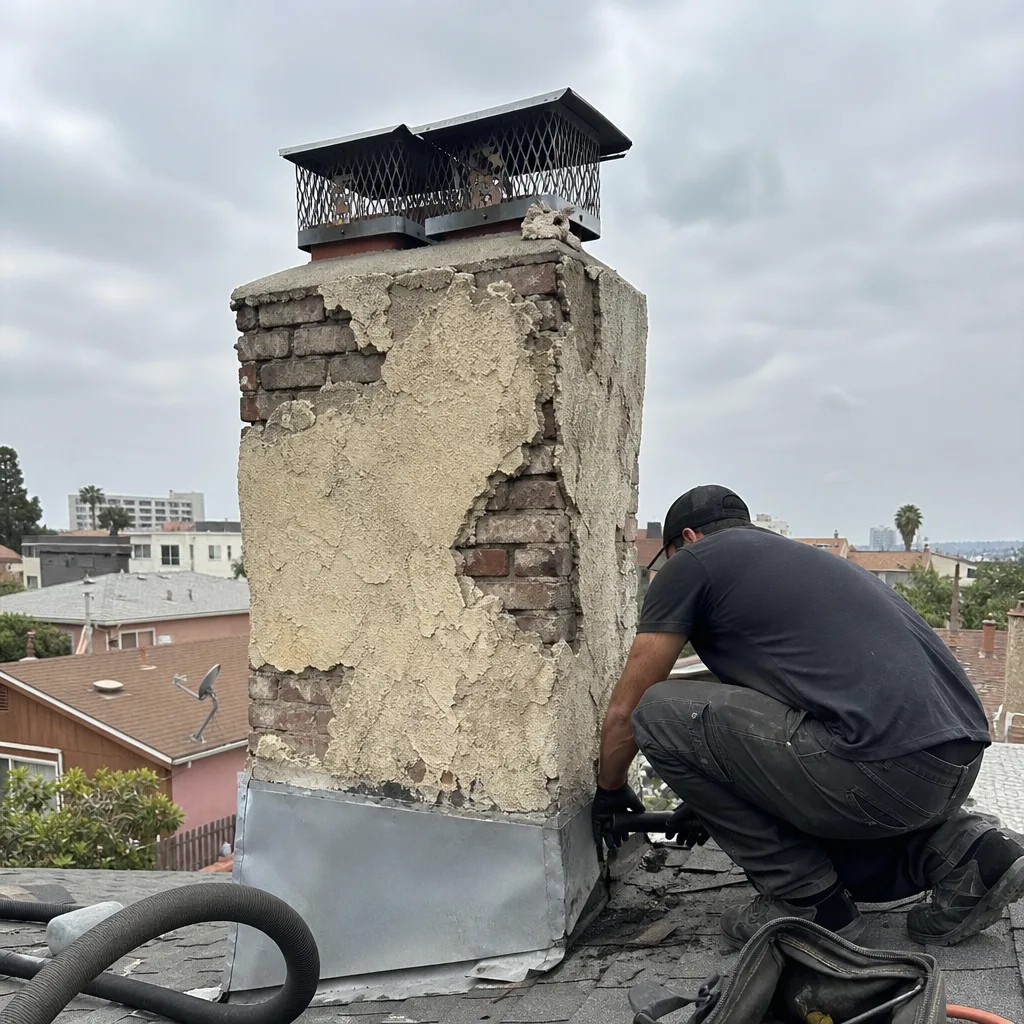 Before
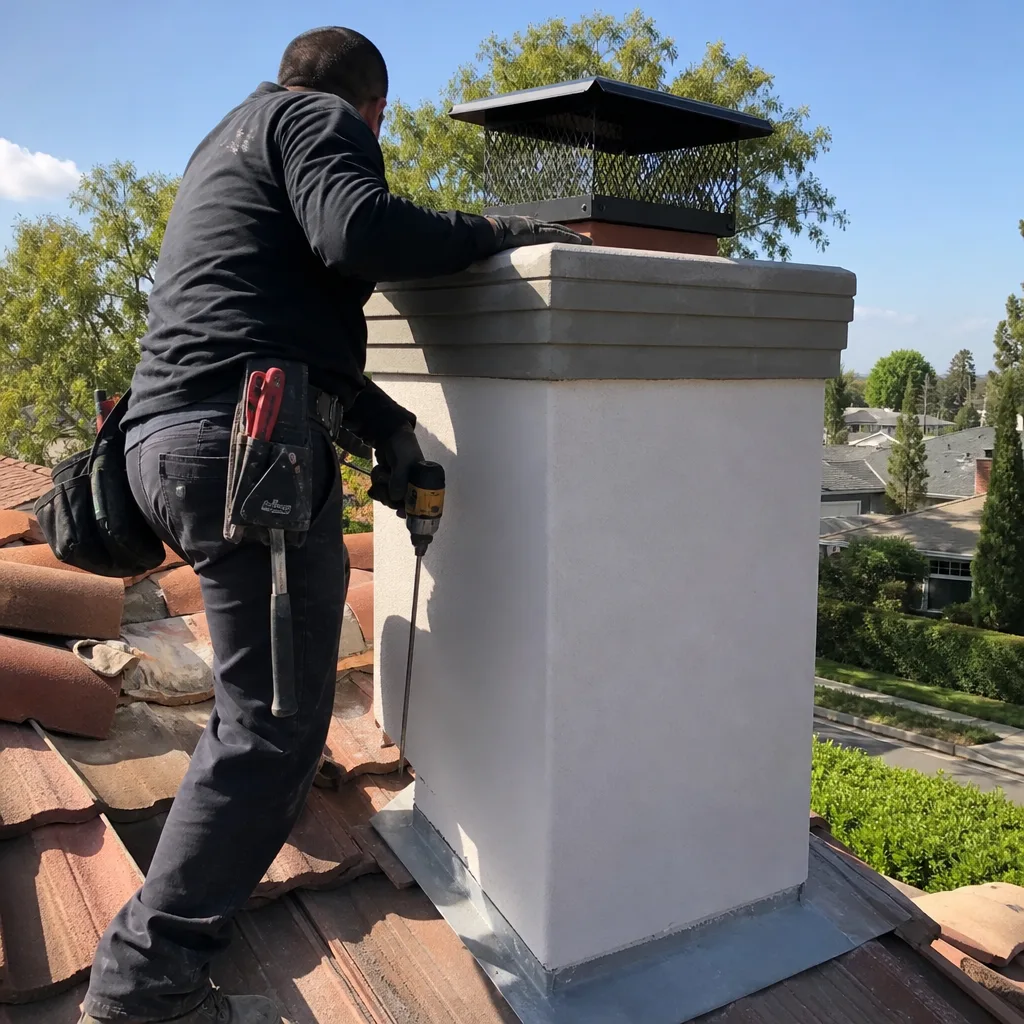 After
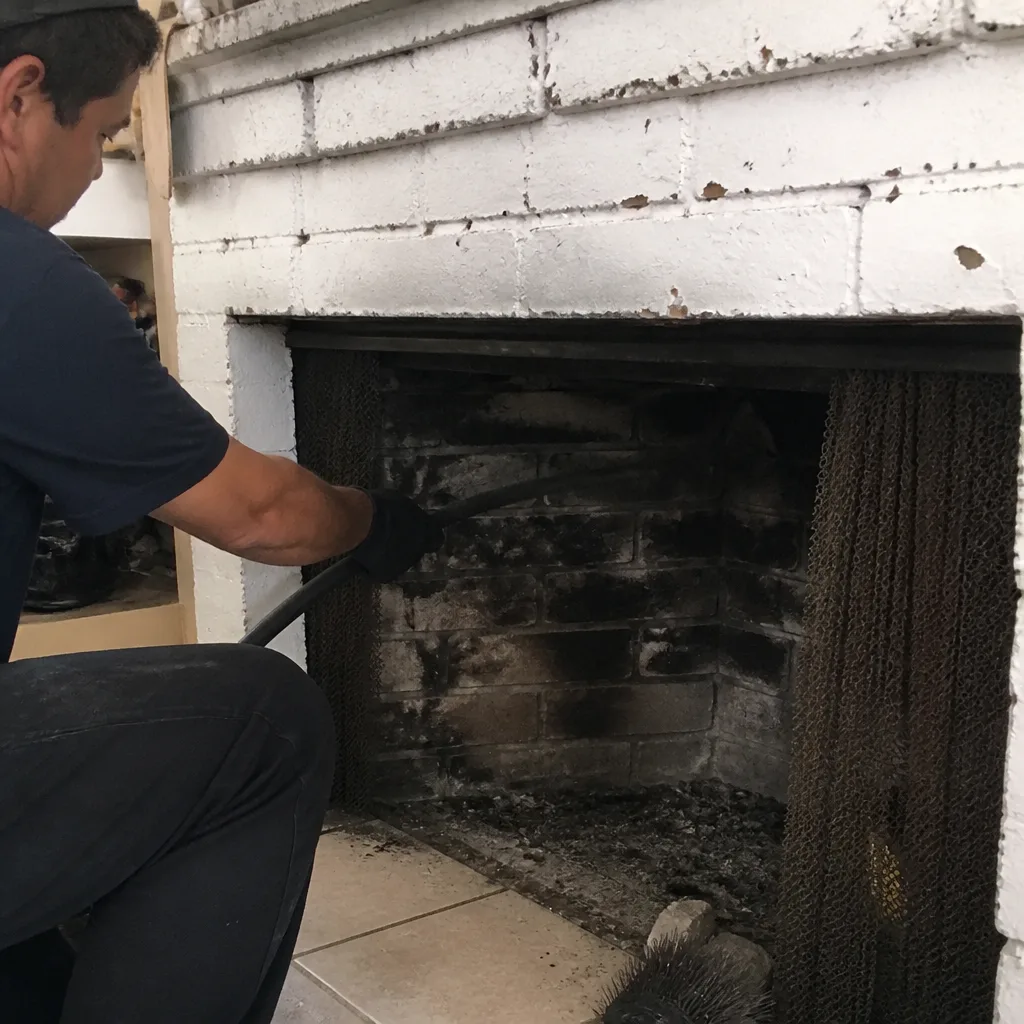 Before
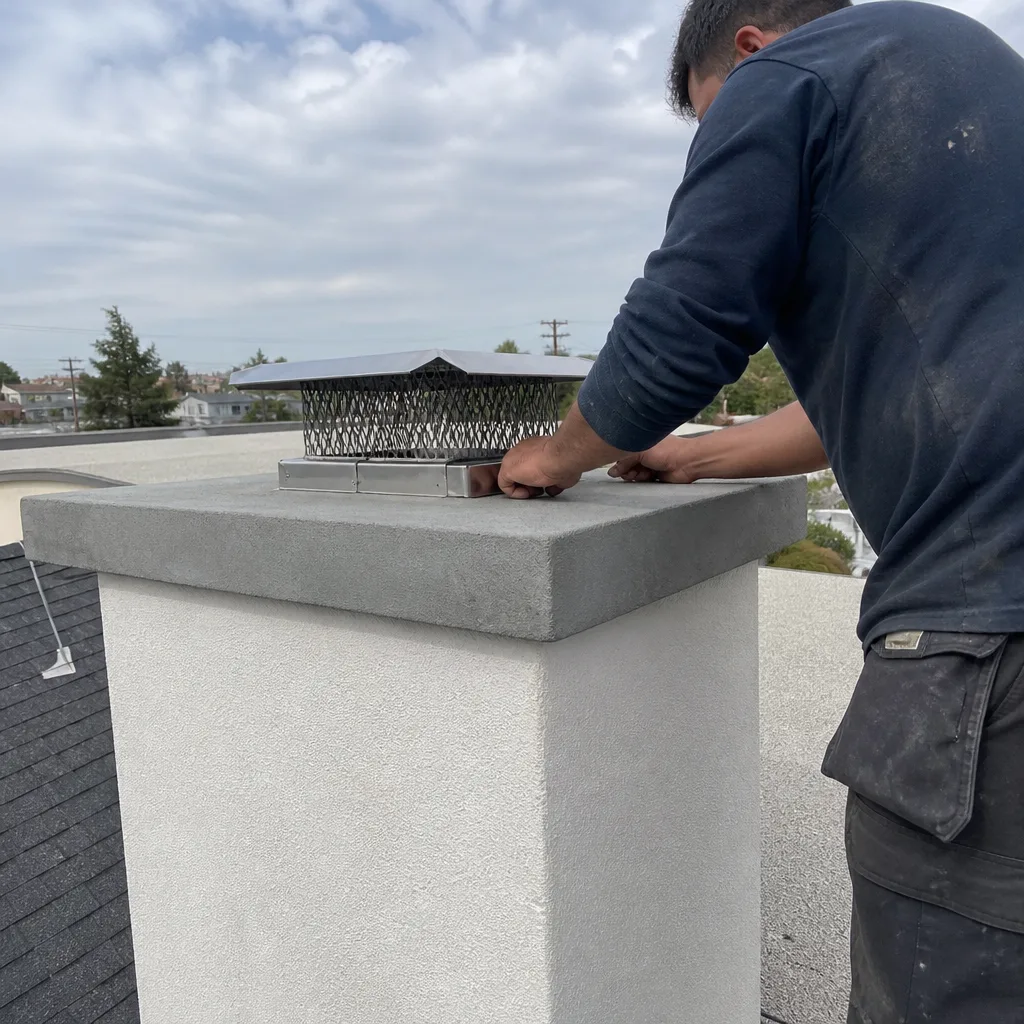 After
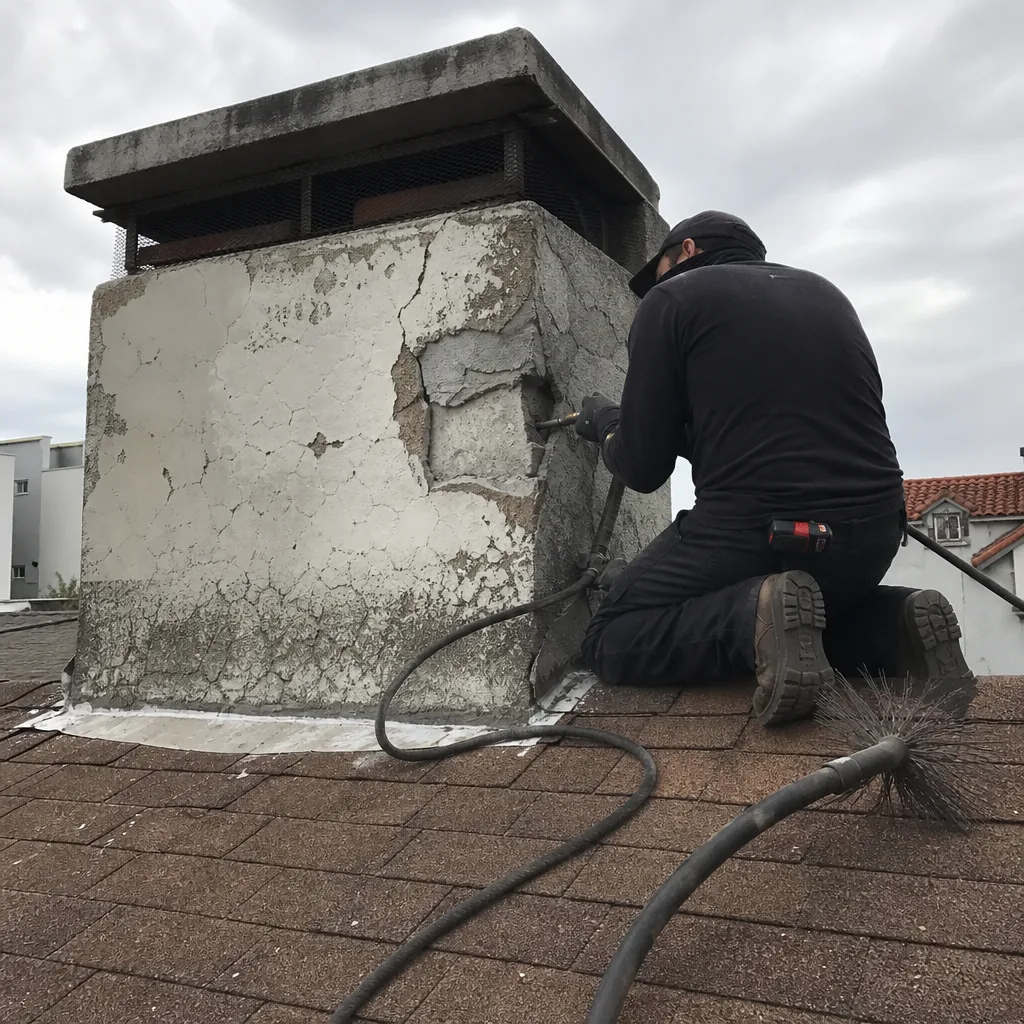 Before
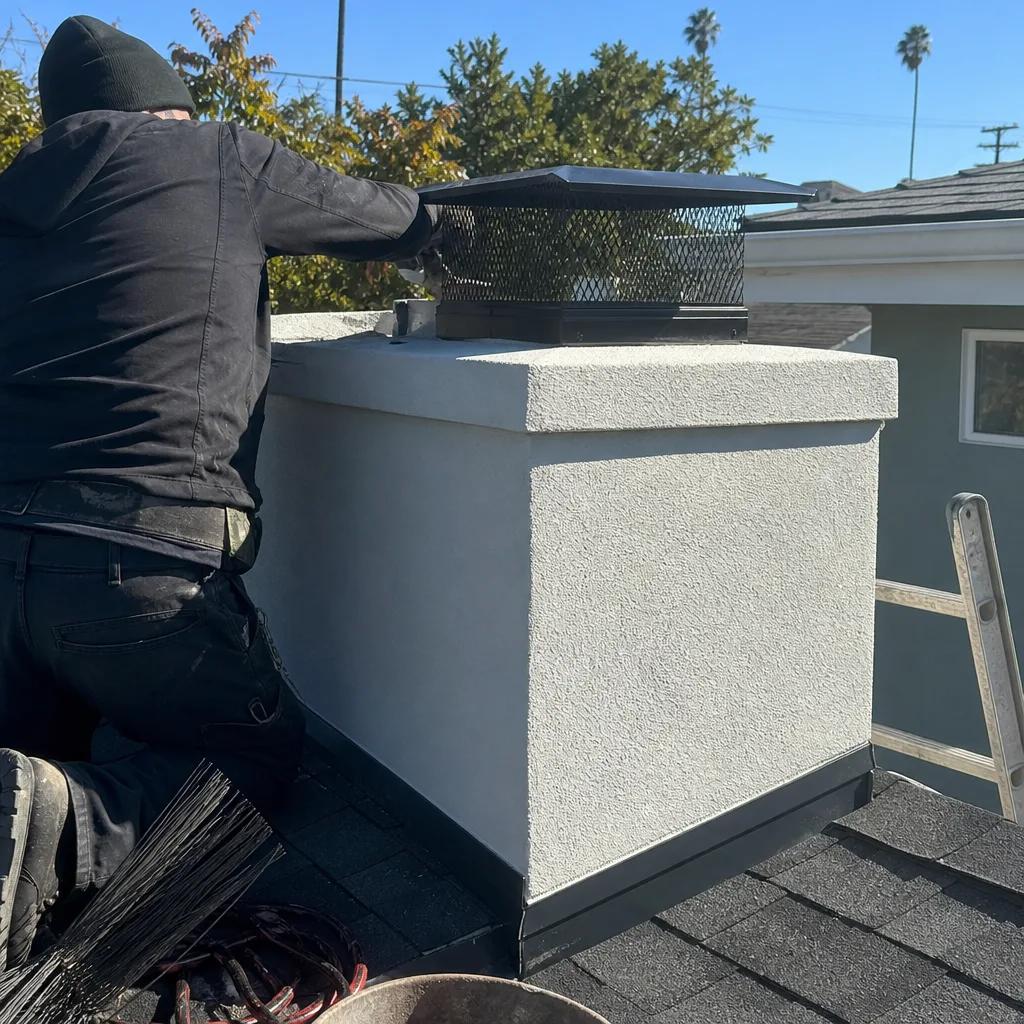 After