
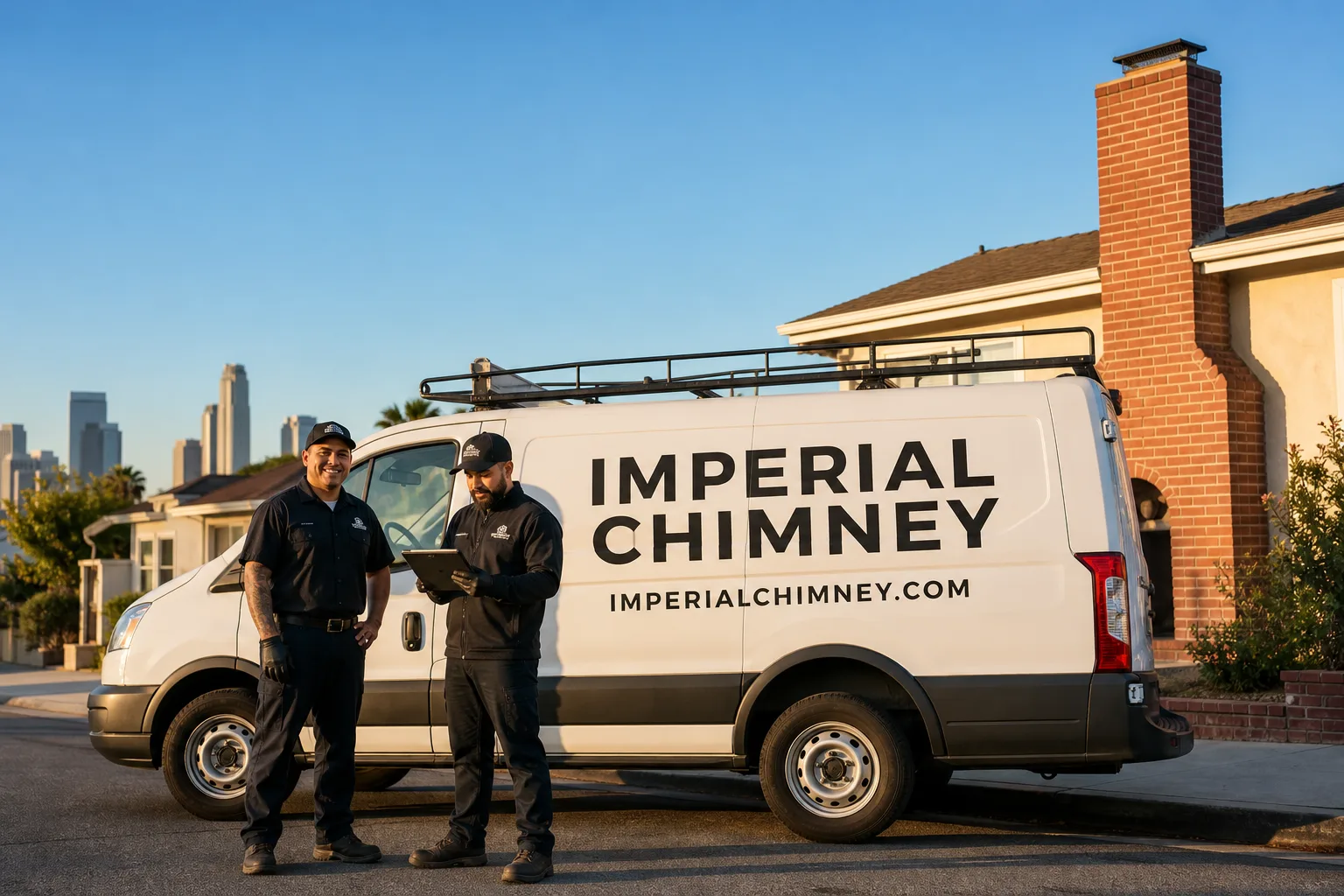
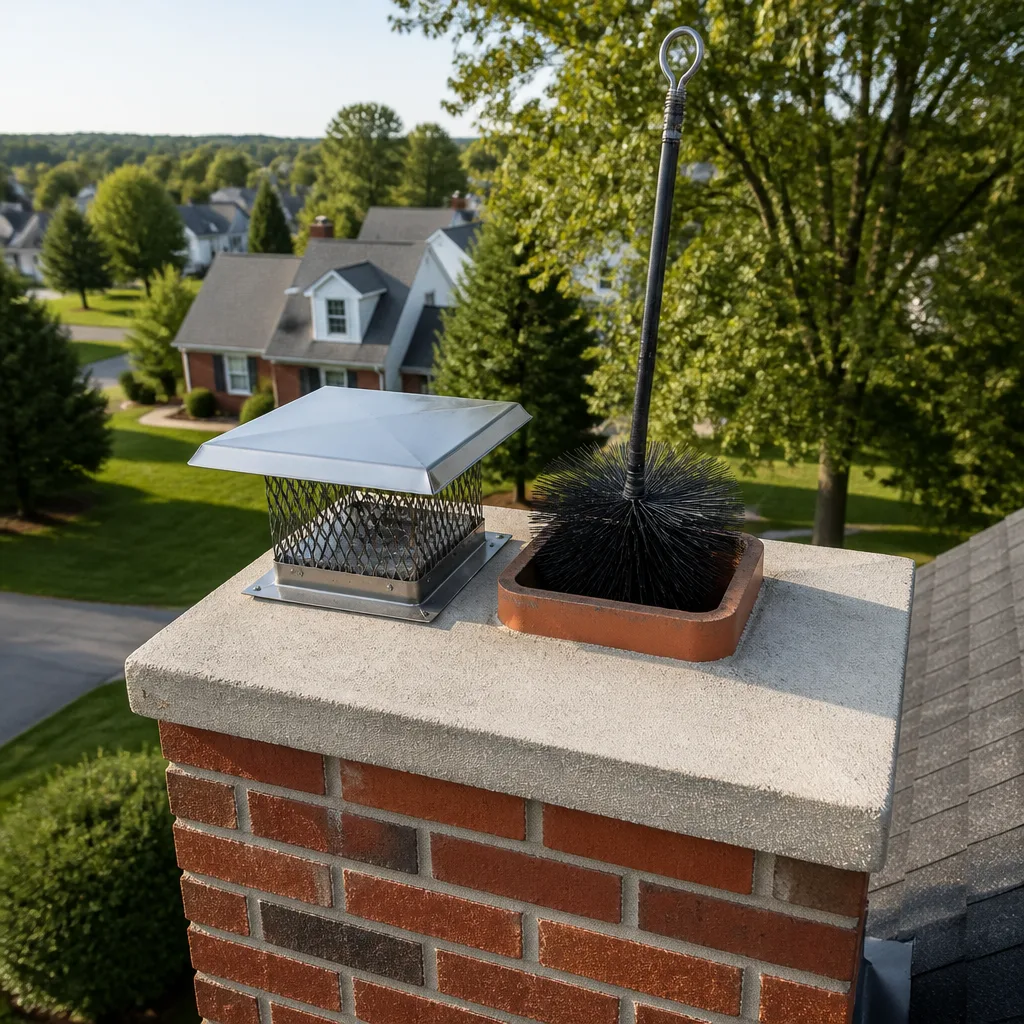
 Sweep & inspection
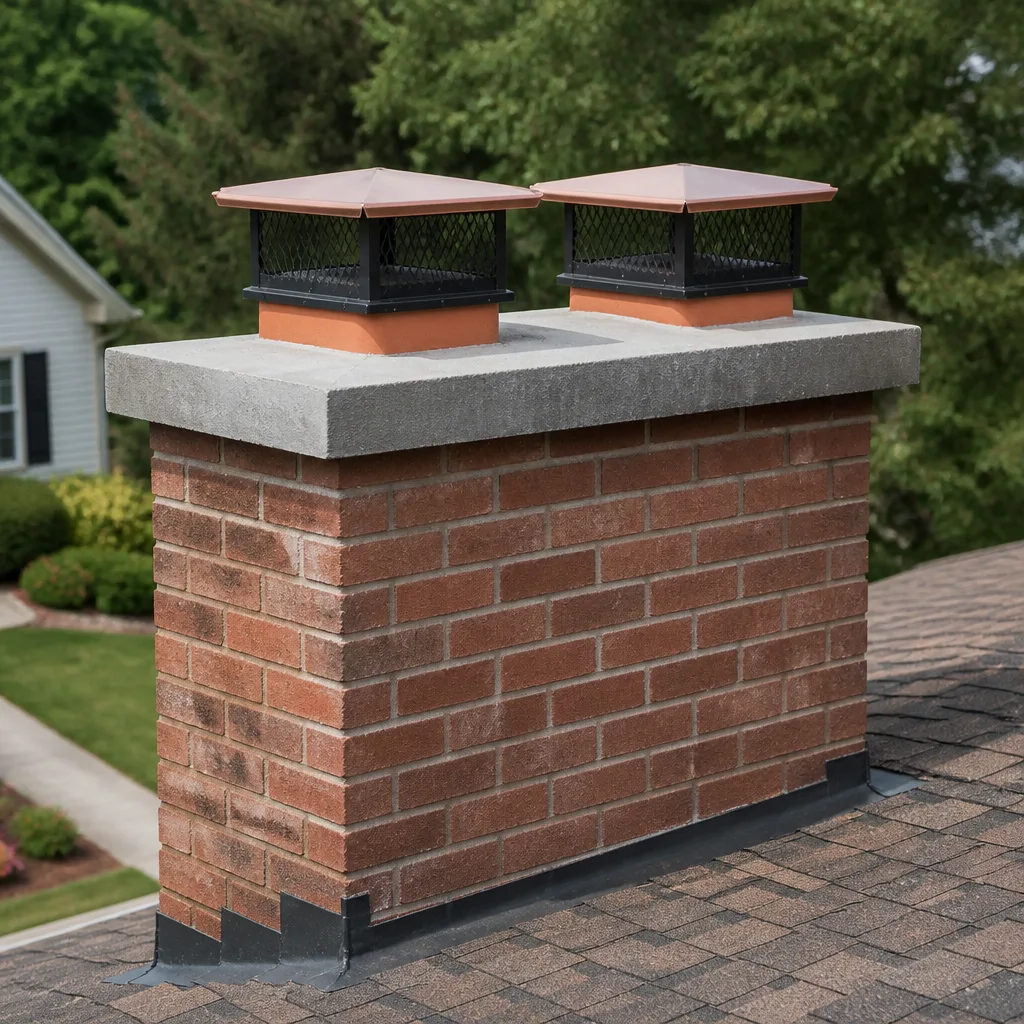 Caps & crowns
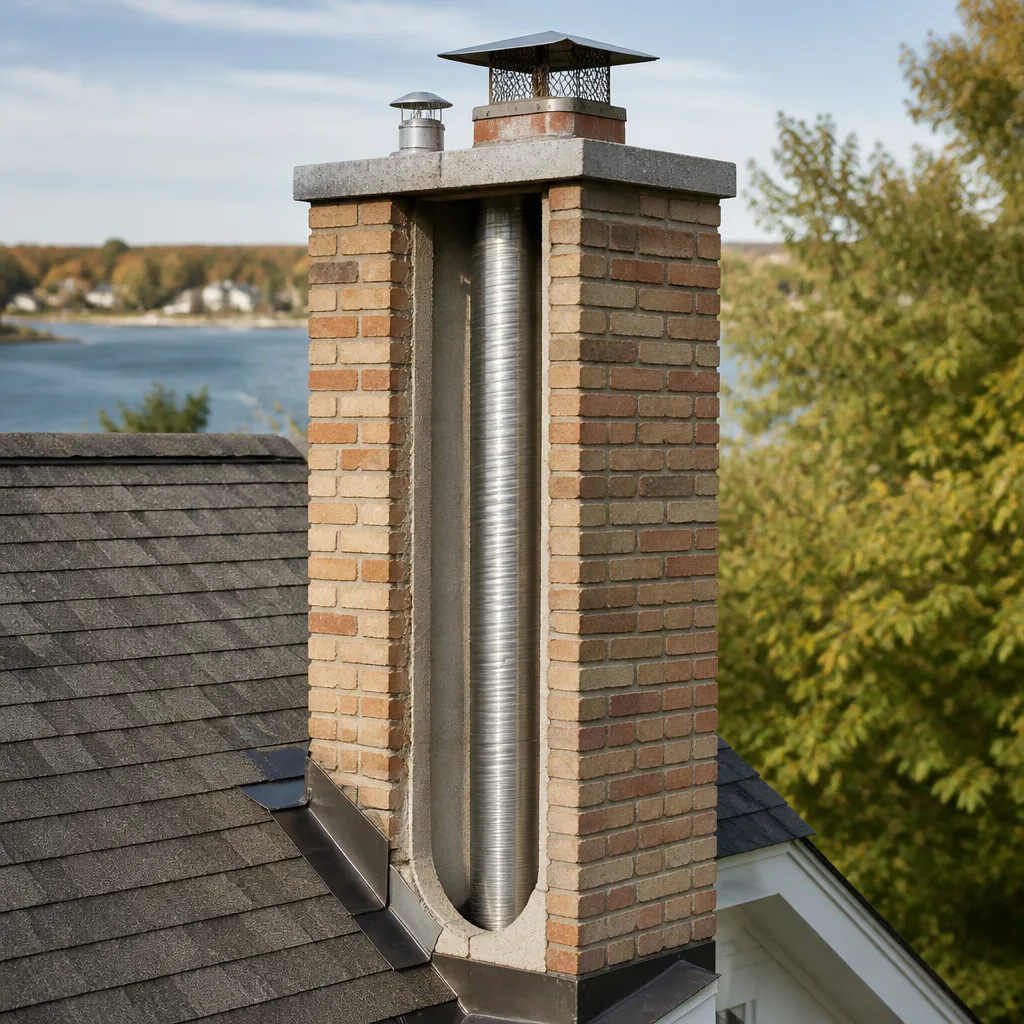 Flue relining
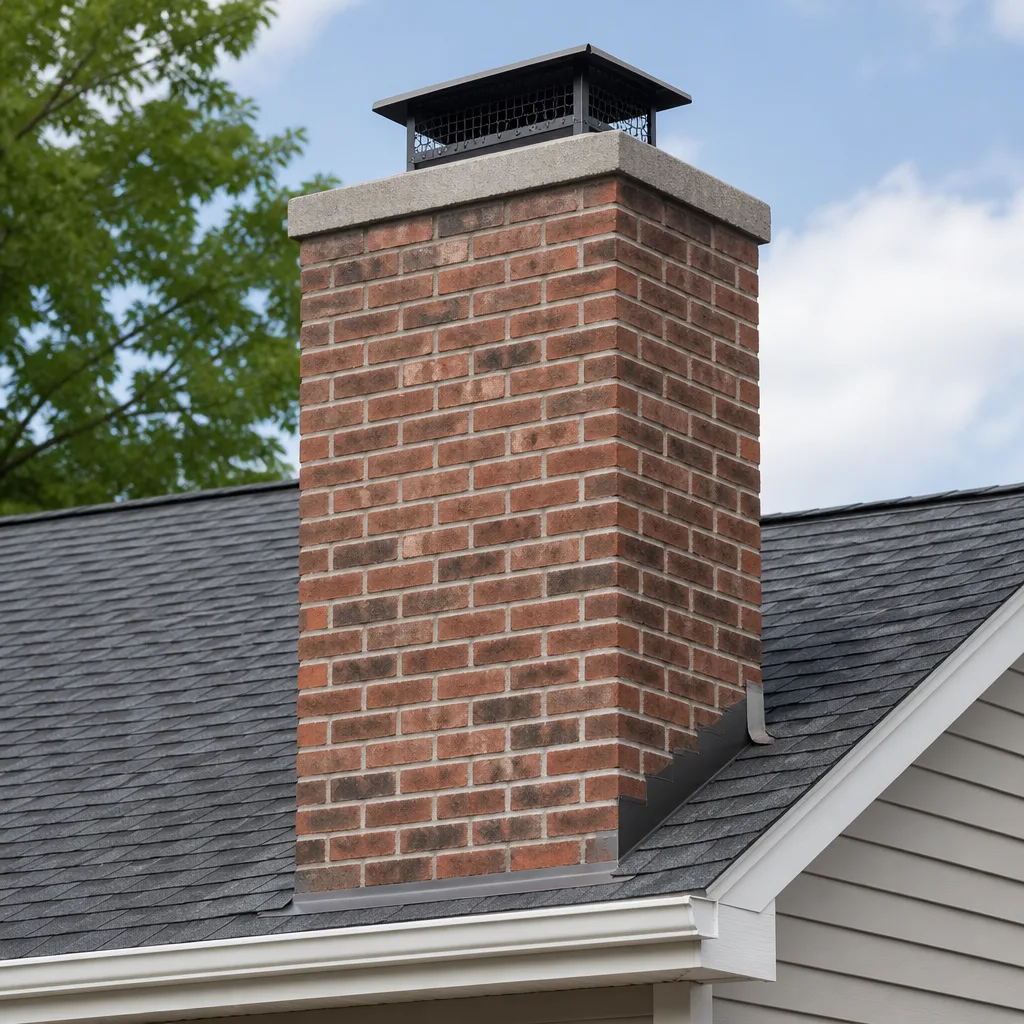 Masonry repair
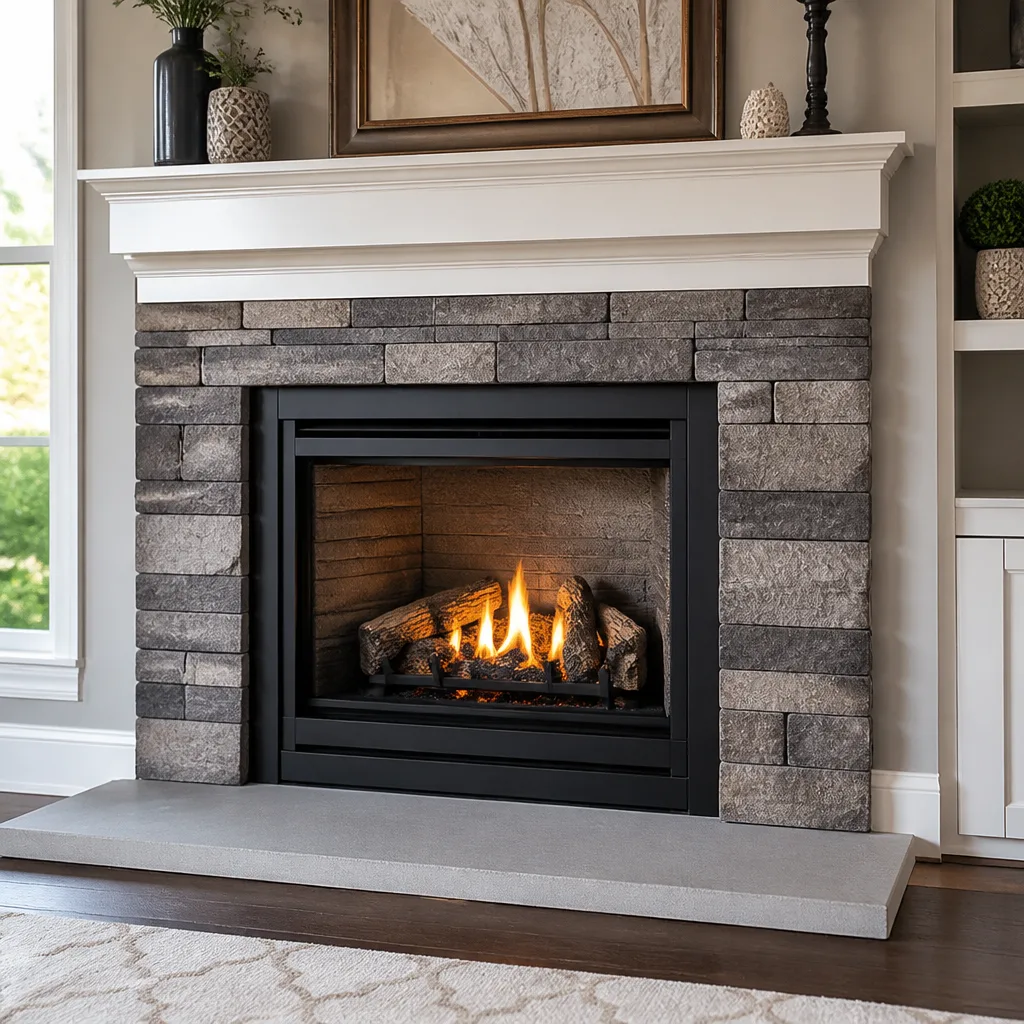 Gas fireplace service
Level 1 sweep and inspection to the NFPA 211 annual standard - flue, crown, cap, and flashing checked and photographed
Chimney sweep logs do not sweep chimneys. They loosen some creosote - which then falls where a brush and vacuum still have to collect it.
Fast, Reliable Chimney Sweep Across Glendale
If you live in Glendale and you’re wondering what a chimney sweep actually costs here, the honest answer is that a routine Level 1 sweep with creosote removal typically runs $180 to $320 in this market, and most Glendale homes can be serviced within a few days of calling. We’re not a national chain and we’re not a handyman service that happens to own a brush. We’re Imperial Chimney, and our Chimney Sweep team works the streets of Glendale every week, from the 1920s bungalows in the flats to the ridgeline homes above the 134. Call (866) 253-3809 and we’ll tell you straight what your fireplace needs, and more importantly, what it doesn’t.
Why Imperial Chimney Is Glendale’s Preferred Chimney Sweep Company
Glendale homeowners call us because we treat every fireplace as a system, not a one-time cleaning job. The housing stock here runs from 1920s Spanish Revival bungalows in 91204 and 91205 to mid-century ranches climbing the Verdugo foothills in 91202 and 91206. Each era fails differently, and a sweep who only knows how to run a brush up a flue will miss what actually matters. We don’t.
Our service area spans all four Glendale ZIP codes we work in: 91207, 91208, 91209, and the surrounding hillside neighborhoods. When a homeowner in Glenoaks Canyon calls about a crushed chimney cap after a Santa Ana wind event, we know exactly what they’re describing before we even arrive. That local familiarity means we come prepared with the right equipment and the right parts, and we don’t charge you for a second trip to figure out what the first one should have found.
Noel Carrasco leads our crew, and he’s built the company around one principle: show the homeowner what we found. We don’t ask you to trust us. We put the camera footage in front of you and walk you through it. If a problem doesn’t show up on that screen, we don’t recommend fixing it. It’s that simple, and it’s the reason Glendale homeowners keep our number.
Styles & brands we work with
Chimney Services in Glendale
Chimney services in Glendale cover more than a brush through the flue. In this city, where so many homes still have active wood-burning fireplaces and retrofit gas inserts, the job starts with understanding what exactly is venting through your stack and whether it was designed for that appliance. Our Glendale work always begins with a Level 1 or Level 2 inspection, depending on the home’s age and what’s been burned in it.
Level 1 and Level 2 Inspections
A Level 1 inspection is the standard for chimneys that haven’t changed use and have no known problems. We’re checking for creosote buildup, blockages, and visible deterioration. A Level 2 inspection is what older Glendale homes typically need, especially if the fireplace has been converted to gas, the home changed ownership, or there’s been a chimney fire or seismic event. Level 2 includes camera work through the entire flue, and in Glendale’s 1920s and 1930s bungalows, that camera is usually what finds the real story.

Creosote and Soot Removal
Creosote removal in Glendale is actual maintenance, not cosmetic work. The foothill neighborhoods of 91202 and 91206 burn wood through December and January, and that generates first-, second-, and sometimes third-degree creosote deposits. Soot removal alone won’t address glazed creosote. We remove what’s there, document the degree of buildup, and tell you whether what we’re seeing is routine or a warning sign. A fireplace that sees regular winter use in Glendale should be swept when creosote reaches about 1/8 inch, and that threshold matters more than the calendar.

What happens when you call
- 1
A real person answersNo phone trees — you reach a local pro.
- 2
You get an upfront price rangeHonest numbers before anyone is dispatched.
- 3
A background-checked tech heads outLicensed & insured, dispatched right away.
- 4
You approve before work beginsNothing starts until you say go.
Chimney Sweep Certified in Glendale
Chimney sweep certified work in Glendale means something specific to us: we perform every sweep as an inspection, not a transaction. That’s because the older masonry chimneys here, particularly the unlined and clay-tile flues in 91203 through 91205, hide problems that a visual-only sweep will never catch. When we sweep your chimney in Glendale, we’re not just clearing soot. We’re documenting the condition of the flue, the damper, the smoke chamber, and the crown, and we’re giving you that documentation in a way you can actually use.
Annual Sweeps for Active Fireplaces
If you burn wood in Glendale, plan on an annual sweep before the season starts, which here really means October or early November. The hot, dry summer months bake creosote deposits and the first cold nights in the Verdugo foothills light the first fires. A dry, caked flue is a chimney fire risk. We book Glendale annual sweeps heavily in September and October for exactly this reason.
Fireplace Cleaning After No-Burn Years
Glendale enforces its own municipal code around wood burning, and some years your fireplace may sit unused from March to December. That doesn’t mean it’s clean. In fact, a flue that’s been dormant through dry, windy months often collects more debris than one that’s burned regularly. We’ve found bird nests, dead rodents, and layers of wind-driven ash in Glendale chimneys that hadn’t been lit in nine or ten months. A sweep before the first fire of the season is cheap insurance against a house fire.
Trusted Brands We Service in Glendale
We stock and install the same professional-grade products restoration contractors use, and that matters in a city with as many aging chimneys as Glendale. When a hillside home above the 134 needs a new chimney cap after a eucalyptus limb lands on it, we’re not ordering something from a big-box shelf. We’re installing Gelco caps that actually fit the flue dimensions. When a clay-tile flue in a 1928 bungalow shows spalling mortar joints, we discuss HeatShield resurfacing as an alternative to a full reline. We also work with Olympia Chimney and Copperfield components for venting and crown repair. For Glendale homeowners, that means parts arrive faster and fit better, because we’re sourcing from trade suppliers, not guessing from a catalog.
See the difference
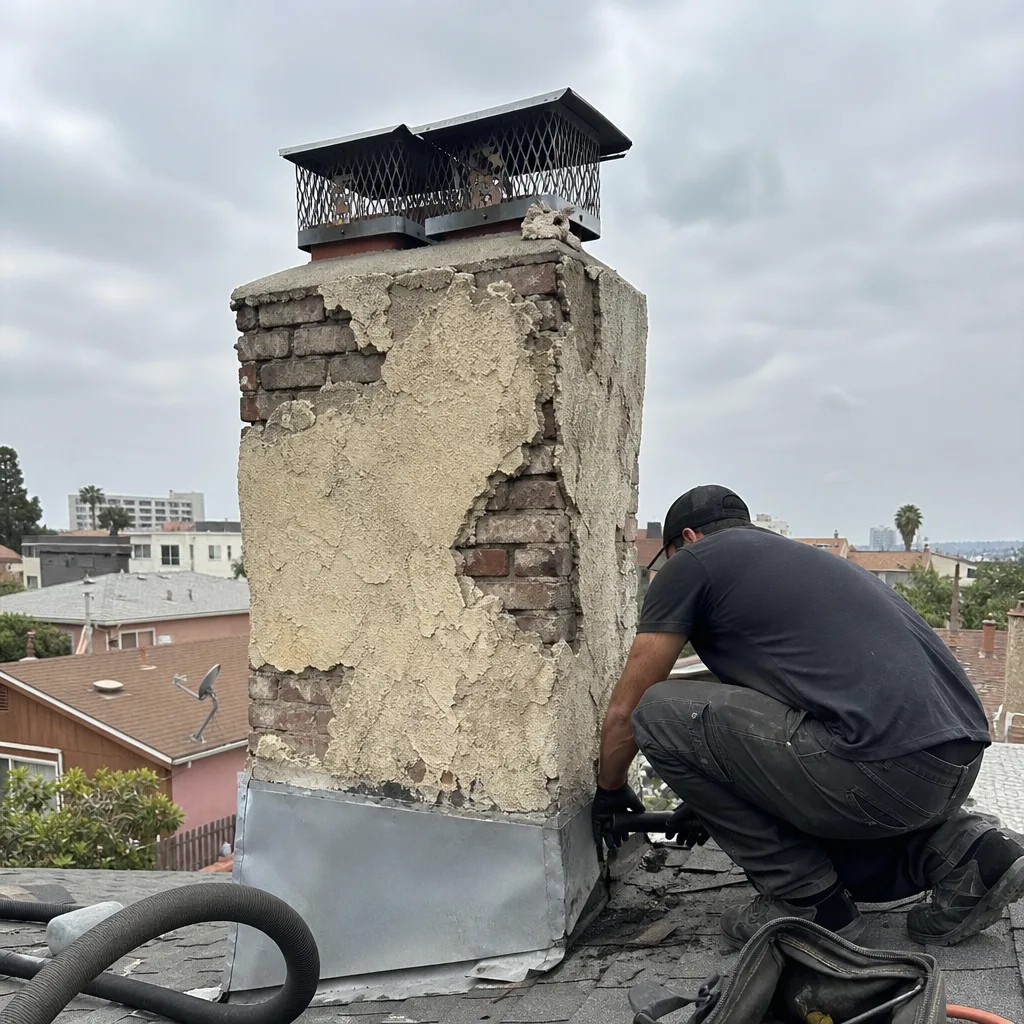 Before
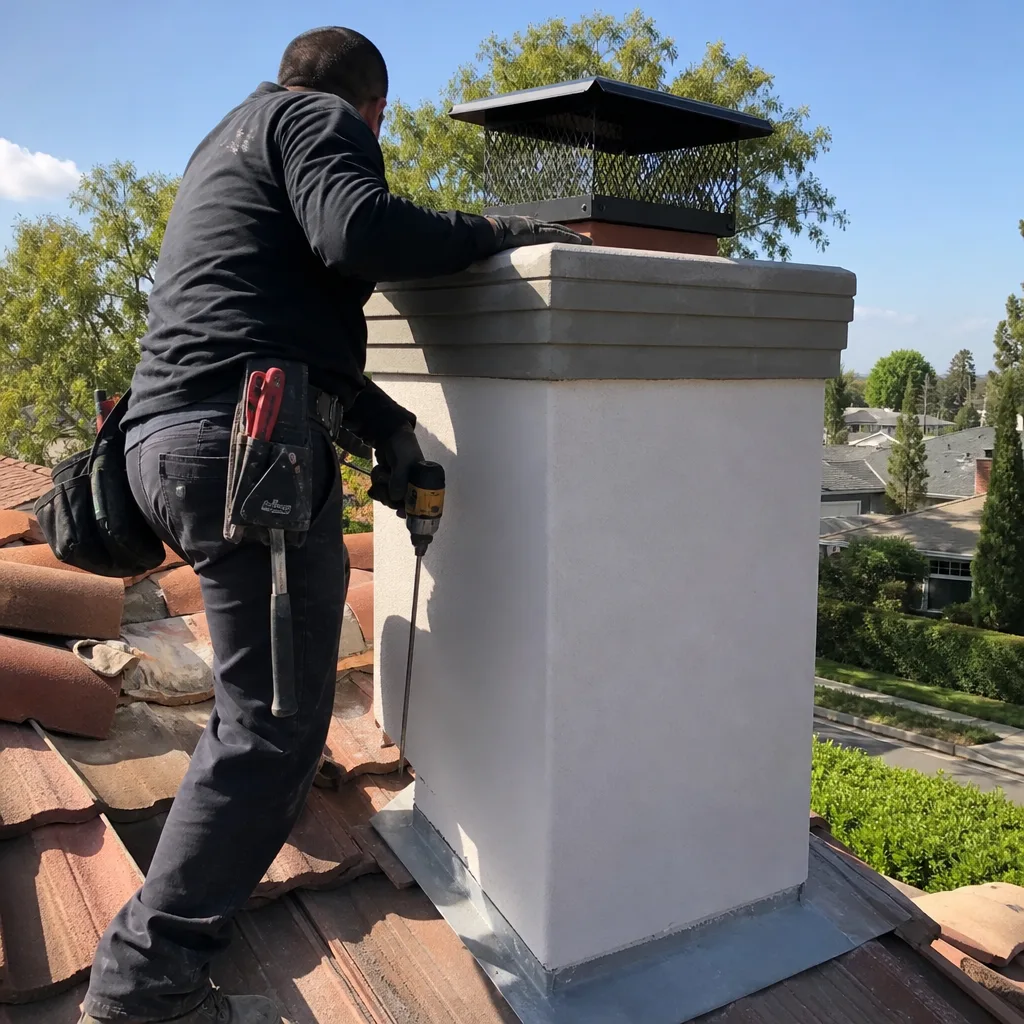 After
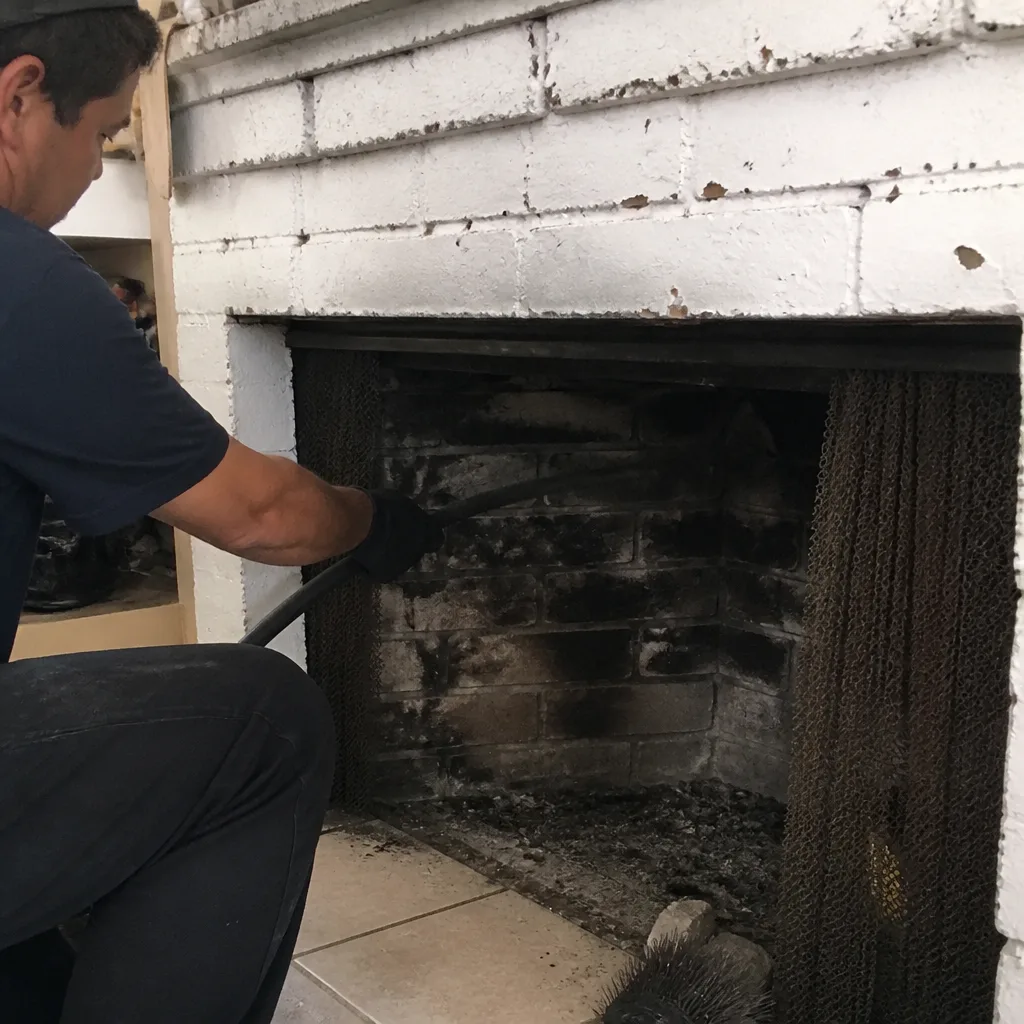 Before
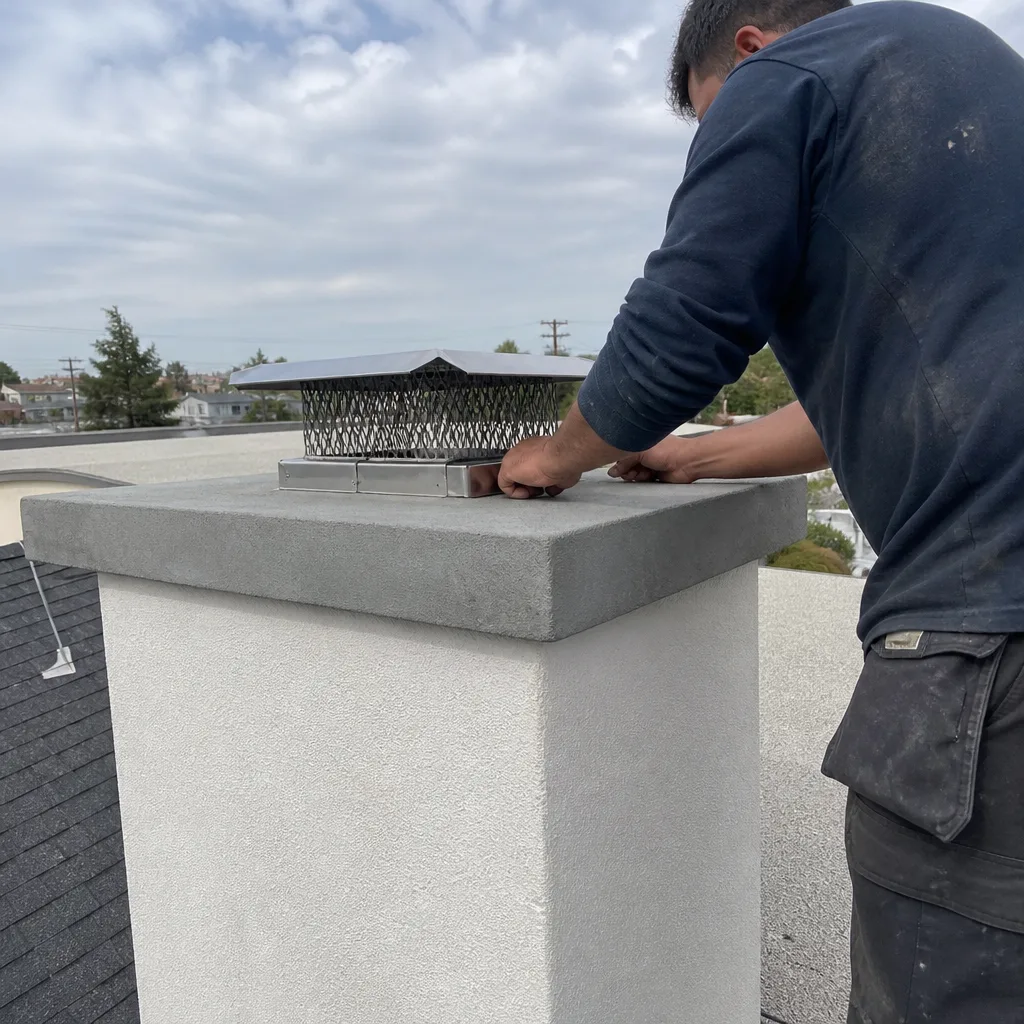 After
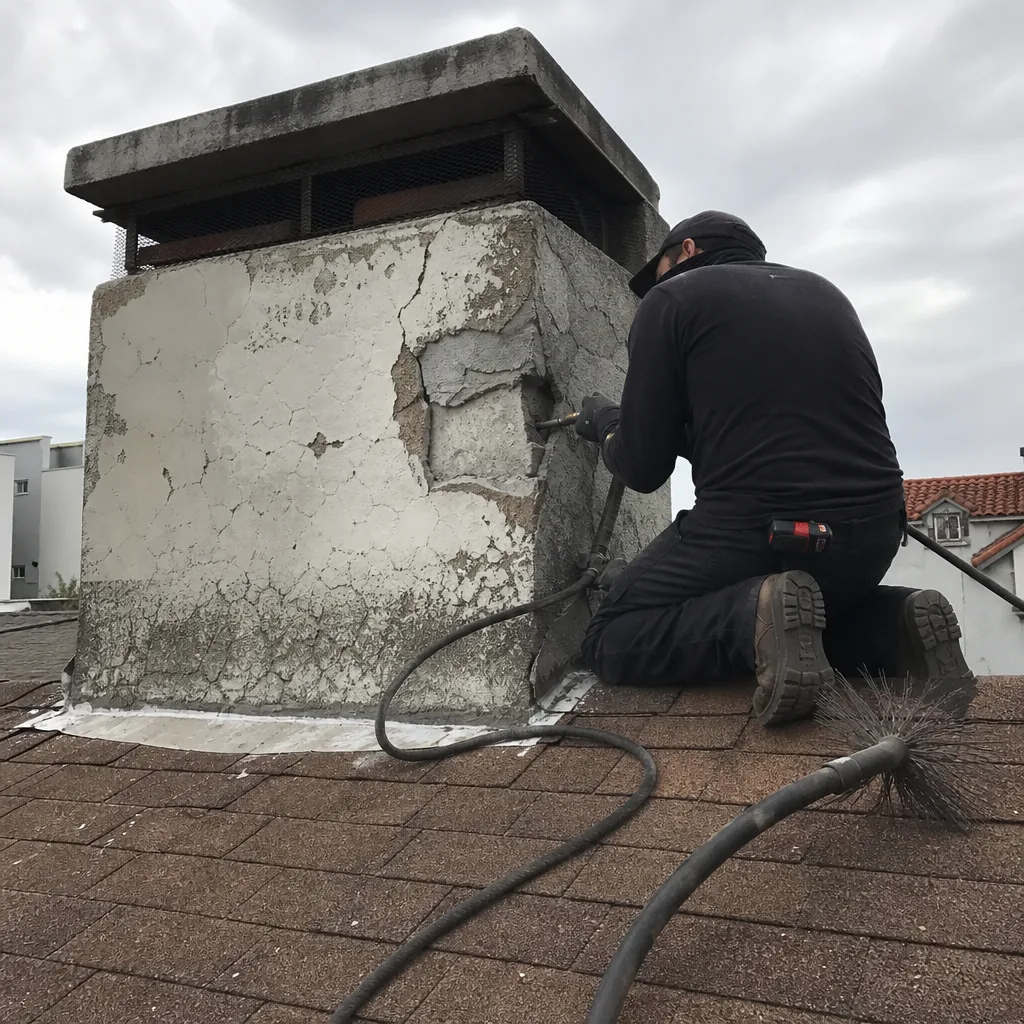 Before
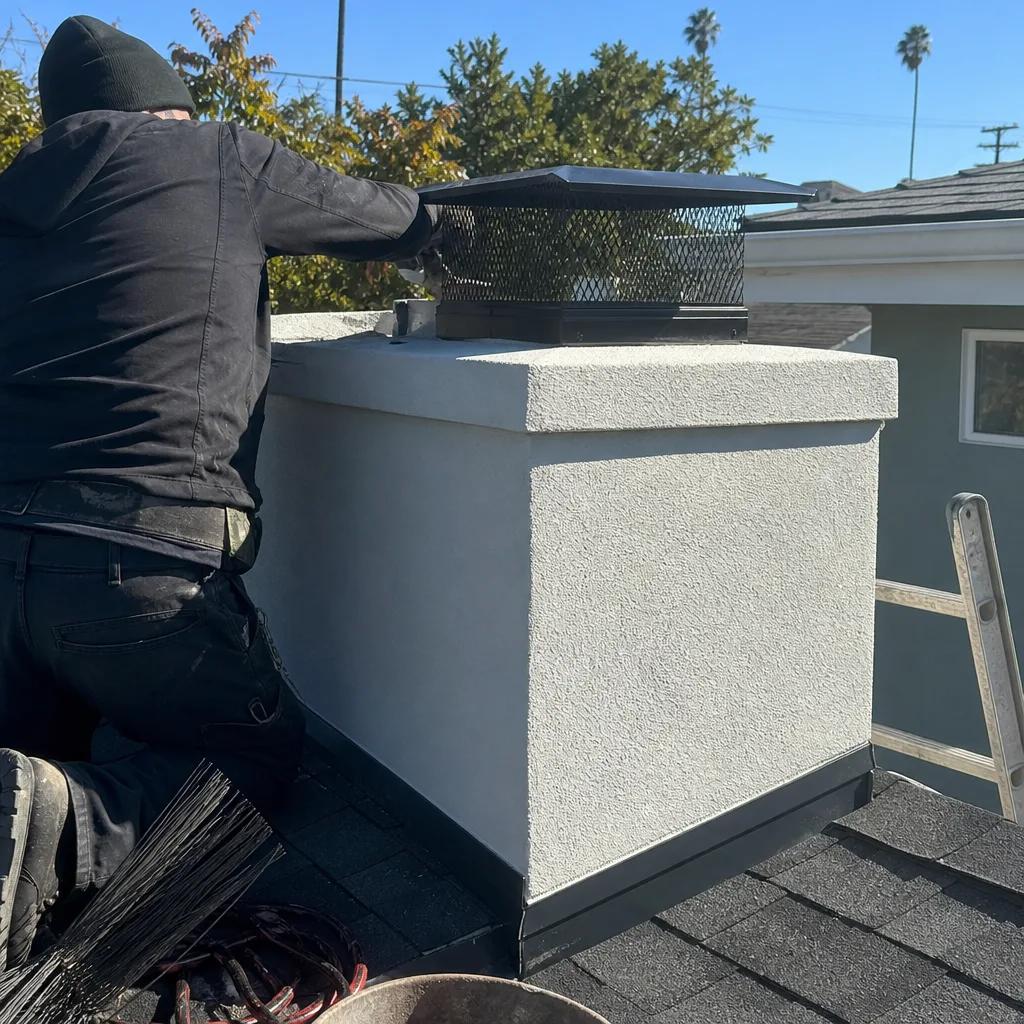 After
Common Chimney Sweep Problems We See in Glendale Homes
- Offset clay-tile flues in 1920s and 1930s bungalows. The original fireplaces in the flats of 91203 through 91205 were built with clay-tile liners that shift over decades. Offset tiles with spalling mortar are what we find on camera in these homes, and a brush alone will not fix that.
- Gas logs venting into chimneys never designed for them. This is one of the most common Glendale-specific calls we get. A 1920s fireplace built for open wood burning now has a gas log set dropped in, venting combustion byproducts into a flue sized and rated for something entirely different. Camera diagnosis tells us whether that’s a venting hazard or a tolerable condition.
- Crushed or dislodged caps on hillside homes. Above the 134 and up through Glenoaks Canyon, falling eucalyptus and pine debris takes out chimney caps every season. A missing cap lets rain, animals, and wind-driven debris into the flue, and we often find cap damage on a routine Level 1 inspection that the homeowner never noticed.
- Pre-fab and metal fireboxes misdiagnosed as masonry failures. Glendale’s 1950s through 1970s homes include a share of factory-built fireplaces that fail differently than masonry. Warped walls or failed refractory panels need a specific repair approach, not a masonry patch. We see these misdiagnosed regularly by generalist contractors.
Pricing for Chimney Sweep in Glendale, CA
A standard chimney sweep in Glendale, including creosote and soot removal, typically runs $180 to $320. A Level 1 inspection is usually included in that price. A Level 2 inspection with full camera work runs $250 to $450 when booked as a standalone service, and in older Glendale homes with history or recent appliance changes, we’ll recommend it before we recommend anything else. Every quote we give is a flat price agreed before we start, and the estimate is free. What changes the price in Glendale specifically? Roof pitch matters, and many foothill homes in 91202 and 91206 have steep roofs that require fall-protection setup. The degree of creosote matters too. Third-degree glazed creosote takes longer to remove and costs more than a light first-degree sweep. No one should quote you a firm number without seeing the chimney. We’ll come out, take a look, and tell you exactly what it costs. Call (866) 253-3809 for a free estimate.
We Also Serve Cities Near Glendale
Imperial Chimney runs crews through the entire northeast Los Angeles corridor. If you’re in Burbank, La Cañada Flintridge, Echo Park, or Silver Lake, we handle chimney sweeping and inspection work there as well. Same crew, same camera-first documentation, same flat-price quote before we start. When you call (866) 253-3809, tell us which neighborhood you’re calling from and we’ll route the nearest available team.
Serving Glendale, CA — Our Local Coverage Area
We’re based in the Glendale area and know this community well. Use the map below to see our service coverage — if you’re nearby, we can almost certainly help.
FAQs About Chimney Sweep in Glendale
Yes, in most cases it does, but the reason is different from a wood-burning fireplace. Gas logs don’t produce creosote, but they do produce acidic condensation that degrades old mortar and clay tile, and the original flue in a 1920s Glendale bungalow was never sized or lined for gas appliance venting anyway. You need a Level 2 camera inspection to see what’s actually happening in that flue before anyone tells you it’s fine or tells you it needs a reline. Call (866) 253-3809 and we’ll put the camera up and show you.
You demand to see the camera evidence. A full reline in Glendale can run several thousand dollars, and no honest company should sell it without footage showing exactly where the flue has failed. Too many Glendale homeowners in the older flats have been told they need a complete reline based on nothing more than a visual glance. Our standard is this: if we recommend a reline or resurfacing, we show you the video. If the damage isn’t visible on camera, we don’t recommend the work. In the flats off Chevy Chase, our tech pulled a Level 2 camera up a 1928 bungalow’s clay-tile flue and found offset tiles with spalling mortar at the smoke chamber plus a rusted damper the homeowner had been told by another company needed a full reline sight unseen. We showed the homeowner the camera footage on-screen, swept first- and second-degree creosote down to bare tile, and recommended only a HeatShield resurfacing of the two offset joints. No unnecessary reline. That’s the standard.
It depends on what your chimney is made of and how old it is, but in Glendale’s older homes, the answer is usually yes. A 1920s clay-tile flue degrades whether you burn wood or not. Water intrusion, seismic shifts, and the dry heat of Glendale’s summers all take a toll. If you burn only occasionally, an annual Level 1 inspection is cheap, it’s usually bundled with a sweep, and it catches cap damage and animal intrusion before they become fire hazards. For active burners in the foothills, an annual sweep is the minimum. Call (866) 253-3809 and we’ll figure out the right interval for your specific chimney.
If you wait, you’re gambling with three things: animal entry, water damage, and debris blockage. A missing cap on a Glendale hillside home means rain gets into the flue, and that water accelerates mortar spalling in older clay-tile flues. Birds and rodents move in fast and build nests in the smoke chamber. And as more eucalyptus and pine debris falls, it tumbles into the open flue and creates a blockage. We see this pattern every season above the 134 and in Glenoaks Canyon. A replacement Gelco cap installed promptly is a small repair. What follows a year of exposure is usually not. Call (866) 253-3809 for a quote.
First-degree creosote is a light, dusty soot that brushes off easily and is what most active Glendale burners accumulate in a single season. Third-degree creosote is a hard, glazed, tar-like coating that forms when flue temperatures cycle hot and cool, and it’s a serious chimney fire fuel. Glendale’s climate plays a role here. Hot dry summers bake creosote deposits, and when you light the first fire in late November, the flue heats up fast against a cold exterior, which is exactly the thermal cycling that forms third-degree glazing. Removing third-degree creosote requires rotary tooling and takes longer, and we’ll tell you what you’re dealing with before we quote the work.
Written by Noel Carrasco, Owner at Imperial Chimney, serving Glendale and the surrounding foothill communities.