
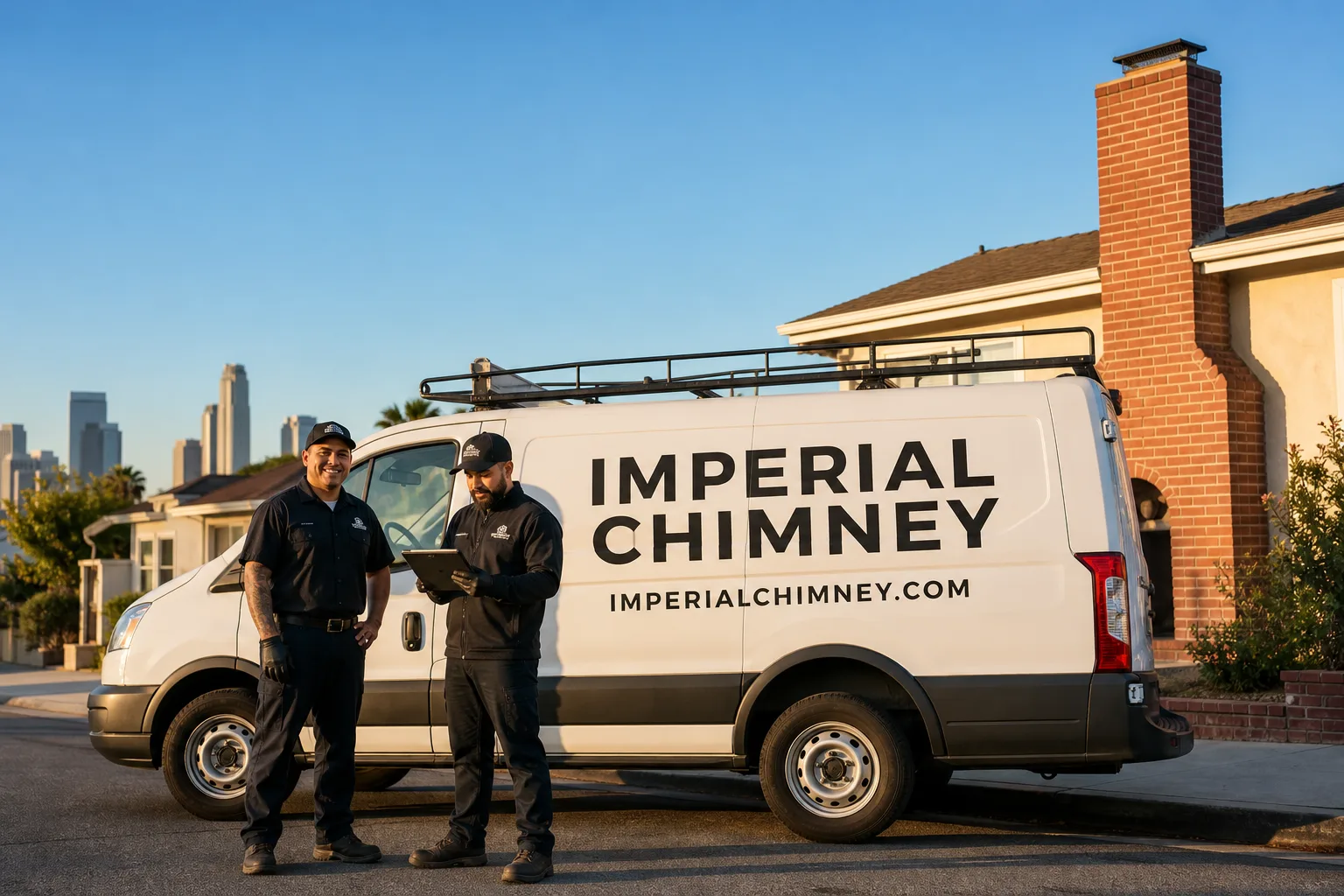
 Sweep & inspection
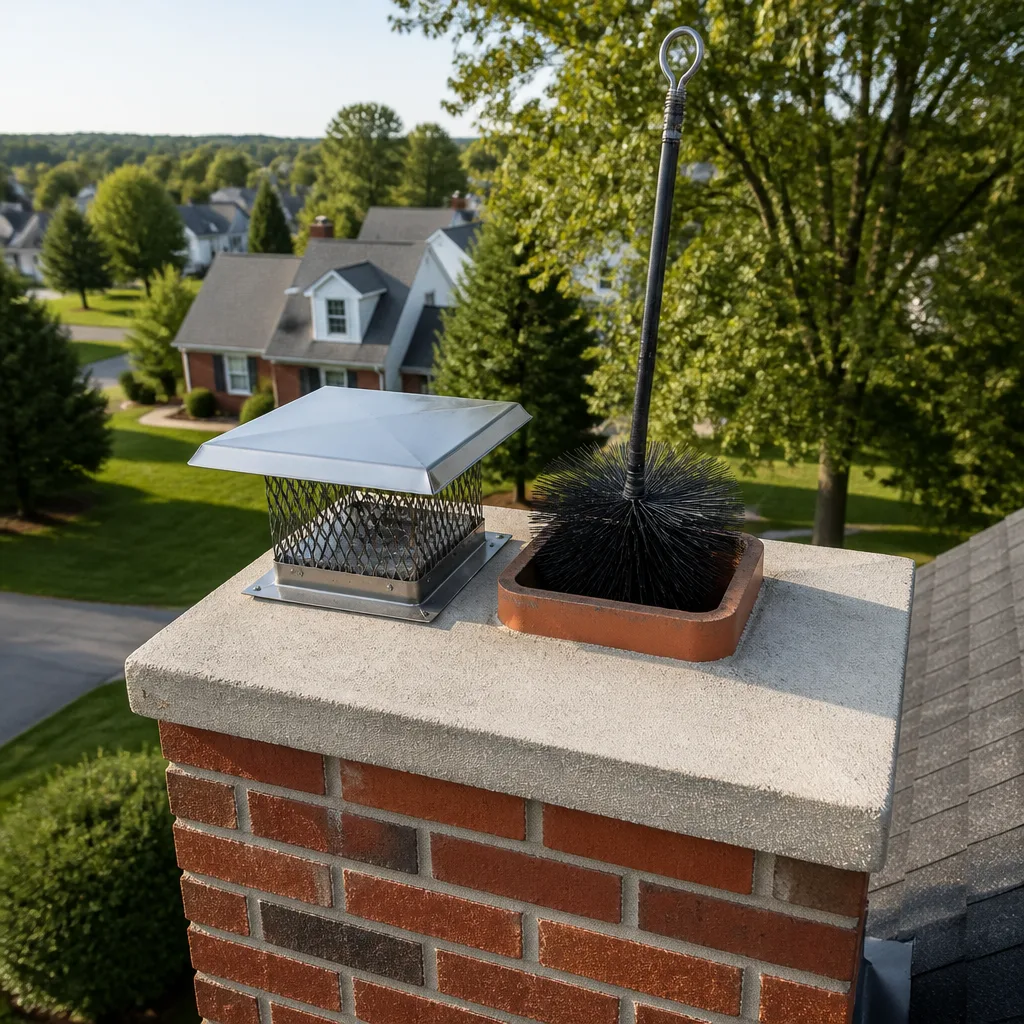
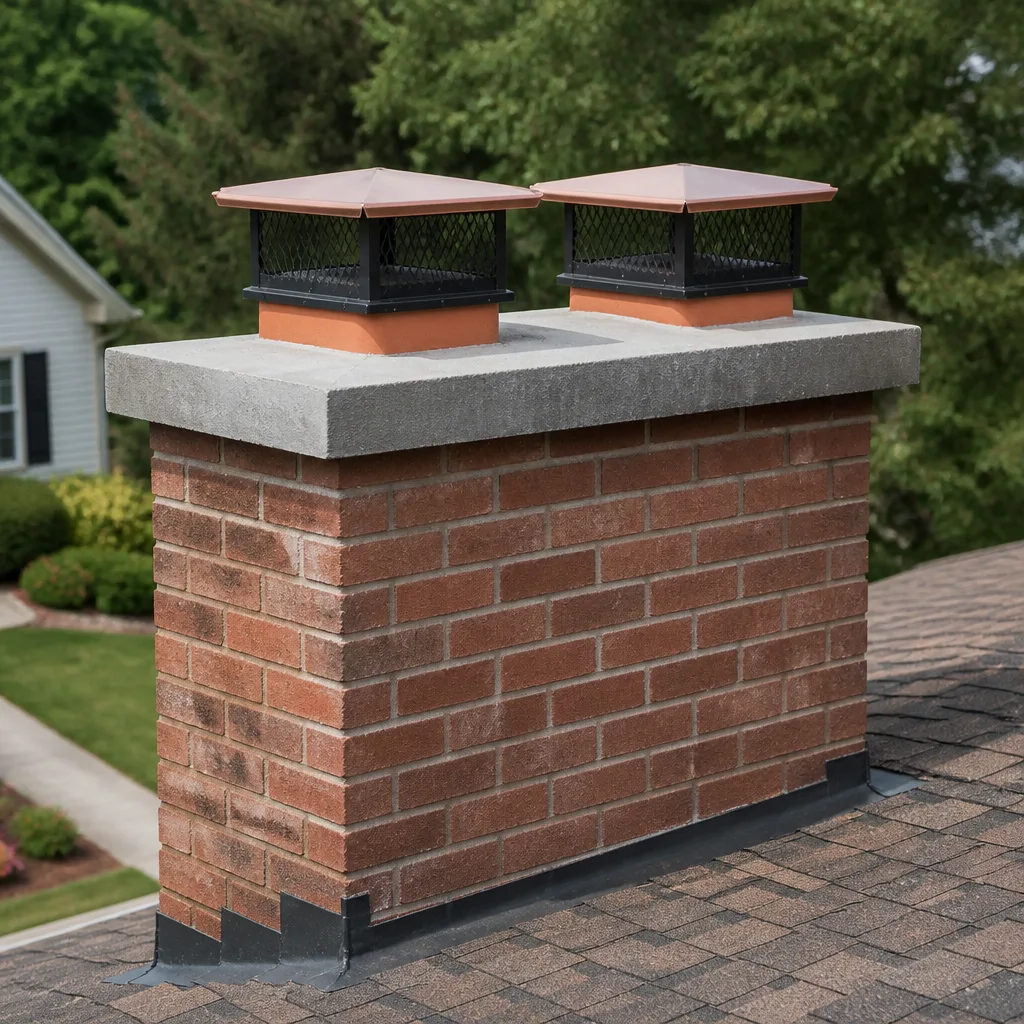 Caps & crowns
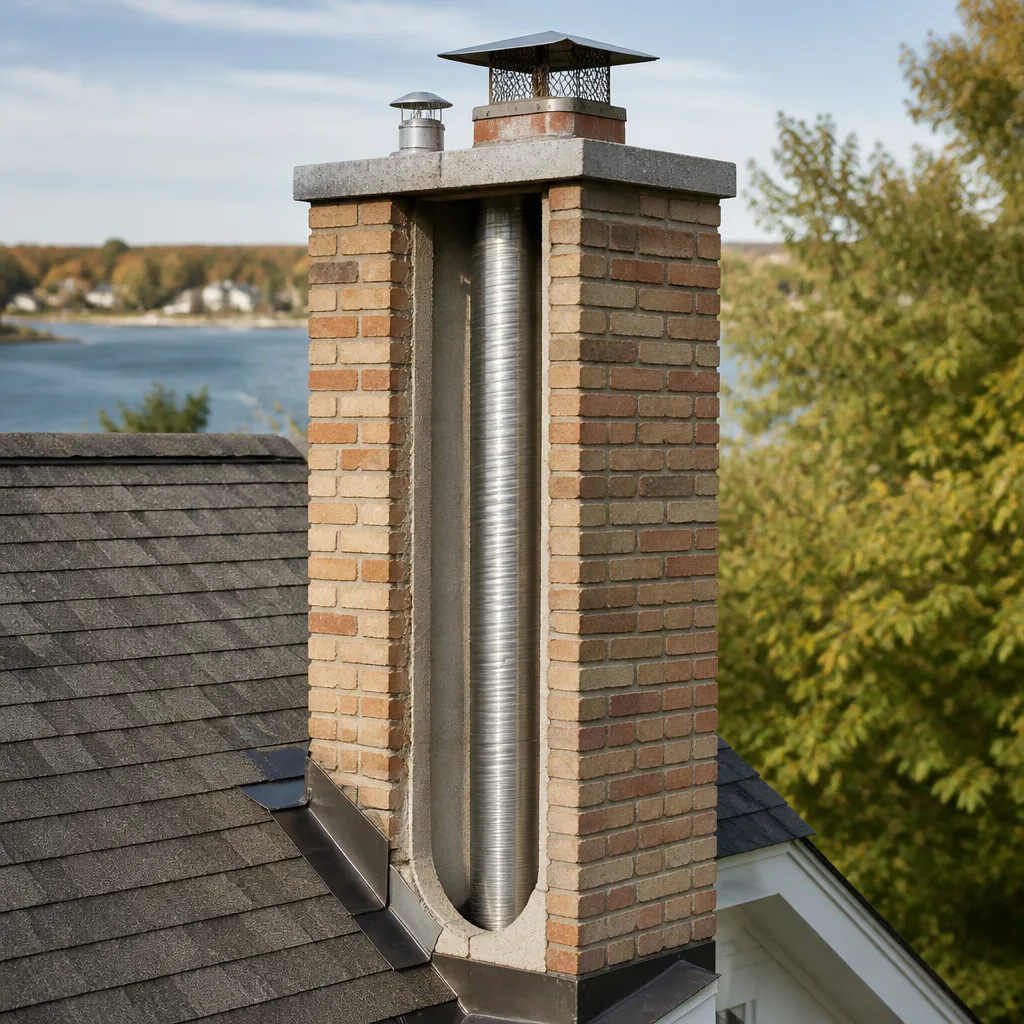 Flue relining
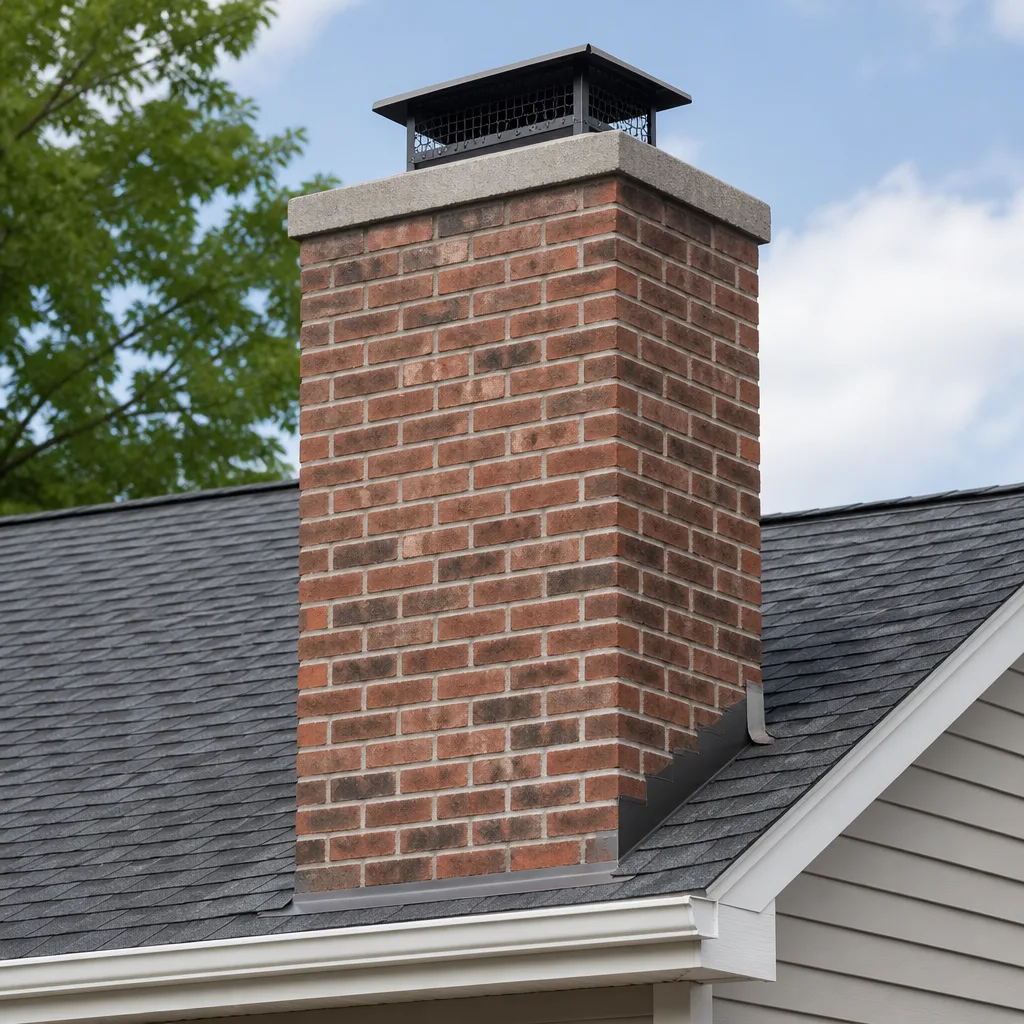 Masonry repair
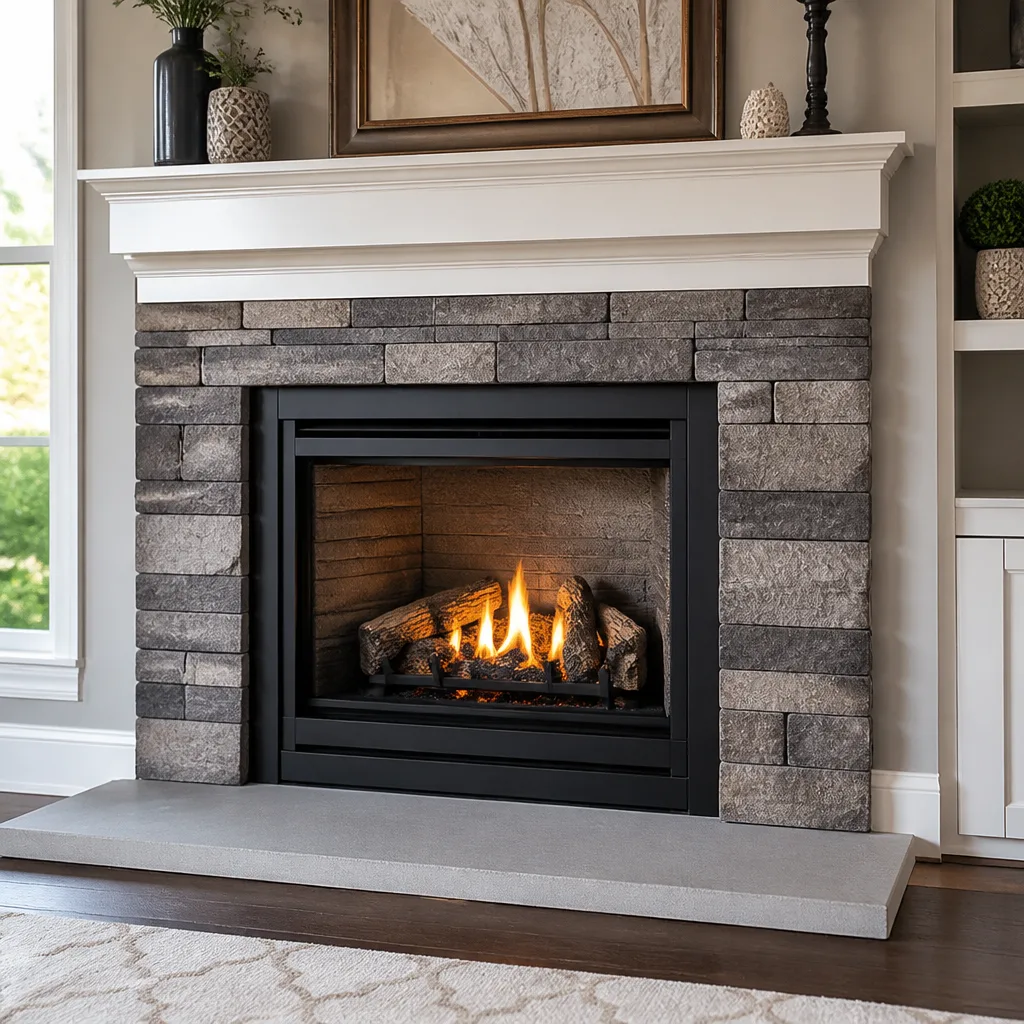 Gas fireplace service
Level 1 sweep and inspection to the NFPA 211 annual standard - flue, crown, cap, and flashing checked and photographed
Chimney sweep logs do not sweep chimneys. They loosen some creosote - which then falls where a brush and vacuum still have to collect it.
Chimney Sweep in East San Gabriel: What It Costs and What We Actually Find
A standard chimney sweep in East San Gabriel runs $189 to $329 for a typical single-flue fireplace with light to moderate creosote. If you have a wood stove used as primary heat, expect the higher end or slightly above because the soot and creosote load is heavier. The sweep includes a Level 1 inspection as standard. We book about two to five days out in the 91776 area, and you can call (866) 253-3809 for a free phone estimate with an exact price before we schedule.
What makes East San Gabriel different isn’t the amount of soot in your flue. It’s what’s happening to the chimney itself while nobody’s looking. More on that below.
Why East San Gabriel’s Chimney Problems Are Different From the Rest of the San Gabriel Valley
East San Gabriel sits in a high seismic zone, and most of the housing stock dates from the 1940s through the 1970s. That combination creates a specific problem set we don’t see as often in newer parts of the valley. The original masonry chimneys on these single-story ranch and stucco tract homes were built before modern seismic bracing codes. A free-standing chimney with no strapping is essentially a stack of bricks waiting for lateral movement. During a sweep, we routinely check for the steel straps and anchor plates that current code requires. A surprising number of East San Gabriel chimneys have none.
We recently serviced a 1950s ranch on Alhambra Road where the original clay flue tiles had spalled and the chimney crown was cracked from decades of sun. During our Level 2 inspection, we found first-degree creosote and loose mortar joints. The homeowner had no idea the chimney had never been strapped. We installed a HeatShield liner to seal the flue and applied seismic strapping to bring the chimney up to code. That’s the difference between a sweep that just removes soot and one that actually understands what East San Gabriel homes need.
The other local factor is the dry, smoggy inland climate. Hot summers bake the mortar crown. Santa Ana winds blow debris and embers into uncapped flues. The rare rain events find every hairline crack and carry water into the masonry. Most East San Gabriel fireplaces are used only a handful of times per year, which means creosote buildup stays relatively low. The real work is inspection, cracking and efflorescence checks, and seismic retrofitting. Not just brushing out soot.
Styles & brands we work with
What a Chimney Sweep in East San Gabriel Includes
Every sweep we perform in East San Gabriel starts with a visual inspection of the firebox, damper, flue, crown, and exterior masonry surface. We’re looking for the failure modes this climate produces: spalled clay tiles, hairline cracks in the flue, rusted dampers, deteriorated crowns, and missing or damaged caps. Then we run brushes through the flue to remove creosote and soot, vacuum everything out, and leave the firebox clean. If we find something that needs repair, we show you photos from our inspection camera before we quote a fix. You never take our word for it blind.
For East San Gabriel homeowners with a wood stove as primary heat, the sweeping interval should be shorter than the generic annual advice. Heavy daily burning loads the flue with creosote much faster than an occasional fireplace fire. In a dry climate, that creosote becomes brittle and flaky, but it’s still combustible. A flue fire doesn’t care whether the creosote is first-degree or third-degree. It only cares that fuel is present.
What happens when you call
- 1
A real person answersNo phone trees — you reach a local pro.
- 2
You get an upfront price rangeHonest numbers before anyone is dispatched.
- 3
A background-checked tech heads outLicensed & insured, dispatched right away.
- 4
You approve before work beginsNothing starts until you say go.
Gas Fireplace Cleaning in East San Gabriel
Gas fireplace cleaning in East San Gabriel is about more than wiping glass. Gas logs produce soot and mineral deposits that accumulate on the burner, the pilot assembly, and the inside of the firebox. If you’ve noticed the flame burning more yellow than blue, or a smell you can’t place, the unit likely needs cleaning. The other issue in East San Gabriel is debris: Santa Ana winds push twigs, leaves, and fine dust into vents and around the burner. A clean gas fireplace isn’t just cosmetic. It burns more efficiently and reduces the risk of carbon monoxide buildup from incomplete combustion.
Soot and Debris Removal for Gas Logs
We remove the log set, vacuum the burner and control area, and clean the pilot and thermopile so the flame senses correctly. Then we check the venting path from the unit to the termination. In 91776, we find vent blockages from bird nests and wind-driven debris more often than you’d expect.
Verifying Draft and Venting on Mild-Weather Homes
East San Gabriel’s mild winters mean gas fireplaces often run only for short periods. That’s fine for the occasional fire, but it means venting problems can go unnoticed for years. A quick draft test tells us whether combustion gases are actually leaving the house. If they’re not, that’s a carbon monoxide issue waiting for a still-air day.
Chimney Maintenance in East San Gabriel
Chimney maintenance in East San Gabriel should account for the fact that your fireplace sits idle for most of the year. The enemy isn’t heavy use. It’s exposure. Sun, wind, and the occasional downpour degrade the crown, the flashing, and the mortar joints during the months you aren’t thinking about the fireplace at all. Regular maintenance catches these problems before water gets inside the masonry. A cracked crown that gets ignored for two winters becomes a spalling brick problem that costs five times as much to fix.
Crown Checks and Water Intrusion Prevention
The crown is the concrete surface on top of the chimney that sheds water away from the flue. When it cracks, water seeps into the masonry. We check the crown on every visit and use a water-repellent sealant when needed. This is one of the highest-value maintenance steps for East San Gabriel homes because the sun here is relentless.
Cap Replacement and Spark Arrestor Service
Missing or damaged caps are common in East San Gabriel, especially after wind season. A cap keeps embers from exiting the flue and starting a roof fire, and it keeps rain, leaves, and animals out. We stock Gelco caps and can replace most caps same-visit. If your cap is rusted through or missing entirely, that’s a repair we’d flag immediately.
Common Chimney Sweep Problems We See in East San Gabriel Homes
- Unstrapped masonry chimneys. Many 1940s-1970s homes in East San Gabriel still have free-standing chimneys with no seismic bracing. During a seismic event, that’s a collapse risk. We check for strapping on every visit and flag it when missing.
- Hairline cracks and spalling clay tiles. Decades of thermal cycling and prolonged sun exposure cause the clay flue liner to deteriorate. Hairline cracks hold creosote and can allow heat transfer to the framing. We inspect with a camera to find what a visual check alone misses.
- Deteriorated crowns and flashing from Santa Ana wind. The wind season batters exposed flashing and chimney tops. If we find separated flashing or a cracked crown, we’ll show you the exact spot and quote a targeted repair rather than a broad “your chimney needs work” recommendation.
- Brittle, flaky creosote from light, infrequent use. East San Gabriel fireplaces that get lit a few times per year still accumulate creosote. It forms in thin layers that dry out and flake off inside the flue. Those flakes are loose fuel. An annual sweep clears them before they become a problem.
See the difference
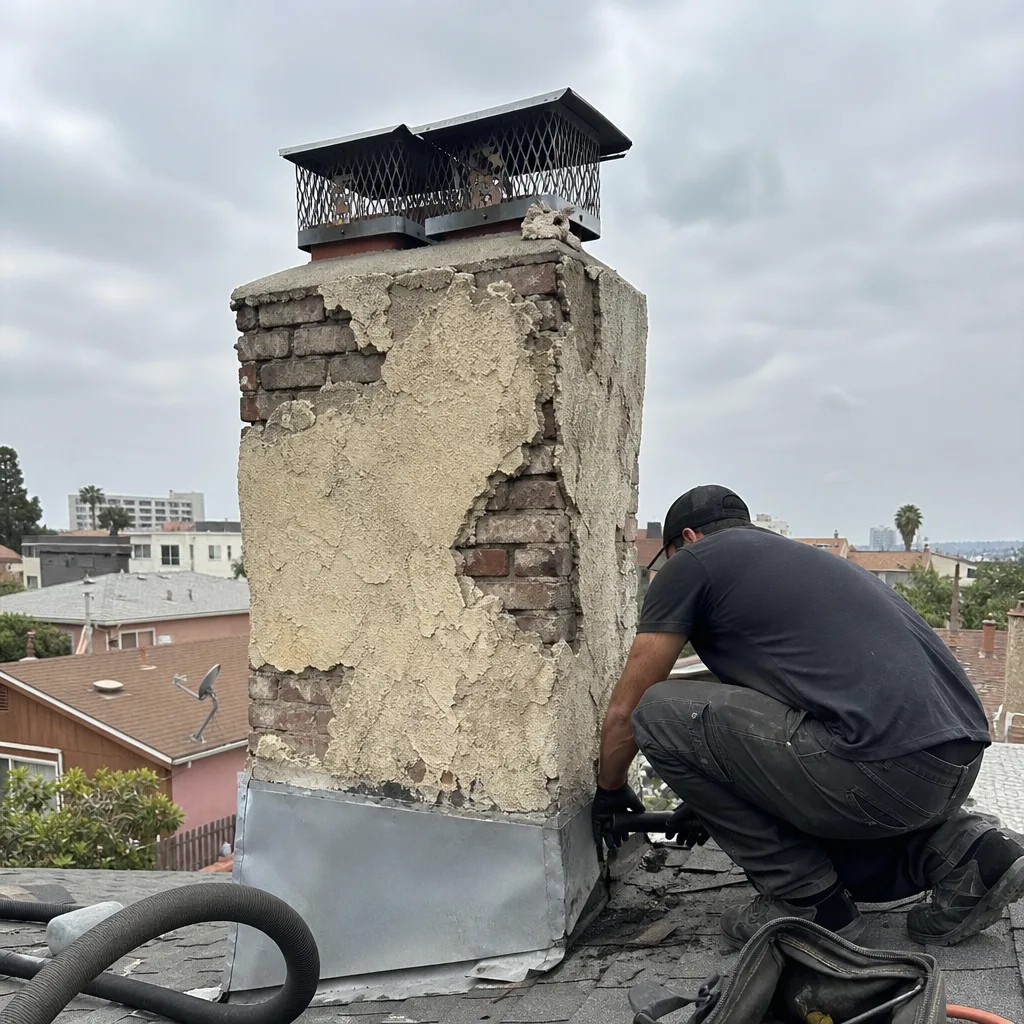 Before
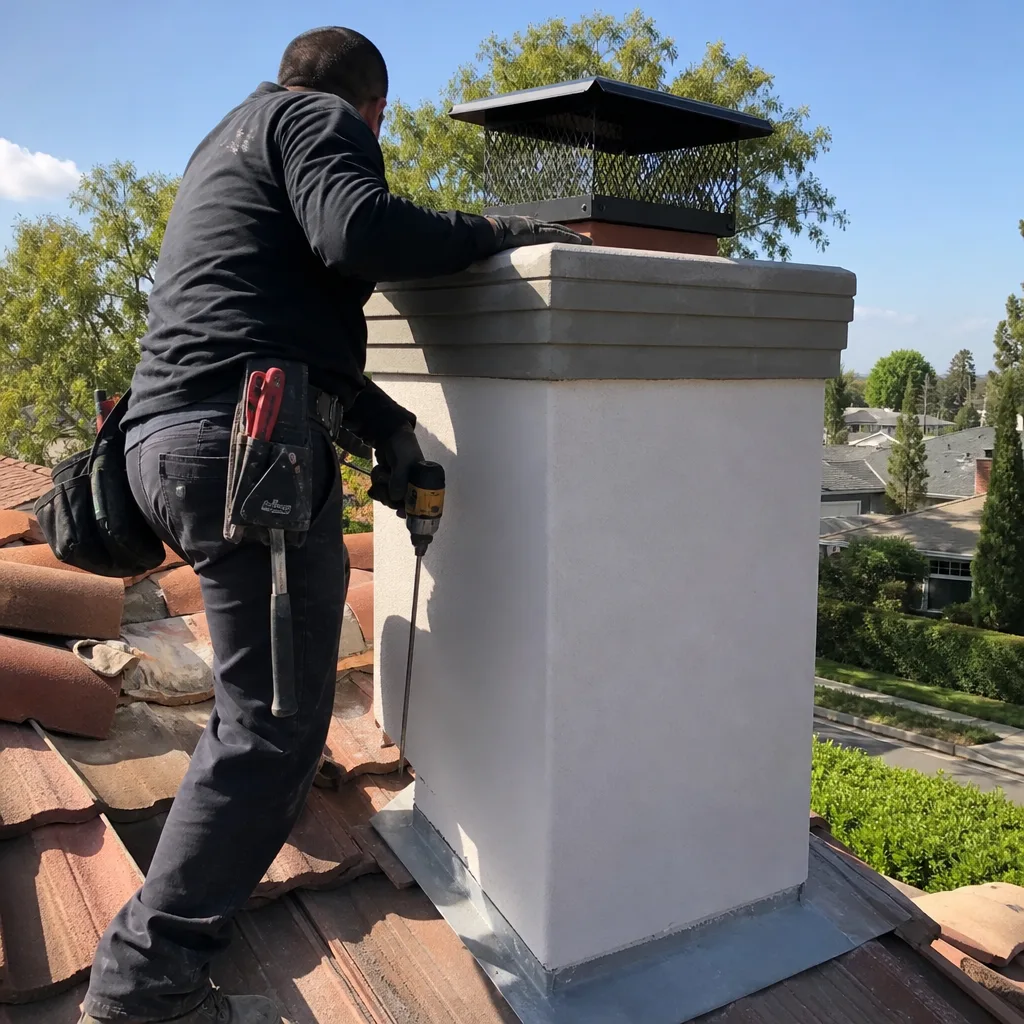 After
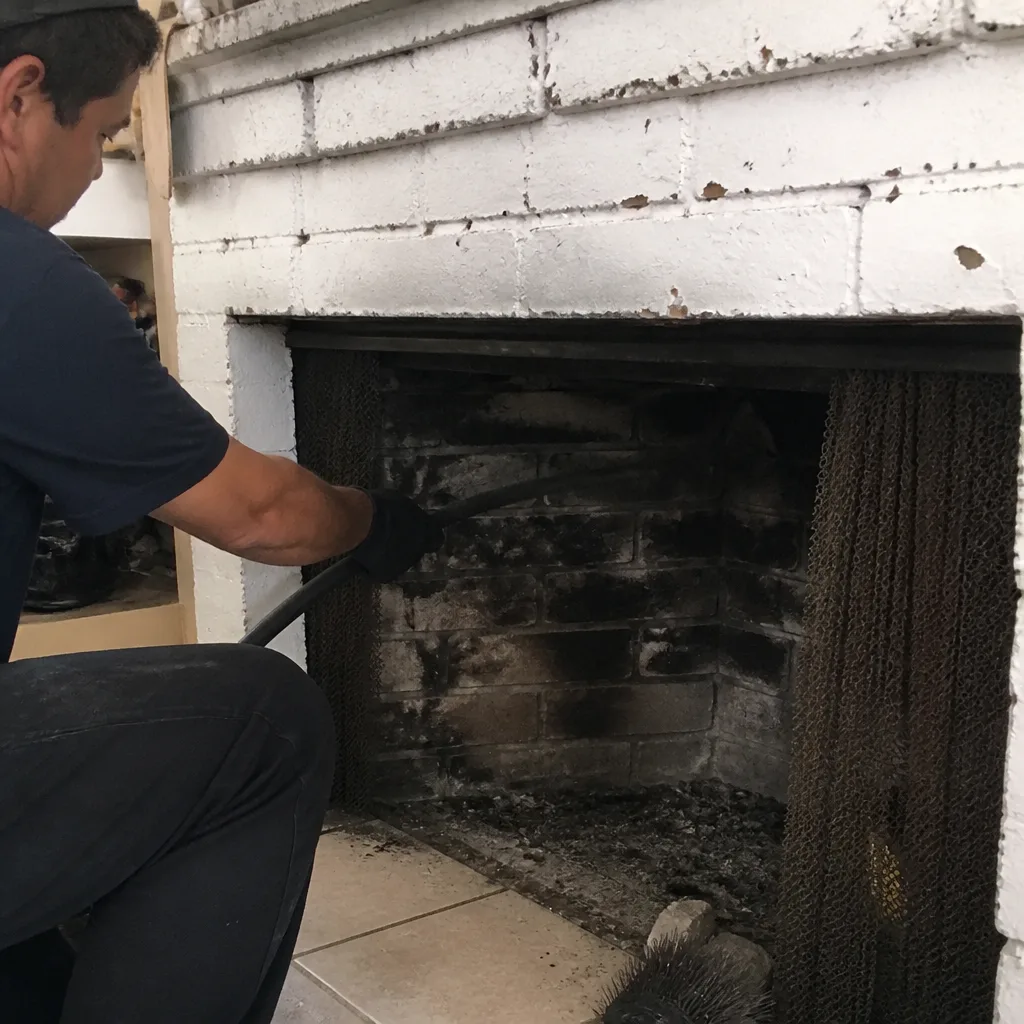 Before
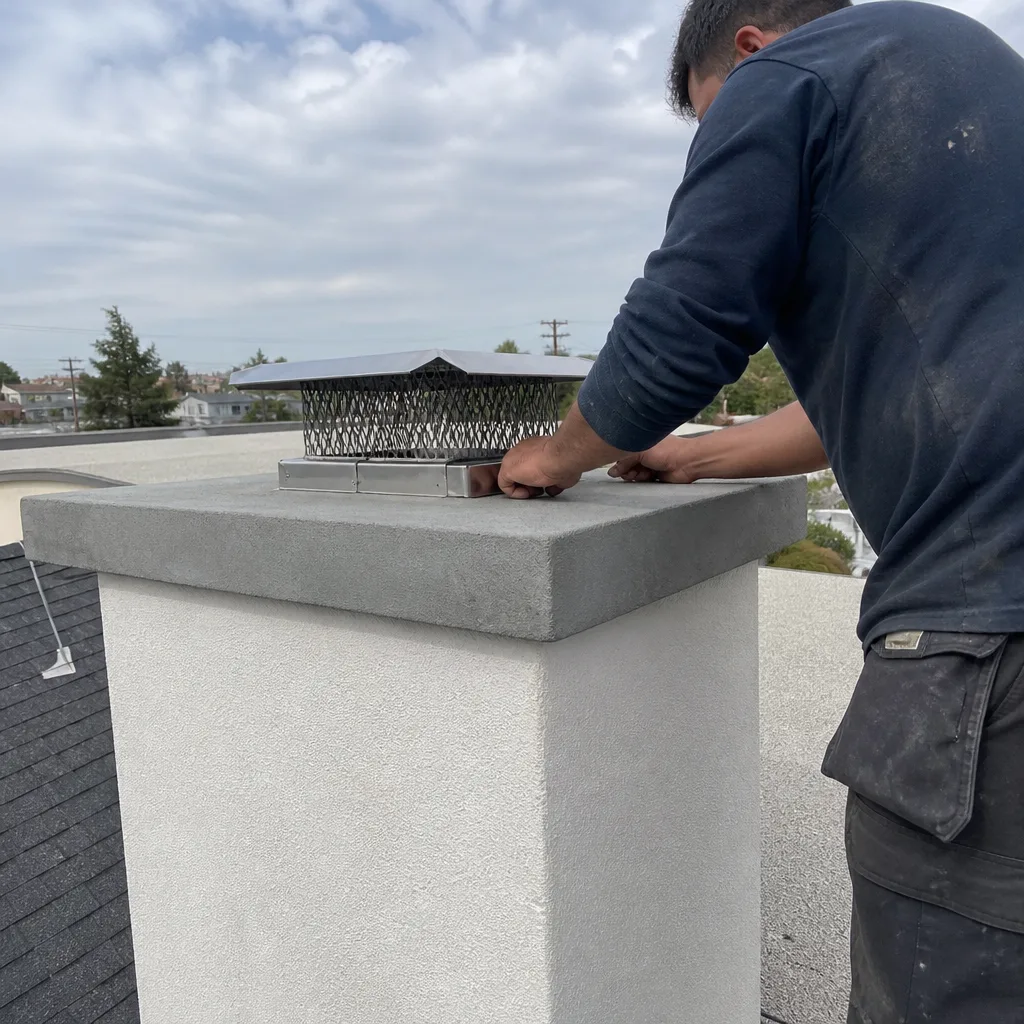 After
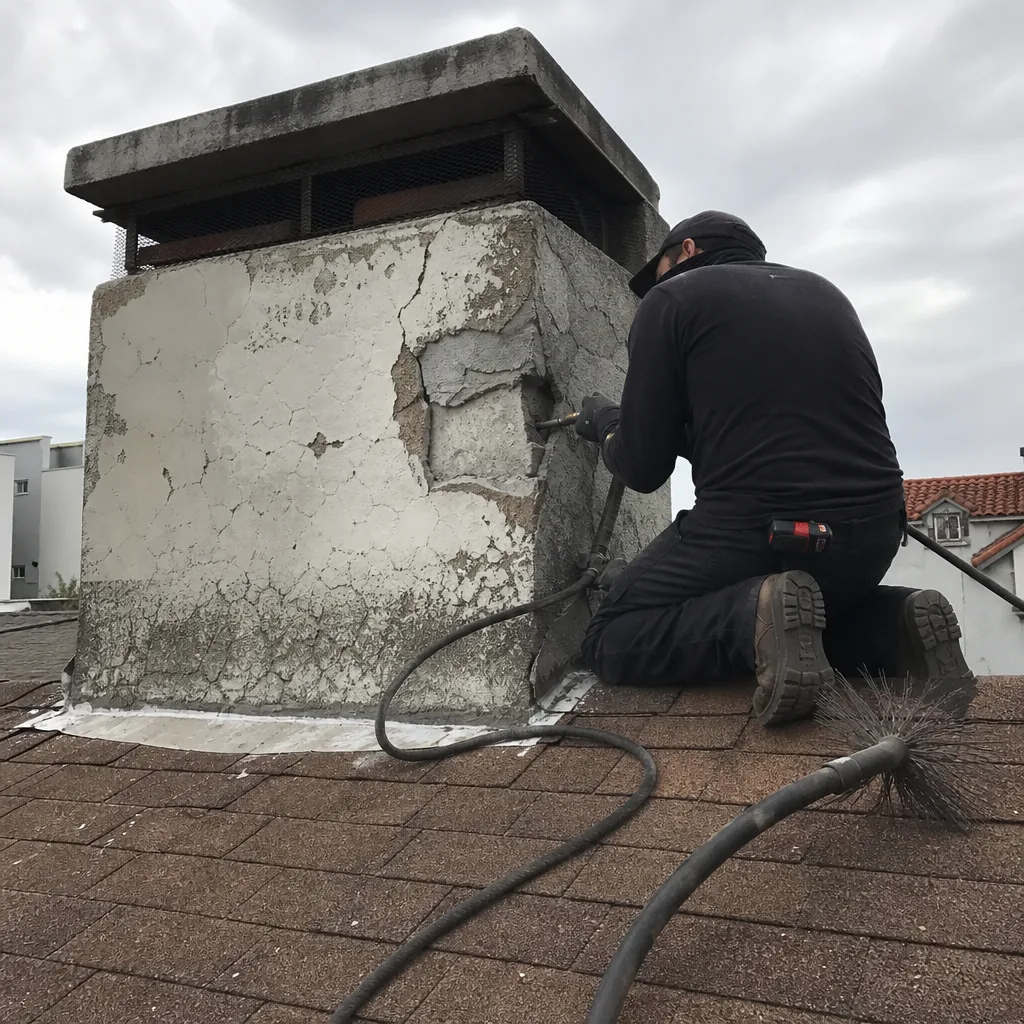 Before
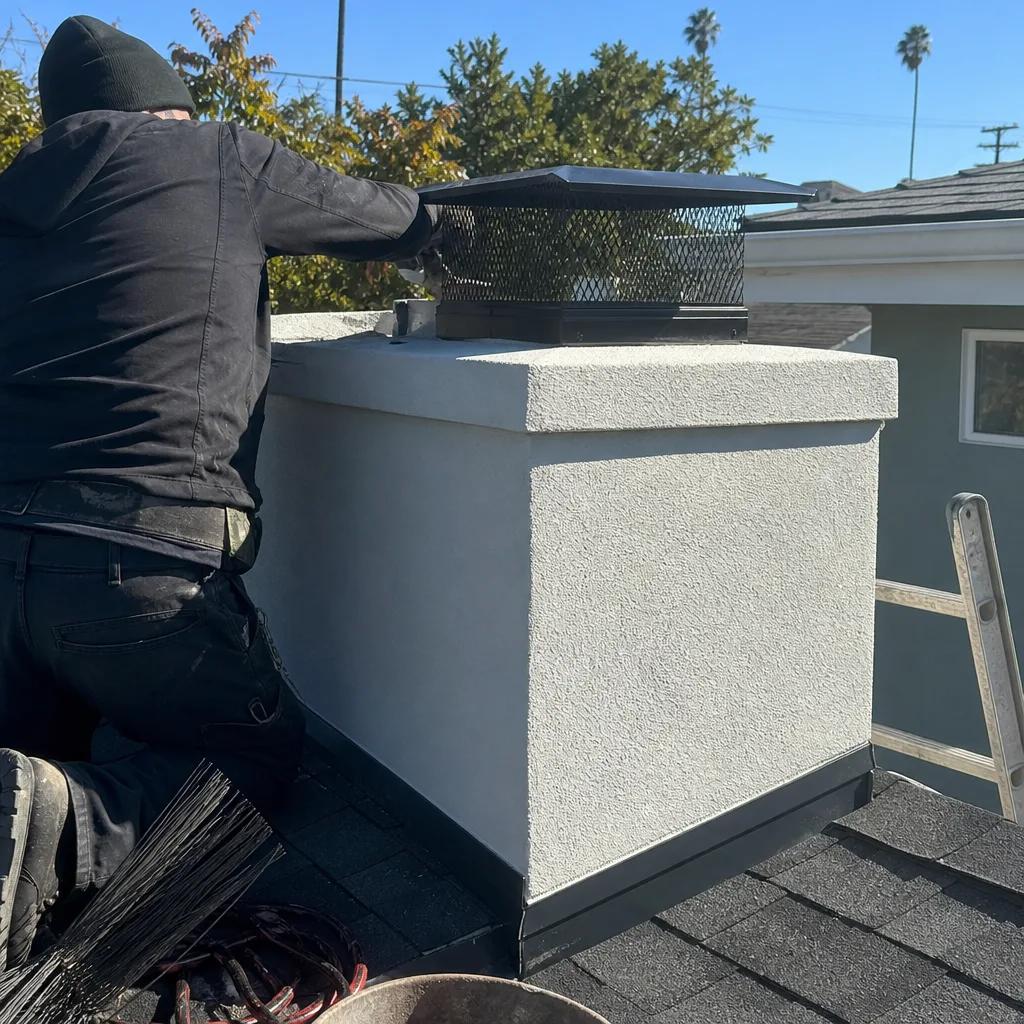 After
Pricing for Chimney Sweep in East San Gabriel, CA
A standard sweep in East San Gabriel runs $189 to $329. If we find heavy creosote or the flue hasn’t been cleaned in years, the price may push toward the top of that range because the work takes longer. Level 2 inspections, which include a camera scan and are required before property transfers or after seismic events, add $150 to $250. Gas fireplace cleaning typically runs $149 to $249. Seismic strapping, CrownCoat repairs, and HeatShield liner work are quoted separately once we’ve shown you the camera footage. Call (866) 253-3809 for a flat-price quote before you book. We don’t add surprise fees on the day of service.
Trusted Brands We Service in East San Gabriel
We stock and install the same components restoration contractors use. That means Gelco caps, Olympia Chimney products, and Famco venting components are available for East San Gabriel jobs without a two-week wait. When we find a cracked cap or a rusted damper, we don’t order a generic part from a hardware store. We use components that are built to match the existing system and last. For our East San Gabriel customers, that means faster turnaround and parts that don’t fail again next season.
Chimney Sweep for Wood Stoves and Rural-Style Properties Around East San Gabriel
A portion of East San Gabriel’s 91776 zip sits close enough to the foothills that some homes use wood stoves as a primary heat source, not just an occasional fireplace. Those properties need a different maintenance rhythm. Daily burning produces thick, tarry creosote deposits that accumulate quickly. A wood stove used all winter in East San Gabriel should be swept every six to eight weeks during the burn season, not once a year. The flue diameter is smaller than a fireplace flue, which means the same amount of creosote creates a larger obstruction. If you’re burning softwood or unseasoned wood, the buildup accelerates even faster. We walk East San Gabriel wood-stove owners through what we’re seeing in the flue and how their burning habits are affecting it. The goal is to keep you burning safely without telling you to stop using your heat source.
We Also Serve Cities Near East San Gabriel
Our Chimney Sweep team covers the surrounding San Gabriel Valley, including San Gabriel, Rosemead, Alhambra, and San Marino. If you’re in one of those areas, we bring the same local knowledge and seismic-safety focus we apply here in Chimney Sweep in East San Gabriel. Call (866) 253-3809 to check availability in your neighborhood.
Serving East San Gabriel, CA — Our Local Coverage Area
We’re based in the East San Gabriel area and know this community well. Use the map below to see our service coverage — if you’re nearby, we can almost certainly help.
FAQs About Chimney Sweep in East San Gabriel
You should still have it swept once a year. Light use doesn’t mean zero creosote. The flue accumulates a thin layer with every fire, and those layers dry out and flake in our climate, leaving combustible material inside the chimney. The annual visit is also your best chance to catch crown cracks, missing caps, or seismic strapping issues before they get worse. Call (866) 253-3809 to schedule your annual sweep.
Seismic strapping is steel bracing that anchors a masonry chimney to the structure of your home to prevent collapse during an earthquake. East San Gabriel sits in a high seismic zone, and many mid-century homes were built before current bracing requirements existed. If your chimney is free-standing above the roofline and has no visible straps, it likely needs retrofitting. We check this on every inspection and will show you exactly what we’re seeing.
Yes. Gas inserts produce soot that coats the glass, burner, and venting. The pilot assembly collects dust and mineral buildup that affects flame sensing. In East San Gabriel, wind-driven debris and occasional bird activity can also block the venting path. A blocked vent on a gas fireplace is a carbon monoxide risk, not just a performance issue. We recommend an annual cleaning for gas units too.
Third-degree creosote looks like a hard, shiny, tar-like glaze coating the flue walls. It forms from low-temperature fires or burning unseasoned wood, and it’s highly concentrated fuel. A flue fire burning third-degree creosote burns hot and fast, and it can crack the flue liner and spread to the structure. In East San Gabriel, we see third-degree creosote most often in wood stoves used with damp or soft wood. If we find it, we’ll show you the camera image and explain what’s needed to remove it safely.
Burn only seasoned hardwood with a moisture content below 20 percent. Give the stove enough air to burn hot rather than smoldering, because smoldering fires produce the most creosote. Avoid burning paper, cardboard, or construction scraps. Have the flue checked every six to eight weeks during heavy burn season. If you’re still getting heavy buildup after changing your fuel, call us at (866) 253-3809. We’ll inspect the setup and tell you what’s going on.
Written by Noel Carrasco, Owner at Imperial Chimney, serving East San Gabriel and the San Gabriel Valley since day one.